If you own a Jeep or are planning to buy one, you may have heard about the cowl. Many Jeep owners talk about it, especially when discussing upgrades, repairs, or cleaning.
But where is the cowl on a Jeep, and why does it matter? Knowing its location and purpose can help you keep your vehicle in good shape and avoid common issues.
This article will explain everything you need to know about the Jeep cowl, from its exact spot to its functions and maintenance tips.
What Is The Cowl On A Jeep?
The cowl is a section of your Jeep’s body that sits between the hood and the windshield. It acts as a bridge, connecting the front of the vehicle to the dashboard area. In simple terms, the cowl is the horizontal metal piece that runs across the base of the windshield. Its main job is to support the windshield, house ventilation components, and keep out water and debris.
Many people confuse the cowl with the hood or the dashboard. However, the cowl is separate.
It’s often hidden unless you specifically look for it, but it plays a crucial role in your Jeep’s structure and function.
Exact Location Of The Cowl On A Jeep
If you stand in front of your Jeep and look at the windshield, you will see a narrow, flat surface just below the glass. That is the cowl.
It sits above the engine bay, behind the hood, and stretches from one side of the vehicle to the other.
Here’s how you can spot the cowl:
- Open the hood of your Jeep.
- Look toward the windshield base.
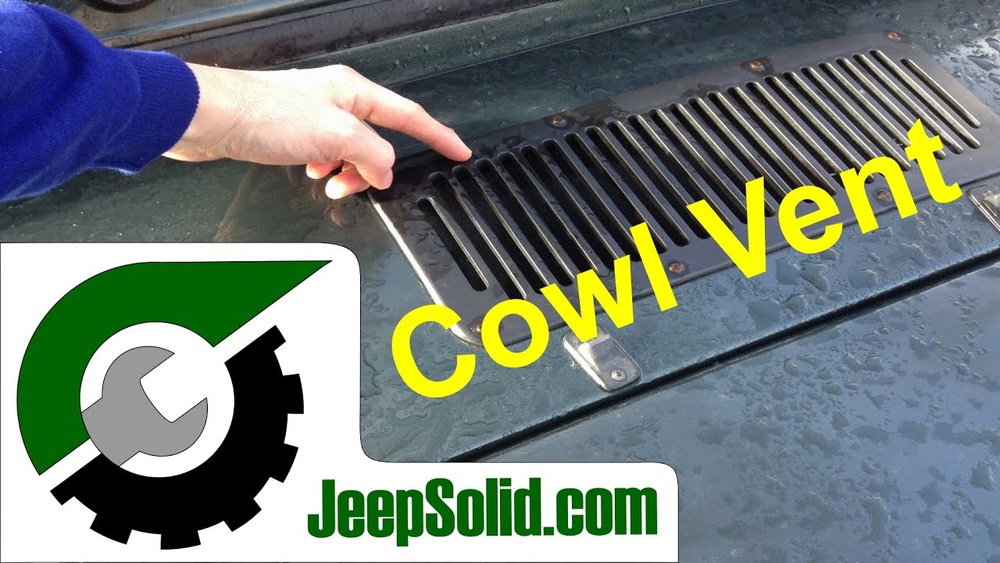
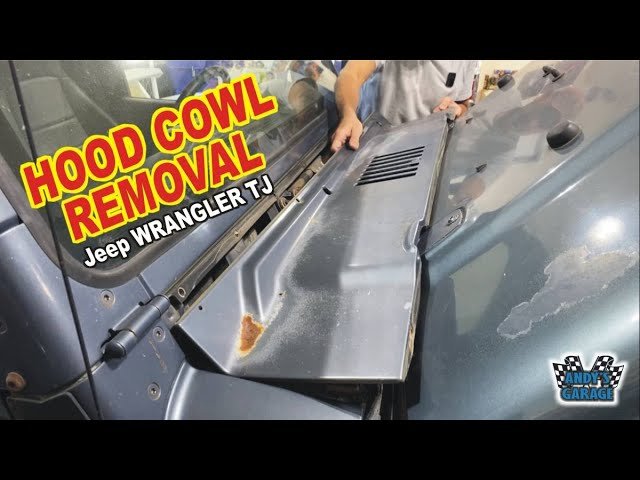
- You will see a metal panel or plastic cover with vents. This is the cowl.
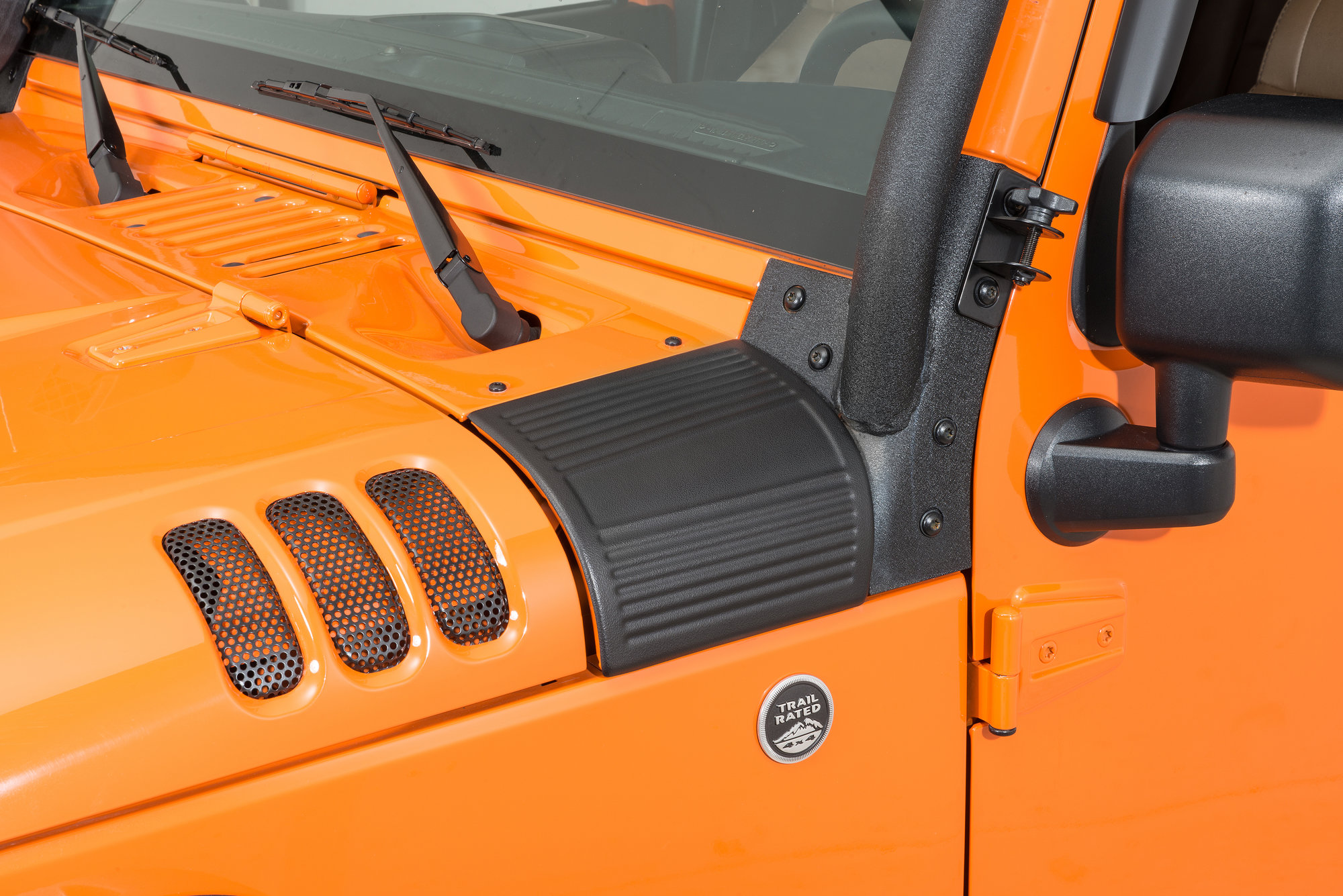
On most Jeeps, the cowl is easy to see once the hood is up. It is usually covered by a cowl cover or vent panel, which protects the area from rain and dirt.
Comparison: Cowl Vs. Hood Vs. Dashboard
To help you understand, here’s a quick comparison:
| Part | Location | Main Function |
|---|---|---|
| Cowl | Base of windshield, behind hood | Supports windshield, houses vents |
| Hood | Above engine, front of vehicle | Protects engine |
| Dashboard | Inside, under windshield | Displays controls and gauges |
Functions Of The Jeep Cowl
The cowl does more than just sit there. It is designed for several important reasons:
- Structural support: The cowl helps keep the windshield stable.
- Ventilation: Air enters through vents in the cowl, feeding the HVAC system.
- Protection: The cowl stops water, leaves, and other debris from entering the engine bay or the cabin.
- Drainage: It directs rainwater away from sensitive parts, reducing rust and leaks.
Some Jeep models have cowl vents that can be upgraded or replaced. These vents are key for airflow, especially if you drive in dusty or wet areas.
Data: Common Jeep Models And Cowl Features
Here’s a quick look at how the cowl appears on popular Jeep models:
| Model | Cowl Material | Cowl Vent |
|---|---|---|
| Wrangler JK | Steel | Removable vent cover |
| Wrangler JL | Aluminum | Integrated vents |
| Grand Cherokee | Plastic | Fixed vent slots |
Why Does The Cowl Matter?
Ignoring the cowl can cause several issues. Water leaks and rust are common problems if the cowl gets clogged or damaged. For example, in the US, a study found that water leaks from the cowl area are among the top five causes of Jeep interior damage. Over time, blocked cowl vents can also affect the HVAC system, leading to poor air quality inside the cabin.
Non-obvious insight: Many Jeep owners don’t realize that a damaged cowl can also affect the windshield’s strength during accidents. The cowl is a part of the vehicle’s safety structure.
How To Maintain The Cowl
Keeping the cowl clean and in good condition is simple but important. Here are practical steps:
- Check vents regularly: Look for leaves, dirt, or debris around the cowl vents.
- Clean with gentle tools: Use a soft brush and water to clear the area. Avoid harsh chemicals.
- Inspect cowl seals: Make sure the rubber seals are not cracked or missing.
- Watch for rust: On older Jeeps, check the cowl for signs of corrosion.
- Upgrade for protection: Some Jeep owners install aftermarket cowl covers for extra defense.
Cowl Maintenance Mistakes
Many beginners wash their Jeep without paying attention to the cowl vents. Water can push dirt deeper, causing blockages.
Also, using high-pressure washers near the cowl can damage seals and lead to leaks.
Repairing Or Replacing The Cowl
If your cowl is broken or rusty, you may need to repair or replace it. Most Jeep cowls are made of steel, aluminum, or plastic, so the repair process depends on the material.
For minor issues, cleaning and sealing may be enough.
For major damage, a replacement is best.
Repair costs can range from $50 for a DIY fix to $500 for professional work. Always check your Jeep model’s manual before starting repairs.
Cowl Upgrades And Accessories
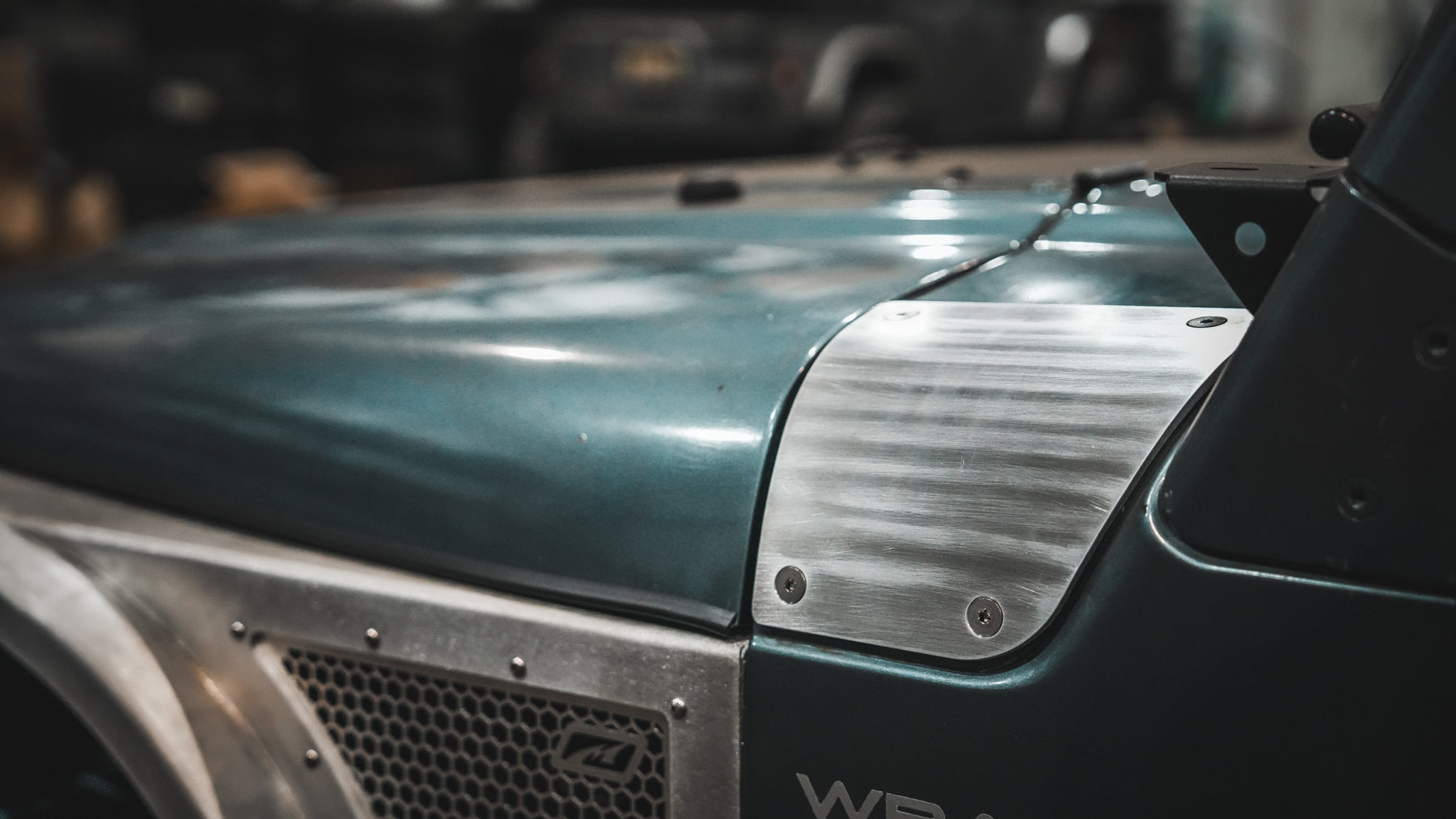
Some Jeep owners add cowl armor or covers. These accessories protect the cowl from rocks and branches during off-roading. Others install custom vents for better airflow. While upgrades can improve looks and function, make sure they fit your Jeep model.
For more details on Jeep parts and upgrades, you can check the Jeep Official Site.
Frequently Asked Questions
Where Is The Cowl Located On A Jeep?
The cowl is at the base of the windshield, behind the hood. It runs across the front of the vehicle, connecting the windshield to the engine bay.
What Is The Purpose Of The Cowl On A Jeep?
The cowl supports the windshield, houses air vents, and protects the cabin and engine from water and debris. It also helps with air circulation inside the vehicle.
How Do I Clean The Cowl Vents On My Jeep?
Open the hood, find the cowl vents, and use a soft brush or compressed air to remove dirt and leaves. Make sure not to push debris deeper into the vents.
Can A Damaged Cowl Cause Leaks In My Jeep?
Yes. A cracked or clogged cowl can lead to water leaks inside your Jeep.
This may cause rust, mold, or damage to electronic parts.
Are Cowl Covers Or Upgrades Worth It For Jeeps?
If you drive off-road or in areas with lots of debris, cowl covers or armor can protect your Jeep. Choose accessories made for your specific model for best results.
Understanding the cowl on your Jeep helps you care for your vehicle and avoid common problems. With regular checks and proper cleaning, you can keep your Jeep’s cowl working well for years.
Whether you use your Jeep for daily driving or adventure, knowing where the cowl is and how it functions gives you an edge as an owner.