Where Did Jeep Start
When you see a Jeep on the road, it’s easy to think of adventure, toughness, and American history. But few people know the real story behind where Jeep started.
This legendary vehicle’s roots go back to a time of war, innovation, and fierce competition.
Jeep did not just appear overnight it was born from urgent need and clever engineering. Let’s explore how Jeep began, the people who made it possible, and how it became the icon we know today.
The Birthplace Of Jeep: The United States In World War Ii
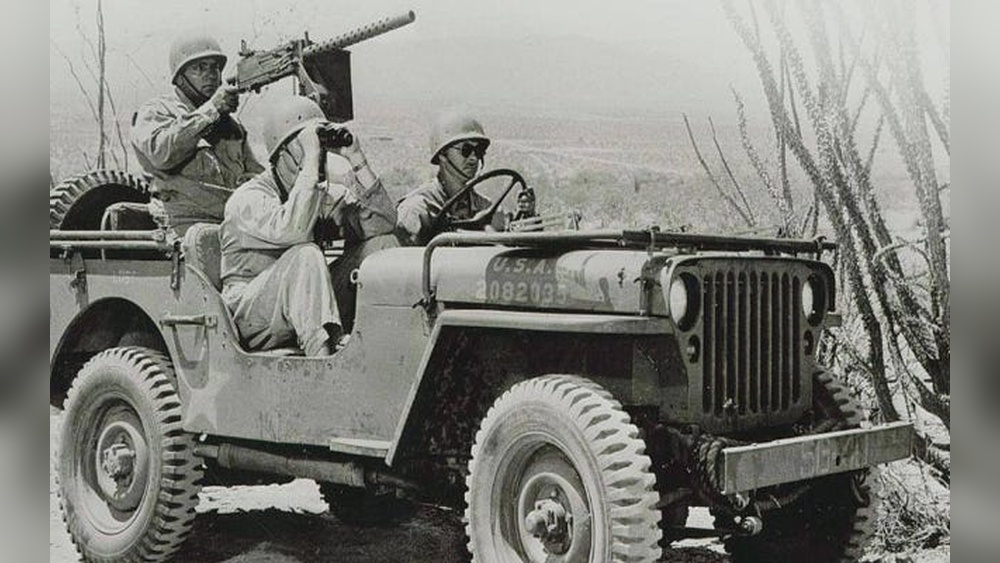
The story of Jeep starts in the United States during the early days of World War II. In 1940, the US Army needed a new kind of vehicle—one that was small, lightweight, and could go almost anywhere. This was not a simple wish. The Army sent out a fast request to 135 automakers, asking for a prototype in just 49 days.
Only a few companies responded. The main players were American Bantam Car Company, Willys-Overland, and Ford. Each of these American companies played a role in Jeep’s creation, but the first working prototype came from the small Bantam factory in Butler, Pennsylvania. This is why some people call Butler the “birthplace of the Jeep.”
However, the Bantam company was too small to make the large numbers needed for the Army. So, Willys-Overland (based in Toledo, Ohio) and Ford were brought in. They improved on Bantam’s design and started mass production. Willys’ version, known as the Willys MB, became the standard. Ford built the GPW model, almost identical to Willys, to keep up with demand.
Why Jeep Was So Important
Jeep’s impact during WWII was huge. The Army needed a vehicle that could:
- Go off-road on mud, sand, and snow
- Carry soldiers and equipment
- Be easy to fix in the field
The Jeep delivered. It was simple, strong, and could handle rough terrain better than anything before. General Dwight D. Eisenhower called it “one of the tools that won the war.” More than 640,000 Jeeps were built during WWII.
Here’s a quick look at the main companies involved and where their key factories were located:
| Company | Factory Location | Role in Jeep’s Start |
|---|---|---|
| American Bantam | Butler, Pennsylvania | Created first prototype |
| Willys-Overland | Toledo, Ohio | Main production; key improvements |
| Ford | Dearborn, Michigan | Mass production support |
The Name “jeep”: Where Did It Come From?
The word “Jeep” is unusual. Its true origin is debated, but there are two main theories:
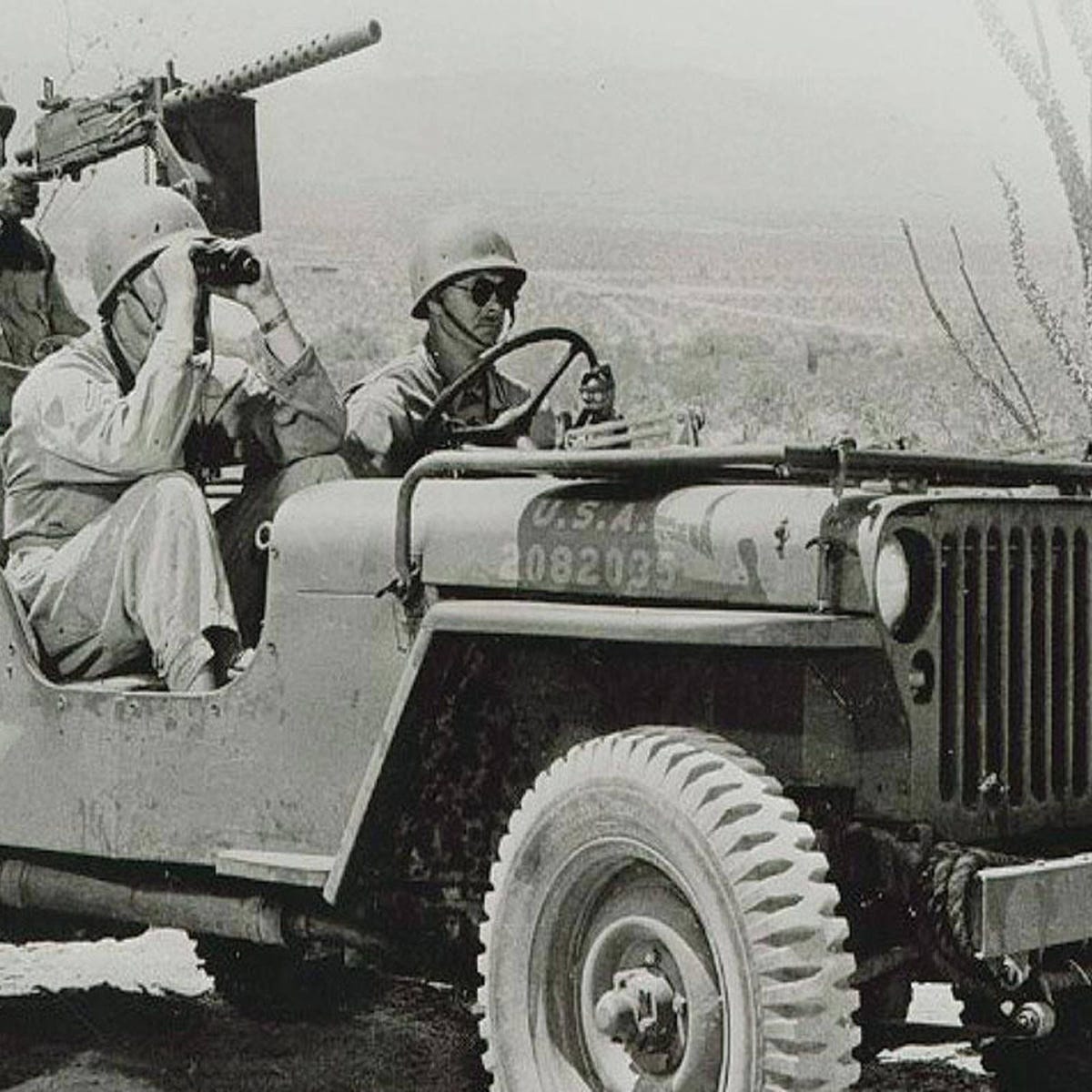
- Some say “Jeep” comes from the letters “G.P.” (for “General Purpose” vehicle). Army mechanics pronounced it as “jeep.”
- Another theory links it to Eugene the Jeep, a magical animal in the “Popeye” comic strip, known for going anywhere.
Both stories have fans. But by the end of WWII, “Jeep” was the popular name, and Willys officially trademarked it.
Early Civilian Jeeps And Expanding Worldwide
After the war, Willys saw the Jeep’s potential for civilian life. In 1945, they created the CJ-2A, the first Jeep for farmers, workers, and families. Jeep was no longer just a military tool—it became a symbol of freedom and adventure.
Jeep production stayed in Toledo, Ohio, which is still the heart of Jeep manufacturing today. Over the years, Jeep vehicles were exported and built in other countries. The brand’s rugged image spread worldwide.
Let’s see how Jeep’s models evolved in their early years:
| Model | Year Introduced | Main Use |
|---|---|---|
| Willys MB | 1941 | Military |
| CJ-2A | 1945 | Civilian |
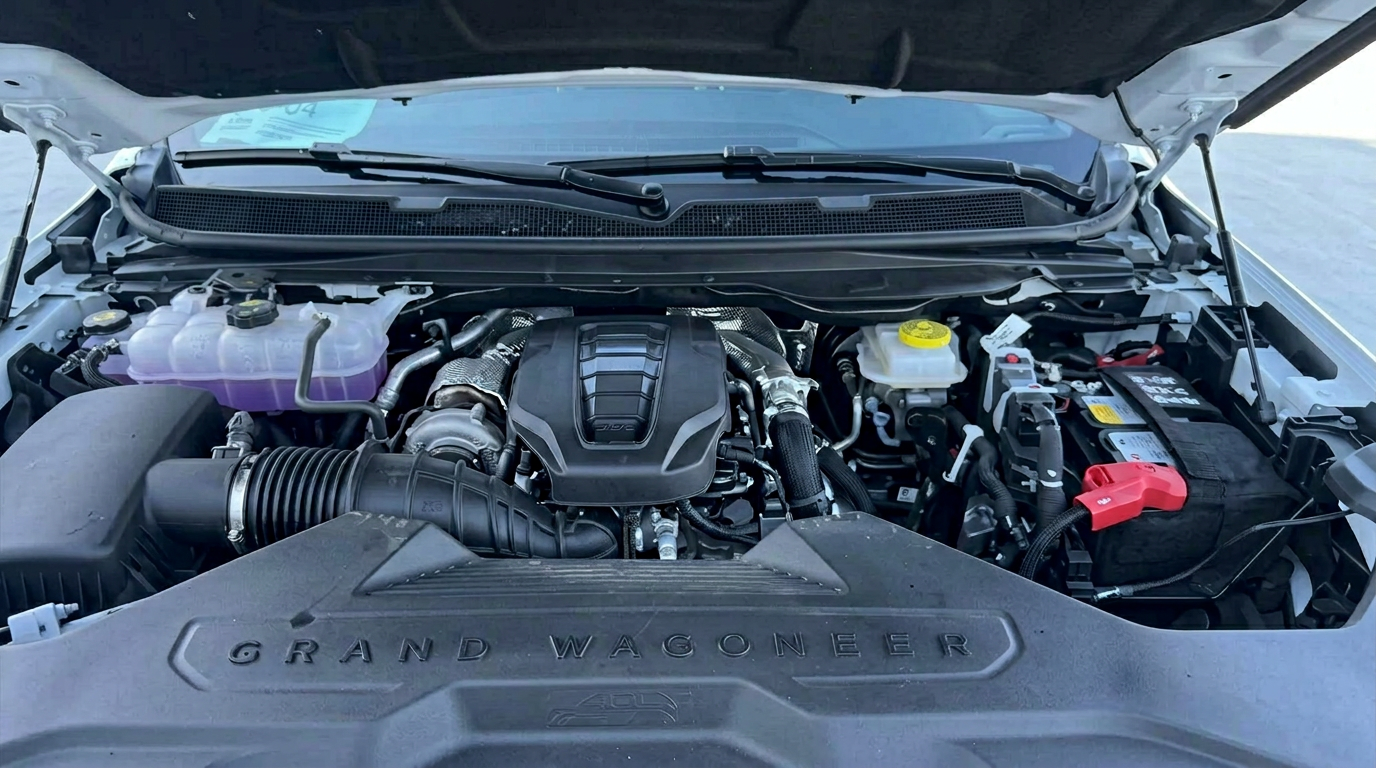
| Wagoneer | 1963 | Family/Utility |
Jeep’s Legacy And Key Insights
Many people think Jeep was made by one company in one place. In fact, it was a group effort, with key steps in Butler, Toledo, and Detroit. Another easy-to-miss fact: the first Jeep was not made by Willys or Ford, but by small Bantam. Yet, Willys-Overland’s smart engineering and mass production in Toledo made Jeep the legend it is.
Even today, Jeep’s DNA is about versatility and durability. The brand survived changes in ownership, styles, and even tough competition. It’s one of the few car brands that has kept its original spirit for over 80 years.
Here’s a comparison of Jeep’s early features versus a typical car of the 1940s:
| Feature | Jeep (Willys MB) | Typical 1940s Car |
|---|---|---|
| Drive System | 4-wheel drive | 2-wheel drive |
| Weight | ~2,400 lbs | ~3,000 lbs |
| Ground Clearance | High | Low |
| Purpose | Off-road/military | Street driving |
Frequently Asked Questions
Where Was The First Jeep Built?
The first Jeep prototype was built in Butler, Pennsylvania, by American Bantam. Mass production later moved to Toledo, Ohio, and Ford’s factories.
Who Invented The Jeep?
American Bantam designed the first working model. But Willys-Overland and Ford refined and built most of the WWII Jeeps. So, Jeep’s invention is a team effort.
Why Did Jeep Become So Popular?
Jeep’s rugged design, ability to handle all types of terrain, and simple maintenance made it popular with soldiers and civilians. It became a symbol of freedom and reliability.
Is Jeep Still Made In The Usa?
Yes. The main Jeep factory is in Toledo, Ohio. Jeep also has plants in other countries, but its American roots remain strong. For more details, visit the official Jeep history at Wikipedia.
What Was The First Civilian Jeep?
The CJ-2A, released in 1945, was the first Jeep made for civilians, especially farmers and workers. It had features for daily use, like a tailgate and better seats.
Jeep’s story began in small American towns and grew into a worldwide legend. Its start in Butler and Toledo shaped not only military history but also the world of cars.
Every time you see a Jeep, you’re looking at a piece of true American innovation and teamwork.