The Gladiator has a strong connection to Toledo, Ohio, but a good manufacturing article should do more than repeat one location. It should explain the official production history, show how to verify one truck and distinguish factory origin from parts sourcing.
Quick Answer
Official Stellantis material states that the Jeep Gladiator is built in Toledo, Ohio, at the Toledo Assembly Complex. Check the VIN and certification label on an individual truck when you need vehicle-specific confirmation, and recheck current official production information before publishing time-sensitive claims.
The Gladiator Production Home Is Toledo
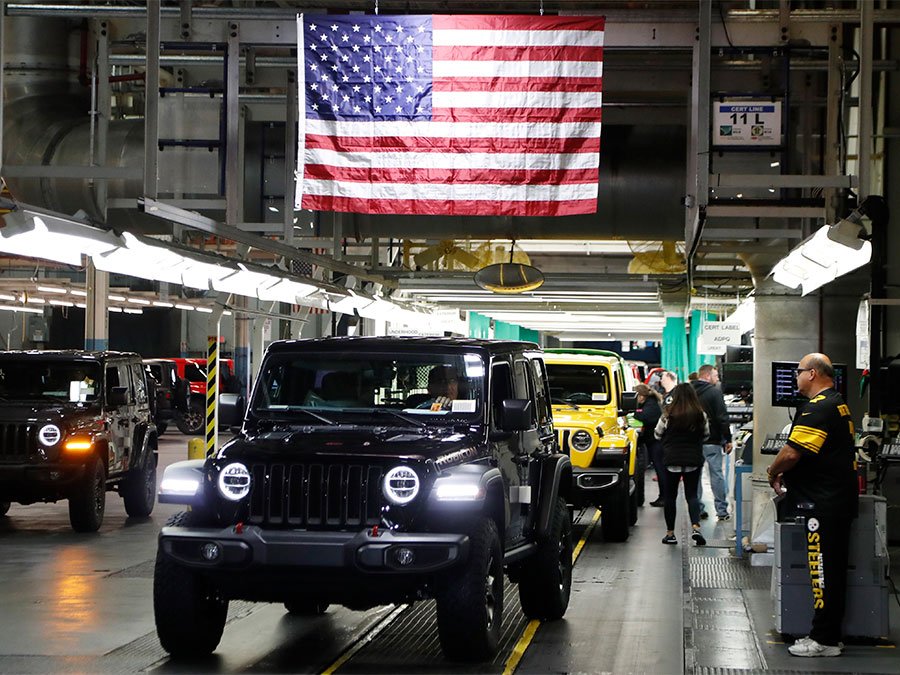
The official launch material for the 2020 Gladiator described Toledo, Ohio, as the truck’s production home. It identified the south plant of the Toledo Assembly Complex as the manufacturing site after Wrangler JK production ended there.
Toledo Has a Long Jeep History
Jeep vehicles have rolled off Toledo assembly lines for decades. That history helps explain why the Gladiator launch emphasized its production location.
The truck’s factory story fits a larger local manufacturing legacy.
The VIN Still Matters
A model-level answer is useful, but the VIN and certification label belong to the exact truck. Read the label when researching a used Gladiator, an import or a truck with unclear listing information.
Assembly Does Not Mean Every Component Comes From One Place
Final assembly and component sourcing are different topics. A truck may be assembled in Toledo while parts come from a wider supply chain.
Avoid turning the plant answer into an unsupported claim about every component.
Production Plans May Change
Stellantis announcements show continued investment in Toledo operations, including products tied to the complex. Even so, production assignments are time-sensitive.
Use a current official source for an article that claims what is built today.
Use Factory Facts During a Used-Truck Inspection
The assembly label helps confirm the vehicle identity, but it does not replace a mechanical inspection. Check recalls, service records, modifications and the condition of the bed, frame, suspension and four-wheel-drive equipment.
Keep Historical and Current Facts Separate
The 2018 Gladiator launch release is a strong source for the model’s original production plan. A newer Stellantis release is better when describing current investment.
Use each source for the fact it actually supports.
Key Details to Check
| Item | What to verify | Why it matters |
|---|---|---|
| Assembly complex | Toledo Assembly Complex in Toledo, Ohio | Official launch material identifies the production home |
| Plant context | South plant for Gladiator launch production | Explains the factory transition after Wrangler JK |
| One truck | VIN and certification label | Confirms the individual vehicle |
| Current status | Recent Stellantis production information | Factory assignments may change |
| Used purchase | Recalls, records and modifications | Assembly location does not replace inspection |
Step-by-Step Review
- Read the official Gladiator production release.
- Check a recent Stellantis Toledo announcement for current context.
- Read the VIN and certification label on the truck.
- Run a recall lookup for the specific VIN.
- Inspect the truck mechanically before purchase.
Common Mistakes to Avoid
- Assuming assembly location proves every part source
- Using one old article as a permanent factory guarantee
- Skipping the VIN label on an imported or used truck
- Confusing brand history with one model’s plant
- Treating factory origin as a substitute for condition
Frequently Asked Questions
Where is the Gladiator assembled?
Official launch material identifies Toledo, Ohio, as the Gladiator production home.
Should I check the VIN anyway?
Yes. The VIN and certification label confirm the individual truck.
Does Toledo assembly mean every part is American-made?
No. Final assembly and component sourcing are different questions.
Check the Door Label on a Used Gladiator
Open the driver door and photograph the certification label. Compare the VIN with the dashboard, registration and seller documents.
This simple step helps confirm that the listing, records and truck all refer to the same vehicle.
Inspect Truck-Specific Wear
A Gladiator may have carried cargo, towed trailers or traveled off-road. Check the bed, hitch, frame areas, suspension, tires and underside.
Factory location is interesting, but condition determines whether the truck is a good purchase.
Use Recent Sources for Current Production Claims
A launch press release explains where production began. A newer corporate announcement gives better context for ongoing Toledo investment.
Use both carefully and avoid claiming a permanent arrangement when production plans may change.
Explain Toledo Without Overstating the Claim
Toledo is central to Gladiator assembly and Jeep history. That does not mean every component is produced in Toledo.
Keep final assembly, supplier origin and brand heritage as separate facts.
Keep a VIN Photo With the Service Records
Save a clear photo of the VIN and certification label. It helps with parts ordering, recall searches, insurance and resale.
Good records are useful long after the factory-origin question has been answered.
Check the Recall Status Before Buying
Use the Gladiator VIN in the NHTSA or Mopar recall tool. Ask the seller for completed recall paperwork when applicable.
The truck may look excellent while still needing an official repair campaign.
Keep Factory Information With the Truck File
Save the VIN photo, window sticker when available, service invoices and recall records. These documents help with resale, parts research and insurance.
They also make the assembly-history question easy to answer later.
Do Not Use Assembly Location as a Quality Shortcut
A Toledo-built truck still needs the same inspection as any other used vehicle. Check records, tires, fluids, underside condition and modifications.
Factory history is useful context, but maintenance history and current condition determine the purchase decision.
Final Takeaway
The Gladiator is closely tied to Toledo assembly. Use official current sources for the plant claim and the VIN label for the exact truck you are researching.