The Jeep Cherokee is a name that many people recognize, even if they don’t know much about cars. It stands for ruggedness, adventure, and American style.
But when did this famous vehicle first appear? The history of the Jeep Cherokee is full of changes, innovations, and even surprises.
Let’s explore how and when the Cherokee began, how it evolved, and why it remains important today.
The Birth Of The Jeep Cherokee
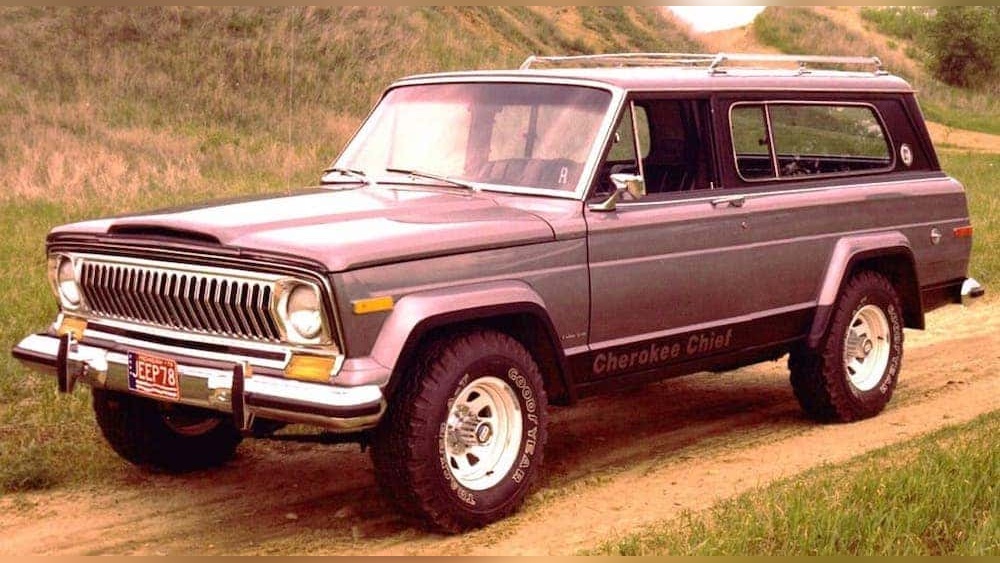
The Jeep Cherokee was first introduced in 1974. This debut marked a new era for Jeep and the American car industry. Before the Cherokee, Jeep was known mainly for military vehicles and the classic Wagoneer. The Cherokee was different—it was designed to be a sportier, more modern SUV.
In 1974, Jeep launched the Cherokee as a two-door version of the Wagoneer. It was called the SJ Cherokee. The idea was to offer a vehicle that would appeal to younger drivers and families who wanted adventure and style. The Cherokee stood out because it had a strong body, powerful engines, and could handle tough roads. It combined comfort and ruggedness, which was rare at that time.
Evolution Through The Decades
The Cherokee didn’t stay the same for long. Jeep made many changes, and each generation brought something new.
| Generation | Years | Main Features |
|---|---|---|
| SJ | 1974–1983 | Full-size, two-door (later four-door), V8 engine options |
| XJ | 1984–2001 | Compact, unibody design, four-door standard, fuel efficiency |
| KJ | 2002–2007 | Modern styling, improved safety, more comfort |
| KL | 2014–present | Advanced tech, sleek design, crossover features |
The most famous Cherokee is the XJ model, launched in 1984. It was lighter, easier to drive, and became popular worldwide. The XJ was one of the first SUVs to use a unibody design instead of the heavier body-on-frame style. This made it more fuel-efficient and comfortable.
Why The Cherokee Was A Game Changer
The Cherokee didn’t just change Jeep it changed how Americans saw SUVs. In the 1970s and 1980s, SUVs were mostly for work or off-road trips.
The Cherokee made them cool for everyday use. People started to buy SUVs for family trips, commuting, and city driving.
Some key innovations include:
- Unibody construction: The XJ Cherokee was one of the first SUVs to use this lighter, stronger frame.
- Four-door option: In 1980, Jeep added a four-door version, which made the Cherokee much more practical.
- Versatile engines: From strong V8s to efficient inline-6, the Cherokee offered choices for different needs.
By the late 1980s, the Cherokee became a bestseller. Jeep sold over 2.8 million XJ Cherokees worldwide. It even helped launch the SUV craze that continues today.
Comparing The Cherokee To Other Suvs
To understand the Cherokee’s impact, it helps to compare it to other popular vehicles from the same era.
| Model | Year Introduced | Engine Options | Design |
|---|---|---|---|
| Jeep Cherokee (XJ) | 1984 | Inline-4, Inline-6 | Unibody, compact |
| Ford Bronco II | 1983 | V6 | Body-on-frame, compact |
| Chevrolet S-10 Blazer | 1983 | Inline-4, V6 | Body-on-frame, compact |
The Cherokee’s unibody construction gave it better ride comfort and handling compared to its rivals. It was also lighter, which improved fuel economy—a big advantage during the oil crisis in the 1980s.

Modern Cherokees And Their Role
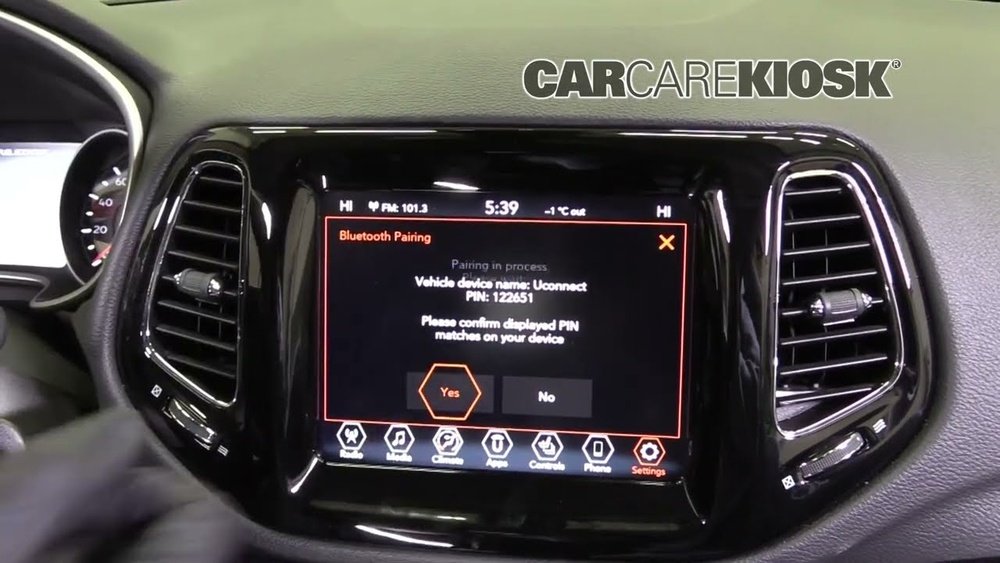
Today’s Jeep Cherokee is very different from the original. The current model, called the KL Cherokee, has advanced technology like touchscreen controls, safety sensors, and more efficient engines. It’s more of a crossover than a traditional SUV, blending city comfort with off-road ability.
Jeep still builds the Cherokee for those who want adventure, but the market has changed. Many buyers now want SUVs that are easy to drive and park in cities.
The Cherokee has adapted, offering both rugged and refined options.
| Feature | 1974 Cherokee | 2023 Cherokee |
|---|---|---|
| Engine | V8, Inline-6 | Turbo 4-cylinder, V6 |
| Transmission | Manual, Automatic | 9-speed Automatic |
| Safety | Basic seat belts | Advanced airbags, sensors |
| Technology | AM/FM radio | Touchscreen, Bluetooth |
Non-obvious Insights
Many people think the Cherokee was always a family SUV, but its original design was actually aimed at younger, adventurous drivers. Jeep wanted to attract people who liked outdoor sports and travel.
Another insight: the Cherokee XJ’s unibody frame influenced other car makers. Soon, rivals like Toyota and Ford started copying this design, which helped the whole SUV market grow.

The Cherokee’s Lasting Legacy
The Jeep Cherokee is more than just a car; it’s a symbol of American innovation. Its introduction in 1974 changed how people viewed vehicles for adventure and daily life.
The Cherokee has survived oil crises, changing tastes, and tough competition.
It remains one of Jeep’s most important models.
If you want detailed history, you can check Wikipedia for more facts and figures about the Jeep Cherokee.
Frequently Asked Questions
When Was The Jeep Cherokee First Introduced?
The Jeep Cherokee was introduced in 1974 as a sporty, two-door SUV.
What Made The Cherokee Different From Other Jeeps?
It used a unibody design (especially from 1984) and offered both two- and four-door options, making it lighter and more versatile.
Has The Cherokee Always Been Popular?
Yes, especially after the release of the XJ model in 1984, which became a global bestseller.
Is The Cherokee Still In Production?
Yes, the KL Cherokee is still being produced, with modern features like advanced safety and technology.
Why Is The Cherokee Important In Suv History?
It helped start the SUV boom in America by mixing off-road ability with comfort and everyday usability.
The Jeep Cherokee’s story shows how innovation can change an industry. Its introduction in 1974 set the stage for decades of success, and it remains a favorite for drivers who want both adventure and reliability.