The story of Jeep’s sale to Chrysler is more than a simple business deal. It’s a key moment in automotive history.Jeep, famous for its tough vehicles, changed hands several times before joining Chrysler. Understanding when and how Jeep became part of Chrysler helps explain the brand’s growth and its impact on the industry.
Let’s explore the timeline, reasons, and effects of this important sale.
Jeep’s Early Ownership Changes
Jeep’s roots trace back to World War II, when Willys-Overland built the original military vehicle. After the war, Jeep became popular for civilian use, and ownership shifted several times:
- Willys-Overland (1940s–1953): Developed the first civilian Jeep.
- Kaiser Motors (1953–1970): Bought Willys and pushed Jeep into new markets.
- American Motors Corporation (AMC) (1970–1987): Expanded Jeep’s lineup and focused on SUVs.
These changes set the stage for Jeep’s reputation as a leader in off-road vehicles. Each owner brought its own vision and resources.
For example, Kaiser Motors helped Jeep enter international markets, selling vehicles in places like South America and Africa.
AMC introduced new models, such as the Jeep Cherokee, which became very popular among families and outdoor enthusiasts. The Jeep Wagoneer, launched under Kaiser, was one of the first luxury SUVs, blending comfort with rugged performance.
These early shifts taught Jeep to adapt and innovate, making it ready for bigger opportunities in the future.
The Sale To Chrysler: When And Why
The Year Jeep Sold To Chrysler
Jeep officially became part of Chrysler in 1987. This happened when Chrysler bought American Motors Corporation (AMC), which owned Jeep at the time.
The deal was not just about buying a car brand—it was about gaining a foothold in the fast-growing SUV market.
Why Chrysler Wanted Jeep
Chrysler’s interest in Jeep was strategic:
- Jeep was AMC’s strongest brand, with high sales and loyal customers.
- SUVs were growing in popularity in the late 1980s.
- Chrysler wanted to expand its range and compete with Ford and GM.
Chrysler saw that American drivers were moving away from sedans and looking for vehicles that could handle rough roads, snow, and outdoor adventures.
Jeep’s reputation for durability and performance fit perfectly with this trend. Chrysler also noticed that Jeep had a unique appeal: people trusted the brand, and many Jeep owners were repeat buyers.
This made Jeep much more valuable than AMC’s other products. The deal was valued at $1.5 billion, a significant amount for the era.
Key Details Of The Sale
Chrysler’s purchase included:
- All of AMC’s assets, including Jeep factories and designs.
- The workforce and expertise behind Jeep models.
- Technology and innovations, like the UniFrame construction used in Jeep Cherokee.
The sale was announced in March 1987 and completed later that year. One practical detail often missed is that Chrysler kept many AMC engineers, who were experts in 4×4 technology.
These engineers helped shape future Jeep models and even improved Chrysler’s own vehicles.
The UniFrame construction was especially important; it made Jeeps lighter and stronger, setting new standards for SUVs.
| Year | Ownership | Main Models |
|---|---|---|
| 1940s–1953 | Willys-Overland | Jeep CJ |
| 1953–1970 | Kaiser Motors | Jeep Wagoneer |
| 1970–1987 | AMC | Cherokee, Grand Wagoneer |
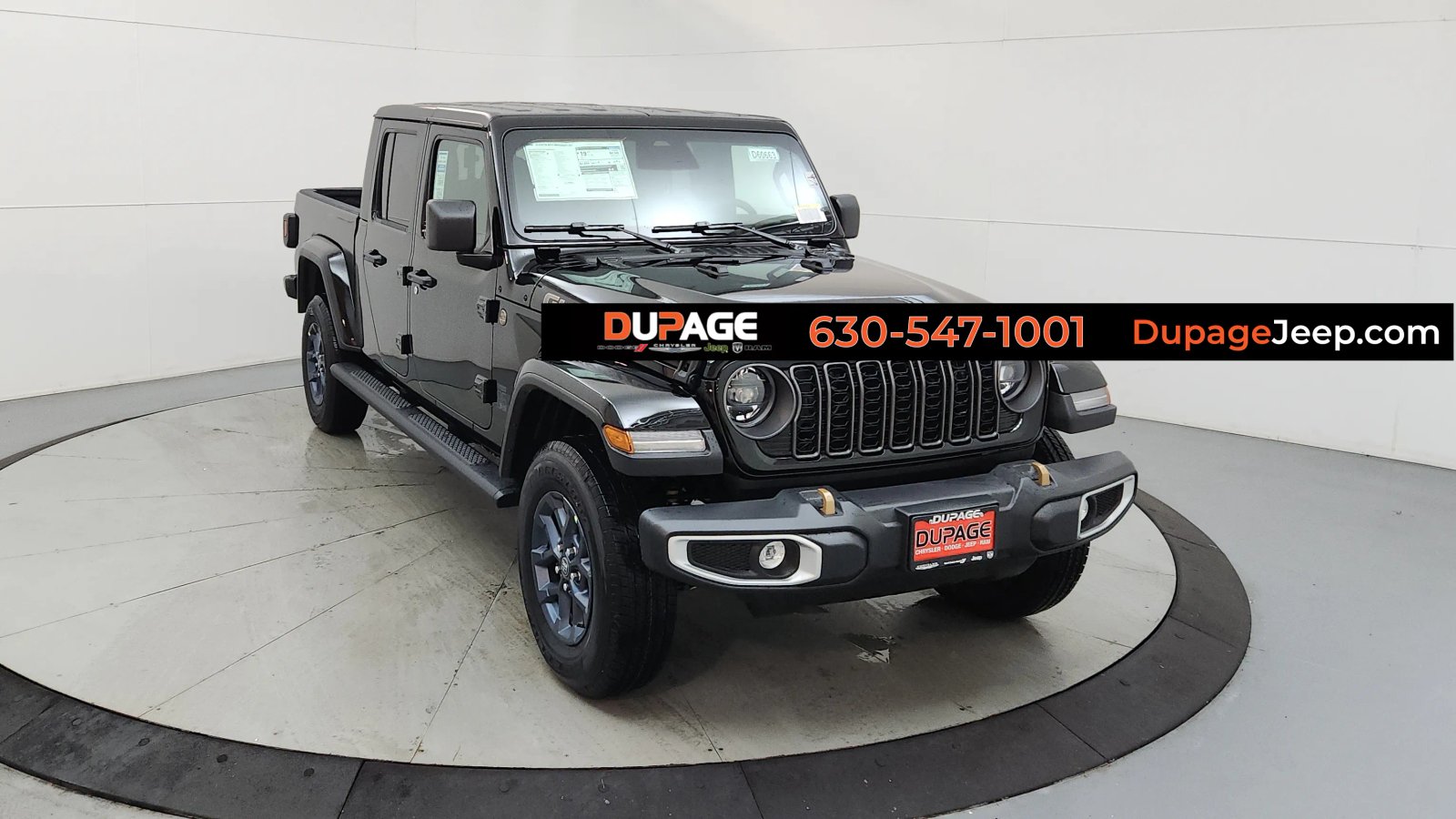
| 1987–2009 | Chrysler | Wrangler, Grand Cherokee |
Impact Of The Chrysler-jeep Deal
Changes In Jeep’s Direction
After joining Chrysler, Jeep benefited from:
- Better funding for research and development.
- Access to Chrysler’s larger dealer network.
- More marketing and advertising support.
Chrysler launched new models like the Jeep Grand Cherokee (1992), which became a best-seller. The company invested in advertising campaigns that showed Jeep’s strength and reliability, helping the brand reach a wider audience.
Chrysler also improved manufacturing processes, making Jeeps more consistent in quality. Jeep dealerships appeared in more cities, making it easier for customers to see, test, and buy new models.
Market Results
Jeep’s sales grew quickly. By the mid-1990s, Jeep was selling over 400,000 vehicles per year. The brand’s reputation for quality and durability improved under Chrysler’s management.
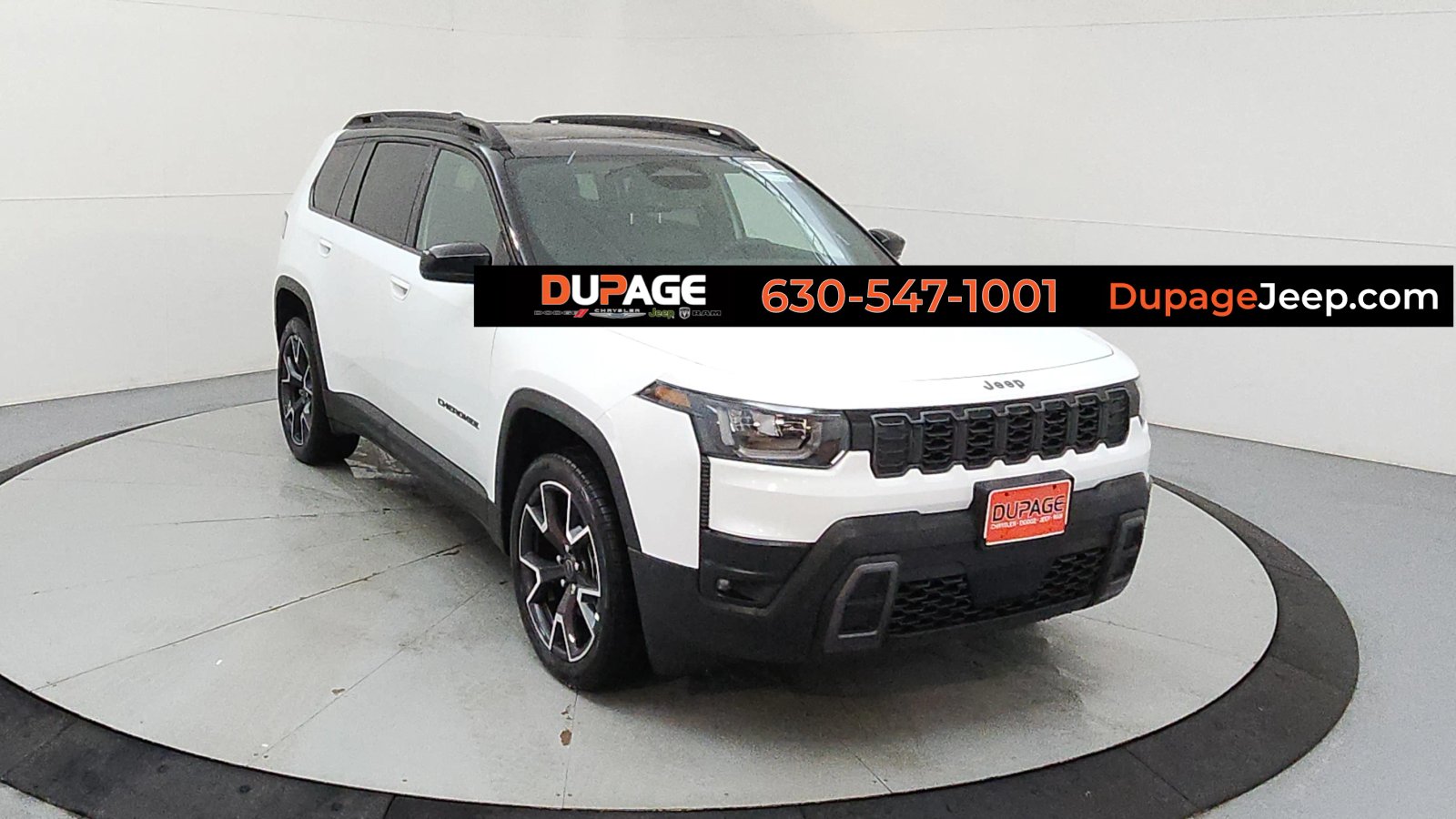
The Grand Cherokee, launched in 1992, stood out as a versatile SUV—comfortable enough for daily use, but tough enough for off-road adventures.
Jeep also introduced new safety features, like airbags and advanced braking systems, which appealed to families and safety-conscious buyers.
Chrysler’s marketing was creative. For example, the launch of the Grand Cherokee included a dramatic event where the SUV crashed through a glass window at the Detroit Auto Show to demonstrate its toughness.
This bold move captured media attention and boosted sales.
Long-term Effects
The sale helped Jeep become a global brand. Chrysler kept Jeep’s identity strong, even as they introduced new designs.
This balance made Jeep one of the most recognized automotive names worldwide.
Jeep vehicles began appearing in Europe and Asia, attracting new customers who wanted reliable 4x4s.
The brand’s logo and seven-slot grille became symbols of adventure and freedom, recognized around the world.
Jeep continued to innovate, developing models that balanced luxury and ruggedness. The Grand Cherokee, for example, became a benchmark for other SUVs, offering both comfort and off-road capability.
Chrysler’s resources allowed Jeep to invest in new technology, such as improved suspension systems and more fuel-efficient engines.
| Year | Jeep Sales (USA) | Major Model Launches |
|---|---|---|
| 1987 | 180,000 | Wrangler (YJ) |
| 1992 | 380,000 | Grand Cherokee |
| 1995 | 420,000 | Cherokee (XJ) |
Non-obvious Insights About The Sale
- AMC’s Renault Partnership: Before the sale, AMC had a partnership with Renault. This made Chrysler’s takeover more complex because they had to buy out Renault’s stake. Many beginners overlook this detail, but it influenced the deal’s timing and price. Renault’s involvement meant Jeep had access to some European technology and ideas, which Chrysler inherited as well.
- Jeep’s Engineering Influence: Jeep’s unique engineering, especially the Cherokee’s UniFrame design, helped Chrysler improve its own SUVs. This technology transfer played a big role in Chrysler’s future models. For instance, Chrysler later used similar frame designs in other vehicles, making them safer and lighter.
Another hidden insight is how the sale allowed Jeep to keep its rugged image, even while adding more luxury features. Chrysler understood that Jeep’s loyal customers valued toughness, so they kept the brand’s focus on off-road ability, even as they modernized the interiors and technology.
Comparing Chrysler’s Acquisition Strategy
Chrysler’s purchase of Jeep was part of a larger trend. In the 1980s, US car companies often bought smaller brands to expand.
| Company | Acquisition Year | Brand Acquired |
|---|---|---|
| Chrysler | 1987 | AMC (Jeep) |
| Ford | 1989 | Jaguar |
| GM | 1990 | Saab |
Chrysler’s focus on Jeep proved more successful than some rivals’ acquisitions, thanks to Jeep’s strong market position. While Ford struggled with Jaguar and GM had challenges with Saab, Chrysler’s investment paid off quickly.
Jeep’s sales continued to rise, and the brand kept its loyal customer base.
Chrysler’s careful handling of Jeep’s legacy, maintaining its rugged features and adventurous spirit, was a key factor that many other companies missed when acquiring brands.
What Happened Next?
Jeep continued to thrive under Chrysler. In 1998, Chrysler merged with Daimler-Benz, forming DaimlerChrysler. Later, Chrysler went through more changes, including a merger with Fiat in 2009. Despite these shifts, Jeep remained a core brand, growing stronger each time.
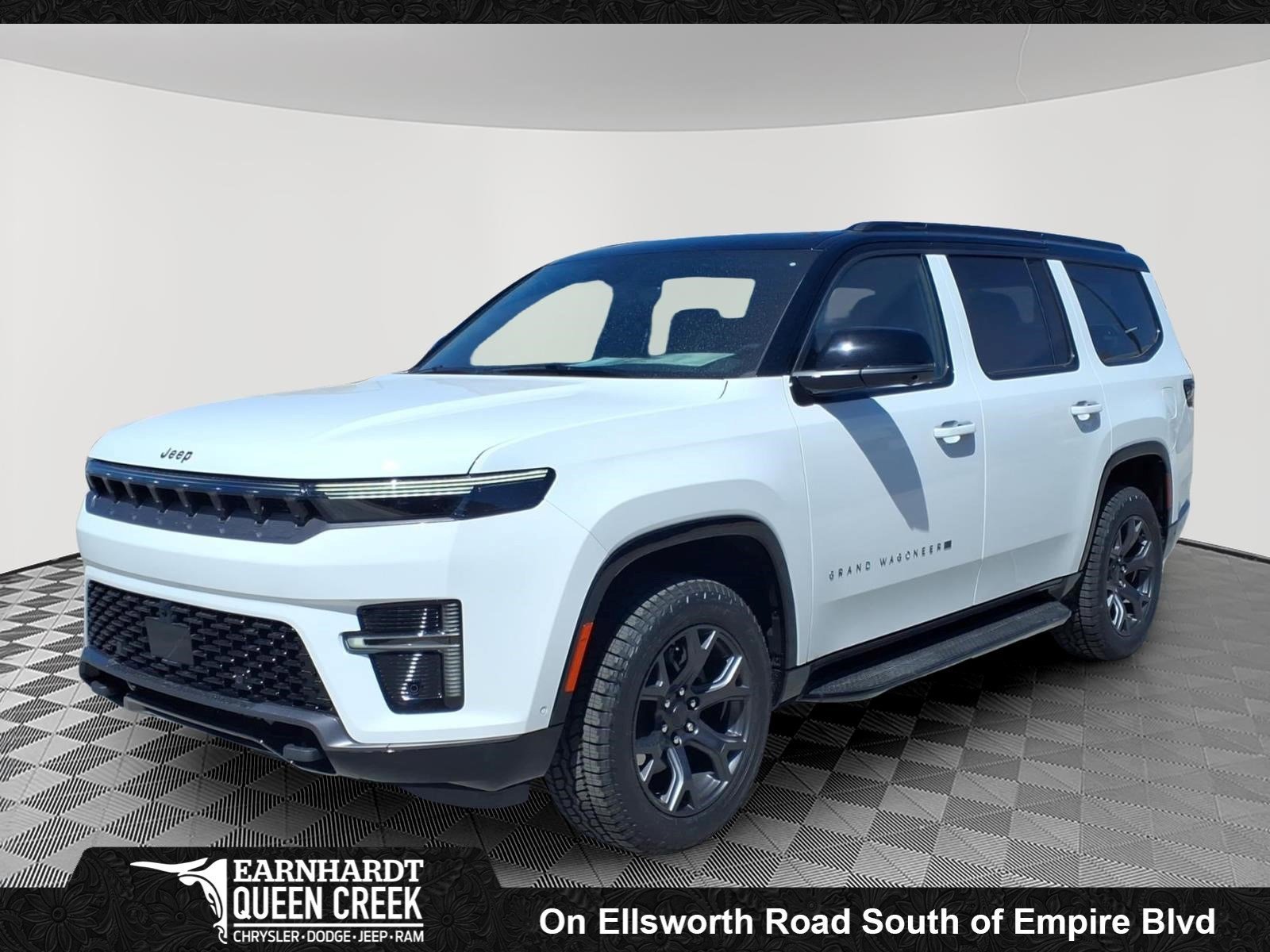
Today, Jeep is part of Stellantis, a global automotive company formed in 2021. The brand still makes popular models like the Wrangler and Grand Cherokee, staying true to its roots.
Jeep also added new models, such as the Compass and Renegade, which appeal to a younger audience and people living in cities. These vehicles offer better fuel efficiency and modern features, showing that Jeep can adapt while keeping its original spirit.
Jeep’s ability to survive and grow through multiple ownership changes is rare in the car industry. Its global presence is now bigger than ever, with factories and dealers in many countries.
The brand’s focus on adventure and reliability continues to attract new generations of drivers.
Frequently Asked Questions
When Did Jeep Officially Become Part Of Chrysler?
Jeep became part of Chrysler in 1987, when Chrysler bought AMC. The deal was completed in August that year.
What Was The Main Reason Chrysler Bought Jeep?
Chrysler wanted Jeep for its strong brand, loyal customers, and growing SUV market. Jeep was AMC’s most valuable asset.
How Much Did Chrysler Pay For AMC And Jeep?
The deal was valued at $1.5 billion. Chrysler bought all of AMC, including Jeep and its technology.
Did Jeep Change After Joining Chrysler?
Yes. Jeep got more funding, better marketing, and expanded its model lineup. The Grand Cherokee was a major new model under Chrysler. Jeep also improved its quality and safety, adding features that made its vehicles more competitive.
Is Jeep Still Owned By Chrysler Today?
No. Chrysler is now part of Stellantis. Jeep is owned by Stellantis but keeps its unique brand identity.
Jeep’s sale to Chrysler was a turning point. The deal helped Jeep grow into a global icon and secured its place in automotive history. If you want to learn more about Jeep’s journey and other automotive mergers, you can check out this Wikipedia article for a deeper look.