The Jeep Cherokee is more than just a vehicle; it’s a name that has become deeply connected with adventure, ruggedness, and American car history.
Many people recognize the Cherokee for its unique design and off-road ability.
But when did the Jeep Cherokee actually come out, and how has it changed over the years? Let’s dive into the origins, evolution, and key moments that have shaped this iconic SUV.
The Birth Of The Jeep Cherokee
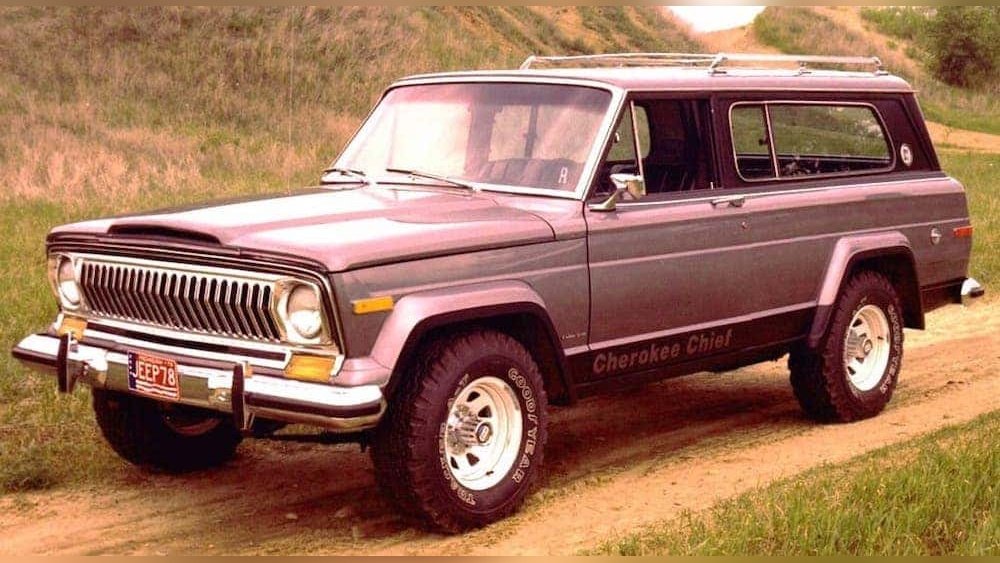
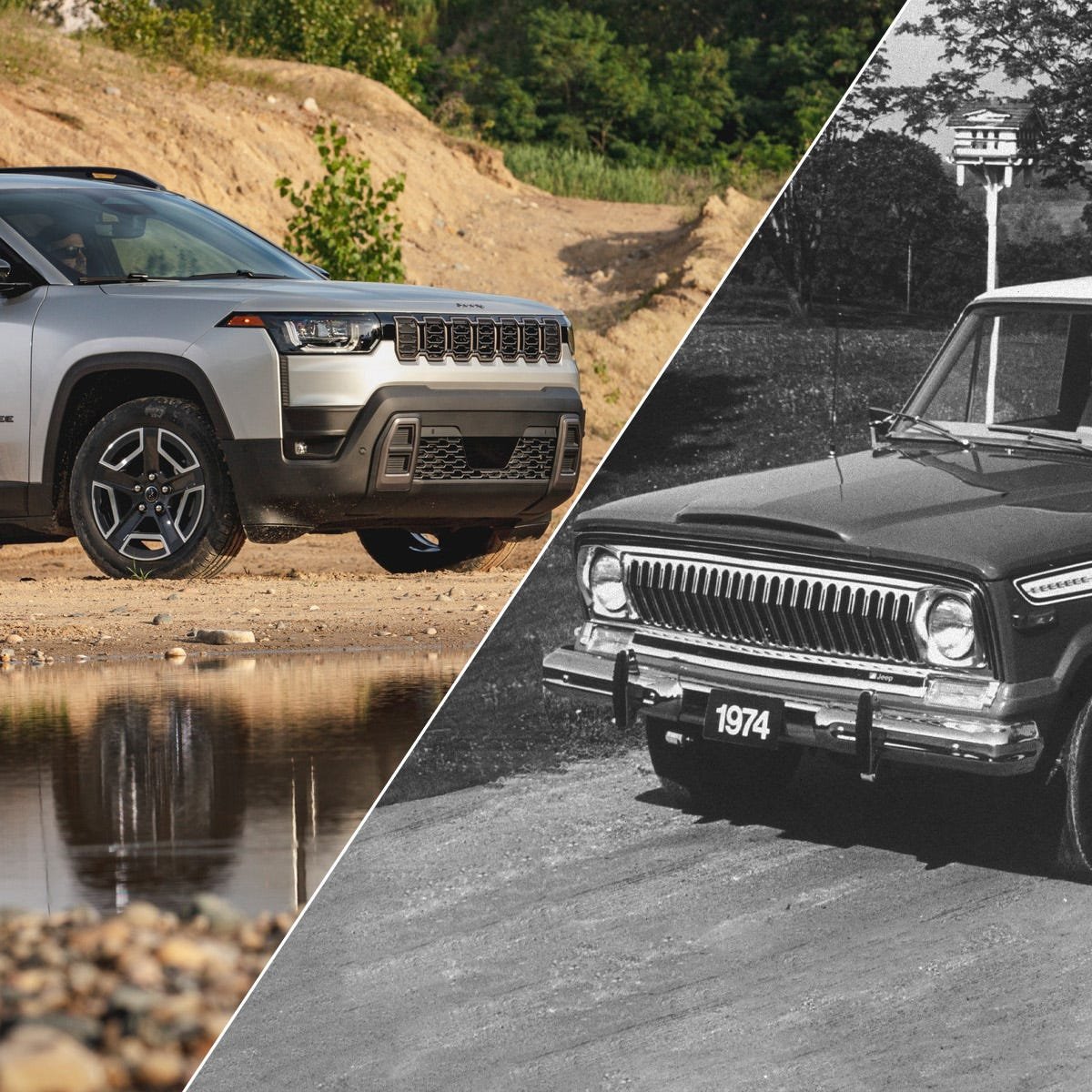
The Jeep Cherokee first appeared in 1974. Back then, American Motors Corporation (AMC) was searching for a vehicle that could blend the toughness of the original Jeep with more comfort for everyday use.
The Cherokee was introduced as a two-door version of the Jeep Wagoneer, targeting a younger audience who wanted both style and function.
Unlike many SUVs at the time, the Cherokee was designed to be sporty and practical. It offered more space than a typical car, and its four-wheel drive made it suitable for all kinds of terrain.
This combination made it stand out among early sport utility vehicles.
Key Generations Of The Jeep Cherokee
The Cherokee’s story is not just about its debut; it’s about how each generation brought something new.
First Generation (SJ): 1974–1983
The first Cherokee (SJ) was basically a sportier Wagoneer. It came with powerful engines like the AMC inline-six and V8.
These early models were tough, but also quite large and heavy. While popular with outdoor lovers, they were not as fuel-efficient as later versions.
Second Generation (XJ): 1984–2001
In 1984, Jeep launched the Cherokee XJ, a game-changer in the SUV world. This model was smaller, lighter, and introduced a unibody construction instead of the old body-on-frame.
The XJ was more agile, easier to drive, and still very capable off-road. It quickly became a favorite among families, adventurers, and even police departments.
The XJ’s design influenced many future SUVs. It’s considered by experts to be one of the first modern SUVs. Production continued for nearly two decades, showing just how popular and reliable it was.
Third Generation (KJ): 2002–2007
In 2002, Jeep decided to modernize the Cherokee for the US market and renamed it Jeep Liberty. However, the Cherokee name continued in many other countries.
The KJ model added more comfort, rounded styling, and new technology. It was less boxy than before, but still offered good off-road performance.
Fourth Generation (kk): 2008–2012
This generation, still called Liberty in the US, was slightly larger and more refined. It included features like electronic stability control and optional sunroofs.
The ruggedness was still there, but some fans felt it was moving closer to a regular crossover.
Fifth Generation (KL): 2014–2023
The Cherokee name returned to the US market in 2014 with the KL. It was now a midsize crossover SUV with front-wheel drive as standard, though four-wheel drive was still available.
The KL focused on comfort, technology, and fuel economy.
This made it popular with urban drivers, but it kept enough off-road ability to satisfy Jeep fans.

Important Milestones And Innovations
The Cherokee has been part of many firsts in the auto world:
- Unibody construction: The 1984 XJ was one of the first SUVs with a unibody, making it lighter and stronger.
- Quadra-Link suspension: Improved ride and handling for both on-road and off-road use.
- Trailhawk trim: The KL introduced a Trailhawk version, aimed at serious off-roaders.
- Diesel engine options: In some markets, the Cherokee was available with fuel-efficient diesel engines.
Here’s a quick look at the main generations and their production years:
| Generation | Years Produced | Notable Features |
|---|---|---|
| SJ | 1974–1983 | Full-size, body-on-frame, V8 engines |
| XJ | 1984–2001 | Unibody, compact size, off-road ready |
| KJ | 2002–2007 | Modern styling, improved comfort |
| KK | 2008–2012 | Larger, advanced safety features |
| KL | 2014–2023 | Crossover design, Trailhawk model |
The Cherokee’s Influence On The SUV Market
The Jeep Cherokee didn’t just create a new style of SUV—it influenced many other brands. The XJ’s unibody design is now used in almost every modern crossover.
Compact SUVs became more popular after the Cherokee’s success, and other car makers started to copy Jeep’s approach.
Here’s how the Cherokee compared to other popular SUVs in its early days:
| Model | Year Introduced | Main Advantage |
|---|---|---|
| Jeep Cherokee XJ | 1984 | Lightweight, versatile |
| Ford Explorer | 1990 | Family-friendly, larger size |
| Toyota 4Runner | 1984 | Reliable, strong off-road |
| Chevrolet Blazer | 1983 | Strong engines, roomy |
Why People Still Love The Jeep Cherokee
The Cherokee’s appeal is about more than just looks or history. Owners appreciate:
- Capability: Whether in the city or off-road, the Cherokee handles it well.
- Comfort: Later generations offer modern features and smooth rides.
- Heritage: Driving a Cherokee means being part of a long Jeep tradition.
- Value: Used Cherokees are often affordable, with strong reliability records.
One insight many miss: The Cherokee’s success helped shape the whole SUV market, making family SUVs more common worldwide. Also, the Cherokee kept its rugged spirit even as it became more modern, balancing old-school toughness with new comfort.
The End Of Production And What’s Next
By 2023, Jeep announced that the Cherokee would stop production, at least for now. Changing markets and a focus on newer models like the Jeep Compass and Grand Cherokee led to this decision.
However, Jeep has not ruled out bringing back the Cherokee name in the future, possibly as an electric or hybrid SUV.

Frequently Asked Questions
When Did The First Jeep Cherokee Come Out?
The first Jeep Cherokee was released in 1974 by American Motors Corporation as a sportier version of the Wagoneer.
Why Was The 1984 Cherokee Xj Important?
The Cherokee XJ was one of the first SUVs to use unibody construction, making it lighter and more efficient. This design shaped future SUVs.
Is The Jeep Cherokee Still Being Made?
As of 2023, Jeep paused production of the Cherokee. It may return in a new form, but the current model has ended.
What Is The Difference Between Cherokee And Grand Cherokee?
The Grand Cherokee is larger, more luxurious, and designed for comfort. The Cherokee is smaller, more affordable, and aimed at both urban and off-road use.
Where Can I Learn More About Jeep History?
You can find more detailed information on the official Wikipedia page for Jeep Cherokee.
The Jeep Cherokee stands as a true legend in the SUV world. From its 1974 debut to its influence on today’s cars, it has always been a symbol of freedom, adventure, and innovation. Whether or not it returns, its legacy is secure on roads and trails everywhere.