The Jeep Grand Cherokee SRT is a name that evokes power, speed, and a certain kind of American muscle. It’s not just another SUV; it’s a performance machine built on a capable platform, designed to thrill drivers who demand more than just utility.
When it comes to enhancing this already potent vehicle, the wheels are one of the most impactful upgrades you can make. They don't just change the look; they can significantly affect performance, handling, and even fuel efficiency.
Choosing the right wheels for your Grand Cherokee SRT is a decision that requires careful consideration. It’s about balancing aesthetics with function. Are you looking for a subtle enhancement or a complete transformation? Do you prioritize track-day performance or comfortable daily driving? The original SRT wheels set a high bar, but the aftermarket offers a universe of options, each with its own set of pros and cons. This guide will explore the world of wheels for the Jeep Grand Cherokee SRT, covering everything from understanding the specifications to choosing the best materials and styles for your needs. We’ll look at how different wheel choices can impact your SRT’s already impressive capabilities and what to watch out for when making your selection.
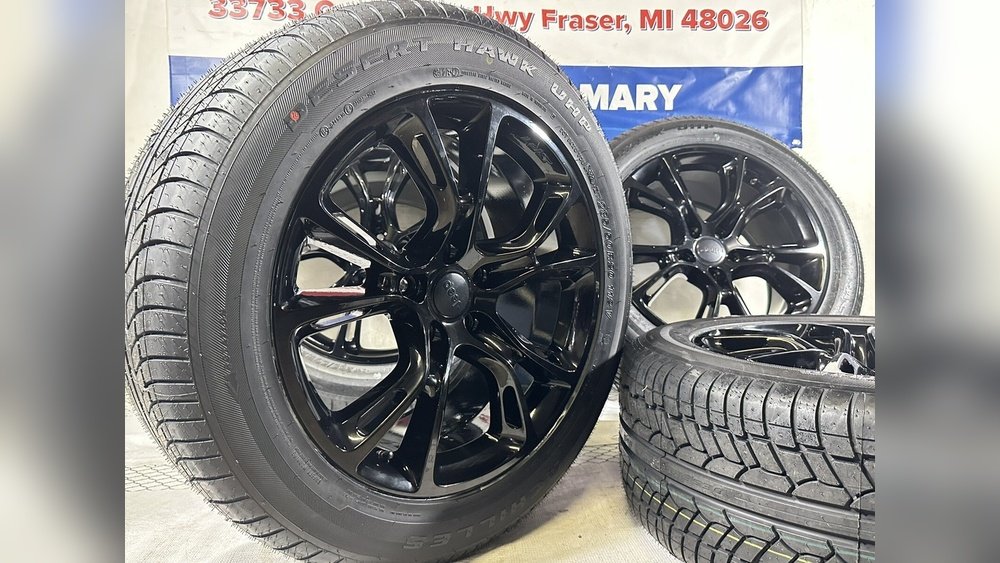
Understanding Jeep Grand Cherokee Srt Wheel Specifications
Before diving into the exciting world of aftermarket options, it’s crucial to understand the basics of wheel specifications. These numbers and codes dictate how a wheel fits your SRT and interacts with its suspension and braking systems.
Getting these right is paramount for safety and optimal performance.
Bolt Pattern (pcd)
The bolt pattern, also known as Pitch Circle Diameter (PCD), refers to the number of lug holes and the diameter of the circle on which they are arranged. For most modern Jeep Grand Cherokees, including the SRT models, the common bolt pattern is 5×5 inches (or 5x127mm). This means there are five lug holes spaced evenly around a 127mm diameter circle. It’s vital to match this pattern precisely. Using wheels with an incorrect bolt pattern is impossible and extremely dangerous.
Offset
Wheel offset is the distance from the hub mounting surface to the centerline of the wheel. It can be positive, negative, or zero.
- Positive offset: The hub surface is closer to the wheel’s outer face. Most front-wheel-drive cars use positive offsets.
- Negative offset: The hub surface is closer to the wheel’s inner face. Many rear-wheel-drive trucks and SUVs use negative offsets.
- Zero offset: The hub surface is exactly at the centerline of the wheel.
The stock Grand Cherokee SRT typically has a positive offset in the range of +50mm to +55mm. Aftermarket wheels with a lower positive offset or even a slight negative offset can push the wheel further out from the fender. This can improve stance and allow for larger brake calipers, but it can also increase stress on wheel bearings and suspension components if not chosen carefully. A common target for SRT owners looking for a more aggressive stance might be an offset around +35mm to +45mm.
Center Bore
The center bore is the hole in the middle of the wheel that sits over the vehicle’s hub. The SRT Grand Cherokee has a specific center bore size, typically 71.5mm. Wheels designed for your SRT should either match this size or have a larger center bore that can be fitted with hub-centric rings. These rings ensure the wheel is perfectly centered on the hub, reducing vibration and stress on the lug nuts.
Wheel Diameter And Width
The SRT Grand Cherokee came from the factory with various wheel sizes, but performance models often featured 20-inch wheels. Aftermarket options can range from 18 inches up to 22 inches or even larger.
- Diameter: Larger diameter wheels generally look more aggressive and can accommodate larger brake rotors. However, they often mean lower-profile tires, which can lead to a harsher ride and increased risk of wheel damage from potholes. Smaller diameter wheels might be lighter and offer more tire sidewall for comfort and off-road capability (though off-roading is not the SRT’s primary focus).
- Width: Wheel width is measured in inches. A wider wheel allows for a wider tire, which can improve grip and cornering stability. However, it also increases rolling resistance and can affect fuel economy. The stock SRT wheels are typically around 9 to 10 inches wide. Aftermarket choices often range from 8.5 inches to 10.5 inches or more.
Backspacing
Backspacing is another measurement related to fitment. It's the distance from the inside edge of the wheel (the part that mounts to the hub) to the outer lip of the wheel.
It's closely related to offset. A change in offset will affect backspacing, and vice versa.
Understanding how backspacing affects clearance to suspension components (like control arms and brake calipers) is crucial, especially when fitting wider or larger diameter wheels.
Materials And Construction: Forging Vs. Casting
The material and construction method of a wheel significantly impact its weight, strength, durability, and cost. For a performance vehicle like the Grand Cherokee SRT, these factors are especially important.
Cast Wheels
Cast wheels are the most common type. They are made by pouring molten aluminum (or sometimes alloy) into a mold.
- Gravity Die Casting: A simpler and cheaper method where gravity fills the mold. These wheels are generally heavier and less strong than other types.
- Low-Pressure Die Casting (LPDC): Molten metal is injected into the mold under low pressure. This results in a denser, stronger, and lighter wheel compared to gravity casting. Many OEM and aftermarket wheels use this method.
- Sand Casting: Uses a sand mold. This is less common for performance wheels due to lower precision and strength.
Pros:
- More affordable.
- Wide variety of designs available.
Cons:
- Generally heavier than forged wheels.
- Can be less durable under extreme stress.
Forged Wheels
Forged wheels are made by compressing a solid block of aluminum alloy under extremely high pressure. This process aligns the metal’s grain structure, making the wheel incredibly strong and lightweight.
Pros:
- Significantly lighter than cast wheels, which improves acceleration, braking, and handling (reduced unsprung weight).
- Much stronger and more durable, better able to withstand impacts and high stresses.
- Can be manufactured with tighter tolerances, allowing for more precise fitment and complex designs.
Cons:
- Considerably more expensive.
- Limited design options compared to cast wheels, as the forging process restricts intricate details.
Rotary Forged (flow Formed) Wheels
This is a hybrid method that offers a good balance of strength, weight, and cost. The wheel is cast initially, then placed on a special machine that spins it at high speed while rollers apply pressure to the barrel.
This stretches and compresses the metal, aligning the grain structure similar to forging.
Pros:
- Lighter and stronger than standard cast wheels.
- More affordable than fully forged wheels.
- Good performance benefits.
Cons:
- Not as strong or light as fully forged wheels.
- Design limitations still exist compared to casting.
For a Grand Cherokee SRT owner looking to maximize performance, forged or rotary forged wheels are the ideal choice. The reduction in unsprung weight is crucial for improving the vehicle’s responsiveness.
Popular Wheel Styles For The Grand Cherokee Srt
The aesthetic appeal of wheels is subjective, but certain styles complement the aggressive nature of the SRT Grand Cherokee. The choice often comes down to personal preference and the overall theme you want for your vehicle.
Multi-spoke Designs
These wheels feature numerous thin spokes, often ranging from 7 to 12 or more. They can create a sophisticated and high-performance look.
- Pros: Elegant, can make the brakes look larger, often available in lightweight forged options.
- Cons: Can be more difficult to clean, thin spokes might be perceived as less robust by some.
- Example: Wheels with 10 or 12 spokes in a brushed or polished finish.
Five-spoke Designs
A classic and timeless choice. Simple, strong, and visually appealing.
- Pros: Bold, easy to clean, conveys strength.
- Cons: Can sometimes look too plain depending on the specific design.
- Example: A clean, chunky five-spoke design that emphasizes the wheel’s strength.
Mesh Designs
Characterized by intricate patterns of interconnected spokes, creating a web-like appearance.
- Pros: Unique, can add a touch of luxury or sportiness.
- Cons: Can be very difficult to clean, intricate patterns might hide brake details.
- Example: Wheels with a fine mesh pattern, often seen on European performance cars.
Concave Designs
These wheels feature spokes that curve inwards towards the center, creating a deep, aggressive look.
- Pros: Very sporty and modern appearance, accentuates the vehicle’s width.
- Cons: Concavity is limited by brake caliper clearance.
- Example: Wheels with a deep concave profile, especially on the rear wheels of a staggered setup (though staggered setups are less common on AWD SRTs).
Stance And Fitment Considerations
When choosing a style, also consider how it will sit in the fender well. A flush fitment (where the outer edge of the wheel is in line with the fender) often looks best on performance SUVs. This might require wheels with a lower offset than stock. However, ensure you maintain adequate fender clearance, especially when the suspension compresses or during hard cornering.
Performance Benefits Of Upgraded Wheels
Beyond looks, upgrading your Grand Cherokee SRT’s wheels can yield significant performance improvements. The key is reducing unsprung weight, the weight of components not supported by the suspension, such as wheels, tires, brakes, and hubs.
Reduced Unsprung Weight
Every pound removed from unsprung weight has a disproportionately positive effect on the vehicle’s dynamics.
- Improved Acceleration and Braking: Less mass to rotate means the engine and brakes work less to speed up or slow down the wheels.
- Enhanced Handling and Ride Comfort: The suspension can react more quickly to road imperfections, leading to better grip and a smoother ride. The wheels can follow the road contour more effectively.
- Better Fuel Economy: Lighter wheels require less energy to spin, potentially leading to small improvements in MPG.
A common goal for SRT owners is to reduce the weight of the factory 20-inch wheels, which can weigh around 30-35 lbs each. Lightweight forged or flow-formed wheels can often bring this down to 20-25 lbs per wheel, a significant saving.
Tire Contact Patch And Grip
Wider wheels allow for wider tires. A wider tire contact patch can translate to increased grip, especially during cornering and hard acceleration. This is crucial for harnessing the SRT’s considerable horsepower. However, excessively wide tires can also increase rolling resistance, negatively impacting fuel economy and potentially making the steering feel heavier.
Brake Clearance
Performance SUVs like the SRT Grand Cherokee come equipped with substantial brake systems. Upgraded wheels must have enough clearance for the brake calipers and rotors. This is particularly important if you plan to upgrade your brakes in the future. Forged wheels, due to their manufacturing process, often allow for more intricate spoke designs that can maximize brake visibility and clearance. Always check the manufacturer’s specifications for brake caliper clearance before purchasing.
Original Factory Srt Wheels: A Baseline
The original wheels fitted to the Jeep Grand Cherokee SRT models are designed to balance performance, durability, and aesthetics. Understanding their specifications provides a benchmark for aftermarket choices.
The SRT Grand Cherokee models, depending on the year, typically came with 20-inch wheels. For instance, the 2014-2020 Grand Cherokee SRT models often featured a 20×10 inch wheel with a positive offset typically around +50mm. The bolt pattern is the standard Jeep 5×5 inches (5x127mm), and the center bore is 71.5mm.
These factory wheels are usually cast aluminum, designed to be robust enough for daily driving and occasional spirited use. They offer a good balance of weight and strength, but they are heavier than high-performance aftermarket options.
Example Factory Wheel Specs:
- Size: 20 inches diameter, 10 inches width
- Bolt Pattern: 5×5 inches (5x127mm)
- Offset: Approximately +50mm
- Center Bore: 71.5mm
- Material: Cast Aluminum
While these wheels are perfectly adequate for most owners, enthusiasts seeking maximum performance benefits, a more aggressive stance, or a unique aesthetic will often look to the aftermarket.
Top Aftermarket Wheel Brands For Jeep Grand Cherokee Srt
The aftermarket wheel industry offers a vast array of choices. Here are some reputable brands known for producing high-quality wheels suitable for the Jeep Grand Cherokee SRT, focusing on performance, durability, and style.
Hre Performance Wheels
HRE is a premium brand renowned for its forged wheels. They offer custom-made wheels that are incredibly lightweight and strong, perfect for maximizing the SRT’s performance potential. Their designs range from classic five-spokes to modern multi-spoke configurations, all built to exact specifications.
- Key Features: Forged construction, custom fitment, extensive design options, high price point.
- Suitability: For owners prioritizing the absolute best in performance and weight reduction.
Vossen Wheels
Vossen offers a wide range of cast and forged wheels, with a strong emphasis on modern styling and quality. They have popular lines like the HF Series (Hybrid Forged) which offers a blend of forged strength and cast wheel design flexibility at a more accessible price point than fully forged options.
- Key Features: Hybrid Forged and Forged options, stylish designs, good range of finishes, competitive pricing for their quality tier.
- Suitability: Excellent choice for those wanting a significant visual upgrade with performance benefits.
Adv.1 Wheels
ADV.1 is another top-tier manufacturer specializing in forged wheels. They are known for their aggressive designs, deep concavity, and custom-built approach. Their wheels are engineered for high-performance vehicles and offer significant weight savings.
- Key Features: Forged construction, aggressive styling, custom builds, high-end performance.
- Suitability: Ideal for SRT owners looking for a bold, track-inspired look and top-tier performance.
Forgestar Wheels
Forgestar offers rotary forged (flow-formed) wheels, providing a compelling balance between the performance benefits of forged wheels and the affordability of cast wheels. Their wheels are lighter and stronger than typical cast wheels.
- Key Features: Rotary forged construction, good weight savings, a variety of designs and finishes, more affordable than fully forged