The Jeep Wrangler is one of the most recognizable vehicles in the world. Its rugged design, open-air driving, and strong off-road ability attract both adventure lovers and everyday drivers.
But when did this famous vehicle first hit the market? The history behind the Jeep Wrangler is full of changes, milestones, and interesting facts.
Understanding its origins helps us see how it became a symbol of freedom and durability.
The Birth Of The Jeep Wrangler
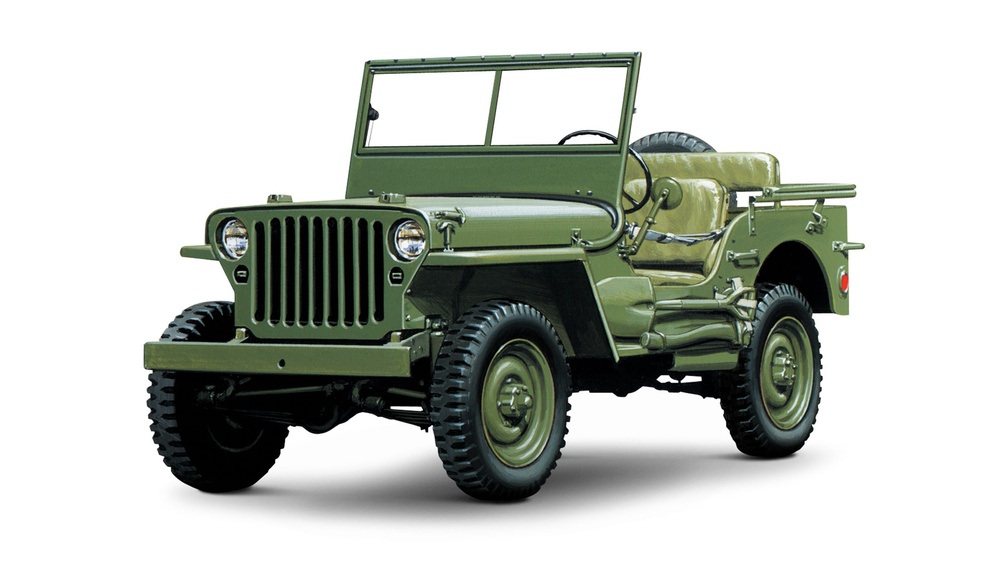
The first Jeep Wrangler was introduced in 1986 for the 1987 model year. This launch marked a new chapter for Jeep, moving away from the older CJ series. The Wrangler carried forward the spirit of the original World War II Jeep, but with important updates for safety, comfort, and performance. Jeep wanted to create a vehicle that could handle tough terrain but also appeal to people who wanted a more civilized ride.
Why 1986 Was Important
Before the Wrangler, the Jeep CJ series had been on roads since the 1940s. By the mid-1980s, tighter safety rules made it harder for the CJ to continue. Jeep engineers responded by designing the Wrangler. The new model had wider tracks, stronger frames, and better suspension. It also featured rectangular headlights, a change that helped it stand out from its predecessor.
Key Features Of The First Jeep Wrangler
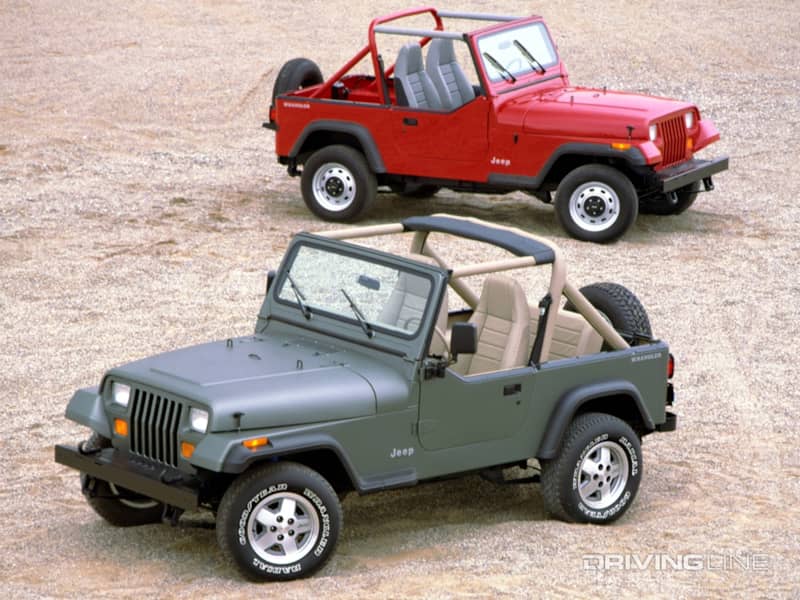
The 1987 Jeep Wrangler, known as the YJ, brought several new features and improvements. Here are some of the most important details:
- Rectangular headlights: A major change from the round CJ headlights.
- Leaf spring suspension: Improved on-road comfort while keeping off-road strength.
- Removable doors and roof: Allowed for open-air driving.
- 2.5-liter and 4.2-liter engines: Offered more power choices.
- Safety upgrades: Such as roll bars and improved seat belts.
These updates made the Wrangler safer and more comfortable, without losing its tough reputation.
Comparing The Jeep Cj And First Wrangler
To better understand how the Wrangler changed things, let’s look at a simple comparison.
| Feature | Jeep CJ-7 (1986) | Jeep Wrangler YJ (1987) |
|---|---|---|
| Headlights | Round | Rectangular |
| Suspension | Leaf spring | Leaf spring (improved) |
| Safety | Basic roll bar | Full roll cage |
| Comfort | Minimal | Better seats, improved ride |
This table shows how the Wrangler kept the Jeep tradition but added new features for modern needs.
Wrangler Generations: Evolution And Changes
Since its debut in 1986, the Jeep Wrangler has seen several generations, each offering new improvements. Here’s a quick overview:
| Generation | Production Years | Main Changes |
|---|---|---|
| YJ | 1987–1995 | Rectangular headlights, improved ride |
| TJ | 1997–2006 | Round headlights return, coil spring suspension |
| JK | 2007–2017 | Four-door option, more comfort features |
| JL | 2018–present | Modern tech, better fuel efficiency |
Each generation brought changes, but the original spirit stayed the same.
Sales And Popularity Data
When the first Wrangler launched, Jeep saw strong sales. Around 200,000 units were sold in its first five years. Today, Jeep sells over 200,000 Wranglers every year in the United States alone. The Wrangler’s popularity comes from its unique mix of off-road ability and urban appeal.
Wrangler In The Modern Market
The Wrangler is not just an American icon. It is sold worldwide and has become a favorite for people who enjoy adventure, travel, and outdoor activities.
In 2021, Jeep Wrangler reached its highest annual sales in the US, with over 204,000 units sold.
Its strong resale value and loyal fan base make it a smart choice for buyers.
Non-obvious Insights About The First Wrangler
- Most early Wranglers were used as daily drivers. Unlike the CJ, which was often a second vehicle or used off-road, the YJ became a common sight in cities and suburbs.
- The switch to rectangular headlights was controversial. Many Jeep fans did not like the change, but it helped Jeep attract new buyers who wanted a modern look.
- Wrangler’s frame was stronger than the CJ’s. This made it safer and better for both on-road and off-road driving.
- The first Wrangler had more comfort features. These included better seats, easier-to-use tops, and improved controls.

Real-world Example: Wrangler’s Role In Outdoor Life
The Jeep Wrangler is often seen in national parks, camping areas, and adventure trips. It is used by search and rescue teams, park rangers, and outdoor guides because of its ability to handle tough terrain.
Its open design and four-wheel drive make it perfect for mountain trails, deserts, and snowy roads.
Wrangler’s Impact On Car Culture
The Wrangler has shaped American car culture. It is a favorite for customization, with thousands of accessories available.
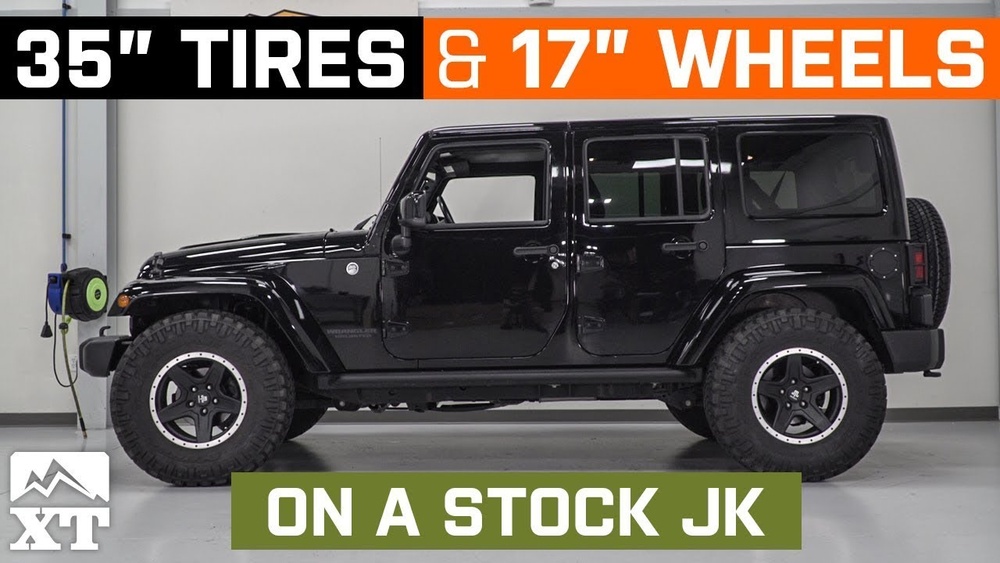
Owners often lift the suspension, add bigger tires, or install light bars. The Wrangler’s strong community includes clubs, events, and meetups.
It is not just a car it’s a lifestyle.

Frequently Asked Questions
When Was The First Jeep Wrangler Made?
The first Jeep Wrangler was made in 1986 for the 1987 model year.
What Engine Options Were Available In The First Wrangler?
You could choose between a 2.5-liter four-cylinder and a 4.2-liter six-cylinder engine in the 1987 Wrangler YJ.
How Was The Wrangler Different From The Cj Series?
The Wrangler had a stronger frame, rectangular headlights, improved safety features, and better comfort compared to the CJ.
Is The Wrangler Still Made Today?
Yes, the Jeep Wrangler is still produced, now in its fourth generation (JL), with modern features and technology.
Where Can I Learn More About Jeep History?
You can find detailed information about Jeep and Wrangler history at Wikipedia.
The Jeep Wrangler’s story started in 1986, but its influence continues to grow. Its mix of history, performance, and style makes it a vehicle that stands out on any road or trail.
Whether you’re a car fan or just curious, knowing when and how the Wrangler began helps you appreciate why it’s so important in the world of automobiles.