The Jeep Gladiator is a name that sparks excitement in truck and off-road fans. This rugged vehicle blends the adventure spirit of Jeep with the practicality of a pickup truck. But when did the first Jeep Gladiator actually appear? Understanding its history gives you a deeper appreciation for the model and its place in automotive culture. Let’s take a closer look at the origins, evolution, and key facts about the first Jeep Gladiator.
The First Jeep Gladiator: Year Of Introduction
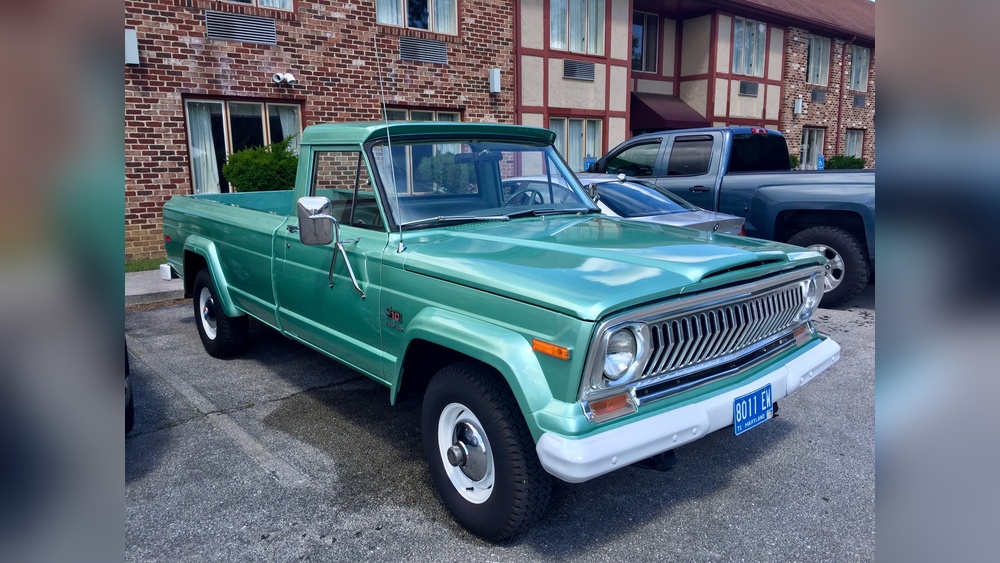
The first Jeep Gladiator was introduced in 1962 for the 1963 model year. This was a time when the American car market was changing. People wanted vehicles that could handle tough jobs and rough terrain but still be comfortable for daily use. Jeep, already famous for its military vehicles, saw an opportunity to create a pickup truck that mixed utility with adventure.
The new Gladiator was built on the Jeep Wagoneer’s platform, which gave it both durability and a smoother ride than many trucks of its time. The original Gladiator carried the model code “SJ” and was produced by Kaiser Jeep Corporation (before Jeep became part of AMC, and later, Chrysler).
Design And Features Of The 1963 Jeep Gladiator
The first Gladiator was not just another pickup. It brought new ideas and features to the market.
| Feature | Description |
|---|---|
| Body Style | Full-size pickup, available with regular or crew cab |
| Drive Options | Offered with rear-wheel drive (J200) or four-wheel drive (J300) |
| Engine Choices | 230 cubic inch Tornado inline-six (first overhead-cam truck engine in U.S.) |
| Transmission | Manual or automatic |
A key innovation was the Tornado engine. It was more advanced than many of its competitors and gave the Gladiator good power for both work and play. The truck also offered features like independent front suspension (on some early 2WD models), which was rare in pickups at the time.

The Gladiator’s Place In Jeep History
The Gladiator was important for several reasons:
- First modern Jeep truck: It was the first Jeep to use the Wagoneer’s modern frame and suspension.
- Long production run: The Gladiator name lasted until 1971, and the basic truck continued as the “J-Series” until 1988.
- Versatility: It was used for farms, military, and even as fire trucks and ambulances.
During its run, the Gladiator adapted to the needs of its customers. The truck was available with different bed lengths, cab styles, and even heavy-duty versions for tough jobs.
How The Gladiator Compared To Other Trucks
In the early 1960s, the pickup market was crowded. Ford, Chevrolet, and Dodge all offered their own trucks.
But the Gladiator stood out for its off-road ability and unique features.
| Model | Year Introduced | Notable Feature |
|---|---|---|
| Jeep Gladiator | 1962/63 | First OHC engine, 4WD focus |
| Ford F-Series | 1948 | Traditional body-on-frame |
| Chevrolet C/K | 1960 | Independent front suspension (all models) |
The Gladiator’s four-wheel-drive system and strong build made it popular with people who needed a truck for more than just city driving. It was also one of the first trucks to offer an automatic transmission with 4WD.
Evolution After 1963
While the Gladiator name was dropped in 1971, the truck’s design lived on as the Jeep J-Series. Over the years, Jeep made changes to engines, styling, and trim levels. The basic shape and capabilities stayed the same until the late 1980s.
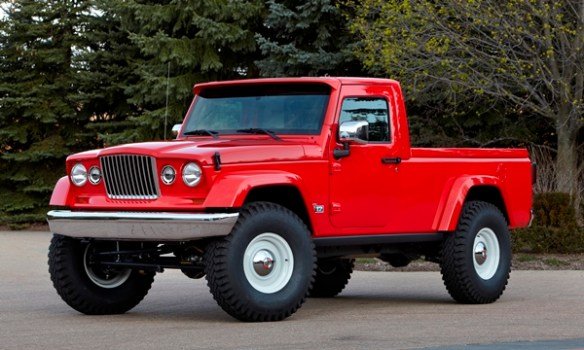
In 2019, Jeep brought back the Gladiator name for a new midsize pickup based on the Wrangler. This modern Gladiator pays tribute to the original by focusing on off-road adventure, but with today’s technology and comfort.
Non-obvious Insights For Beginners
Many people assume the Gladiator was always a Jeep Wrangler with a truck bed. In reality, the original Gladiator was a larger, full-size truck.
It was closer to today’s Ram 1500 in size than a Wrangler.
Another detail that surprises some: The first Gladiator used an overhead-cam engine, something rare in trucks at the time. This design made the engine more efficient and reliable, but also more complex to repair—a trade-off that shaped how owners cared for their vehicles.

Why The Gladiator Still Matters
The Gladiator’s mix of utility and adventure made it a favorite among ranchers, campers, and off-road fans. Its tough frame, strong axles, and four-wheel-drive system set a standard for Jeep trucks.
Collectors still seek out early Gladiators, especially rare versions like the crew cab and the military “M715. ” These trucks have a reputation for lasting many years with proper care.
The Gladiator’s return in the 21st century shows how popular the original idea remains.
Key Specifications Of The First Jeep Gladiator
To understand the 1963 Gladiator’s appeal, here are some quick specs:
| Specification | Detail |
|---|---|
| Engine | 230 ci Tornado I6 |
| Horsepower | 140 hp |
| Transmission | 3-speed manual/optional automatic |
| Wheelbase | 120/126 inches |
| Drive type | RWD or 4WD |
These specs gave the Gladiator a balance of strength and flexibility, making it useful for many jobs.
Frequently Asked Questions
When Was The First Jeep Gladiator Made?
The first Jeep Gladiator was made in 1962 for the 1963 model year. Production started under the Kaiser Jeep Corporation.
What Was Special About The First Gladiator’s Engine?
The original Gladiator used the Tornado overhead-cam six-cylinder engine. It was the first overhead-cam engine in an American pickup, offering better performance and efficiency for its time.
How Long Was The Jeep Gladiator Produced?
The Gladiator name was used from 1963 to 1971. After that, the truck continued as the Jeep J-Series until 1988, showing the lasting strength of its design.
How Does The Modern Gladiator Compare To The Classic?
The new Gladiator, released in 2019, is smaller and based on the Jeep Wrangler. It uses advanced technology and safety features but continues the original’s focus on off-road ability.
Where Can I Learn More About The Jeep Gladiator’s History?
A great source for deeper reading is the Jeep Gladiator Wikipedia page, which covers both classic and modern models.
The Jeep Gladiator’s story shows how a single idea mixing adventure with utility can inspire generations of drivers. Whether you love classic trucks or modern 4x4s, the Gladiator is a name worth remembering.