Jeep history contains several dates that answer different questions. Use 1941 for the brand milestone, then explain the wider wartime development story carefully.
Quick Answer
Official FCA material describes Jeep as founded in 1941. The wartime vehicle-development story includes earlier prototype and production work, so a good history article separates the brand milestone from the wider military-vehicle timeline.
Use 1941 as the Brand Milestone
An official FCA annual report describes Jeep as founded in 1941. Use that date when answering the brand question directly.
Separate the Brand From the Prototype Story
The early military-vehicle story includes multiple companies and development steps. Do not compress the entire history into one sentence.
Toledo Matters to the Heritage
Toledo became closely tied to Jeep production and remains central to Wrangler history. The plant story adds context without changing the brand-foundation answer.
Modern Ownership Is a Separate Question
Jeep is now part of Stellantis. Corporate ownership today should not be mixed with the 1941 history answer.
Use Dated Sources for History Articles
A history page remains useful when it distinguishes stable dates from current corporate facts that may change later.
A Short Timeline for Readers
Use a simple timeline: wartime vehicle development, the 1941 brand milestone, Toledo production heritage and the modern Stellantis ownership structure. This answers the question without mixing different eras.
Avoid Overclaiming One Inventor
Early Jeep history includes more than one company and stage of work. Use official history sources when naming participants and keep the brand-foundation answer separate.
Explain the Wartime Context Without Flattening It
The early Jeep story includes prototype work, military requirements and production by more than one company. A concise timeline respects that complexity while keeping 1941 as the clear brand milestone.
Civilian Models Expanded the Meaning of Jeep
After the wartime period, civilian 4×4 vehicles helped turn the name into a broader brand identity. That later history belongs after the founding-year answer, not inside it.
Separate Heritage From Current Ownership
Jeep history begins long before Stellantis. A modern corporate note is useful, but it should appear as an update rather than a rewrite of the 1941 answer.
Key Details to Check
| Item | What to verify | Why it matters |
|---|---|---|
| Brand milestone | 1941 | Answers the direct founding-year question |
| Wartime context | Early development timeline | Explains why several dates appear |
| Toledo heritage | Production history | Adds useful background |
| Current ownership | Stellantis brand structure | Keeps modern facts separate |
Explain the Prototype Period Clearly
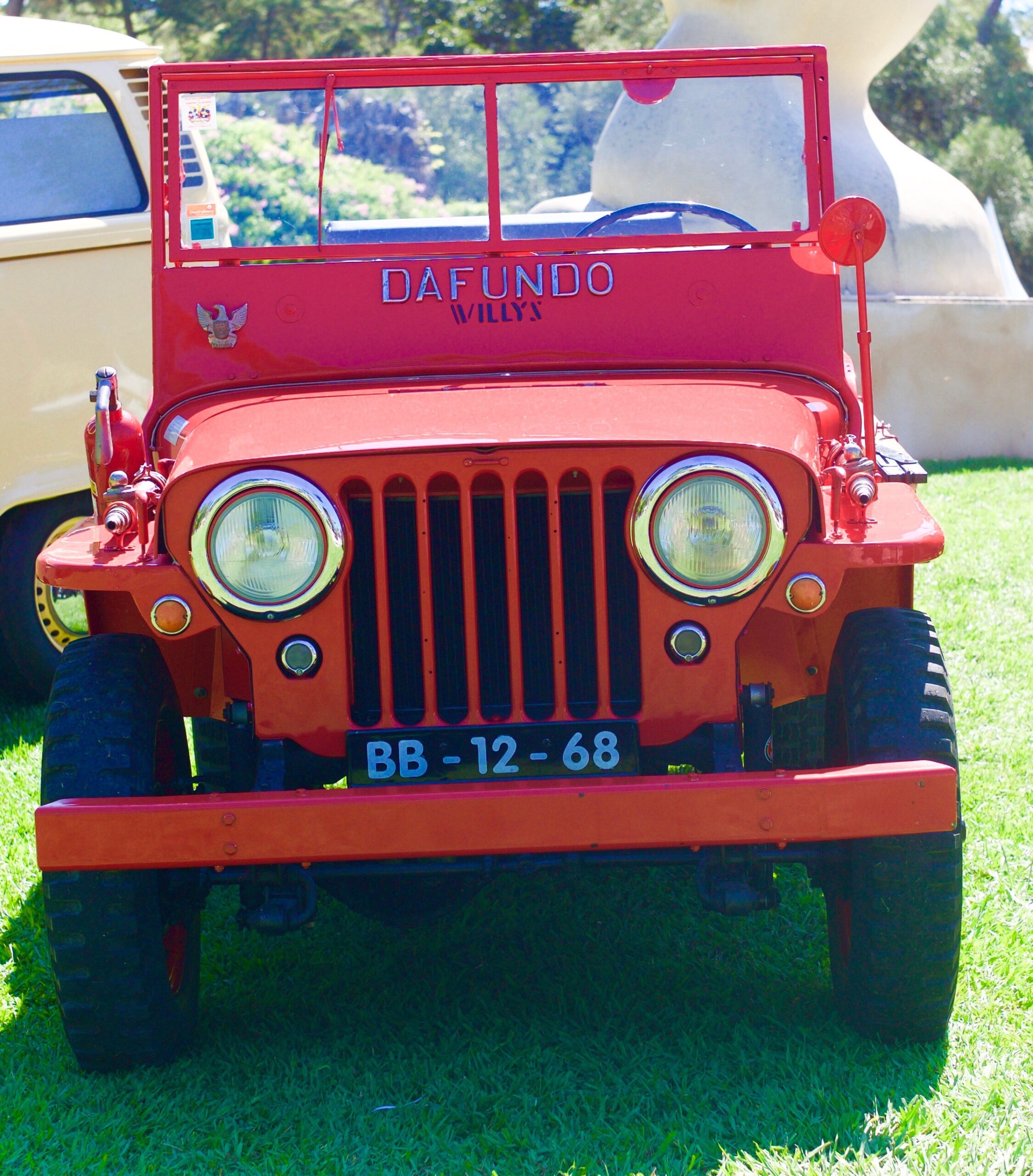
The Jeep story did not begin with one simple showroom launch. Early military requirements, prototypes and production decisions involved several companies.
Use a timeline so the 1941 brand milestone and the earlier development story do not become mixed together.
Separate Military Roots From Civilian Growth
Wartime vehicles created the foundation for later civilian 4×4 models. A useful history article explains the transition without claiming that a modern SUV is mechanically identical to an early military vehicle.
Use Toledo as a Heritage Detail
Toledo belongs in the Jeep story because of its long production connection. Keep the plant-history section tied to dated sources and avoid turning heritage into a claim about every Jeep model or every component.
Update the Corporate-Ownership Paragraph
History dates are stable, while ownership structures may change. Review the current Stellantis brand page before updating the article.
This keeps the historical section and current-company section accurate at the same time.
Avoid Overstating One Founder Story
A short article often names one company and loses the wider context. Mention the roles of Bantam, Willys and Ford carefully, then point readers to the dated source used for the timeline.
Build the Timeline Around Questions
Use separate lines for prototype development, wartime production, the 1941 brand milestone, civilian expansion and current ownership. This format answers common questions without forcing every event into one origin claim.
Review Names Before Publishing
Historical summaries often compress company roles too aggressively. Compare the wording with the official history page before naming Bantam, Willys or Ford.
Keep the description short when a detail is not fully supported.
Link History to Modern Research Carefully
A heritage paragraph may lead readers to current Jeep models, but do not imply that modern assembly, specifications or ownership facts are frozen in time. Update current details separately.
Keep the History Page Easy to Scan
Use short dated milestones and a brief explanation under each one. Readers searching for the founding year want a direct answer first, then enough context to understand why prototype and wartime dates also appear.
Use a Dated Editorial Note
Save the source date and the wording used for the 1941 milestone. A future editor can update current ownership facts without rewriting the stable history timeline or introducing a new unsupported origin story.
Step-by-Step Review
- Use 1941 for the brand milestone.
- Explain the earlier development context separately.
- Add Toledo heritage when relevant.
- Verify modern ownership from a current source.
- Keep history dates and corporate facts distinct.
Common Mistakes to Avoid
- Using one date for every part of the story
- Naming one company as the entire early history
- Mixing current ownership with the founding date
- Publishing history without a dated source
Frequently Asked Questions
What year was Jeep founded?
Official FCA material describes Jeep as founded in 1941.
Why do other earlier dates appear?
They relate to prototype and wartime vehicle-development history.
Who owns Jeep today?
Jeep is part of Stellantis.
- What Was The Best Year For Jeep Wrangler
- Best Tire Brand For Jeep Wrangler
- What Year Is The Best Jeep Grand Cherokee
Final Takeaway
Use 1941 for the Jeep brand milestone and explain the earlier wartime context separately. A clear timeline is more useful than forcing every event into one date.