What Year Is A Yj Jeep
If you’ve heard people talk about a YJ Jeep and wondered what years this classic vehicle was made, you’re not alone. Jeep has a long history, and the YJ model holds a special place for off-road fans and collectors.
But what exactly is a YJ, and how do you spot one? Let’s break down the key details about the YJ Jeep, including its production years, unique features, and why it remains popular today.
What Is A Yj Jeep?
The Jeep YJ is part of the famous Wrangler line. It was the first Wrangler model after the older CJ series, and it brought some big changes. The YJ kept the Jeep’s rugged, open-top style but added more comfort and safety features. This made it appealing to both off-road enthusiasts and everyday drivers.
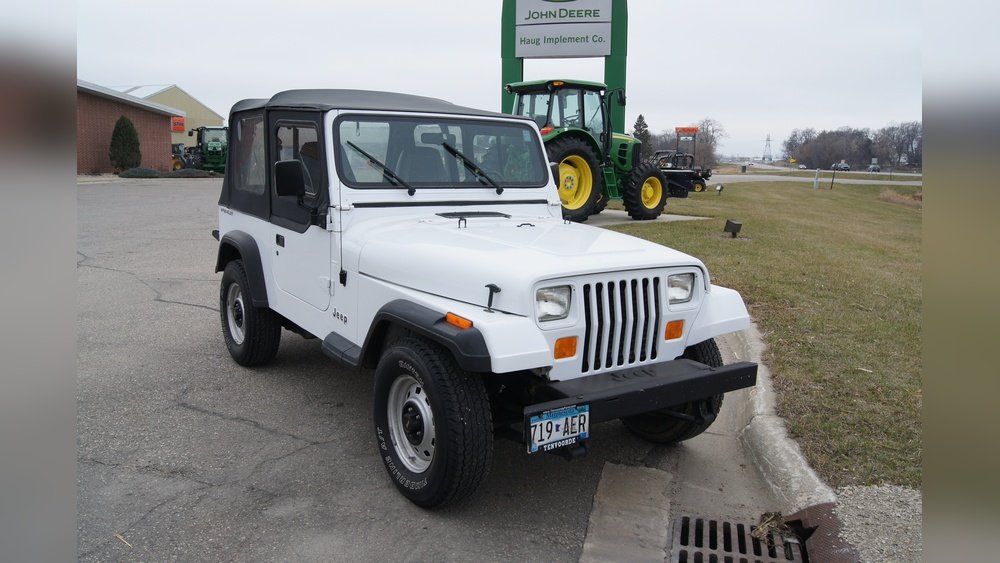
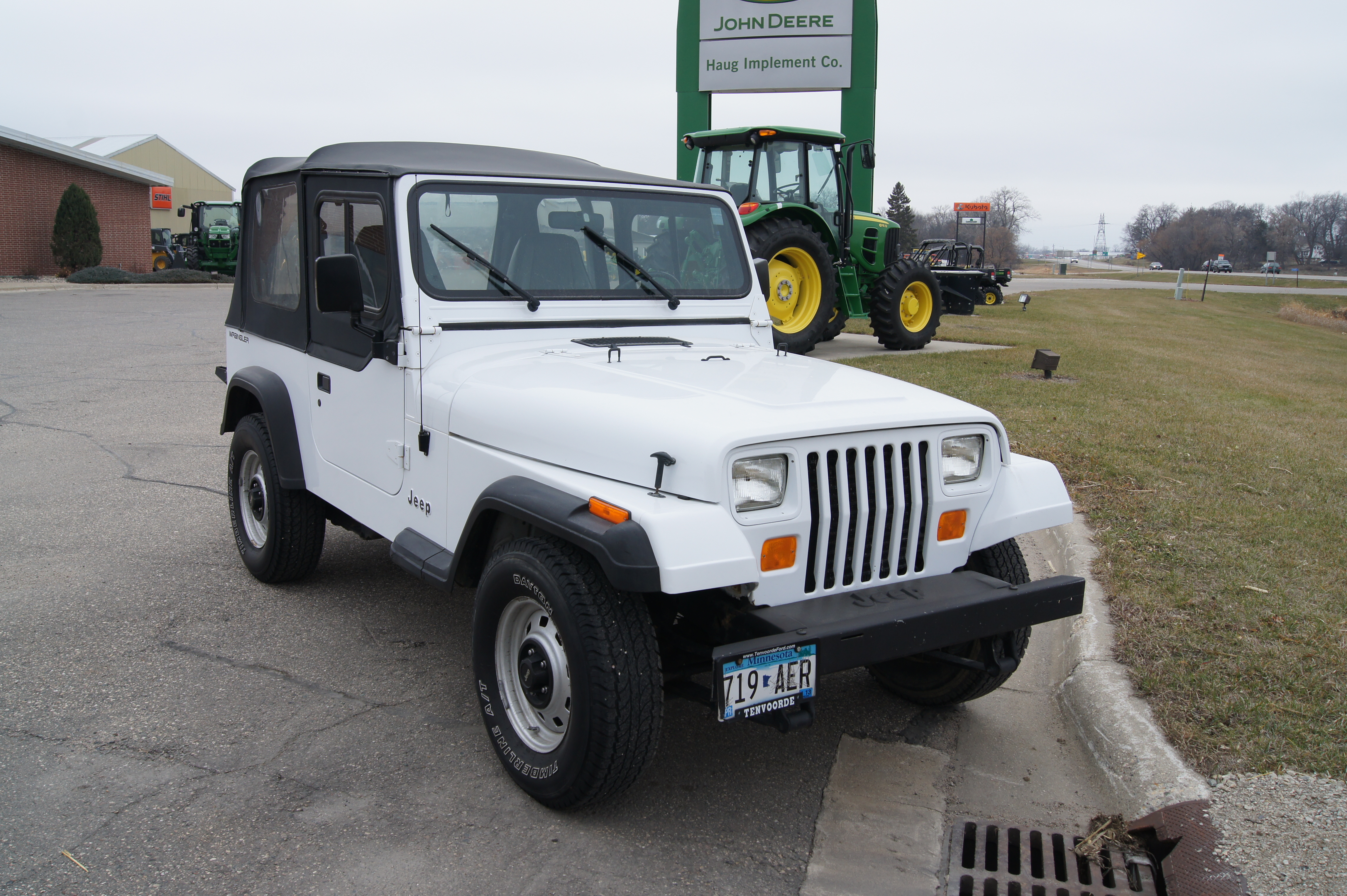
The YJ stands out because of its rectangular headlights, a major change from the round lights on previous Jeeps. This design choice is still a talking point among Jeep fans, with some loving it and others preferring the classic round look.
Yj Jeep Production Years
The YJ Jeep was produced from 1986 to 1995. However, the official model years are 1987 through 1995. Here’s how it breaks down:
| Production Start | First Model Year | Last Model Year | Production End |
|---|---|---|---|
| 1986 | 1987 | 1995 | 1995 |
- The first YJ rolled off the assembly line in 1986 as a 1987 model.
- The last YJ was built in 1995.
If you see a Jeep Wrangler with a model year from 1987 to 1995, it’s a YJ.
Key Features Of The Yj Jeep
The YJ isn’t just about the headlights. It brought several other changes that make it easy to identify:
| Feature | YJ Jeep | CJ-7 (Predecessor) |
|---|---|---|
| Headlights | Rectangular | Round |
| Suspension | Leaf Springs | Leaf Springs |
| Interior Comfort | Improved | Basic |
| Safety | Added features | Minimal |
Other notable YJ features:
- Wider track for better stability on and off road
- More comfortable seats and a modern dashboard
- Optional hardtop and full steel doors
- Improved safety with things like a roll bar
Yj Jeep Engines And Options
Jeep offered several engine options in the YJ years. Here’s a simple comparison of the main engines available:
| Year | Base Engine | Optional Engines |
|---|---|---|
| 1987-1990 | 2.5L I4 (117 hp) | 4.2L I6 (112 hp) |
| 1991-1995 | 2.5L I4 (123 hp) | 4.0L I6 (180 hp) |
- The 2.5L four-cylinder was reliable but not powerful.
- The 4.2L and 4.0L six-cylinders gave much better performance, especially for off-roading.
Transmission options included a 5-speed manual or a 3-speed automatic.
Common Yj Jeep Models And Trims
The most popular trims during the YJ years were:
- Base (SE and S) – Simple, with basic features.
- Laredo – Added luxury, like chrome and better seats.
- Islander – Bright colors, special graphics, fun beach style.
- Sahara – Off-road features, two-tone paint, and more.
- Renegade – Sporty look, body flares, and unique wheels.
The Sahara and Renegade models are especially sought after by collectors today.
Why The Yj Jeep Still Matters
Some Jeep fans first laughed at the YJ’s headlights, but over time, it earned respect. The YJ made Jeeps more practical for daily driving without losing their off-road spirit.
Many YJs are still on the road, thanks to their solid frames and the strong Jeep community.
A non-obvious detail: The YJ was the first Wrangler sold in Canada, and its design helped Jeep grow in markets outside the US. Another interesting point is that the YJ was also assembled in Brampton, Ontario, which is rare for Jeeps.

How To Identify A Yj Jeep
If you’re looking at a used Wrangler and want to know if it’s a YJ, check for these signs:
- Rectangular headlights (the easiest clue)
- Model year between 1987 and 1995
- Square-shaped fender flares
- “Wrangler” badge on the side (CJ models do not say “Wrangler”)
- VIN starting with “1J4FY” for most US models
Don’t rely only on the headlights, as some owners swap parts from other Jeeps.
Yj Jeep: Value And Buying Tips
YJ Jeeps are popular as affordable classics. Here’s what matters when buying one:
- Rust is common, especially on the frame and floor pans. Inspect carefully.
- The 2.5L engine is reliable but slow. The 4.0L is best for power.
- Check for leaks from the axles and transmission.
- Parts are easy to find and not expensive.
- Many YJs have been modified. Stock models often hold more value.
A surprising tip: Early YJs (1987–1990) often have carbureted engines, which can be harder to maintain than the later fuel-injected versions.

Yj Jeep Vs. Other Wranglers
The YJ sits between the older CJ-7 and the newer TJ. Here’s a quick look at how they compare:
- CJ-7 (1976–1986): Purely off-road, fewer comforts, round headlights.
- YJ (1987–1995): Mix of comfort and capability, rectangular headlights.
- TJ (1997–2006): Coil spring suspension, round headlights, smoother ride.
Most YJ owners love its simple design and “old-school” Jeep feel.
Frequently Asked Questions
What Years Was The Yj Jeep Produced?
The YJ Jeep was built from 1986 to 1995, with official model years 1987 through 1995.
What Makes The Yj Different From Other Jeeps?
The YJ’s most obvious difference is its rectangular headlights. It also has a wider track and better comfort features than older Jeeps.
Is The Yj Jeep Good For Off-roading?
Yes, the YJ is very capable off-road. Its leaf spring suspension and solid axles are strong, but the ride is rougher than newer models.
Which Engine Is Best In The Yj Jeep?
The 4.0L inline-six (1991–1995) is the best for power and reliability. The 2.5L four-cylinder is durable but less powerful.
Where Can I Find More Details About The Yj Jeep?
Visit the official Jeep Wrangler Wikipedia page for a deep dive into YJ specs, history, and variants.
The YJ Jeep is more than just a vehicle; it’s a piece of Jeep history. Whether you love its unique headlights or its tough design, the YJ represents a turning point for the Wrangler.
If you spot one on the road, you’re looking at a true classic.