When you hear the word "Rubicon," many people think of tough, off-road adventures and the rugged Jeep Wrangler. But have you ever wondered when Jeep actually started making the Rubicon model?
This simple question opens a window into Jeep’s approach to building vehicles for serious off-roaders. Knowing the history of the Rubicon can also help you understand why it stands out from other Jeep models and why it’s so popular with people who love adventure.
The Birth Of The Jeep Rubicon
The Jeep Wrangler Rubicon was first introduced in 2003. Before this, Jeep had already built a reputation for making vehicles that could handle rough terrain. However, by the early 2000s, more off-road fans wanted something even more capable straight from the factory. Jeep listened to its community and created the Rubicon trim, designed to tackle trails that other vehicles could only dream of.
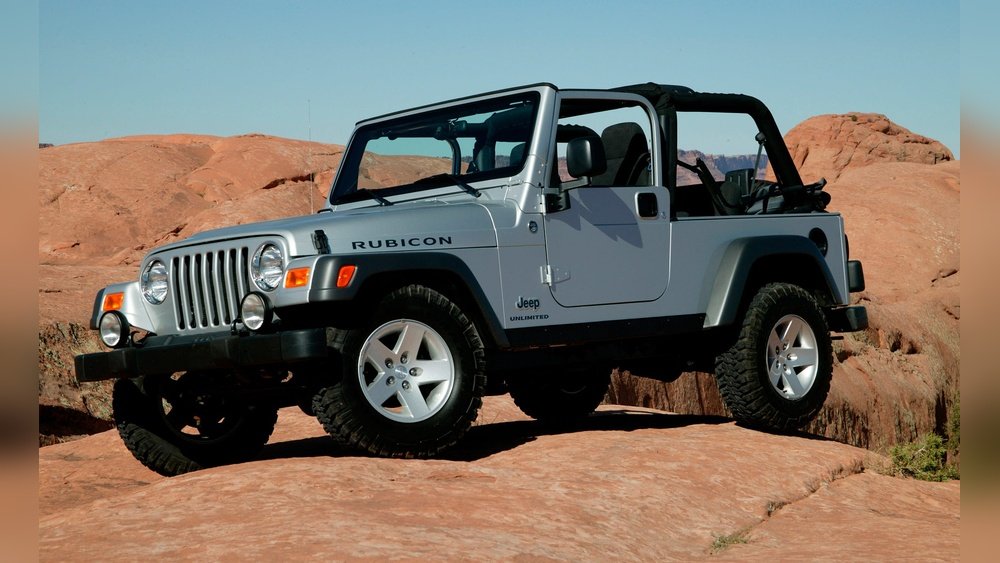
The name Rubicon comes from the famous Rubicon Trail in California. This trail is one of the toughest off-road tracks in the United States. By naming their new Wrangler after it, Jeep sent a message: this vehicle was meant for the real thing.
What Made The 2003 Rubicon Special?
The 2003 Rubicon was not just a new trim. It was a big step forward for Jeep.
For the first time, buyers could get a Wrangler with heavy-duty parts built for extreme conditions, without the need for expensive modifications.
Key features on the first Rubicon included:
- Dana 44 axles (front and rear) for extra strength
- Locking differentials for better grip on rough surfaces
- Rock-Trac 4: 1 transfer case for slow, controlled crawling over rocks
- 32-inch off-road tires for better traction
Before the Rubicon, only a few specialty vehicles had this level of equipment. Jeep was the first to offer it in a mass-market SUV.
Why Did Jeep Create The Rubicon?
By the late 1990s and early 2000s, more people wanted to go off-road, but not everyone had the time or money to build a custom Jeep. The company noticed that people would buy Wranglers and then spend thousands of dollars adding stronger parts, better tires, and other upgrades.
Jeep decided to build a model that came ready for hard trails right from the factory.
This move was a smart answer to the growing off-road community. It also helped keep Jeep’s reputation as a brand for adventure alive, even as SUVs became more comfortable and less rugged.
Jeep Wrangler Rubicon Generations
Since its debut in 2003, the Rubicon has evolved with each new generation of the Jeep Wrangler. Here’s a look at how it has changed:
| Generation | Years | Main Updates |
|---|---|---|
| TJ | 2003–2006 | First Rubicon, Dana 44 axles, 4.0L engine |
| JK | 2007–2018 | 4-door available, electronic sway bar disconnect, improved interior |
| JL | 2018–present | Lighter body, new engines, advanced tech, bigger tires |
Each generation improved on the last. For example, the JK series introduced a four-door Rubicon Unlimited, making it more family-friendly.
The latest JL models added even more technology and comfort without losing their tough reputation.
How The Rubicon Stands Out
It’s easy to see a Jeep Wrangler Rubicon and think it’s just another Wrangler with a sticker. But the differences are more than skin deep.
Let’s compare the Rubicon with the standard Jeep Wrangler:
| Feature | Wrangler Sport | Wrangler Rubicon |
|---|---|---|
| Axles | Dana 30 (front), Dana 35 (rear) | Dana 44 (front & rear) |
| Tires | All-terrain, smaller size | 32–35 inch off-road tires |
| Locking Differentials | No | Front & rear |
| Sway Bar Disconnect | No | Yes (electronic) |
| Price (new, 2024) | ~$35,000 | ~$46,000 |
The Rubicon’s hardware makes it much better for serious off-roading. For most people, the extra cost is only worth it if you plan to use these features.
Rubicon’s Impact On The Jeep Brand
The Rubicon quickly became a symbol of what Jeep stood for: adventure, strength, and going places others can’t. Sales numbers showed that there was a strong market for off-road-ready vehicles. In some years, up to 30% of all Wranglers sold were Rubicons.
Other brands took notice. Ford, Toyota, and others started offering more off-road-focused trims on their trucks and SUVs.
The Rubicon pushed the market forward and showed that buyers wanted more than just good looks they wanted true performance.
Common Beginner Misunderstandings
Many new Jeep fans think all Wranglers are the same or that you need a Rubicon to go off-road. That’s not true.
Even the base Wrangler is very capable. The Rubicon is for those who want the best from the start or plan to tackle really tough trails.
Another common mistake is thinking you can add all Rubicon features to other models easily. While some upgrades are possible, things like the heavy-duty axles and lockers are complex and costly to add later.
Is The Rubicon Worth It For You?
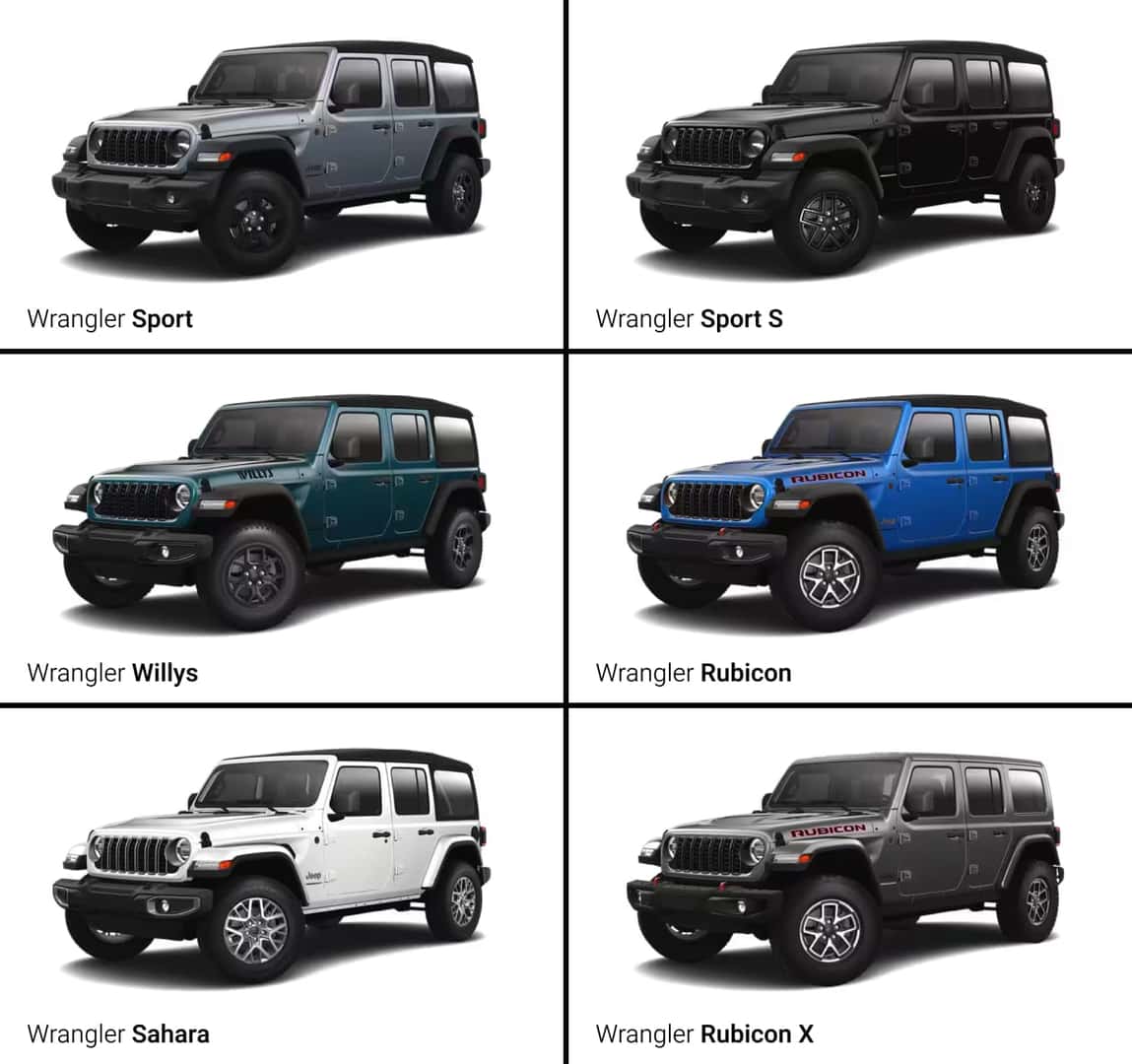
If you just want a fun, open-air SUV for city driving or light trails, the Sport or Sahara trims might fit better. But if you dream of climbing rocks, crossing deep mud, or exploring remote places, the Rubicon’s upgrades make a big difference. It’s also a smart buy if you don’t want to spend more time and money on aftermarket parts and installation.
The Legacy Of The Rubicon
Over 20 years since its launch, the Jeep Wrangler Rubicon is still the gold standard for factory-built off-road vehicles. It set a trend that other companies now follow. Jeep continues to update the Rubicon, adding new technology and features while keeping its core mission: to help people go wherever they want.
If you want to dive deeper into Jeep’s history, the official Jeep Wrangler Wikipedia page is a great resource.
Frequently Asked Questions
When Did Jeep Start Making The Rubicon?
Jeep first released the Rubicon version of the Wrangler in 2003. It was built to handle the toughest off-road trails right from the factory.
What Is Special About The Rubicon?
The Rubicon has stronger axles, locking differentials, bigger off-road tires, and a unique transfer case for extreme terrain. These make it much better for off-roading than standard Wranglers.
Can You Buy A Rubicon In Both Two-door And Four-door?
Yes, you can get a Rubicon as a two-door or a four-door model, called the Rubicon Unlimited. The four-door offers more space for passengers and gear.
Is The Rubicon Good For Daily Driving?
The Rubicon can be used for daily driving, but its off-road tires and heavy-duty parts may make the ride less smooth and fuel economy lower than other trims.
Do All Jeep Wranglers Have Rubicon Features?
No, only the Rubicon trim comes with all the special off-road features. Other Wrangler trims are still capable, but the Rubicon is designed for the most difficult trails.
The story of the Jeep Rubicon shows how listening to customers and building for real needs can create a legend. If you want to explore off the beaten path, the Rubicon’s history is just the beginning of your adventure.