Owning a Jeep JK is about enjoying adventure and tackling tough terrain. But behind the fun, there’s important engineering that makes it possible.
One of the most crucial parts is the transfer case. If you’re curious about what transfer case is in a Jeep JK, and why it matters, you’re in the right place.
Let’s break down the details in clear, simple English—no jargon or confusion.
What Is A Transfer Case?
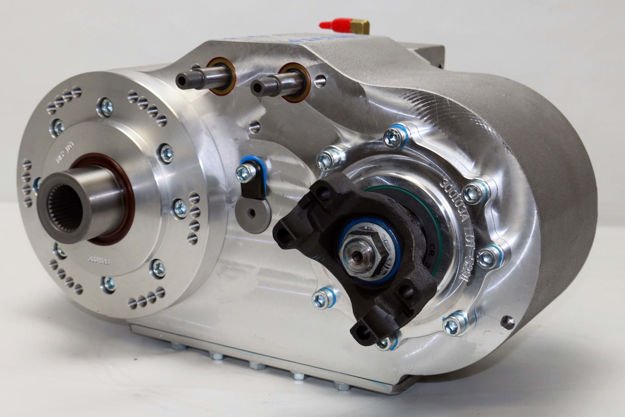
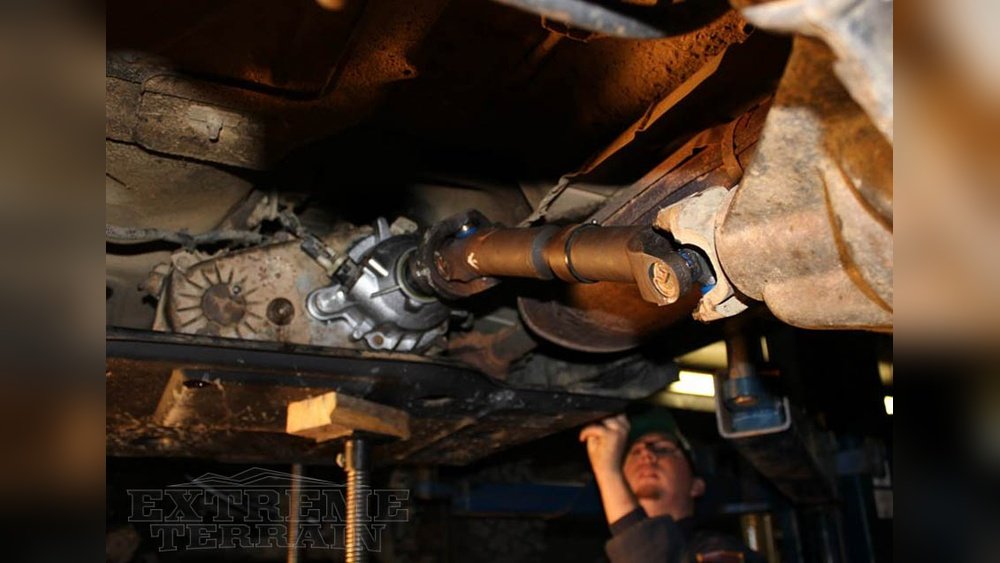
A transfer case is a gearbox that splits engine power and sends it to both the front and rear wheels. In a Jeep JK, this is what allows you to use four-wheel drive (4WD). It helps the Jeep handle rough roads, mud, sand, snow, and steep climbs. Without it, your JK would be just a regular two-wheel drive vehicle. The transfer case is located between the transmission and the drive shafts.
Jeep Jk Transfer Case Types
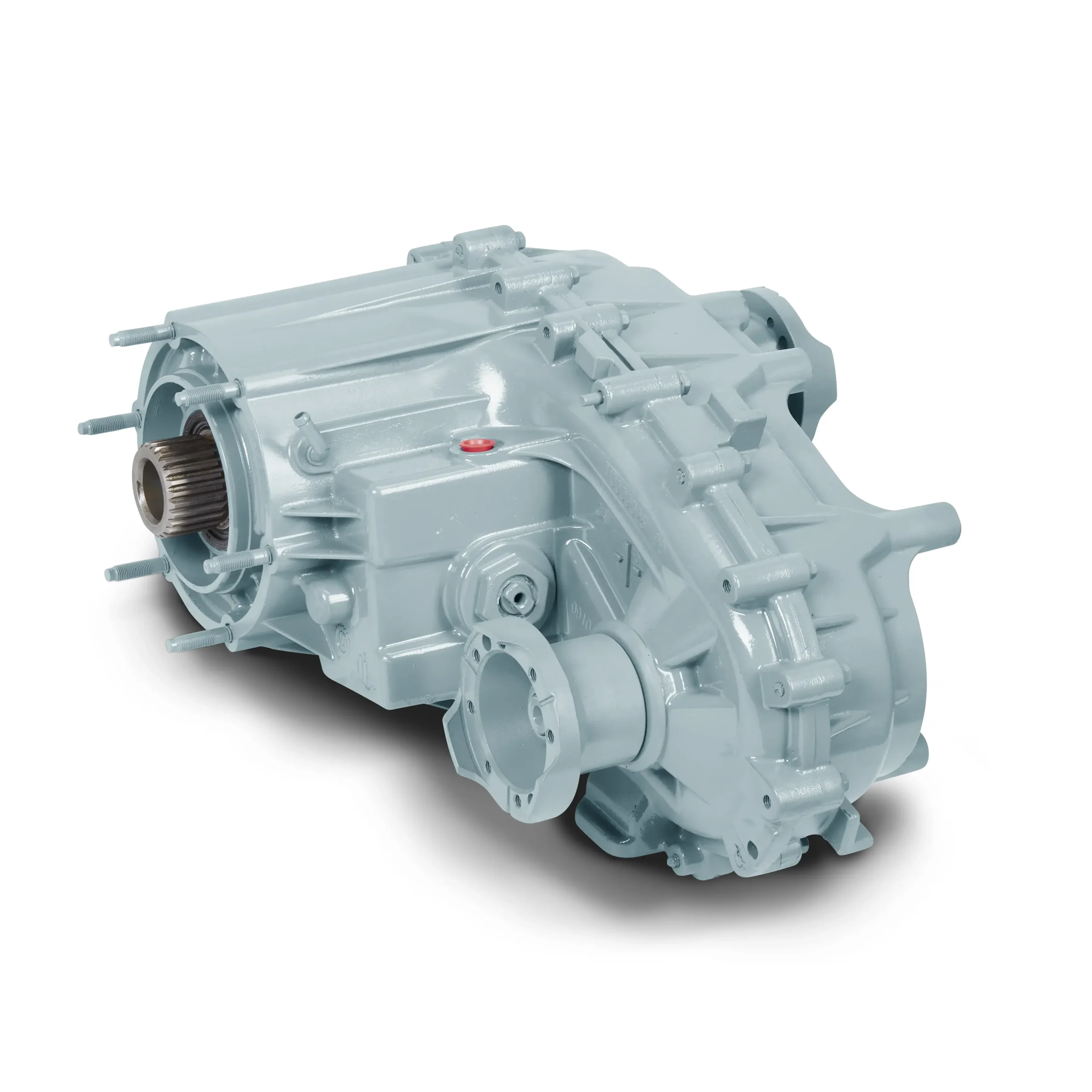
Most Jeep JK models use the NP241 (also called NV241) transfer case, also known as the Command-Trac system. Some special models use the NP241OR (NV241OR), which is called Rock-Trac.
Here’s a breakdown:
| Model | Transfer Case | Low Range Ratio |
|---|---|---|
| Jeep JK Sport/Sahara | NP241 Command-Trac | 2.72:1 |
| Jeep JK Rubicon | NP241OR Rock-Trac | 4.00:1 |
Np241 Command-trac
This is the standard transfer case in most JKs. It offers:
- Shift-on-the-fly 4WD: You can switch between 2WD and 4WD while driving (under 55 mph).
- 2.72: 1 low range: Good for basic off-roading, snow, and mud.
- Chain-driven: Reliable and simple.
Np241or Rock-trac
Found only in the Rubicon model. It provides:
- 4.00: 1 low range: More torque for serious rock crawling.
- Heavy-duty build: Stronger internals for tough trails.
- Manual lever operation: Gives the driver more control.
Rubicon’s transfer case is one reason it’s famous for extreme off-road ability.
Key Differences: Command-trac Vs Rock-trac
Understanding the difference helps you choose the right Jeep JK or plan upgrades.
| Feature | Command-Trac | Rock-Trac |
|---|---|---|
| Low Range Ratio | 2.72:1 | 4.00:1 |
| Off-Road Capability | Moderate | High |
| Model Availability | Sport, Sahara | Rubicon |
| Axle Lockers | No | Yes |
A higher low range ratio means the Jeep can crawl more slowly and powerfully, ideal for rocky trails. Rubicon’s Rock-Trac makes it a favorite among enthusiasts.
How Does The Transfer Case Work?
When you switch the lever to 4WD, the transfer case connects both drive shafts. In low range, it multiplies torque, letting you climb or crawl with more power but less speed. The JK’s transfer case uses a chain drive to transfer power, which is strong but lighter than a gear-driven case.
Modes Of Operation
- 2H (2-wheel drive, high): Normal driving, only rear wheels powered.
- 4H (4-wheel drive, high): Both axles powered, for slippery roads.
- N (Neutral): No power sent, used for towing.
- 4L (4-wheel drive, low): Maximum torque, for heavy off-road.
Rubicon’s 4L is much stronger, thanks to the 4.00:1 ratio.
Practical Insights And Common Mistakes
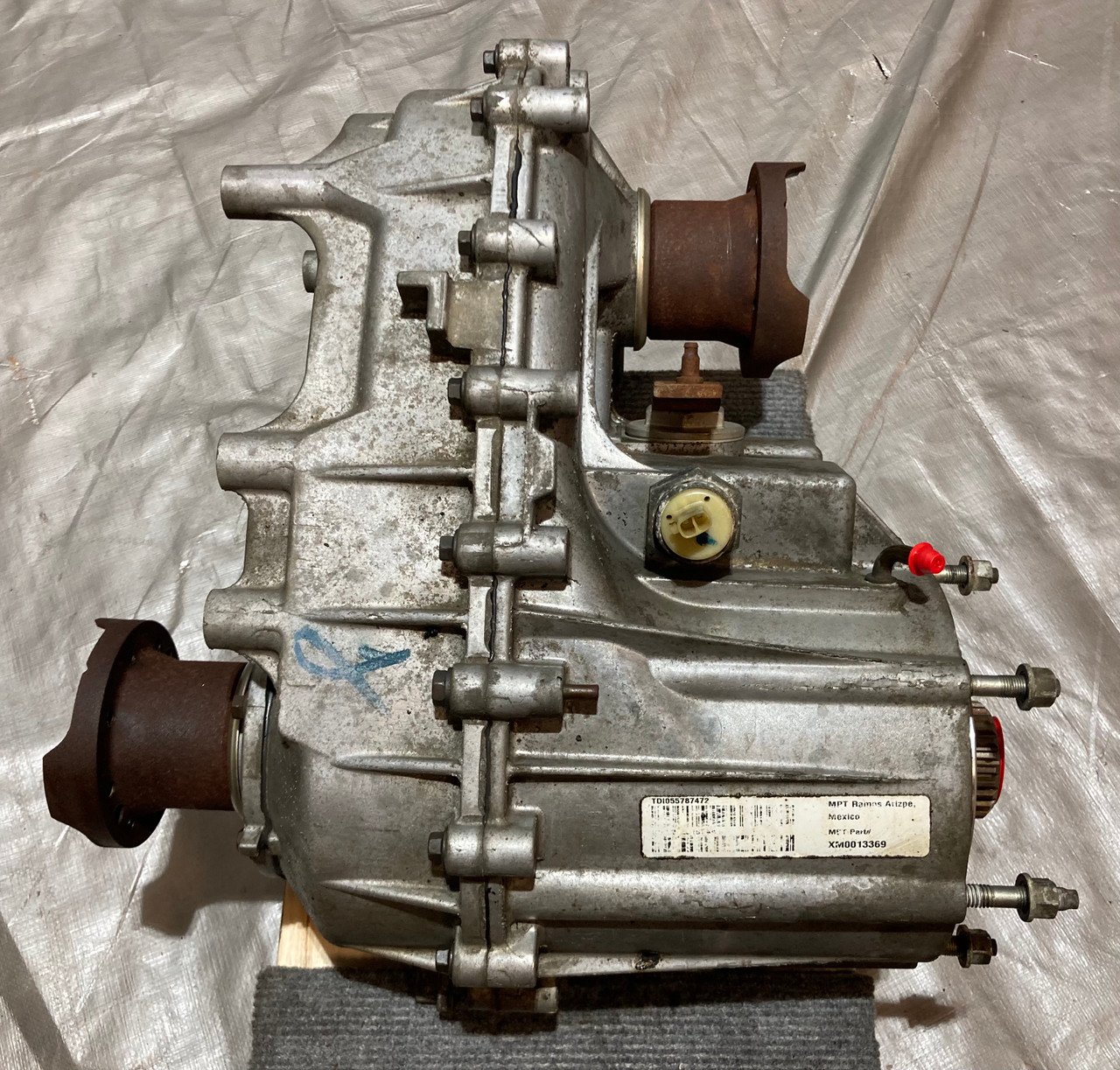
Many Jeep JK owners don’t realize the transfer case needs regular maintenance. Change fluid every 30,000 miles, or sooner if you do lots of off-roading.
Using 4L on dry pavement can damage the transfer case—only use it when wheels can slip.
Some beginners confuse the transfer case with the differential. Remember: the transfer case splits power between front and rear, while the differential splits power between left and right wheels.
Another common mistake is trying to shift from 2H to 4H at high speeds. Always slow down to under 55 mph before shifting.
Upgrade Options And Real-world Examples
Many JK drivers upgrade their transfer case for tougher trails. For example, swapping a Command-Trac for a Rock-Trac gives better crawling ability. Some aftermarket cases offer gear-driven systems for even more strength, but these are expensive and often noisy.
A real-world example: Sarah, a Jeep owner in Colorado, replaced her Command-Trac with a Rock-Trac before tackling the rocky trails in Moab. She noticed much smoother climbs and less wheel slip.
If you’re planning serious off-roading, consider the transfer case as one of the most important upgrades.
Maintenance Tips
To keep your transfer case in top shape:
- Check for leaks: Look under your Jeep for fluid spots.
- Change fluid: Use the correct ATF+4 fluid (check your manual).
- Listen for noise: Grinding or whining means trouble.
- Inspect shift linkage: Make sure it moves smoothly.
- Drive regularly in 4WD: Even if you don’t off-road, engage 4WD once a month to keep parts lubricated.
Ignoring these steps can lead to expensive repairs.
Transfer Case In Extreme Conditions
The Jeep JK’s transfer case is designed for tough environments. In deep snow or mud, the low range helps prevent getting stuck.
On steep climbs, the extra torque lets you crawl up safely. Rubicon’s Rock-Trac is especially good for rocky hills, while Command-Trac handles sand and dirt well.
Some owners add skid plates to protect the transfer case from rocks. This is a smart move if you often drive on rough trails.
Where To Find More Technical Details
For deeper specs, the official Jeep website and forums are helpful. You can also check out Jeep Wrangler on Wikipedia for more history and technical data.
Frequently Asked Questions
What Transfer Case Does The Jeep Jk Rubicon Use?
The Rubicon uses the NP241OR Rock-Trac transfer case. It has a 4.00:1 low range ratio, giving extra torque for rock crawling.
How Can I Identify My Jeep Jk’s Transfer Case?
Check the owner’s manual or look for a metal tag on the transfer case itself. Most JKs have the NP241 Command-Trac unless it’s a Rubicon.
Can I Upgrade My Jeep Jk’s Transfer Case?
Yes, many owners swap Command-Trac for Rock-Trac or use aftermarket cases. Upgrading improves off-road performance, but can cost $1,500–$3,000 including labor.
How Often Should I Change Transfer Case Fluid?
Change fluid every 30,000 miles or after heavy off-roading. Use the recommended ATF+4 fluid for best results.
Is The Transfer Case Covered By Jeep’s Warranty?
If your JK is still under factory warranty, the transfer case is covered for defects. Damage from abuse or improper use is not covered.
Getting to know your Jeep JK’s transfer case will help you make smart decisions—whether you’re buying, upgrading, or simply maintaining your vehicle. With proper care and the right setup, your Jeep JK can handle almost any adventure.