Owning a Jeep gives you a sense of adventure. But when you start thinking about off-road capability, the transfer case is one part you cannot ignore.
It’s the heart of your Jeep’s four-wheel-drive system. If you want to lift your Jeep, change tires, or improve traction, knowing which transfer case you have is essential.
But with so many models and numbers, it’s easy to get confused. Let’s clear up the mystery so you can make smart choices for your Jeep.
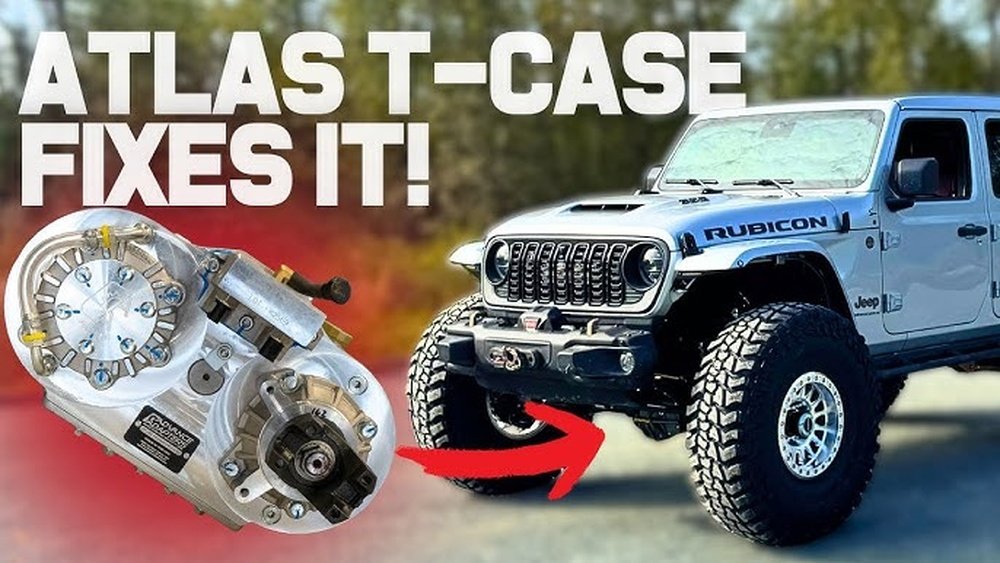
What Is A Transfer Case And Why Does It Matter?
The transfer case is a gearbox found in four-wheel-drive (4WD) and all-wheel-drive (AWD) vehicles. Its main job is to split power from the transmission and send it to the front and rear axles. This helps your Jeep handle rough terrain, snow, or mud.
A good transfer case means better traction, more control, and the ability to use low-range gearing for tough trails. But not all transfer cases are the same. Some are full-time, others part-time. Some have low-range gears, and others do not. Picking the right upgrades or repairs depends on knowing exactly what’s under your Jeep.
Common Jeep Transfer Case Models
Over the years, Jeep used several transfer case models. Here are the most common ones you’ll find in different Jeep generations:
| Model | Type | Low Range Ratio | Main Vehicles |
|---|---|---|---|
| NP231 | Part-Time | 2.72:1 | Cherokee XJ, Wrangler YJ/TJ |
| NP242 | Full/Part-Time | 2.72:1 | Cherokee XJ, Grand Cherokee ZJ/WJ |
| NP241 (Rock-Trac) | Part-Time | 4.0:1 | Wrangler Rubicon |
| NP249 | Full-Time | 2.72:1 | Grand Cherokee ZJ |
| NP247 | Full-Time | 2.72:1 | Grand Cherokee WJ |
| NV245 | Full/Part-Time | 2.72:1 | Grand Cherokee WK |
You can see that Jeep used both part-time and full-time systems. The Rock-Trac NP241 in the Rubicon stands out for its deeper low-range, making it great for rock crawling.
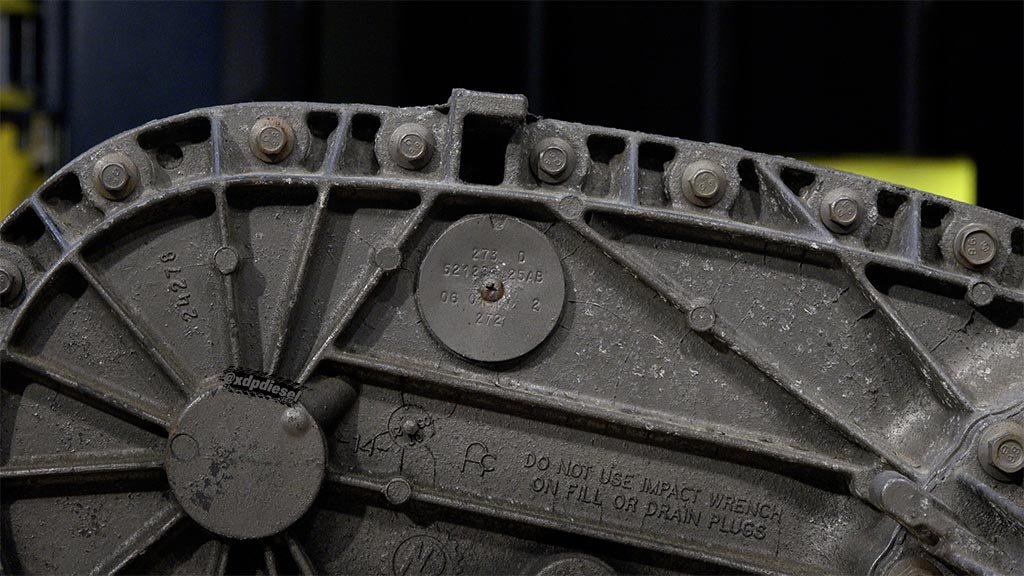
How To Identify Which Transfer Case You Have
There are several ways to find out the exact transfer case in your Jeep:
- Check the Owner’s Manual: Sometimes the easiest way. The manual lists the drivetrain specs for your year and model.
- Look at the Shift Pattern: The shift lever in your Jeep often shows the transfer case mode options (like 2H, 4H, N, 4L). This pattern gives clues about the model.
- Inspect the Tag: Crawl under your Jeep and look at the back of the transfer case. Most have a metal tag or sticker with a model number (like NP231 or NV241).
- VIN Decoder: Enter your Jeep’s Vehicle Identification Number (VIN) on a trusted site. This can tell you the factory-installed transfer case.
- Ask a Dealer: If you are still unsure, a Jeep dealer can look up your build sheet using your VIN.
Here’s a quick visual guide to common shift patterns:
| Shift Pattern | Likely Transfer Case |
|---|---|
| 2H – 4H – N – 4L | NP231, NP241 |
| 2H – 4H Part-Time – 4H Full-Time – N – 4L | NP242, NV245 |
| 4H – N – 4L (No 2H) | NP249, NP247 |
Non-obvious tip: Some transfer cases can be swapped by previous owners, so physical inspection is more reliable than VIN for older Jeeps.
Key Differences Between Jeep Transfer Cases
Not all transfer cases work the same way. Here are the main differences you should know:
- Part-Time vs Full-Time: Part-time transfer cases like NP231 are for off-road use. Driving in 4WD on dry roads can cause damage. Full-time models (NP249, NP247) can be used on any surface.
- Low-Range Ratio: A lower ratio (like 4.0:1) means more torque for slow-speed crawling. The Rubicon’s Rock-Trac offers this.
- Strength: Some models are built for heavy-duty use (like the NP241), while others are lighter.
This matters for upgrades. For example, if you plan to install big tires or lock the axles, a stronger transfer case is better.
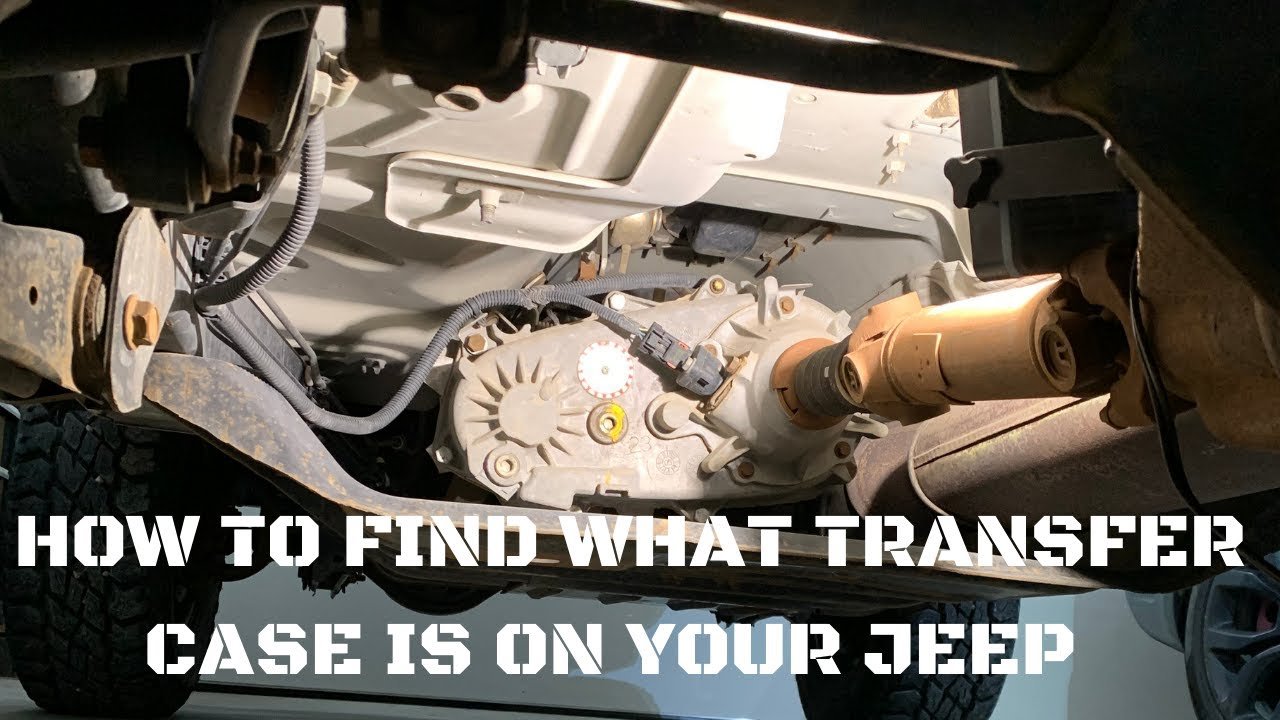
Matching Transfer Cases To Jeep Models And Years
Jeep used different transfer cases in different models and years. Here’s a guide for popular Jeeps:
Jeep Wrangler
- YJ (1987–1995): Mostly NP231.
- TJ (1997–2006): NP231; Rubicon models use NP241 Rock-Trac.
- JK (2007–2018): NV241; Rubicon models get the NV241OR Rock-Trac.
- JL (2018+): New NV241 and NV241OR.
Jeep Cherokee
- XJ (1984–2001): NP231 (part-time), NP242 (full/part-time, called Selec-Trac).
- KL (2014+): Uses modern AWD systems, not classic transfer cases.
Jeep Grand Cherokee
- ZJ (1993–1998): NP249 (full-time), NP242, NP231.
- WJ (1999–2004): NP247 (Quadra-Trac II), NP242.
- WK (2005–2010): NV245 (Quadra-Drive II).
Insight: If you’re buying used, always check the actual unit. Some Jeeps with towing packages or special editions may have different transfer cases than standard models.
Why Knowing Your Transfer Case Matters
You may wonder: does it really matter which transfer case I have? Absolutely! Here’s why:
- Maintenance: Each model uses different fluids and has different service needs.
- Upgrades: Not all transfer cases can handle big tires, power adders, or heavy towing.
- Off-Roading: Some give you more control in mud, rocks, or snow.
- Resale Value: Original parts can mean higher value for collectors.
If you plan to join Jeep forums or off-road clubs, knowing your transfer case helps you get the right advice and avoid mistakes.
Frequently Asked Questions
What Is The Difference Between Part-time And Full-time Transfer Cases?
Part-time transfer cases only use 4WD when needed, usually off-road or in slippery conditions. Full-time transfer cases can run in 4WD on any surface, thanks to special internal parts that let wheels spin at different speeds.
How Can I Tell If My Jeep Has A Rubicon Transfer Case?
The Rubicon uses the Rock-Trac transfer case (NP241 or NV241OR). Look for a 4.0:1 low-range ratio and a unique shift pattern. You can also check the metal tag on the case for the model number.
Can I Swap My Transfer Case For A Stronger One?
Yes, it’s possible. Many Jeep owners upgrade to a stronger transfer case for off-roading.
But you need to check compatibility with your transmission, driveshafts, and electronic systems.
How Often Should I Service My Transfer Case?
Most Jeep manuals suggest changing the transfer case fluid every 30,000–60,000 miles. Off-road use may require more frequent changes. Use only the fluid type recommended for your model.
Where Can I Find More Details About Jeep Transfer Cases?
For deeper technical specs and model guides, visit the Jeep 4WD Systems Wikipedia page.
Knowing your Jeep’s transfer case is more than just a number. It helps you keep your Jeep running strong, plan smart upgrades, and stay safe wherever your adventure takes you.