If you own a Jeep Grand Cherokee, choosing the right oil is more important than many drivers think. The type of oil you use affects the engine’s life, performance, and even your warranty. With so many options on the market, it’s easy to get confused. This guide clears things up, so you can select the best oil for your Jeep Grand Cherokee, whether it’s brand new or has seen many miles.
Understanding Jeep Grand Cherokee Engine Types
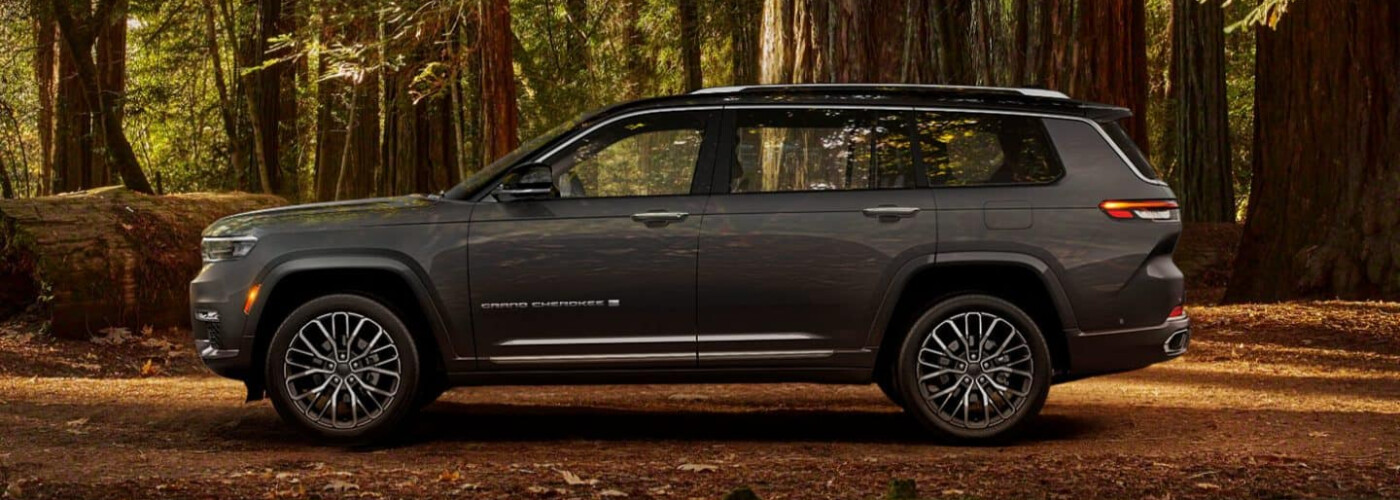
There are several versions of the Grand Cherokee, each with different engines. The oil your Jeep needs depends largely on which engine it has.
Most recent models come with:
- 3.6L V6
- 5.7L V8
- 6.2L Supercharged V8
- 2.0L Turbo 4-cylinder (Hybrid)
Older models may include diesel options or other V8 variants. Always check your owner’s manual for the exact engine type.
Recommended Oil Types By Engine
Using the correct oil ensures your engine stays healthy and efficient. Here’s a breakdown for the most common Grand Cherokee engines.
| Engine | Oil Type | Viscosity |
|---|---|---|
| 3.6L V6 | Full synthetic | 0W-20 |
| 5.7L V8 | Full synthetic | 5W-20 |
| 6.2L V8 | Full synthetic | 0W-40 |
| 2.0L Turbo | Full synthetic | 0W-20 |
Most modern engines require full synthetic oil. Older models (especially pre-2011) may use synthetic blends, but switching to full synthetic is often recommended for better protection.
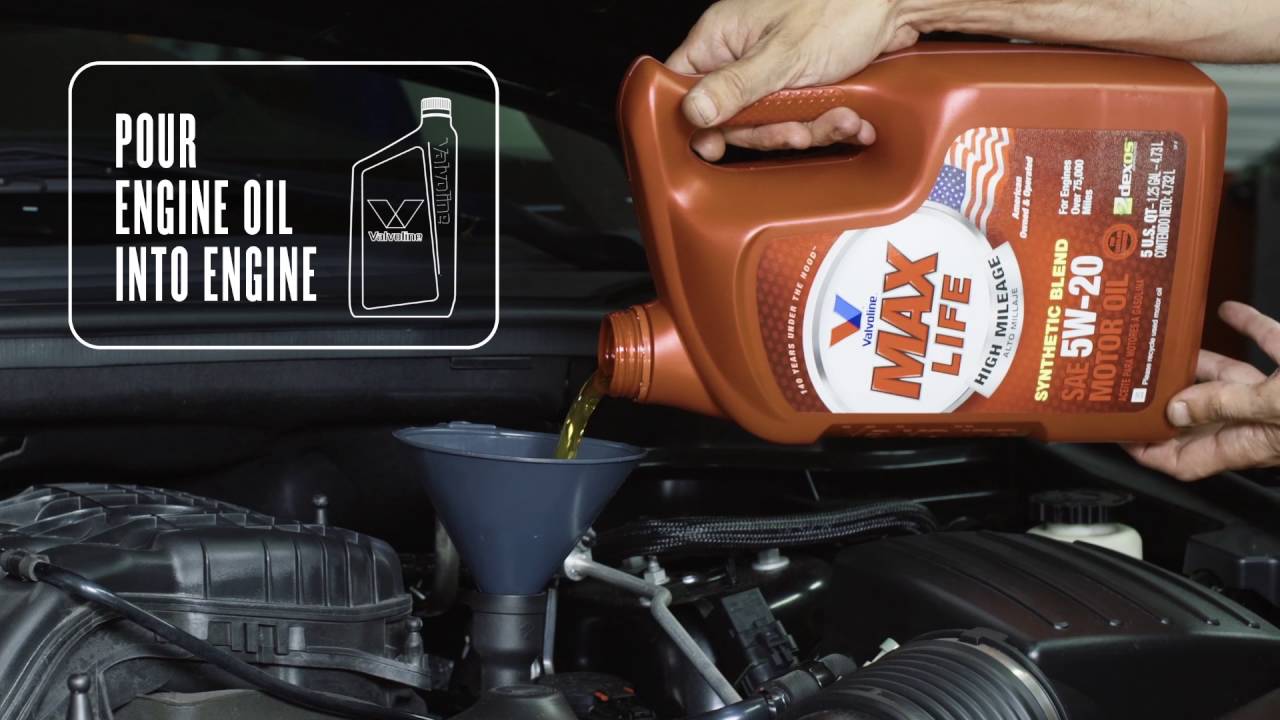
Why Synthetic Oil Is Best
Synthetic oil is designed for high performance and protection. Here’s why it’s the top choice for Grand Cherokees:
- Better temperature stability – Synthetic oil flows well in cold and hot weather, protecting your engine during every season.
- Longer intervals between oil changes – You can usually drive 7,500–10,000 miles between changes with synthetic oil.
- Reduced engine wear – Synthetic oil resists breakdown, keeping engine parts well-lubricated.
A common mistake: Using conventional oil to save money. This can shorten engine life and may void your warranty in newer models.
How To Choose The Right Oil Brand
While Jeep doesn’t require a specific brand, quality matters. Look for brands that meet or exceed API (American Petroleum Institute) and ILSAC standards.
Popular brands that fit Jeep Grand Cherokee requirements:
- Mobil 1
- Castrol Edge
- Pennzoil
- Valvoline
- Shell Rotella (diesel only)
Check for the correct viscosity and certification on the label.
Oil Capacity And Change Intervals
Knowing how much oil your engine needs is crucial when changing it yourself.
| Engine | Oil Capacity (quarts) | Typical Change Interval (miles) |
|---|---|---|
| 3.6L V6 | 5.9 | 7,500–10,000 |
| 5.7L V8 | 7.0 | 7,500–10,000 |
| 6.2L V8 | 8.0 | 6,000–8,000 |
| 2.0L Turbo | 5.0 | 7,500–10,000 |
Changing your oil on time is more important than many realize. Delaying can cause sludge buildup and reduce engine performance.
Oil Filter Selection
An often overlooked step is choosing the right oil filter. A quality filter removes tiny particles that can damage your engine. Some filters are better for synthetic oil.
Key tips:
- Choose filters rated for synthetic oil.
- Avoid cheap, generic filters.
- Replace the filter every oil change.
Brands like WIX, K&N, and Mopar are trusted for Jeep vehicles.
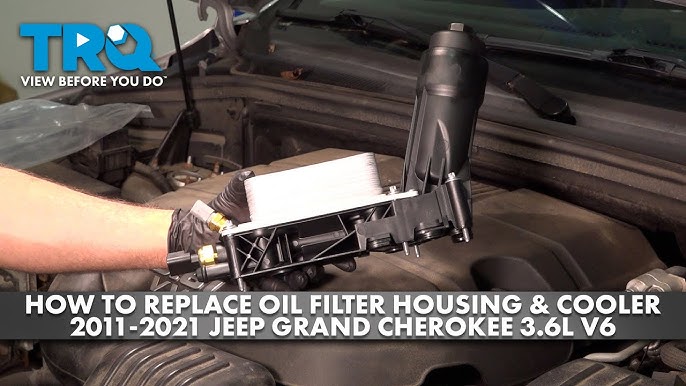
Practical Tips For Oil Change
Changing the oil yourself can save money, but mistakes can be costly. Here’s what beginners often miss:
- Double-check the viscosity and quantity before pouring.
- Warm up the engine for a few minutes. Warm oil drains better.
- Tighten the drain plug securely, but don’t overtighten.
- Dispose of old oil properly at a recycling center.
Never mix different types of oil, and always check for leaks after finishing.
How Weather Affects Oil Choice
If you live in a very hot or cold climate, oil viscosity matters even more. For example:
- 0W-20 is great for cold starts.
- 5W-20 and 0W-40 are good for warmer regions.
Extreme weather can affect oil thickness, so always choose the viscosity recommended for your engine and climate.
Comparing Conventional Vs Synthetic Oil
Understanding the differences helps you make the right decision.
| Oil Type | Performance | Change Interval | Price |
|---|---|---|---|
| Conventional | Basic protection | 3,000–5,000 miles | Lower |
| Synthetic | High protection | 7,500–10,000 miles | Higher |
Synthetic is more expensive but lasts longer and provides better protection.
Common Mistakes To Avoid
- Using the wrong viscosity.
- Forgetting to change the oil filter.
- Mixing synthetic and conventional oils.
- Ignoring oil change intervals.
- Using low-quality oil brands.
These mistakes can cause engine damage and expensive repairs.
Frequently Asked Questions
What Happens If I Use The Wrong Oil In My Jeep Grand Cherokee?
Using the wrong oil can lead to engine wear, poor performance, and even void your warranty. Always follow the recommended viscosity and type.
Can I Switch From Conventional To Synthetic Oil?
Yes, you can switch. Just make sure to use a quality synthetic oil and change the oil filter at the same time.
How Often Should I Change The Oil?
For most Grand Cherokees, change synthetic oil every 7,500–10,000 miles. If you drive in harsh conditions, change it more often.
Is It Okay To Use Aftermarket Oil Filters?
Yes, but only use filters from trusted brands and ones rated for synthetic oil. Cheap filters may not protect your engine well.
Where Can I Find Official Oil Recommendations For My Jeep?
Check your owner’s manual or visit the official Jeep website. For more details, see Jeep Care.
Choosing the right oil for your Jeep Grand Cherokee is simple once you know the facts. Always check your engine type, select a reputable synthetic oil, and stay on top of oil changes.
These steps keep your Jeep running smoothly for years and protect your investment.