If you drive a 2000 Jeep Cherokee or plan to upgrade its wheels, knowing the correct lug pattern is essential. The lug pattern, also called the bolt pattern, makes sure your wheels fit securely and safely.
Even small differences can cause big problems, from wobbly wheels to dangerous driving situations. This article will explain exactly what lug pattern your 2000 Jeep Cherokee uses, why it matters, how to measure it, and what else you need to know when changing wheels.
What Is A Lug Pattern?
A lug pattern describes how the bolts (or lugs) are arranged on a vehicle’s wheel hub. It is written as two numbers: the number of lug holes, followed by the diameter of the circle those holes form (in millimeters).
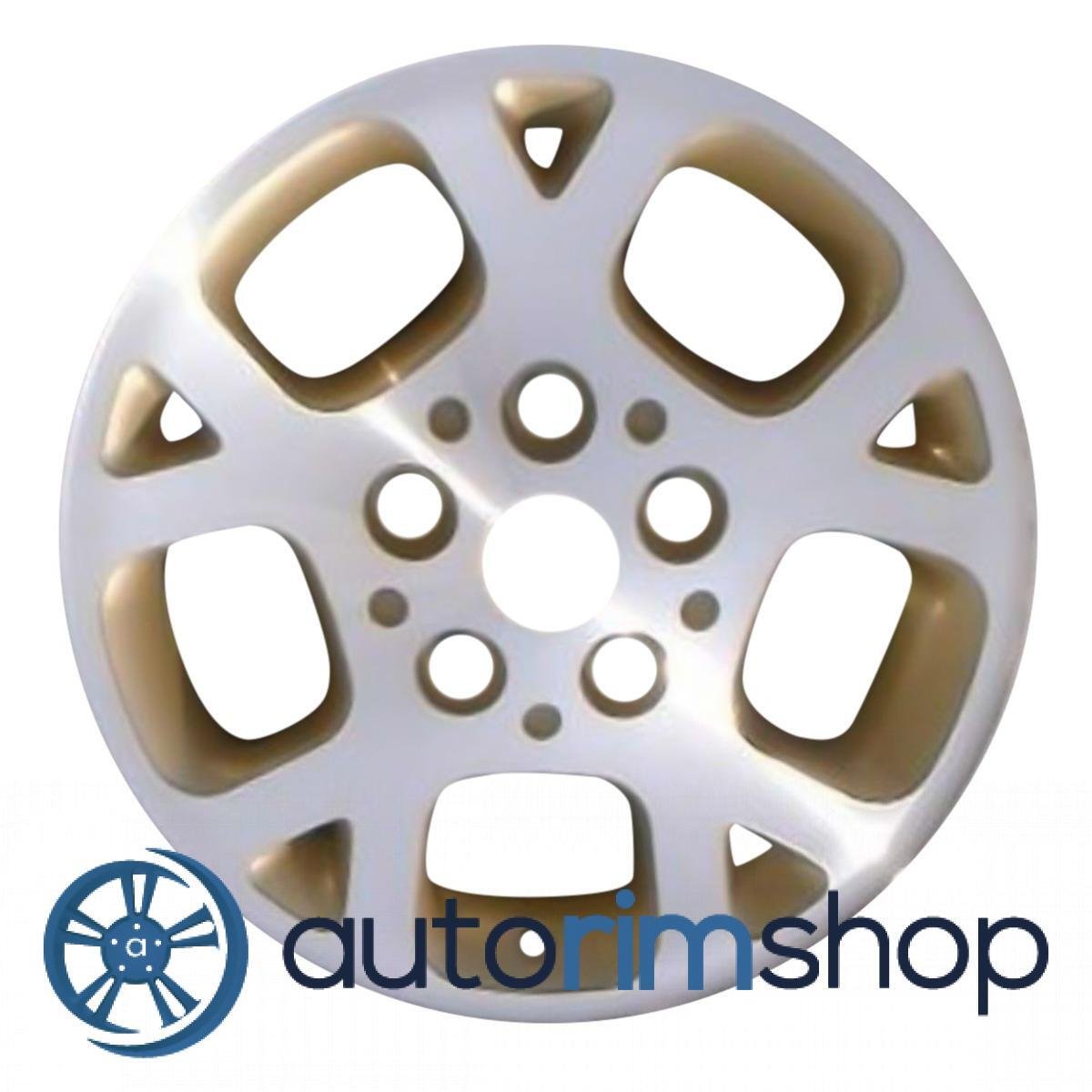
For example, a pattern listed as 5×114.3 means the wheel has five lug holes, and the diameter of the circle through the centers of these holes is 114.3 mm.
Matching the lug pattern is important for:
- Wheel safety: Incorrect patterns can cause wheels to loosen.
- Smooth driving: Mismatched wheels can cause vibration.
- Legal compliance: Some places require proper fitment for inspections.
The 2000 Jeep Cherokee Lug Pattern
The 2000 Jeep Cherokee (XJ model) uses a very specific lug pattern:
- 5×114.3 mm (Also known as 5×4.5 inches)
This means it has five lug nuts, spaced evenly around a circle that is 114. 3 mm in diameter.
Quick Reference Table
Here’s a handy summary of the key wheel specs for the 2000 Jeep Cherokee:
| Specification | 2000 Jeep Cherokee (XJ) |
|---|---|
| Lug Pattern | 5×114.3 mm (5×4.5″) |
| Center Bore | 71.5 mm |
| Lug Nut Size | 1/2″ – 20 |
| Offset | +25 mm to +31 mm |
Why The Lug Pattern Matters
Many Jeep owners want to upgrade their wheels, often for better looks or off-road performance. However, using the wrong lug pattern can:
- Cause the wheel to not seat properly
- Lead to vibrations or unsafe driving
- Damage the wheel hub or bolts
It’s not enough for the wheel to “almost fit.” The pattern must match exactly.
Example
A 5×127 mm wheel (used on some other Jeep models) will not fit a 5×114. 3 mm hub.
The bolt holes do not line up, so the wheel cannot be attached safely.
How To Measure A Lug Pattern
If you want to double-check your vehicle’s pattern, here’s how:
- Count the number of lug holes (should be 5 for a 2000 Cherokee).
- For 5-lug wheels, measure from the center of one bolt hole to the outer edge of the bolt hole directly across from it.
- Use a millimeter ruler or a bolt pattern gauge.
Measuring Example
If the distance measures about 114.3 mm, your Cherokee has the 5×114.3 mm pattern.

Common Mistakes When Changing Wheels
Many beginners assume all Jeep wheels are interchangeable. This is a mistake. Here are two less obvious things to watch for:
- Hub-centric vs lug-centric wheels: The stock Cherokee wheels are hub-centric, meaning the wheel’s center hole fits snugly on the hub. Some aftermarket wheels are lug-centric and rely only on the lugs for centering. This can cause vibrations if not installed carefully.
- Offset and backspacing: Even with the correct pattern, the wrong offset can make wheels rub against fenders or suspension parts. For the XJ Cherokee, stick to an offset close to +25 mm to +31 mm.
Wheel Swaps: What Else Fits?
Many Ford, Honda, and other Jeep models also use the 5×114.3 mm pattern. However, always check:
- Center bore: Wheels with a smaller bore will not fit over the hub.
- Offset: Too much difference can affect handling.
- Load rating: Off-road wheels must handle extra weight.
Here’s a brief comparison of popular models with the same pattern:
| Model | Lug Pattern | Center Bore |
|---|---|---|
| 2000 Jeep Cherokee | 5×114.3 mm | 71.5 mm |
| 2010 Ford Mustang | 5×114.3 mm | 70.5 mm |
| 2015 Honda Accord | 5×114.3 mm | 64.1 mm |
Notice how the center bore is different, even if the lug pattern matches.

Other Wheel Specs To Know
When upgrading your wheels, also check:
- Wheel diameter: Stock size is usually 15 inches, but some Cherokees have 16-inch wheels.
- Tire size: Going bigger may require a lift kit or fender trimming.
- Lug nut style: The Cherokee uses conical seat nuts, not mag or ball seat.
A small detail like lug nut type can create problems if missed.
Where To Find Reliable Wheel Specs
Always double-check your specs in your owner’s manual or trusted online guides. For more technical details on bolt patterns and wheel fitment, the Wikipedia: Wheel Stud Pattern page is a solid resource.
Frequently Asked Questions
What Is The Exact Lug Pattern For A 2000 Jeep Cherokee?
The 2000 Jeep Cherokee uses a 5×114.3 mm (5×4.5″) bolt pattern.
Can I Use Wheels From A Newer Jeep Model On My 2000 Cherokee?
Not always. Many newer Jeeps use a 5×127 mm pattern, which will not fit the Cherokee’s 5×114.3 mm hub.
What Size Are The Factory Lug Nuts?
The factory lug nuts are 1/2″ – 20 thread size, with a conical seat.
Do I Need Hub-centric Rings For Aftermarket Wheels?
If the new wheels have a larger center bore than 71. 5 mm, yes you need hub-centric rings for a snug fit and smooth driving.
How Do I Check If My Wheels Are Properly Installed?
After installation, torque the lug nuts to the recommended setting (usually around 95 ft-lbs for a Cherokee), then check them again after 50-100 miles.
When it comes to choosing wheels for your 2000 Jeep Cherokee, getting the lug pattern right is just the beginning. Pay attention to center bore, offset, and lug nut style to guarantee a safe and smooth ride.
A little extra care now can save you from headaches (and expense) down the road.