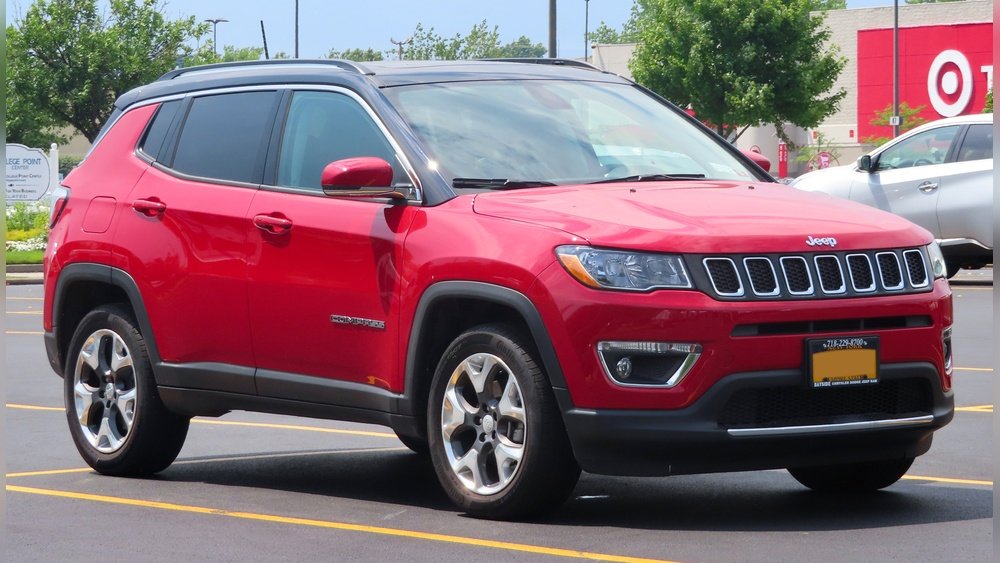
The Jeep Compass is a popular compact SUV known for its rugged design and ability to handle rough roads. Many buyers look for information about its ground clearance because it affects how the vehicle performs on different surfaces.
Whether you drive on city streets or take your Compass off-road, ground clearance is a key factor to consider. In this article, you'll learn the exact ground clearance of the Jeep Compass, how it compares to other SUVs, why it matters, and what this means for real-world driving.
What Is Ground Clearance?
Ground clearance is the distance between the lowest point of a vehicle and the ground. This measurement shows how easily a car can drive over bumps, rocks, or uneven terrain without getting damaged underneath. For SUVs like the Jeep Compass, ground clearance is important for both comfort and capability.
A higher ground clearance means:
- Less risk of scraping the bottom on obstacles
- Better ability to drive off-road
- Easier to handle deep snow or flooded roads
However, too much ground clearance can make a car harder to get into, and may affect handling on smooth roads.
Jeep Compass Ground Clearance Details
The 2024 Jeep Compass has a ground clearance of 8.2 inches (208 mm). This is enough for most city streets, country roads, and light off-roading. Jeep designed the Compass to give a balance between comfort and capability, so you get good performance without making the ride too harsh.
Here’s a quick comparison of Jeep Compass ground clearance across recent models:
| Year | Ground Clearance (inches) | Ground Clearance (mm) |
|---|---|---|
| 2024 | 8.2 | 208 |
| 2023 | 8.2 | 208 |
| 2022 | 8.2 | 208 |
| 2021 | 8.2 | 208 |
This shows that Jeep has kept the ground clearance steady across the latest models. It’s a proven height for the Compass, offering good versatility without making the car too tall.
How Does Compass Compare To Other Suvs?
Many buyers want to know how the Jeep Compass stacks up against other compact SUVs. Here’s a comparison of ground clearance between the Compass and some rivals:
| Model | Ground Clearance (inches) |
|---|---|
| Jeep Compass | 8.2 |
| Toyota RAV4 | 8.4 |
| Honda CR-V | 8.2 |
| Ford Escape | 7.8 |
| Subaru Forester | 8.7 |
You can see that the Jeep Compass is close to the average for its class. Models like the Subaru Forester and Toyota RAV4 have a little more clearance, while the Ford Escape is slightly lower. For most buyers, the Compass’s 8.
2 inches is enough for everyday driving and basic off-roading.
Why Ground Clearance Matters For Jeep Compass Owners
Ground clearance is not just a number—it affects how you use your SUV. Here are some situations where the Compass’s clearance helps:
- City driving: High clearance means you can cross speed bumps and potholes without scraping the bottom.
- Off-roading: If you want to drive on dirt roads or mild trails, 8.2 inches lets you handle rocks, mud, and uneven ground.
- Winter driving: Extra height helps you drive through deep snow or slush.
- Flooded roads: You can cross shallow floods safely if needed.
A non-obvious insight: Many drivers forget that ground clearance also affects the car’s ability to park near curbs. With the Jeep Compass, you’re less likely to damage the front bumper when parking.
Another tip: If you plan to add aftermarket accessories (like bigger wheels), check how they affect ground clearance. Sometimes, new parts can reduce the height and make your Compass less capable.

Factors That Affect Ground Clearance
The official ground clearance is measured when the car is empty and tires are at normal pressure. But in real life, several factors can change the actual clearance:
- Weight: Heavy loads (passengers or cargo) can lower the car slightly.
- Tire size: Larger tires can add a bit of clearance; smaller ones reduce it.
- Suspension wear: Old suspension parts can cause the car to sit lower.
If you drive regularly with heavy cargo, remember that your actual clearance may be a bit less than 8. 2 inches.
Off-roading With The Jeep Compass
The Jeep Compass is not a full-sized off-road SUV, but it does well for light trails. The Trailhawk version offers extra features for rough terrain, like skid plates and special tires. However, the ground clearance stays about the same (8.2 inches).
Here are some off-roading tips:
- Go slow over big bumps and rocks
- Avoid deep water crossings
- Check your path for obstacles before driving
If you need more advanced off-roading, a larger Jeep model like the Wrangler may be better. But for most adventures, the Compass’s clearance is enough.

Pros And Cons Of Jeep Compass Ground Clearance
| Pros | Cons |
|---|---|
| Handles bumps and potholes easily | Not as high as some off-road-focused SUVs |
| Good for light off-roading | May lose clearance with heavy cargo |
| Helps in snow and floods | Can be harder to enter for some drivers |
Most users find the balance right for city and country driving. For extreme off-road use, you may want more height.
Frequently Asked Questions
What Is The Ground Clearance Of The Jeep Compass?
The Jeep Compass offers 8.2 inches (208 mm) of ground clearance in most recent models. This is the standard height for the base and Trailhawk versions.
Is The Ground Clearance Enough For Off-roading?
For light and moderate off-road trails, 8. 2 inches is usually enough.
If you plan serious off-roading, consider a Jeep Wrangler or look for aftermarket lift kits.
Does Ground Clearance Change With Passengers Or Cargo?
Yes, heavy loads can lower the car’s clearance by a small amount. The difference is usually not large, but it’s good to keep in mind if you often carry many passengers or items.
How Does Jeep Compass Ground Clearance Compare To Rivals?
It’s close to the average for compact SUVs. Some models have slightly more or less height, but 8. 2 inches is competitive.
Where Can I Find Official Jeep Compass Specifications?
You can see the official specs on the Jeep Official Site. This gives detailed information about ground clearance and other features.
The Jeep Compass’s ground clearance makes it a smart choice for drivers who want a mix of city comfort and country capability. Whether you drive daily or take short adventures, 8.
2 inches gives you confidence and flexibility. Always check the latest specs before buying, and remember that real-world factors can change the actual clearance.
With this knowledge, you can choose the right SUV for your needs.