If you’ve ever shopped for a Jeep or read through its specs, you might have seen the term Anti Spin Differential Rear Axle. It sounds technical, but for many Jeep owners, it’s a feature that can make a real difference on and off the road.
Whether you’re curious about what it does or wondering if it’s worth having, understanding this system can help you get the most out of your Jeep.
What Is An Anti Spin Differential Rear Axle?
A differential is a mechanical device found in most vehicles. It allows the left and right wheels on an axle to spin at different speeds, especially when turning. Without a differential, your tires would slip and wear out quickly. However, a basic or “open” differential can sometimes cause problems, especially on loose or slippery surfaces. If one tire loses grip, all the power goes to that spinning wheel, and your vehicle can get stuck.
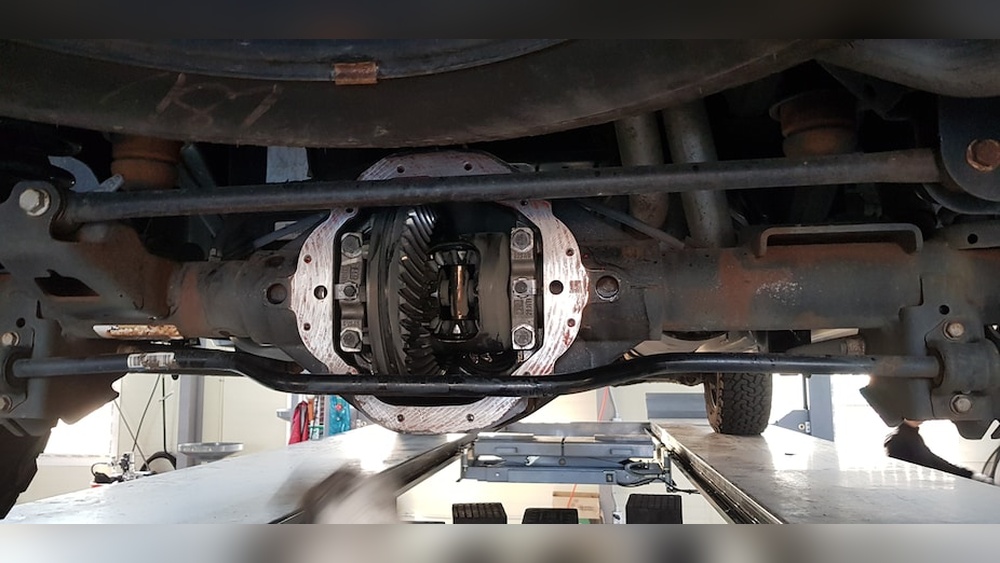
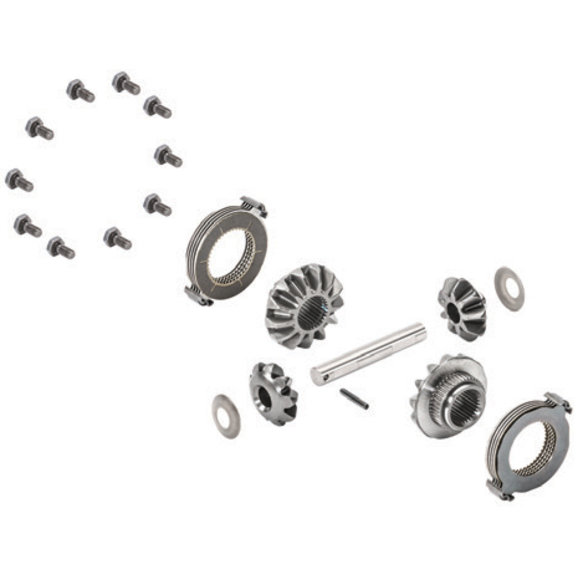
The Anti Spin Differential Rear Axle is Jeep’s term for a type of limited slip differential. This system automatically tries to stop one wheel from spinning much faster than the other. When it senses one rear tire losing traction, it sends more power to the wheel with grip. This helps your Jeep move forward, even when things get slippery.
How Does It Work?
The magic happens inside the rear axle. The anti spin differential uses a set of clutches or gears that react when there’s a difference in wheel speed.
If one tire starts spinning too fast (like on ice, mud, or loose gravel), the clutches tighten and connect both wheels more closely.
This pushes more torque to the wheel with better traction.
Here’s a simple example: imagine your Jeep is parked with one tire on pavement and one on wet grass. Without anti spin, pressing the gas might just spin the grassy tire and go nowhere. With the anti spin system, the axle senses the slip and helps deliver power to the tire on the pavement, making it much easier to move.

Key Benefits
Many Jeep drivers choose the Anti Spin Differential Rear Axle for these main reasons:
- Better traction on rough terrain – Great for off-roading, snow, mud, and sand.
- Improved safety – Reduces the chance of getting stuck on slippery surfaces.
- No need for manual controls – The system works automatically, so you don’t have to push any buttons or pull levers.
- Longer tire life – By reducing wheelspin, it helps prevent tire damage.
Let’s compare how different rear axle types perform in common situations:
| Situation | Open Differential | Anti Spin Differential |
|---|---|---|
| Wet pavement | One wheel may spin | Both wheels get power |
| Off-road (mud/sand) | Easy to get stuck | Better chance to keep moving |
| Turning on dry road | Works well | Works well |
Is It The Same As A Locking Differential?
It’s easy to confuse anti spin differential with a locking differential. Both improve traction, but they work in different ways.
- Anti spin (limited slip): Connects the wheels more when there’s slip, but still allows some difference in speed when turning.
- Locking differential: Locks both wheels together completely, so they turn at the same speed no matter what.
Lockers are best for extreme off-roading and rock crawling, but can make turning on pavement awkward or even dangerous. Anti spin is a good balance for daily driving and mild to moderate off-roading.
Here’s a quick comparison:
| Feature | Anti Spin Differential | Locking Differential |
|---|---|---|
| Traction improvement | Moderate | Maximum |
| Everyday driving | Very smooth | Can be rough |
| Automatic? | Yes | Usually manual |
| Best for | Mixed driving | Extreme off-road |
When Do You Need It?
Not every driver needs an anti spin differential. But it’s a smart choice if you:
- Live in areas with snow, ice, or heavy rain
- Enjoy camping, hiking, or outdoor adventures
- Use your Jeep for towing or hauling
- Often drive on gravel, dirt, or unpaved roads
If you only drive on paved city streets, a standard differential may be fine. However, the anti spin system adds peace of mind and can save you from getting stuck at the worst times.
Common Misconceptions
Some believe that anti spin makes your Jeep unstoppable. That’s not true.
It helps, but if both wheels have no traction, you can still get stuck. Also, while it’s automatic, the system can wear out over time, especially if abused.
A non-obvious fact: anti spin differentials may perform differently depending on maintenance. Old or worn-out fluid can make the system less effective. Jeep recommends changing the axle fluid at set intervals for best performance.
Another insight: after-market upgrades exist, but not all are compatible with every Jeep model. Double-check before buying parts or making modifications.
Real-world Example
Consider a Jeep Wrangler owner in Colorado. They drive mountain roads in winter and love off-roading in summer.
With anti spin, they find it much easier to get through snowy driveways and muddy trails. The system works quietly in the background, giving extra confidence without extra effort.
Frequently Asked Questions
What Does “anti Spin Differential” Mean On My Jeep?
It means your Jeep has a limited slip rear axle. The system helps prevent one wheel from spinning too much if it loses traction, by sending more power to the other wheel.
Is Anti Spin Differential The Same As Four-wheel Drive?
No, they are different. Four-wheel drive sends power to all four wheels, while anti spin differential manages power between just the two rear wheels.
Can I Add Anti Spin Differential To My Jeep Later?
Some models allow adding it as an upgrade, but it can be expensive. It’s easier and cheaper to buy a Jeep with the system already installed.
How Do I Know If My Jeep Has Anti Spin Differential?
Check your window sticker, owner’s manual, or the build sheet. You can also look for an axle tag or ask your dealer to check using your VIN.
Is It Worth Paying Extra For Anti Spin Differential?
If you drive in tough conditions or like off-roading, it’s usually worth the cost. For mostly city driving, the benefit is smaller, but it still adds value and peace of mind.
The Anti Spin Differential Rear Axle is a smart, hands-off way to boost your Jeep’s traction and safety in many driving situations. It’s not a magic solution, but it can be a real lifesaver when things get slippery or rough. For more technical details, you can explore the official Wikipedia page on limited slip differentials. If you’re considering a Jeep or thinking about upgrades, understanding this feature will help you make a confident, informed choice.