When you own a Jeep, you might come across the term “au joint” and wonder what it means. If you search online or ask mechanics, you may get mixed answers.
Some say it’s a part, others call it a typo, and a few even mention it in Jeep forums.
Let’s cut through the confusion and clarify what “au joint” actually is on a Jeep, why it matters, and what you should know as a Jeep owner or enthusiast.
What Does “au Joint” Really Mean?
The phrase “au joint” is not an official term in automotive engineering or Jeep manuals. Most often, it is a simple misspelling or mispronunciation of “U-joint” or universal joint. Sometimes, it’s caused by autocorrect mistakes or language barriers, especially for non-native English speakers.
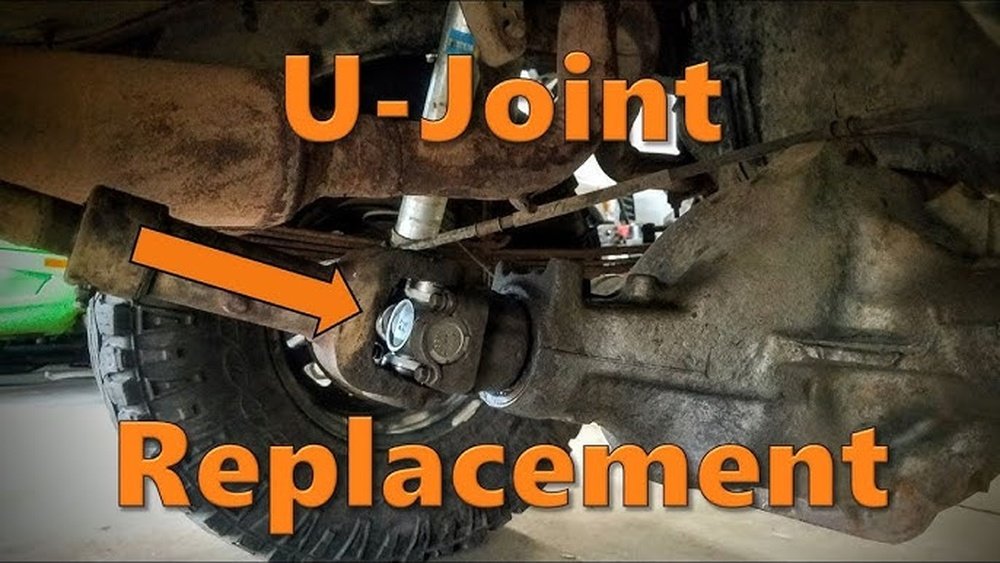
In automotive language, a U-joint is a critical component in the drive shaft system. It helps transfer power from the Jeep’s transmission to the axles, allowing the driveshaft to flex as the suspension moves. This is especially important in 4×4 vehicles like Jeeps, which need to handle rough, uneven terrain.
What Is A U-joint On A Jeep?
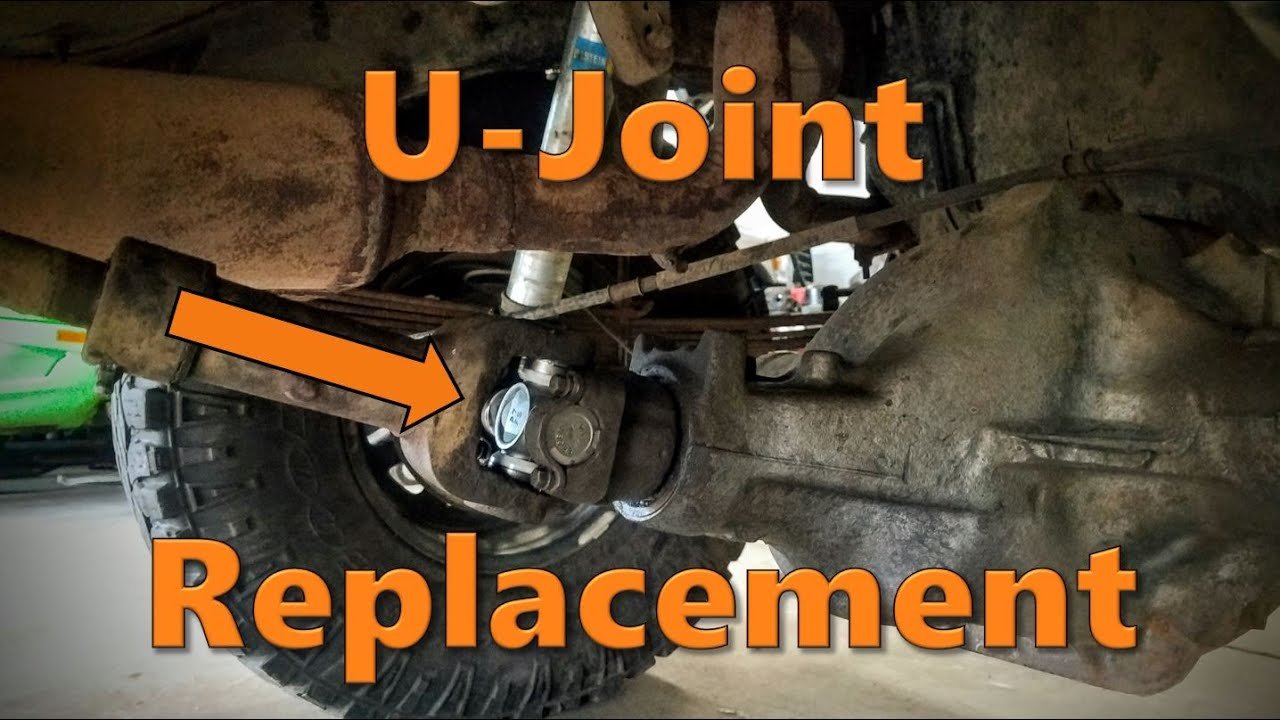
A U-joint, or universal joint, is a small, cross-shaped part with four arms. It connects the driveshaft to the axles and lets it rotate at different angles. Without U-joints, the driveshaft would be rigid and could not move with the suspension.
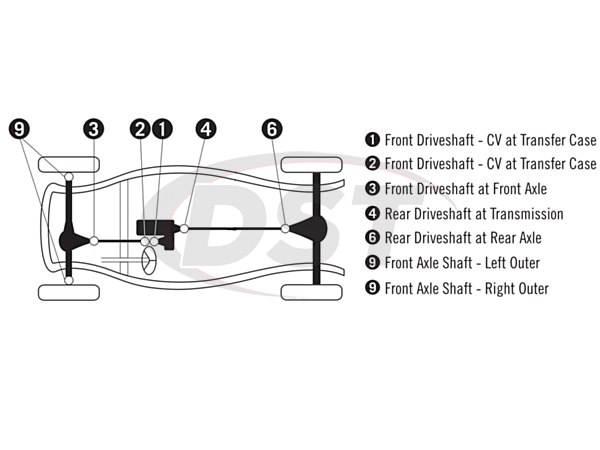
Where You’ll Find U-joints
- Front driveshaft: Connects the transfer case to the front axle.
- Rear driveshaft: Connects the transfer case to the rear axle.
- Axle shafts: Sometimes, U-joints are inside the front axle, especially on older or off-road Jeeps.
Why U-joints Matter
U-joints allow your Jeep to flex and move over obstacles. If a U-joint fails, your Jeep could lose the ability to send power to the wheels.
In the worst case, a broken U-joint can cause the driveshaft to fall and damage other parts.
How U-joints Work
A U-joint uses needle bearings inside small caps. When the driveshaft spins, the arms of the U-joint rotate inside these bearings. This lets the driveshaft change angle as the suspension moves up and down. It’s a simple but clever way to keep power flowing, even on bumpy roads.
Example: Jeep Wrangler
For example, the Jeep Wrangler JK uses two U-joints on the rear driveshaft and at least two on the front. If you lift your Jeep or use it for off-roading, U-joints wear out faster due to higher angles and stress.
Common U-joint Problems
Most Jeep owners will face U-joint issues at some point, especially if they drive off-road. Here’s what to look for:
- Vibration: If you feel shaking at certain speeds, a worn U-joint could be the cause.
- Clunking noise: When shifting from park to drive, a failed U-joint often makes a metallic clunk.
- Grease leaks: If the U-joint’s seals fail, you might see grease around the joint.
- Rust and wear: Off-roading can expose U-joints to water and mud, leading to rust.
If you ignore these signs, the U-joint can break and leave you stranded. Replacing a U-joint early is much cheaper than fixing a damaged driveshaft.

How To Check And Replace U-joints
Checking U-joints is simple:
- Park the Jeep on level ground.
- Put the transmission in neutral and block the wheels.
- Grab the driveshaft near the U-joint and try to wiggle it.
- If you see or feel movement, the U-joint is worn.
Replacing a U-joint requires some tools: a hammer, a socket, and sometimes a special U-joint press. Most replacement U-joints cost between $20 and $50, but labor can add $100 or more if you use a shop.
Comparing U-joints: Types And Costs
There are several types of U-joints available. Here’s a quick comparison:
| Type | Best For | Average Price | Durability |
|---|---|---|---|
| Greaseable | Off-road/Heavy Use | $25-$50 | High (with maintenance) |
| Non-Greaseable | Daily Driving | $20-$40 | Medium |
| Performance | Lifted Jeeps | $40-$100 | Very High |
Greaseable U-joints require regular lubrication but last longer if maintained. Non-greaseable types are sealed and maintenance-free but can’t be repaired once they dry out. Performance U-joints use stronger materials for extreme off-road use.
U-joints Vs Cv Joints
You might hear about CV joints (constant velocity joints) as well. Here’s a quick comparison to help:
| Feature | U-Joint | CV Joint |
|---|---|---|
| Flexibility | Good (up to 30°) | Excellent (up to 45° or more) |
| Durability | Strong, simple | Complex, can wear out faster |
| Maintenance | Easy | Needs special tools |
| Cost | Lower | Higher |
Most Jeeps use U-joints, but some modern models use CV joints for smoother operation at higher speeds.
When To Replace U-joints
There is no fixed schedule, but most U-joints last between 60,000 and 100,000 miles. Off-road driving, water crossings, and lifting your Jeep can shorten this lifespan.
Regular inspection every oil change is a smart habit.
A common beginner mistake is ignoring the first signs of wear, thinking the noise will go away. That usually leads to more expensive repairs.
Expert Tips For Jeep Owners
- Use quality parts: Cheap U-joints often fail early. Stick with trusted brands.
- Regular greasing: If you have greaseable U-joints, lubricate every 5,000 miles or after water/mud exposure.
- Check after off-roading: Inspect U-joints for damage after tough trails.
- Don’t ignore noises: Early repairs prevent bigger problems.
One thing many new owners miss: Even if your Jeep is new, U-joints can wear quickly if you often drive in deep water or mud. Always rinse undercarriage parts to remove dirt and salt.
For more technical details on U-joints and their role in vehicle dynamics, you can read the in-depth explanation on Wikipedia.
Frequently Asked Questions
What Is The Correct Term, “au Joint” Or “u-joint”?
The correct term is U-joint, short for universal joint. “Au joint” is a common spelling mistake.
How Can I Tell If My Jeep’s U-joint Is Bad?
Watch for vibrations, clunking noises, or visible rust and play in the driveshaft. These are key signs of a failing U-joint.
Can I Drive My Jeep With A Bad U-joint?
It’s risky. A failing U-joint can break completely, causing the driveshaft to fall.
Always replace it as soon as you notice a problem.
How Often Should I Grease U-joints?
If your Jeep has greaseable U-joints, lubricate them every 5,000 miles or after water/mud exposure.
Are U-joints Hard To Replace On A Jeep?
For someone with basic tools and mechanical skill, replacing a U-joint is straightforward. If you’re unsure, a mechanic can do it quickly and safely.
Knowing the real meaning of “au joint” helps you avoid confusion and take better care of your Jeep. U-joints are simple but vital parts treat them well, and your Jeep will handle adventures with confidence.