Owning a Jeep is not just about driving a vehicle—it’s a whole lifestyle. One feature that often catches new Jeep owners by surprise is the Freedom Top. If you’ve seen the term in brochures or heard it from other Jeep enthusiasts but never quite understood what it means, you’re not alone. The Jeep Freedom Top is more than just a roof; it’s a unique blend of function, style, and adventure. This article explains exactly what a Jeep Freedom Top is, how it works, and how it compares to other Jeep tops. If you’re thinking about buying a Jeep Wrangler or just want to know more, you’ll find clear answers here.
What Is A Jeep Freedom Top?
The Jeep Freedom Top is a modular hardtop roof system designed for Jeep Wrangler models. Introduced in the mid-2000s, it replaced older one-piece hardtops with a more flexible, user-friendly design. The Freedom Top is made from strong, lightweight fiberglass or composite materials, making it more durable than traditional soft tops and easier to handle than earlier heavy hardtops.
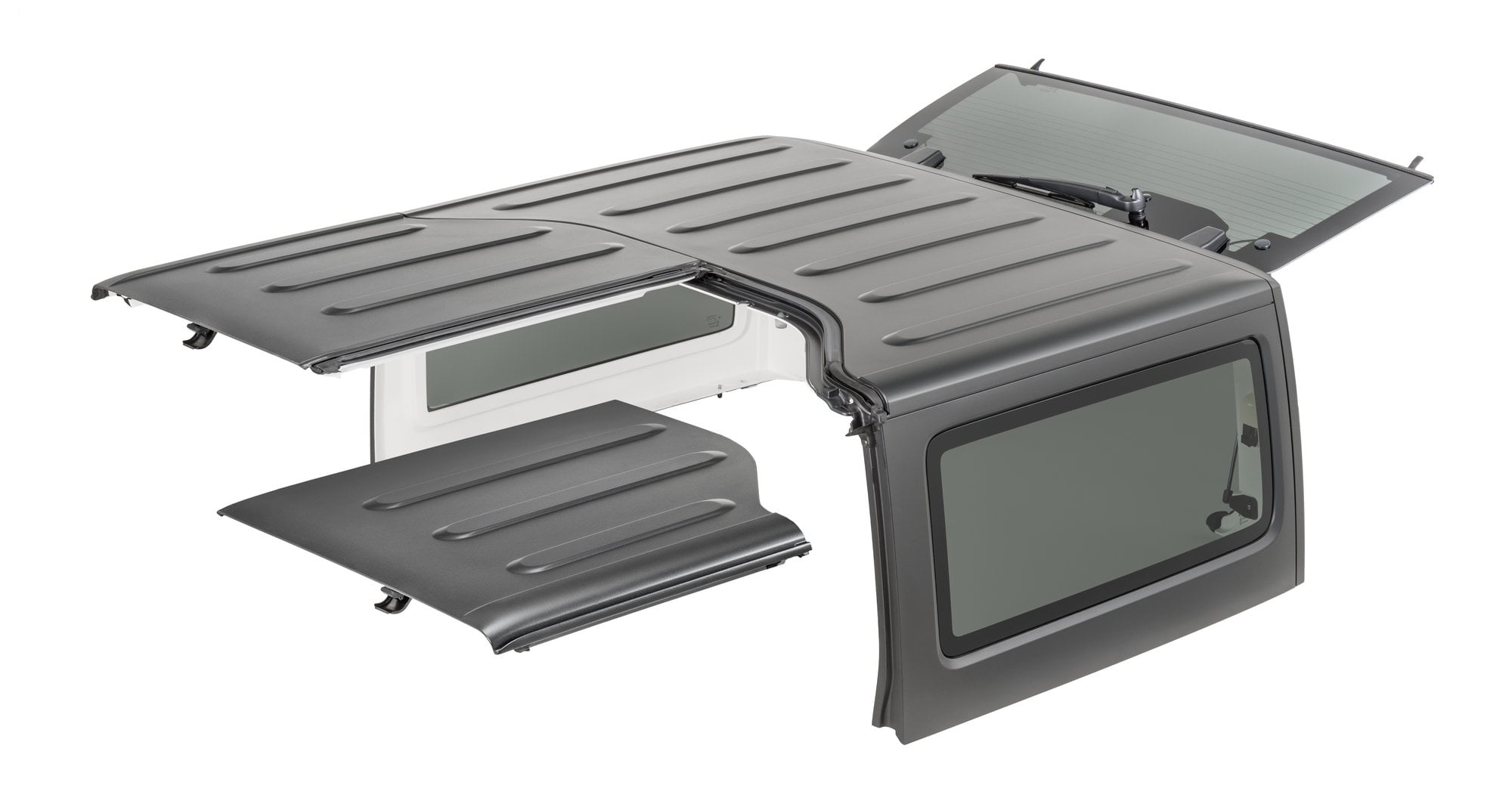
A unique feature of the Freedom Top is its three-piece construction:
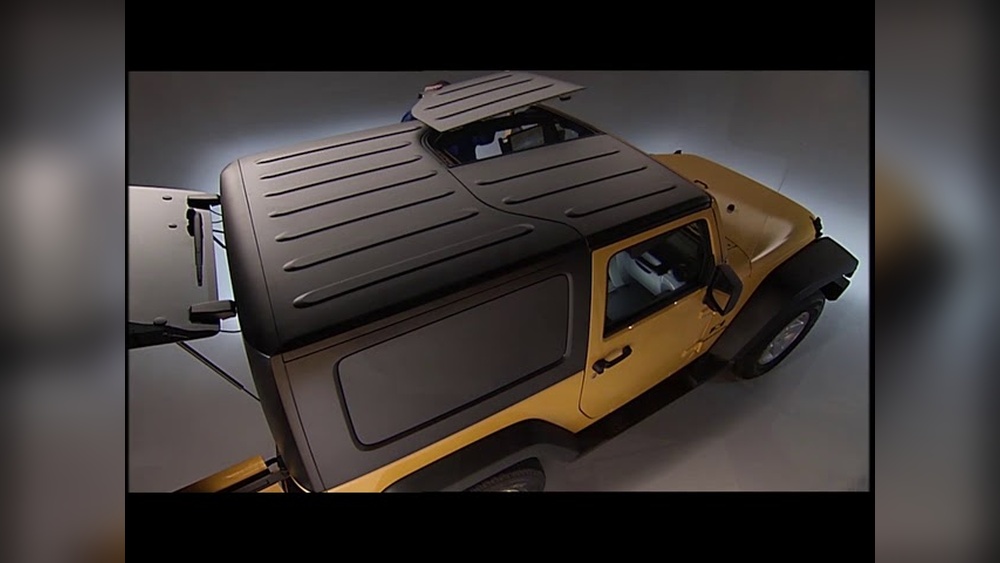
- Two removable front panels (called “Freedom Panels”) over the driver and passenger
- A larger rear section that covers the back seats and cargo area
This design lets drivers remove just the front panels for an open-air feel, or take off the entire top for a full convertible experience.
Key Features Of The Jeep Freedom Top
Jeep designed the Freedom Top with both comfort and adventure in mind. Here are some core features:
- Easy removal: The two front panels can be removed by one person in minutes, using simple latches—no special tools required.
- Weather protection: The hardtop gives better insulation against rain, snow, wind, and noise compared to a soft top.
- Security: With its solid build, the Freedom Top offers more security for items inside the vehicle.
- Customizable experience: You can drive with the full top, just the front panels off, or the entire roof removed.
How The Freedom Top Works
Unlike older Jeep hardtops, the Freedom Top breaks down into manageable pieces. Here’s how it works in practice:
- Removing the front panels: Flip a few latches inside the cabin, lift off the panels, and store them in the cargo area or at home.
- Taking off the rear section: This part is larger and heavier (about 60 pounds), usually requiring two people. It’s secured with bolts and latches at the back and sides.
The modular design means you don’t have to commit to a full roof removal every time you want fresh air. It’s a flexible solution for different weather and adventure needs.
Comparison: Freedom Top Vs. Other Jeep Roofs
Choosing the right roof is a big decision for Jeep owners. Here’s a side-by-side look at how the Freedom Top compares to other roof options.
| Feature | Freedom Top (Hardtop) | Soft Top | Sunrider Top |
|---|---|---|---|
| Material | Fiberglass/Composite | Vinyl/Fabric | Vinyl/Fabric |
| Weather Protection | Excellent | Good | Good |
| Noise Level | Low | High | Medium |
| Removal Effort | Medium | Easy | Very Easy |
| Cost | High | Lower | Lower |
The Freedom Top is perfect for drivers who want the security and quiet of a hardtop, but still want to enjoy open-air driving.
Pros And Cons Of The Freedom Top
Every Jeep roof has strengths and weaknesses. Understanding these will help you make a smart choice.
| Pros | Cons |
|---|---|
|
|
Practical Tips For Using A Freedom Top
- Store panels safely: The front panels can scratch or crack if dropped. Use a padded bag or the Jeep’s included storage case.
- Check for leaks: After reinstalling, make sure all latches are tight. Gaps may cause water leaks during rain.
- Lubricate seals: Every few months, use silicone spray on rubber seals to keep them flexible and prevent squeaks.
- Plan for storage: The rear section is large. If you remove it, you’ll need a safe place to keep it at home.
- Avoid frequent removal in winter: Cold weather can make the seals stiff and harder to remove or reinstall.
Two insights most beginners miss:
- Freedom Top panel weight: Even the small panels can be heavier than you expect. Always lift with care, especially if you have back issues.
- Insurance impact: Replacing a Freedom Top can be expensive. Some insurance policies cover hardtop damage, but not all. Double-check your coverage before removing or storing the roof.
Is The Freedom Top Right For You?
The answer depends on your driving habits and where you live. If you use your Jeep for daily driving in all weather, the Freedom Top offers the best mix of comfort, security, and flexibility.
If you prefer a lighter, easier-to-remove top and don’t mind more road noise or less security, a soft top might suit you better.
For drivers who want to swap between tops, it’s possible to own both a hardtop for winter and a soft top for summer. Many Jeep owners enjoy this flexibility, though it does mean extra cost and storage space.
Frequently Asked Questions
What Is The Difference Between The Jeep Freedom Top And A Regular Hardtop?
The Freedom Top is a modular hardtop with two removable front panels, while a regular hardtop is a single, heavy piece that must be removed all at once. The Freedom Top gives you more options for partial or full open-air driving.
Can One Person Remove The Freedom Top?
One person can easily remove the front panels. The rear section is larger and heavier, usually needing two people for safe removal.
Does The Freedom Top Leak?
When properly installed, the Freedom Top seals tightly. However, leaks can happen if latches are not secured or seals are damaged. Regular maintenance helps prevent leaks.
How Much Does A Freedom Top Weigh?
Each front panel weighs about 10-12 pounds. The rear section weighs around 60 pounds for a two-door, or up to 70 pounds for a four-door Wrangler.
Where Can I Learn More About Jeep Freedom Tops?
You can read more details on the official Jeep Wrangler website for the latest information and specifications.
Driving a Jeep means having choices, and the Freedom Top is one of the best for anyone who wants both adventure and comfort. With a bit of care and planning, it can make every trip more enjoyable—whether you’re cruising city streets or heading into the wild.