A Jeep is famous for its rugged design and ability to handle rough terrain. Many owners want to improve both the look and performance of their Jeeps.
One common upgrade is a body lift. But what exactly is a body lift, and how does it affect your Jeep?
If you’re curious about what a body lift involves, how it works, and whether it’s right for you, this article will give you clear, practical answers.
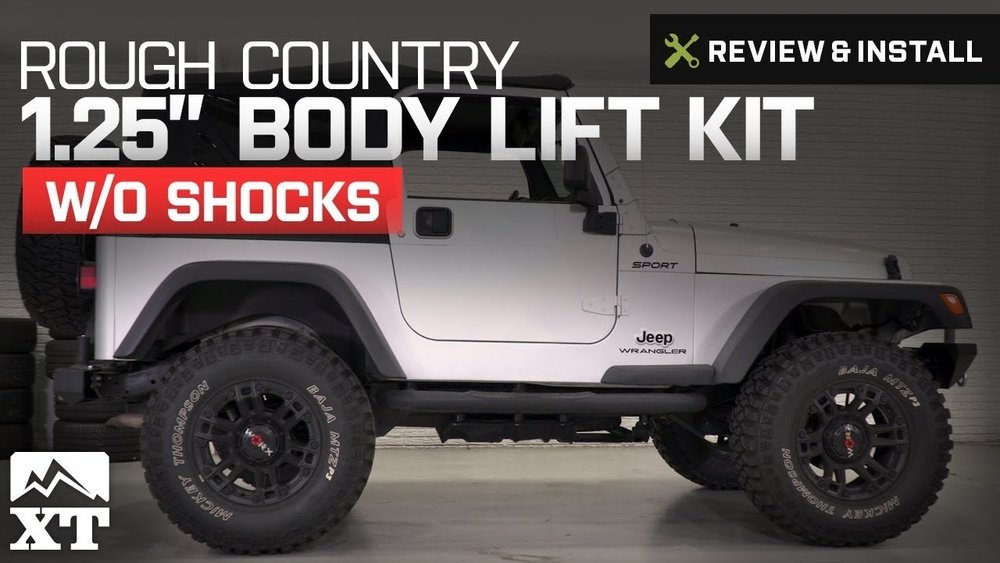
What Is A Body Lift?
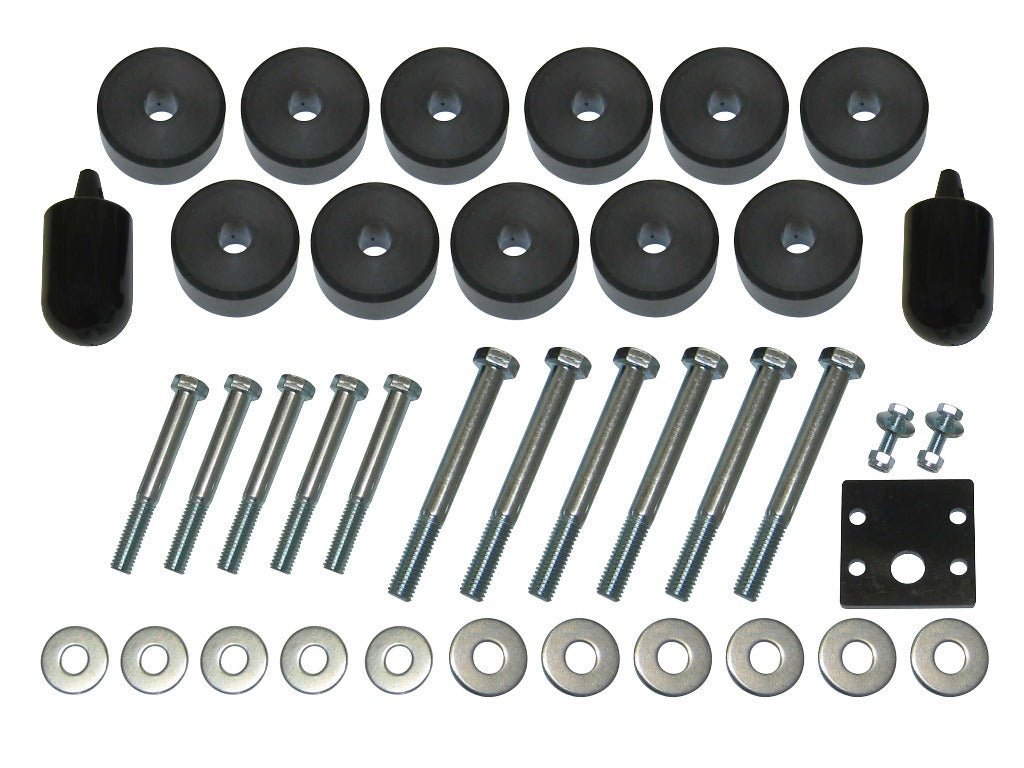
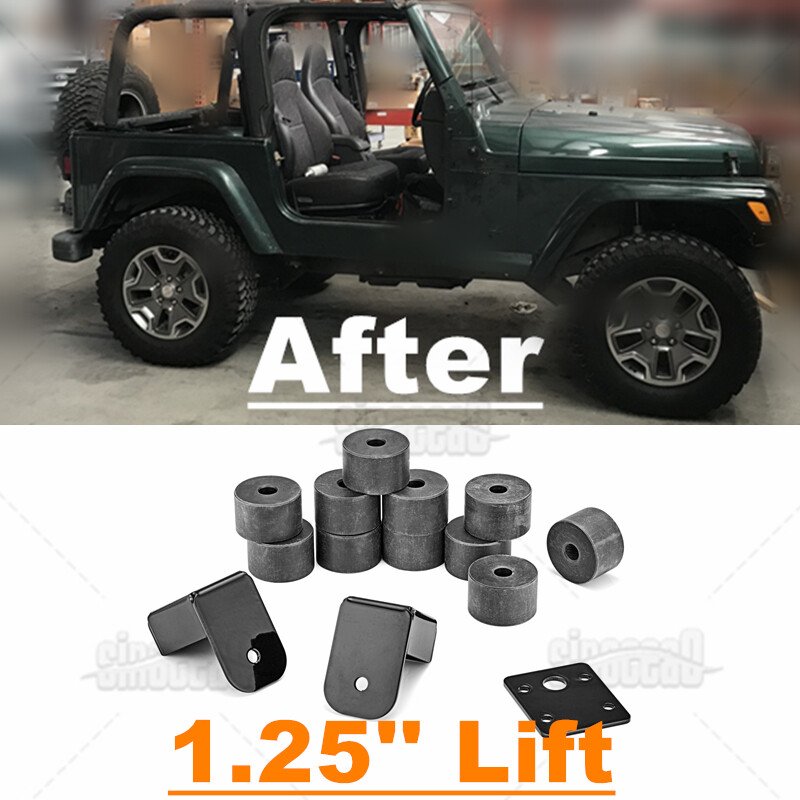
A body lift is a modification that raises the Jeep’s body higher above the frame. It uses special spacers (called lift blocks) placed between the body and the frame. These spacers are usually made of high-density polyurethane or aluminum. The most common heights are 1 to 3 inches.
Unlike a suspension lift, which raises the entire vehicle including wheels and axles, a body lift only raises the body. The frame, suspension, and wheels stay at their original height. This makes body lifts cheaper and easier to install.
Main Benefits Of A Body Lift
There are several reasons Jeep owners choose a body lift:
- Tire Clearance: A body lift creates extra space in the wheel wells. This lets you fit larger tires without rubbing.
- Appearance: Many people like the taller, more aggressive look a body lift gives their Jeep.
- Cost-effective: Compared to suspension lifts, body lifts are affordable and require less labor.
- Minimal Impact on Ride: Since the suspension isn’t changed, the ride quality remains mostly the same.
Some Jeep models, like the Jeep Wrangler, are popular for body lifts because they’re easy to work on and have strong aftermarket support.
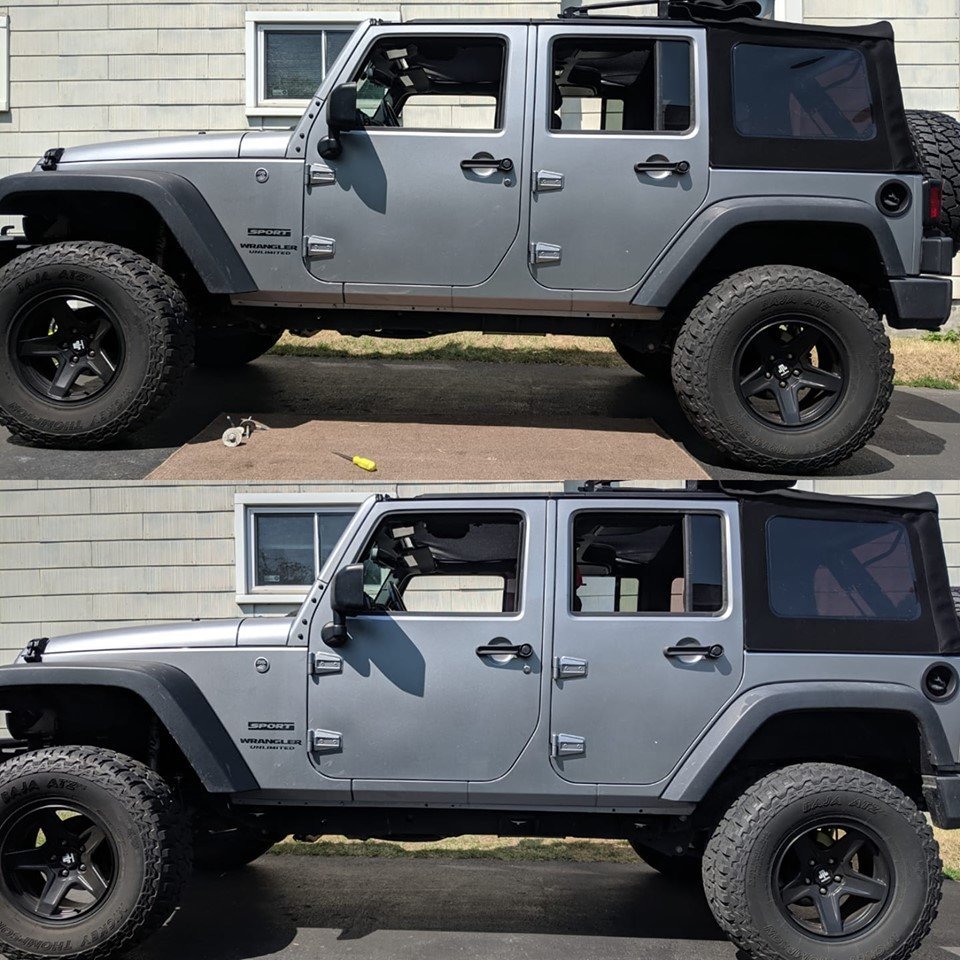
How Is A Body Lift Installed?
Installing a body lift involves several steps. Most kits come with all the hardware needed, but some experience with tools is helpful.
- Lift the Body: The body is separated from the frame using a jack or hoist.
- Insert Lift Blocks: Spacers are placed between the body and frame mounting points.
- Replace Bolts: Longer bolts are used to secure the body back onto the frame.
- Adjust Accessories: Parts like brake lines, fuel lines, and shift linkages may need adjustment.
The installation can take 4 6 hours for someone with moderate skill. Professional shops may do it faster. Always follow the manufacturer’s instructions.
Here’s a comparison of body lift vs suspension lift for clarity:
| Feature | Body Lift | Suspension Lift |
|---|---|---|
| Cost | $150–$400 | $700–$2,500+ |
| Lift Height | 1–3 inches | 2–6 inches |
| Ride Quality | Unchanged | Varies |
| Install Time | 4–6 hours | 8–16 hours |
| Off-Road Impact | Minimal | Major |
What Are The Drawbacks?
While body lifts are popular, they have some downsides:
- Limited Height: Most body lifts max out at 3 inches. For more height, you need a suspension lift.
- Gap Between Body and Frame: The increased space can make your Jeep look odd if not covered with gap guards.
- Accessory Alignment Issues: Bumpers, steering, and shift linkage may need adjustment.
Some beginners miss that a body lift does not actually improve ground clearance under the frame or axles. It only helps with tire clearance and appearance.
Is A Body Lift Safe?
A body lift is safe if installed correctly and not overdone. Using quality parts and following torque specs is important.
Cheap kits or improper installation can lead to problems like loose bolts or body flex.
For example, using more than 3 inches of lift can stress body mounts. This may cause body roll or even damage to mounting points. Always use kits designed for your specific Jeep model.
When Should You Choose A Body Lift?
A body lift is a good option if:
- You want larger tires but don’t need extra ground clearance.
- Your budget is limited.
- You prefer a simple installation.
However, if you plan serious off-roading or want much higher clearance, a suspension lift is better.
Here’s a quick guide to help decide:
| Need | Best Choice |
|---|---|
| Bigger tires (33–35″) | Body lift |
| More ground clearance | Suspension lift |
| Serious off-roading | Suspension lift |
| Budget upgrade | Body lift |
Practical Tips For Jeep Owners
If you decide on a body lift, keep these tips in mind:
- Use gap guards to cover the space between body and frame.
- Check all accessories like bumpers and shift linkages for proper alignment.
- Inspect bolts and mounts regularly after installation.
- Combine a small body lift (1–2″) with a mild suspension lift for balanced performance.
- Always choose kits from trusted brands.
A common mistake is ignoring the alignment of bumpers and accessories. This can cause rattling or damage, especially on rough roads.
For more technical details, you can check the Jeep Wrangler body lift section on Wikipedia.
Frequently Asked Questions
What Size Tires Can I Fit With A Body Lift?
Most Jeep owners can fit up to 33-inch tires with a 2-inch body lift. Larger tires may need additional suspension modifications.
Will A Body Lift Affect My Jeep’s Handling?
A small body lift (1–2 inches) usually has no effect on handling. Larger lifts can cause slight body roll, especially if not installed properly.
Can I Combine A Body Lift With A Suspension Lift?
Yes. Combining both lets you fit bigger tires and improve ground clearance.
A common setup is a 2″ body lift plus a 2″ suspension lift.
Does A Body Lift Increase Ground Clearance?
No. A body lift only raises the body. Ground clearance under the frame and axles stays the same.
Is A Body Lift Difficult To Install?
For most Jeeps, a body lift is a moderate DIY project. Basic tools and mechanical knowledge are needed.
It’s best to have a helper and follow step-by-step instructions.
A body lift is a simple, affordable way to change the look and tire size of your Jeep. With careful planning and quality parts, you can enjoy the benefits without risking safety or performance.
Consider your needs and goals, and you’ll know if a body lift is right for your Jeep.