If you drive a Jeep Wrangler, knowing which gear to use is more than just a detail—it’s a skill that keeps you safe and helps you get the most from your vehicle. Many new Jeep owners wonder, “What gear should my Jeep Wrangler be in?”
The answer depends on where you’re driving, the road conditions, and what you want your Jeep to do. This guide breaks down the basics and gives real-world advice you won’t find in the manual.
Understanding Your Jeep Wrangler’s Gear System
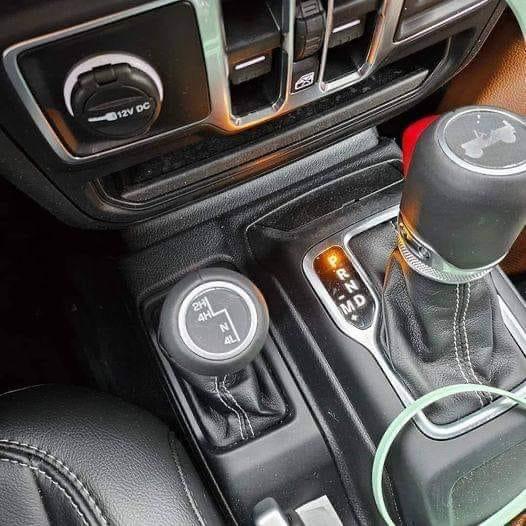
Every Jeep Wrangler, whether manual or automatic, comes with a set of gears for different situations. Most have a standard transmission with park (P), reverse (R), neutral (N), and drive (D), plus a transfer case lever for 4WD options. Manual models use a clutch and gear stick, while automatics have a gear selector.

Common Gear Modes
- 2H (Two High): Regular driving on dry, paved roads.
- 4H (Four High): Light off-road, rain, snow, or loose gravel.
- 4L (Four Low): Slow, tough off-road trails, deep mud, or steep climbs.
- Neutral (N): For towing or during winching.
Knowing when to use each mode is the key to maximizing your Wrangler’s capabilities.
Choosing The Right Gear For Everyday Driving
On most days, your Jeep Wrangler should be in Drive (D) for automatic or 3rd–5th gear for manual when cruising at speed. For city traffic, stick to lower gears, which give you more control and smoother stops.
When To Use Each Gear
| Scenario | Manual | Automatic | Transfer Case |
|---|---|---|---|
| City Driving | 2nd–3rd Gear | D | 2H |
| Highway | 5th–6th Gear | D | 2H |
| Backing Up | R | R | 2H |
Pro tip: Avoid shifting to Neutral (N) while driving. This removes engine braking and can be unsafe.
Off-road And Challenging Conditions
The Wrangler shines off-road. But using the wrong gear can get you stuck or damage your Jeep. Here’s how to select the right setting for rough terrain:
- Gravel, Light Mud, or Snow: Use 4H for extra traction at regular speeds. Both axles get power, reducing slip.
- Steep Hills, Deep Sand, or Heavy Mud: Switch to 4L. This setting multiplies engine torque, helping you crawl out of tough spots.
- Rock Crawling: First gear (manual) and 4L. Go slow and steady to avoid damaging undercarriage parts.
Example Off-road Gear Choices
| Terrain | Recommended Gear | Transfer Case |
|---|---|---|
| Loose Gravel | 2nd–3rd (Manual) / D (Auto) | 4H |
| Steep Climb | 1st (Manual) / 1 (Auto) | 4L |
| Water Crossing | 1st–2nd (Manual) / 1–2 (Auto) | 4L |
New drivers often forget: Always stop before shifting into 4L. Trying to shift on the move can damage the transfer case.
Towing And Special Situations
If you tow with your Wrangler, gear choice becomes even more important. Use Drive (D) for smooth roads, but switch to a lower gear (2 or 1) when climbing hills or going down steep grades for better control. In low-traction situations, use 4H to keep your Jeep stable.
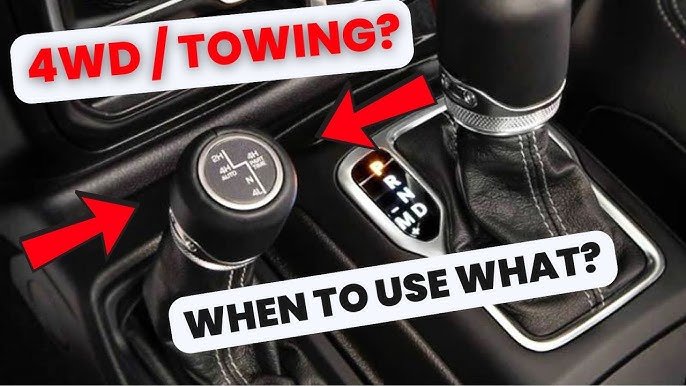
Another detail: When towing your Jeep (flat-towing behind another vehicle), put the transmission in Park (automatic) or 1st gear (manual) and the transfer case in Neutral. This prevents transmission damage.
Manual Vs. Automatic: Practical Differences
While automatics are easier for most drivers, manual transmissions give more control in certain off-road conditions. For example, you can “feather” the clutch in a manual to keep from spinning wheels on rocks.
Automatics, however, have less risk of stalling and are better for beginners.
Side-by-side Comparison
| Feature | Manual | Automatic |
|---|---|---|
| Control Over Power | High | Medium |
| Ease of Use | Medium | High |
| Risk of Stalling | Possible | Low |
| Learning Curve | Steep | Easy |
Mistakes To Avoid
- Switching to 4WD on dry pavement: This can strain your drivetrain and cause early wear.
- Driving in 4L at high speed: Only use 4L at low speeds (below 25 mph). Going faster can harm your Jeep.
- Staying in a high gear on hills: You lose power and control. Downshift early.
- Ignoring the owner’s manual: Each model year may have unique features or instructions.
Less obvious insight: Many drivers think 4WD makes them invincible. It helps with traction, but it does not help you stop faster on ice or snow. Always drive cautiously.
Real-world Example
Imagine you’re heading up a rocky trail. You start in 2H but lose traction. Stop, put your Wrangler in Neutral, shift the transfer case to 4L, and continue in first gear (manual) or 1 (automatic). You’ll notice the Jeep moves slowly but with much more power—helping you crawl over obstacles without spinning your wheels.
When To Shift Between 2h, 4h, And 4l
- From 2H to 4H: You can usually shift “on the fly” below 55 mph.
- From 4H to 4L: Stop the Jeep completely, shift the transmission to Neutral, then move the transfer case lever.
Always listen for grinding or resistance. If the lever won’t move smoothly, double-check the instructions for your year and model.

Frequently Asked Questions
What Gear Should I Use When Driving In Snow?
Use 4H in snowy or icy conditions. It gives you better traction without slowing you down too much.
Can I Switch Between 2h And 4h While Driving?
Yes, most modern Jeep Wranglers allow you to shift from 2H to 4H while moving, as long as you’re below 55 mph. For 4L, always stop first.
Should I Use 4l For Highway Driving?
Never use 4L on the highway. It’s meant for slow, tough off-road situations only.
What Gear Should I Be In When Towing?
On flat roads, use Drive (D). For hills, switch to a lower gear for more control. Always check your owner’s manual for special towing instructions.
Where Can I Learn More About Jeep Transmissions?
For more technical details, visit the official Jeep Life page.
The right gear makes all the difference in your Jeep Wrangler experience. Practice shifting and pay attention to how your Jeep responds in different conditions.
With time, choosing the right gear will become second nature ensuring your adventures are both safe and fun.