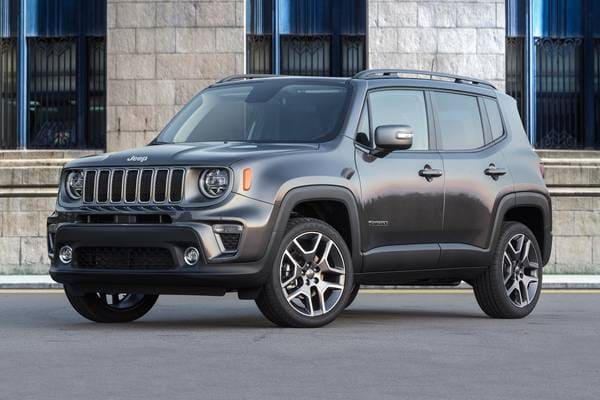
The Jeep Renegade is a compact SUV that combines off-road personality with city driving comfort. Many drivers like its unique look and practical size, but one big question often comes up: what gas mileage does a Jeep Renegade get? Fuel economy is important today, as gas prices rise and people look for ways to save money on the road. This article explains the real-world gas mileage of the Jeep Renegade, with details on different engines, trims, and what affects your MPG.
Jeep Renegade Gas Mileage By Engine
The Renegade comes with a few engine choices. Each one offers different power and fuel economy. Here’s a breakdown of the main engines for recent model years:
| Engine | Drivetrain | City MPG | Highway MPG | Combined MPG |
|---|---|---|---|---|
| 2.4L Tigershark I4 | FWD | 22 | 30 | 25 |
| 2.4L Tigershark I4 | 4WD | 21 | 29 | 24 |
| 1.3L Turbo I4 | FWD | 24 | 32 | 27 |
| 1.3L Turbo I4 | 4WD | 23 | 29 | 26 |
The 1.3L Turbo engine gives the best overall MPG, especially if you drive mostly on highways. The 2.4L Tigershark is less fuel efficient, especially with four-wheel drive.
Gas Mileage By Trim Level
Not all Jeep Renegade trims get the same gas mileage. Some trims are heavier, have bigger wheels, or use more off-road features, which can lower MPG.
| Trim | Engine | Drivetrain | Combined MPG |
|---|---|---|---|
| Sport | 2.4L I4 | FWD | 25 |
| Latitude | 1.3L Turbo | FWD | 27 |
| Limited | 1.3L Turbo | 4WD | 26 |
| Trailhawk | 1.3L Turbo | 4WD | 24 |
The Trailhawk trim is designed for off-road adventures, so it’s heavier and less aerodynamic. This means it usually gets lower gas mileage than other trims.

What Affects Jeep Renegade Gas Mileage?
Many things can change your real-world fuel economy. Here are some key factors:
- Driving Habits: Quick starts, heavy braking, and speeding lower your MPG.
- City vs. Highway Driving: Stop-and-go traffic uses more gas than steady highway driving.
- Tire Pressure: Low tire pressure creates more rolling resistance.
- Extra Weight: Roof racks, cargo, and passengers add weight, which lowers MPG.
- Climate: Cold weather and using the air conditioner or heater can decrease fuel efficiency.
A common mistake is to trust the EPA sticker blindly. In real life, most drivers get slightly lower numbers, especially if they drive in hilly or crowded areas.
Gas Mileage Over Different Model Years
The Jeep Renegade has not changed much in MPG since it launched in 2015. However, small updates and changes in engine options have affected fuel economy.
| Model Year | Base Engine | Best Combined MPG | Worst Combined MPG |
|---|---|---|---|
| 2015–2016 | 1.4L Turbo I4 | 27 | 24 |
| 2017–2018 | 2.4L I4 | 25 | 22 |
| 2019–2022 | 1.3L Turbo I4 | 27 | 24 |
| 2023–2024 | 1.3L Turbo I4 | 27 | 24 |
If you want the best gas mileage, look for a newer Renegade with the 1.3L Turbo engine and front-wheel drive.
How Does Renegade Compare To Other Suvs?
The Renegade’s gas mileage is good for an off-road-friendly SUV, but not the best among small SUVs. Some competitors, like the Honda HR-V or Mazda CX-30, can get 30+ MPG combined.
But many of those rivals don’t offer the same 4×4 capability or rugged style. If you need real off-road features, the small sacrifice in MPG might be worth it.
Two Insights Many Miss
First, the factory roof rails on the Renegade create extra drag, even if you don’t use them. Removing them when not needed can help MPG.
Second, the type of fuel matters. The 1.3L Turbo engine works best with premium gas, but you can use regular. Using premium may improve MPG slightly and keep the engine running smoother in the long term.
Real-world Examples
Some drivers report getting up to 30 MPG on the highway with gentle driving and light loads. Others get as low as 20 MPG in city traffic with lots of stops. Your results depend on your habits and where you drive.
If you often drive on dirt roads or carry outdoor gear, expect lower MPG compared to mostly highway commuting.
Tips To Get Better Gas Mileage In Your Renegade
- Keep tires inflated to the recommended pressure.
- Avoid long idling and warm up the car while driving gently.
- Remove roof racks and extra weight when you don’t need them.
- Drive smoothly and anticipate stops to avoid hard braking.
- Use cruise control on highways for steady speeds.
Frequently Asked Questions
What Is The Average Gas Mileage For A Jeep Renegade?
Most Jeep Renegade models get between 24 and 27 MPG combined. The exact number depends on the engine, drivetrain, and how you drive.
The 1.3L Turbo engine is designed to run on regular gas but performs best with premium. The 2.4L engine uses regular gas only.
How Far Can A Jeep Renegade Go On A Full Tank?
With a tank size of about 12.7 gallons and an average of 26 MPG, you can expect around 330 miles per tank, depending on your driving style.
Is The Jeep Renegade Good For Long Trips?
Yes, the Renegade is comfortable for long drives. Its highway MPG is decent, and the seats are supportive. Just plan fuel stops since the tank is not large.
Where Can I Find Official Fuel Economy Ratings?
You can check official and up-to-date MPG numbers at the U.S. Department of Energy site.
The Jeep Renegade offers a mix of style, off-road ability, and reasonable gas mileage. While it’s not the most fuel-efficient small SUV, smart driving and maintenance can help you get the best MPG possible. If fuel economy is your top priority, focus on newer models with the 1.3L Turbo and front-wheel drive. For those who value adventure, the Renegade balances fun and efficiency well.