Seeing a warning like “No Fuse” on your Jeep can be confusing, especially if you are not a car expert. Some owners worry their vehicle has a major problem, while others may not even notice it until something stops working.
This guide breaks down what “No Fuse” means on a Jeep, why it appears, and what you should do if you see it. You’ll also learn helpful tips to avoid common mistakes and keep your Jeep running smoothly.
What Does “no Fuse” Mean On A Jeep?
The No Fuse warning is a message displayed on your Jeep’s dashboard. It usually appears when there is an issue with one of the vehicle’s fuses. Fuses are small electrical components that protect your car’s circuits from damage. When a fuse blows, it breaks the circuit, stopping electricity from flowing to certain parts of the car.
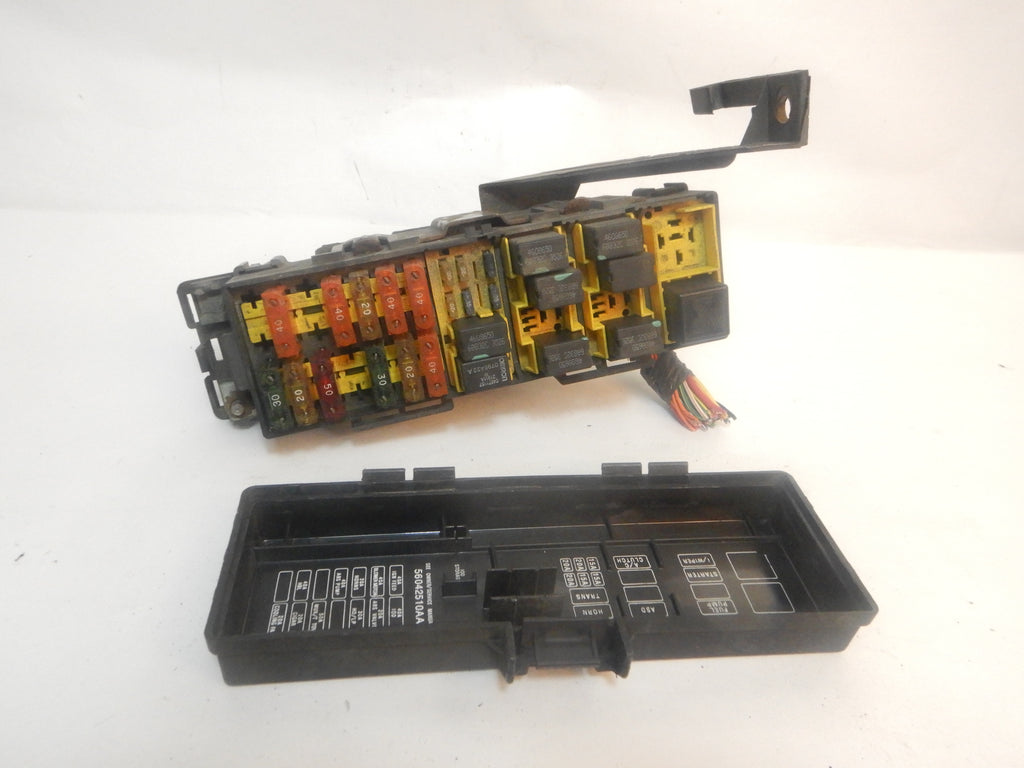
This warning does not mean your Jeep is without any fuses. Instead, it often points to a specific fuse—commonly the IOD (Ignition Off Draw) fuse. This fuse controls parts of the electrical system that need power even when the car is off, such as the clock or security system.
Common Reasons For The “no Fuse” Warning
Jeep vehicles, especially the Jeep Grand Cherokee, Wrangler, and Liberty, may show the “No Fuse” message for a few key reasons:
1. Iod Fuse Removed Or Blown
The most common cause is the IOD fuse being pulled out during servicing or battery replacement and not reinstalled. Sometimes, the fuse itself blows because of an electrical issue.
2. Battery Replacement Or Disconnection
When you disconnect or replace the battery, the IOD fuse may be removed to prevent power drain or electrical shorts. If it’s forgotten or put back incorrectly, the warning appears.
3. Electrical Short Or Overload
An electrical problem causing a fuse to blow will also trigger the message.
4. Faulty Fuse Box Or Wiring
Less often, a problem in the fuse box or damaged wires can cause a false “No Fuse” warning.
How To Locate And Check The Iod Fuse
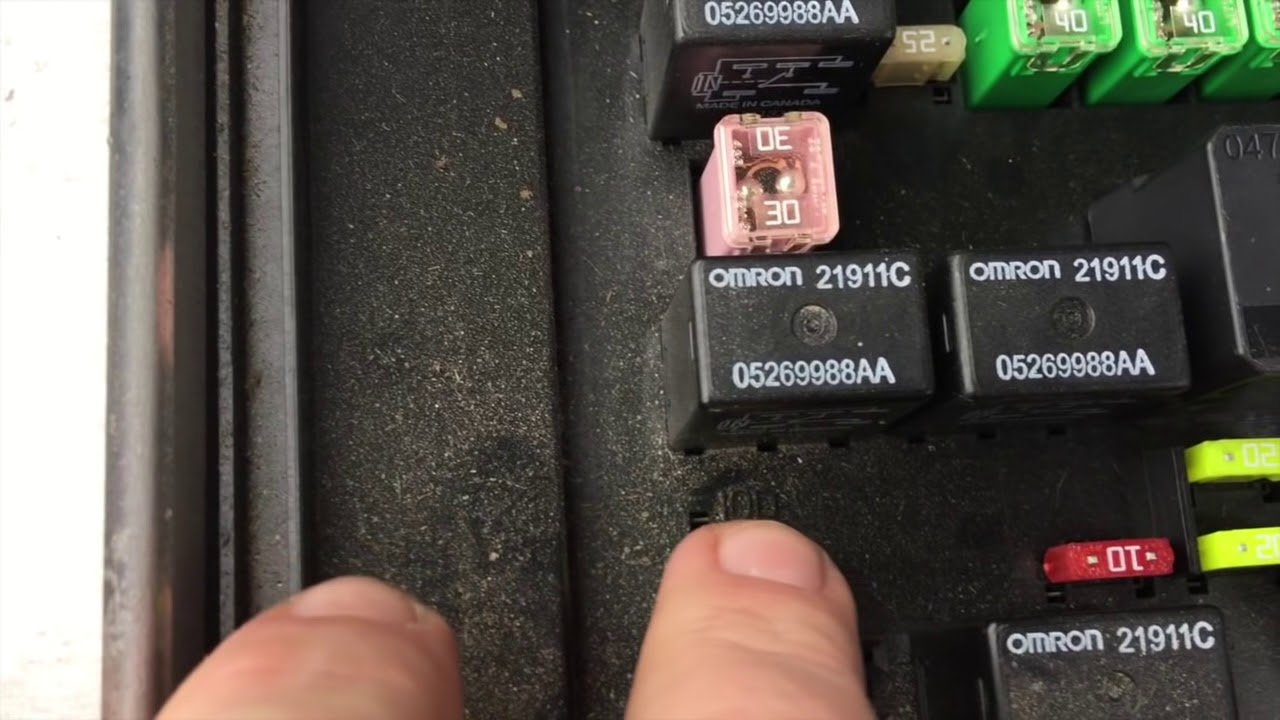
The IOD fuse is usually found in the fuse box under the hood or near the dashboard. Your Jeep’s owner manual will have a diagram showing the exact location.
Here’s a quick reference for IOD fuse locations in popular models:
| Jeep Model | Fuse Box Location | IOD Fuse Number |
|---|---|---|
| Grand Cherokee (2005-2010) | Under hood, right side | Fuse #15 |
| Wrangler (2007-2018) | Under hood, near battery | Fuse #12 |
| Liberty (2002-2012) | Under hood, left side | Fuse #16 |
Tip: Always turn off the car and remove the key before checking fuses.
What Happens If The Iod Fuse Is Missing Or Blown?
When the IOD fuse is missing or blown, several electronic features may stop working:
- Interior lights
- Radio and clock
- Power locks
- Alarm system
- Keyless entry
You may also notice your car takes longer to start, or the battery drains faster. On some Jeeps, the “No Fuse” message flashes every time you turn the ignition.

How To Fix The “no Fuse” Warning
Fixing the warning is often simple:
1. Check If The Iod Fuse Is Present
Open the fuse box and look for the IOD fuse. If it’s missing, insert a new fuse of the correct rating.
2. Replace A Blown Fuse
If the fuse is there but blown (the metal strip inside is broken), replace it with a new one of the same amperage.
3. Check For Other Electrical Problems
If the fuse keeps blowing, there may be a short circuit or another electrical problem. In this case, it’s best to get help from a mechanic.
Here is a comparison of the two main scenarios:
| Situation | What to Do | Cost |
|---|---|---|
| IOD fuse missing | Insert new fuse | $2–$5 (DIY) |
| Fuse keeps blowing | Check wiring, visit mechanic | $50–$150 (diagnosis) |
Preventing “no Fuse” Problems
You can avoid seeing this warning with a few simple habits:
- After battery service, always check the fuse box.
- Use only the correct fuse type and rating.
- Inspect fuses every 6–12 months.
- Keep the owner’s manual handy for fuse locations.
A surprising fact is that some dealerships remove the IOD fuse during shipping or long-term storage to prevent battery drain. If you buy a new Jeep, double-check all fuses are installed before you drive it home.
Real-world Example
A Jeep Wrangler owner replaced his battery and forgot to reinstall the IOD fuse. He noticed the radio and interior lights did not work, and the “No Fuse” message appeared.
After searching online forums, he found the problem, reinstalled the fuse, and everything returned to normal.
This example shows how a simple mistake can cause confusion, but the fix is usually quick.
When To Get Professional Help
If replacing or reinstalling the fuse does not clear the message, or if the new fuse blows quickly, you may have a deeper electrical issue. Common signs include:
- Burning smell or melted plastic
- Multiple electrical features not working
- Battery drains even with a new fuse
It’s important not to keep replacing fuses if they keep blowing. This can point to a short circuit, which could damage your Jeep or even cause a fire.
Always consult a qualified mechanic in these situations.

Data: How Often Do Fuse Problems Occur?
According to a 2022 survey by Consumer Reports, about 7% of Jeep owners reported electrical problems in the first five years, with fuse-related issues making up a significant portion. While not the most common problem, “No Fuse” warnings are well-known to Jeep mechanics.
For further reading about car fuses and their role, you can visit the Automotive Fuse Wikipedia page.
Frequently Asked Questions
Why Does My Jeep Say “no Fuse” After Changing The Battery?
This usually happens if the IOD fuse was removed during the battery swap and not put back, or if it was accidentally blown. Check your fuse box and reinstall or replace the fuse as needed.
Can I Drive My Jeep With The “no Fuse” Message Showing?
You can drive the car, but some features like interior lights, radio, or security may not work. It’s best to fix the problem soon to avoid battery drain or other issues.
Where Can I Buy A Replacement Iod Fuse?
You can buy fuses at auto parts stores, big retailers like Walmart, or online. Always match the amperage rating to your owner’s manual.
Is The Iod Fuse The Same As The Main Fuse?
No, the IOD fuse only controls some electronics that run when the car is off. The main fuse or other fuses protect different circuits.
What If The “no Fuse” Message Stays On After I Replace The Fuse?
If the warning stays on, you might have a deeper electrical problem, a faulty fuse box, or a wiring issue. It’s time to visit a professional mechanic to avoid more damage.
Understanding what “No Fuse” means on a Jeep can save you time and stress. For most owners, fixing this warning is as simple as reinstalling or replacing the IOD fuse.
With regular checks and a little knowledge, you can keep your Jeep’s electrical system healthy and avoid surprises down the road.