When you hear Jeep owners talk about “lockers,” you might wonder what they mean and why these parts matter. Many people new to off-roading or Jeep vehicles feel confused by this term.
In short, a locker is a device that helps a Jeep get better traction, especially on rough terrain. If you’ve ever seen a Jeep climb steep rocks or drive through mud with ease, lockers are often the secret behind that performance.
Let’s explore what a locker does, how it works, and why it’s such a big deal for Jeep enthusiasts.
What Is A Locker?
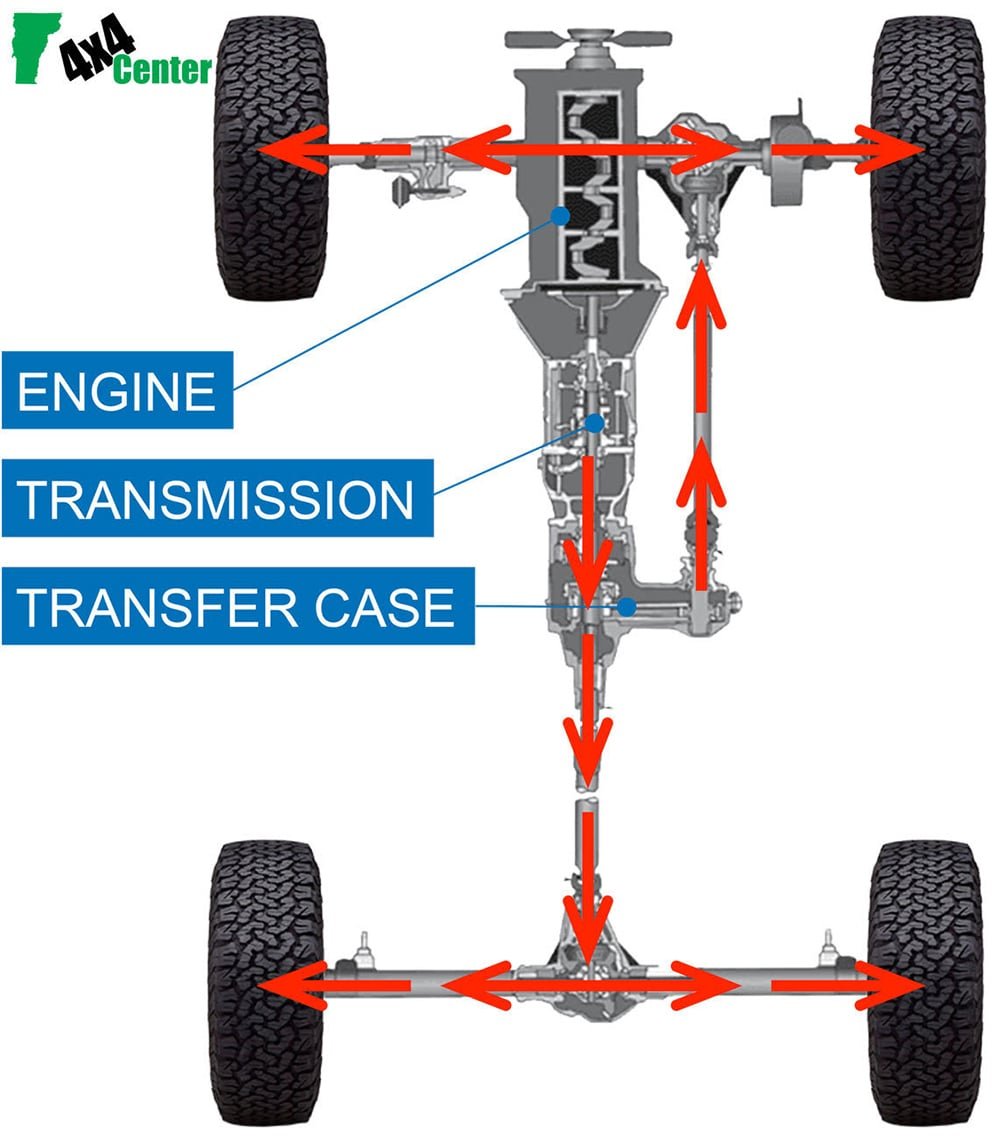
A locker is a part inside the differential of your Jeep. The differential is a system that lets your wheels turn at different speeds, especially when you go around corners. Normally, the differential sends power to the wheel with the least resistance. This is good for normal roads, but it’s a problem off-road. On slippery surfaces, like mud or rocks, one wheel can spin while the other stays still. This leaves you stuck.
A locker solves this problem. It locks both wheels on an axle together, forcing them to turn at the same speed.
When locked, power goes to both wheels equally even if one is slipping. This gives your Jeep much more grip and helps you move forward, even in tough conditions.
Types Of Lockers
There are several kinds of lockers, each with its own pros and cons. Here’s a look at the main types:
| Locker Type | How It Works | Best Use |
|---|---|---|
| Automatic Locker | Locks when needed, without driver input | Off-roading, daily driving |
| Selectable Locker | Driver controls locking, usually by switch | Serious off-roading |
| Limited Slip Differential | Partially locks when wheel slips | Mild off-road, wet roads |
- Automatic Lockers lock the wheels whenever traction is lost. You don’t need to do anything—the system reacts on its own. These are good for people who want extra grip without thinking about it.
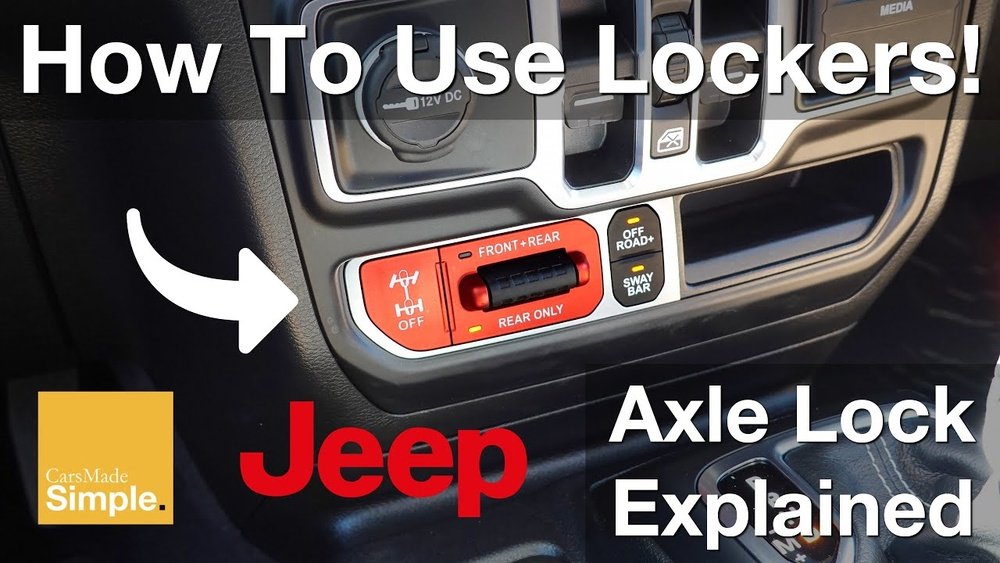
- Selectable Lockers let you control when to lock the wheels. Usually, you push a button or flip a switch. This gives you more choice and is popular among serious off-roaders.
- Limited Slip Differentials aren’t true lockers but help when one wheel slips. They work automatically and are common in many vehicles, but don’t provide as much traction as a full locker.
Why Do Jeeps Need Lockers?
Jeeps are famous for their off-road ability. But even the best Jeep can get stuck if only one wheel is spinning. Lockers give your Jeep the power to tackle:
- Rock crawling: Both wheels move together, helping you climb rocks without slipping.
- Deep mud or snow: Lockers make sure both wheels dig in, not just one.
- Steep hills: Power goes to both wheels, so your Jeep doesn’t lose grip.
With lockers, your Jeep can handle more challenging trails. Many Jeep owners add lockers as their first upgrade after buying a vehicle.
How Lockers Change Driving
Lockers are great off-road, but they change how your Jeep handles on normal roads. When a locker is engaged, both wheels turn together. This can make turning harder and may cause tire wear. That’s why selectable lockers are preferred—they can be turned off for regular driving.
Here’s a quick comparison of driving with and without lockers:
| Condition | Without Locker | With Locker |
|---|---|---|
| Loose gravel | One wheel may spin | Both wheels grip |
| Paved road | Smooth turning | Can feel stiff when locked |
| Steep climb | Possible loss of traction | Better traction |
Most lockers are designed to be used mainly off-road. On pavement, they can make handling awkward and may even damage parts if used for long periods.
Common Locker Mistakes
Many beginners believe lockers mean “unstoppable Jeep.” That’s not true. Here are some mistakes to avoid:
- Using lockers on pavement: This can cause tires to wear out fast and may damage the axle.
- Ignoring tire pressure: Lockers help, but low tire pressure also boosts traction. Both matter.
- Relying only on lockers: Good driving skills and proper vehicle setup are just as important.
Another insight: lockers won’t fix poor maintenance. If your Jeep’s suspension or tires are worn, lockers alone won’t help.
Installation And Cost
Adding lockers to a Jeep is a popular upgrade. Cost depends on the type and brand.
Automatic lockers are usually cheaper, while selectable lockers cost more. Labor can be expensive since installation often needs special tools and knowledge.
Average prices:
- Automatic locker: $300–$600 (plus labor)
- Selectable locker: $800–$1500 (plus labor)
- Labor: $400–$800
Some factory Jeeps come with lockers. For example, the Jeep Wrangler Rubicon has selectable lockers as standard. If you’re shopping for a Jeep, check which models include lockers.
Locker Maintenance
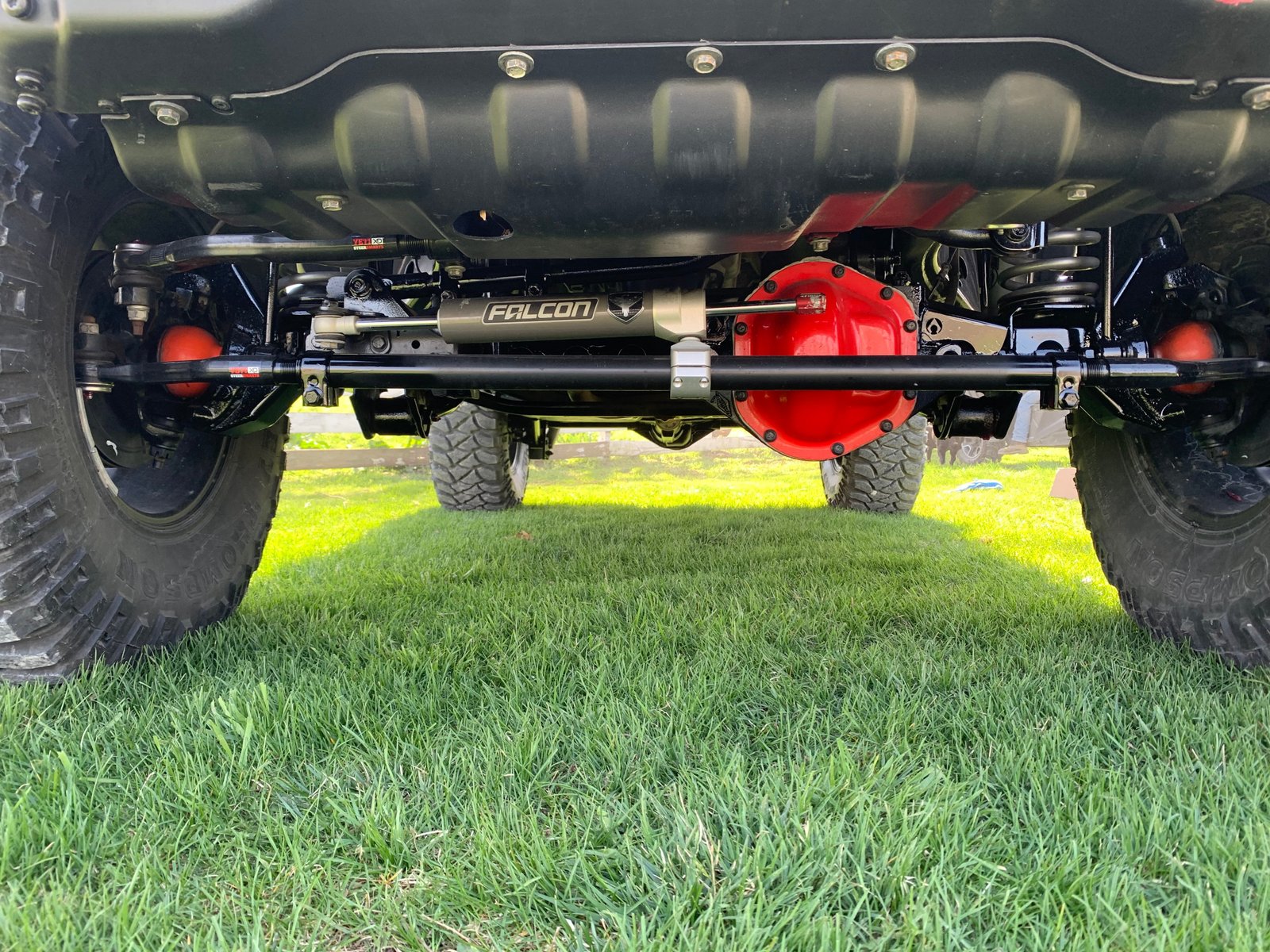
Lockers are strong, but they need care. Always follow the manufacturer’s instructions.
Change your differential fluid regularly and check for leaks. If you notice strange noises or rough driving, get your locker checked.
Proper care keeps your locker working for years.
Are Lockers Worth It?
For most Jeep owners who love off-roading, lockers are one of the best upgrades. They can turn a basic Jeep into a trail beast.
But if you only drive on paved roads, lockers may not be needed. Consider your driving style, local terrain, and budget before deciding.
One non-obvious insight: lockers can help in city driving during winter, especially in areas with lots of snow. But remember, always disengage lockers when you return to dry pavement.
For more technical information about differential lockers, visit the Wikipedia Locking Differential page.
Frequently Asked Questions
What Does A Locker Actually Do On A Jeep?
A locker forces both wheels on an axle to turn together, giving your Jeep more traction. This helps you drive over rocks, through mud, or up steep hills without getting stuck.
Are Lockers Only For Off-roading?
Lockers are mainly for off-road use, but they can help on slippery roads, like snow or ice. However, they are not ideal for regular pavement driving, as they can affect handling and cause tire wear.
Can I Install Lockers Myself?
Some skilled mechanics install lockers themselves, but most people hire professionals. Installation needs special tools and knowledge of the differential. Incorrect installation can damage your Jeep.
Do All Jeeps Come With Lockers?
No, not all Jeeps have lockers. Some models, like the Wrangler Rubicon, include them from the factory. Others require aftermarket installation.
What’s The Difference Between A Locker And A Limited Slip Differential?
A locker fully connects both wheels, while a limited slip differential only partially connects them. Lockers offer more traction, especially for serious off-roading, while limited slip is better for mild conditions.
Lockers are a game-changer for Jeep owners who love adventure. They let your Jeep tackle tough trails, boost traction, and give you confidence on rugged terrain.
If you’re thinking about lockers, weigh your needs, budget, and driving style. With the right setup, your Jeep will be ready for just about anything.