The Jeep Patriot has always caught attention for its rugged look and affordable price. But many people wonder what the 4WD badge really means on this vehicle.
Is it just marketing, or does it offer real off-road capability? If you’re thinking about buying a Jeep Patriot, or already own one, understanding its 4WD system is essential.
This guide explains what 4WD means on a Jeep Patriot, how it works, and why it matters for drivers who face snow, rain, dirt roads, or rough terrain.
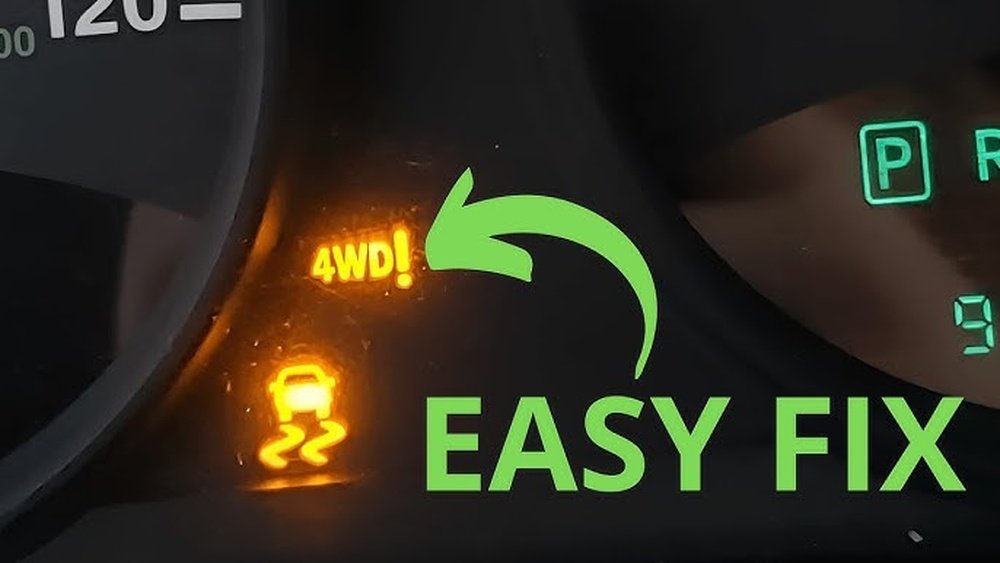
What Does 4WD Mean?
4WD stands for four-wheel drive. This system sends power to all four wheels at the same time, instead of just two. The goal is simple: improve traction and control, especially when roads are slippery or uneven.
On the Jeep Patriot, 4WD is an option, not standard. The base model uses front-wheel drive (FWD), but you can choose 4WD for better performance.
There are different types of four-wheel drive systems. The Jeep Patriot uses a system called Freedom Drive. This is not the same as heavy-duty 4WD found in bigger SUVs or trucks. Instead, it’s a lighter, smarter version designed for daily driving and mild off-roading.
How The Jeep Patriot’s 4WD System Works
The Patriot’s Freedom Drive system is based on a full-time, electronically controlled setup. This means it automatically decides when to send power to the rear wheels. Normally, the car runs as a front-wheel drive.
But when the system senses the front wheels slipping, it shifts power to the back wheels. This change happens quickly, often without the driver noticing.
Main Features Of Freedom Drive
- Automatic Engagement: You don’t need to switch anything. The system turns on when needed.
- Lock Mode: There’s a special lever or button labeled “4WD Lock.” Using this, you force the car to send more power to both front and rear wheels. It’s useful for deep snow or mud.
- Low Maintenance: Unlike older systems, there’s no need for manual hubs or regular adjustments.
Performance Comparison
Here’s a quick comparison between the Jeep Patriot’s 4WD and traditional 4WD systems:
| Feature | Patriot Freedom Drive | Traditional 4WD |
|---|---|---|
| Engagement | Automatic/Manual (Lock) | Manual (Lever/Knob) |
| Use Case | City, light off-road | Heavy off-road, towing |
| Maintenance | Low | Medium to High |
| Fuel Efficiency | Better | Lower |
Why 4WD Matters For The Jeep Patriot
Having 4WD on a Jeep Patriot is useful for several reasons:
- Better Traction: It helps you drive safely on snow, ice, or muddy roads.
- Safer Driving: If you live in a place with harsh winters, 4WD reduces the risk of getting stuck or sliding.
- Versatility: You can use your Patriot for camping, hiking, or light off-roading.
But it’s important to know that the Patriot’s 4WD is not for extreme rock climbing or deep mud. It’s designed for everyday adventures and occasional rough conditions. If you want serious off-road ability, you might need a Jeep Wrangler or Cherokee.
Comparing FWD Vs 4WD On The Jeep Patriot
Many buyers wonder if they should pay extra for 4WD. The answer depends on where you live and how you drive.
| Aspect | FWD | 4WD |
|---|---|---|
| Traction | Good on dry roads | Excellent on slippery roads |
| Fuel Economy | Better | Lower |
| Cost | Cheaper | More expensive |
| Resale Value | Lower | Higher |
Most drivers in warm, dry places do fine with FWD. But if you live where it snows or rains a lot, the extra cost for 4WD can be worth it.
Common Misunderstandings About Patriot 4wd
Many people think all 4WD systems are equal. This is not true. The Patriot’s system is not full-time; it’s on-demand. It’s also not built for extreme off-roading. Some owners expect their Patriot to handle deep mud or rocky trails like a Wrangler, then get disappointed.
Another common mistake is using 4WD in dry conditions all the time. This can lower your fuel efficiency and wear out the system faster. Only use the “lock” mode when roads are slippery or rough.
Real-world Example: Winter Driving
Let’s look at a real scenario. Imagine you’re driving to work in Colorado after a heavy snowstorm.
With FWD, your car might slip at stoplights or get stuck on hills. With the Patriot’s 4WD, the system senses wheel slip and sends power to the rear wheels.
You move forward confidently, even when others struggle. This feature is not just for off-roading; it’s for everyday safety.
Maintenance And Care Tips
Taking care of the 4WD system is simple but important:
- Change the differential fluid every 30,000–50,000 miles.
- Check for leaks and listen for strange noises.
- Use 4WD lock only when needed.
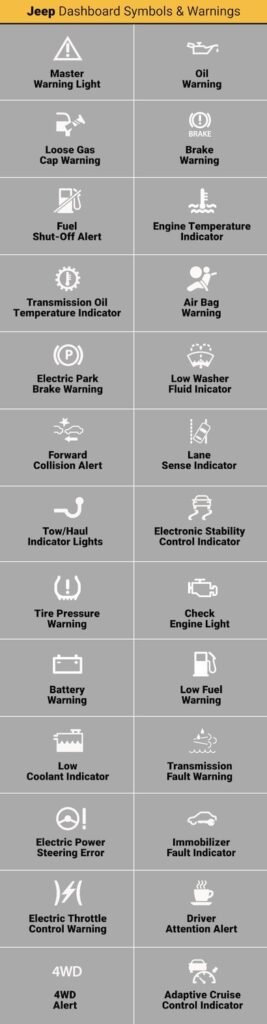
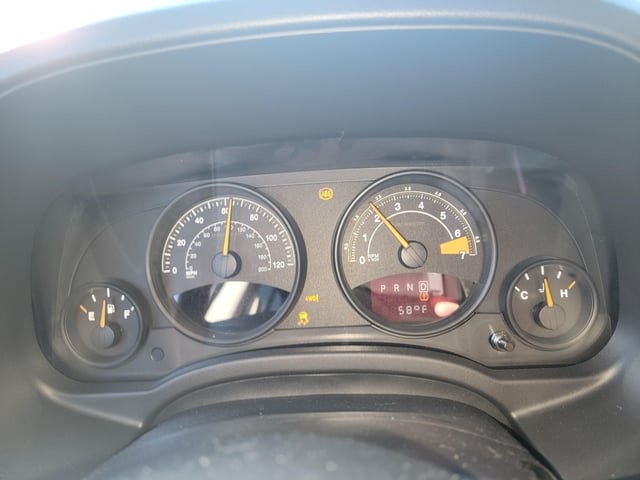
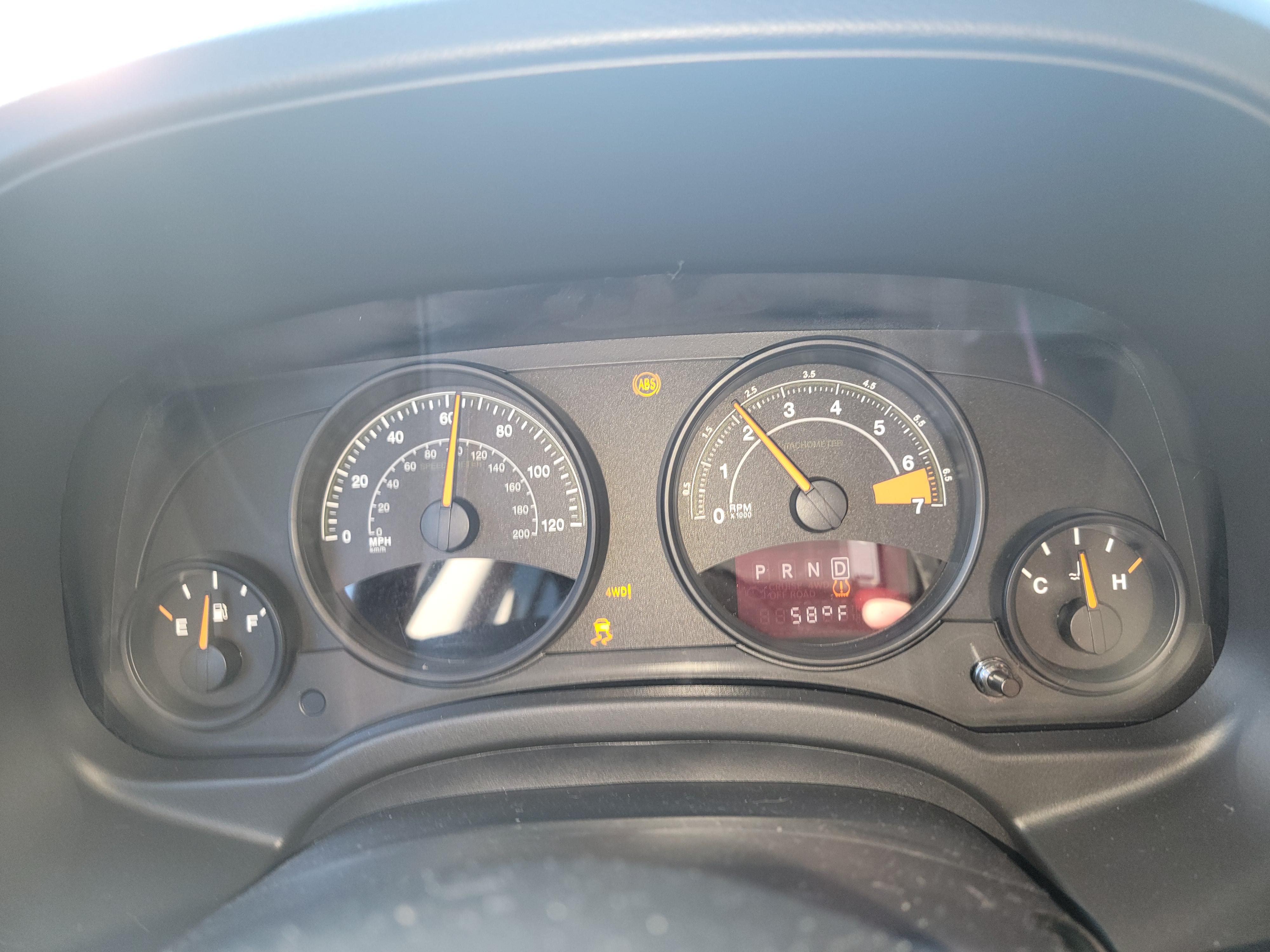
- Don’t ignore warning lights on your dashboard.
Keeping your system healthy means it will work when you need it most.
Key Data And Statistics
- Jeep Patriot’s Freedom Drive system can transfer up to 60% power to the rear wheels in lock mode.
- About 70% of Patriots sold in snowy states are equipped with 4WD.
- Fuel economy drops by 2–3 mpg with 4WD compared to FWD.
These numbers show that 4WD is popular where it’s needed, but it does have a small impact on gas mileage.
Frequently Asked Questions
What Is The Difference Between Freedom Drive I And II?
Freedom Drive I is for daily driving and light off-road. Freedom Drive II adds extra features, such as a lower gear ratio for better performance on hills and deeper snow.
Can I Use 4wd All The Time?
It’s best to use 4WD lock only when roads are slippery or rough. Using it all the time can reduce fuel economy and cause extra wear.
Is 4wd Good For City Driving?
4WD helps in wet or icy conditions, but in dry city driving, FWD is usually enough. The extra traction is only needed when roads are challenging.
How Does Jeep Patriot’s 4wd Compare To Other SUVs?
The Patriot’s 4WD is lighter and more automatic than traditional systems. It’s easier for beginners but not as powerful as systems in larger SUVs. For more details, visit Wikipedia.
Does 4wd Increase Resale Value?
Yes, Patriots with 4WD usually sell for higher prices, especially in areas with tough weather.
The Jeep Patriot’s 4WD system is smart, simple, and effective for most drivers. It gives you confidence in tough conditions without needing expert driving skills.
If you want a vehicle that can handle snow, mud, and uneven roads, but you don’t plan on extreme off-roading, the Patriot’s 4WD is a solid choice.
Remember, it’s about safety and flexibility, not just adventure.