If you’re thinking about buying a Jeep Wrangler, or you’re just curious about its engine, you’re not alone. Many people wonder, “What cylinder is a Jeep Wrangler?”
Because cylinders are a big part of how an engine works. The number of cylinders affects the vehicle’s power, fuel use, and even the sound it makes.
Understanding this helps you pick the right Jeep for your needs, or just appreciate what’s under the hood.
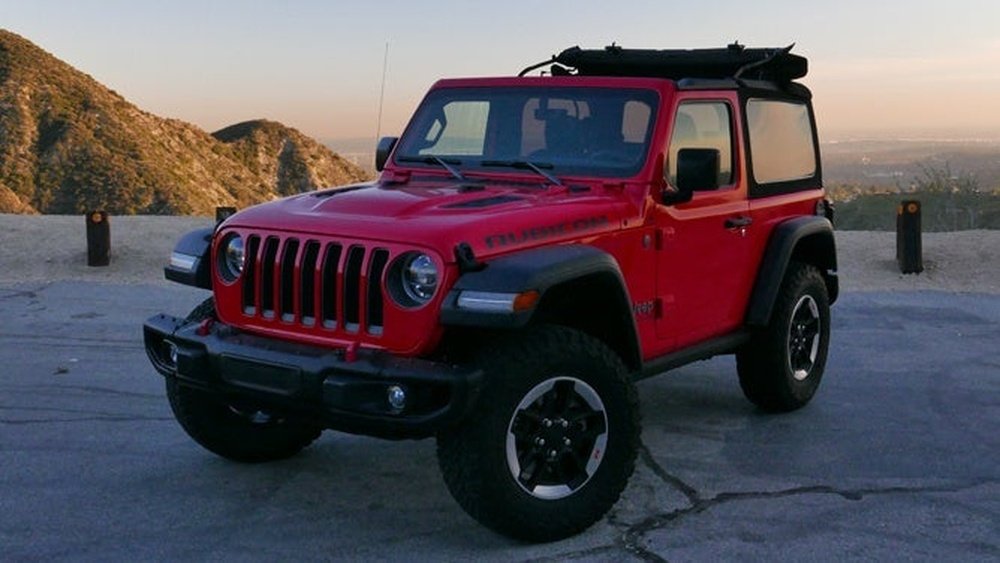
The Basics: What Are Engine Cylinders?
Every car engine, including the Jeep Wrangler, has cylinders. These are small metal tubes where fuel burns to make power. The more cylinders, the more power an engine can create. But more cylinders usually mean the engine uses more fuel.
Most modern vehicles use engines with 4, 6, or 8 cylinders. In general:
- 4-cylinder engines are smaller and save fuel.
- 6-cylinder engines offer more power, good for off-roading or towing.
- 8-cylinder engines are very powerful but use a lot of gas.
Jeep Wrangler Engine Types Over The Years
The Jeep Wrangler has been in production since 1986. Its engines have changed over time.
Here’s a look at how many cylinders you’ll find in different Wrangler generations and trims.
| Generation | Years | Main Engine Types | Cylinder Count |
|---|---|---|---|
| YJ | 1987–1995 | 2.5L I4, 4.2L I6 | 4, 6 |
| TJ | 1997–2006 | 2.4L I4, 4.0L I6 | 4, 6 |
| JK | 2007–2018 | 3.6L V6, 2.8L I4 Diesel (outside US) | 6, 4 |
| JL | 2018–present | 2.0L I4 Turbo, 3.6L V6, 3.0L V6 Diesel, 6.4L V8 (Rubicon 392) | 4, 6, 8 |
As you can see, the Wrangler has used 4-cylinder, 6-cylinder, and even 8-cylinder engines.

Current Jeep Wrangler Engines: Cylinder Breakdown
If you visit a Jeep dealer today, you’ll find several engine options for the Jeep Wrangler JL (the newest version).
| Engine | Cylinder Count | Horsepower | Main Advantage |
|---|---|---|---|
| 2.0L Turbo I4 | 4 | 270 hp | Fuel efficiency, good torque |
| 3.6L Pentastar V6 | 6 | 285 hp | Balanced power and reliability |
| 3.0L EcoDiesel V6 | 6 | 260 hp | High torque for towing |
| 6.4L HEMI V8 (Rubicon 392) | 8 | 470 hp | Extreme power, fast acceleration |
| 2.0L Turbo Plug-in Hybrid (4xe) | 4 | 375 hp (combined) | Electric driving, strong torque |
4-cylinder Vs 6-cylinder: Which To Choose?
Most Jeep Wranglers on the road today have either a 4-cylinder or 6-cylinder engine. Here’s how they compare:
| Feature | 4-Cylinder | 6-Cylinder |
|---|---|---|
| Fuel Economy | Better | Good |
| Horsepower | Lower | Higher |
| Towing | Lower capacity | Higher capacity |
| Cost | Usually less | Usually more |
| Sound | Quieter, less “growl” | Classic Jeep sound |
For most drivers, the V6 is the most balanced option. It offers good power for off-roading or towing but doesn’t use as much fuel as a V8. The 4-cylinder turbo is great if you want to save gas and still have enough power for daily driving.
Non-obvious Insights About Jeep Wrangler Cylinders
Many people believe that more cylinders always mean a better Jeep. This isn’t true for everyone. Here are two important things beginners often miss:
- Modern 4-cylinders can outperform old 6-cylinders: Thanks to turbocharging, today’s 4-cylinder engines can be just as strong as older 6-cylinder engines. They’re also lighter, which helps with handling and fuel use.
- The V8 is rare and specialized: The 8-cylinder engine (in the Rubicon 392) is exciting but expensive. It’s mainly for those who want extreme speed and power off-road. For normal use, it’s more than most people need.

How Cylinder Count Affects Your Jeep Experience
- Fuel Economy: Fewer cylinders usually means better mileage. The 4-cylinder turbo and the hybrid 4xe are the best for saving gas.
- Towing and Hauling: If you plan to tow a trailer or carry heavy gear, a 6-cylinder or V8 gives more torque.
- Maintenance Costs: More cylinders can mean higher repair bills if something goes wrong.
- Driving Feel: The classic Jeep “growl” often comes from a 6-cylinder or V8. Some drivers love this sound.
Why Jeep Offers So Many Engine Options
Jeep knows its customers use Wranglers for different things. Some want a daily driver with good MPG. Others need power for mud, rocks, or towing. That’s why you see everything from fuel-saving 4-cylinders to the wild 8-cylinder Rubicon 392.
If you need more details about engine specs, the official Jeep Wrangler site gives the latest information.
Frequently Asked Questions
How Many Cylinders Does A Typical Jeep Wrangler Have?
Most Jeep Wranglers today have either 4-cylinder or 6-cylinder engines. The rare Rubicon 392 model comes with an 8-cylinder engine.
Is A 4-cylinder Jeep Wrangler Powerful Enough?
Yes. The modern 2.0L turbo 4-cylinder produces 270 horsepower, which is more than enough for most daily driving and light off-roading.
Which Jeep Wrangler Engine Is Best For Towing?
The 3.6L V6 and 3.0L diesel V6 are best for towing. The V6 diesel has the highest torque, making it great for pulling trailers.
Does The Cylinder Count Affect Fuel Economy?
Absolutely. Fewer cylinders, like the 4-cylinder turbo or hybrid, usually give better fuel economy than 6- or 8-cylinder engines.
Are Jeep Wrangler Engines Reliable?
Yes, especially the Pentastar V6. Jeep engines are known for durability, but regular maintenance is important for any cylinder count.
Choosing the right Jeep Wrangler cylinder count depends on your driving needs, budget, and preferences. Whether you go for a fuel-saving 4-cylinder, a balanced V6, or a powerful V8, there’s a Wrangler out there for you.
Understanding these engine choices helps you make the best decision and get the most fun out of your Jeep.