A Jeep is built for adventure, but nothing ruins a drive faster than suddenly stalling on the road. For many drivers, this problem is confusing and stressful, especially if it happens repeatedly.
Understanding why a Jeep stalls while driving can help you fix the issue and avoid dangerous situations.
This article explains the most common causes, how to spot them, and what you can do to prevent future breakdowns.
Common Causes Of Jeep Stalling
A Jeep can stall for many reasons, from simple issues to complex mechanical failures. Below are the most frequent causes, along with practical insights and real-world examples.
Fuel System Problems
If your Jeep doesn’t get the right amount of fuel, it can stall without warning. This can happen due to:
- Clogged fuel filter: Over time, dirt and debris block the filter, reducing fuel flow. For example, a 2015 Jeep Wrangler with a dirty filter may lose power on highways.
- Failing fuel pump: If the pump can’t maintain pressure, the engine starves and stalls. Symptoms include sputtering and hesitation before shutting off.
- Bad fuel injectors: Dirty or faulty injectors disrupt the fuel spray. This is common in older Jeeps with over 100,000 miles.
| Fuel System Issue | Typical Signs | Estimated Repair Cost (USD) |
|---|---|---|
| Clogged Filter | Hard starts, loss of power | $50–$150 |
| Bad Pump | Sputtering, stalling | $400–$600 |
| Faulty Injectors | Misfires, rough idle | $200–$400 (per injector) |
Ignition System Failures
The ignition system provides spark to start and run the engine. Faults here can cause sudden stalls:
- Bad spark plugs: Worn or fouled plugs make it hard for the engine to fire. Jeeps with old plugs may misfire and stop, especially in cold weather.
- Faulty ignition coil: The coil boosts voltage for spark plugs. If it fails, the engine won’t run smoothly.
- Crankshaft position sensor: This sensor tells the engine computer when to spark. If it malfunctions, the Jeep may stall at random.
Electrical Problems
Modern Jeeps rely on complex electronics. If any critical component loses power, the engine can cut out:
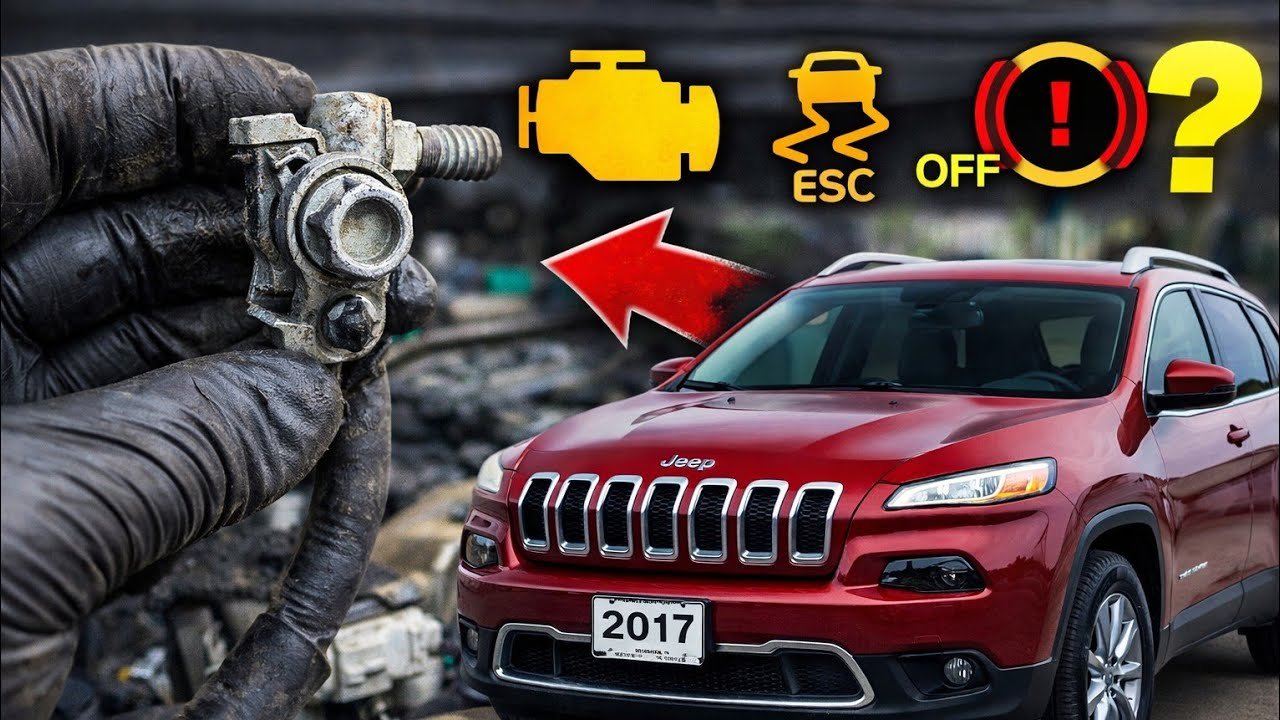
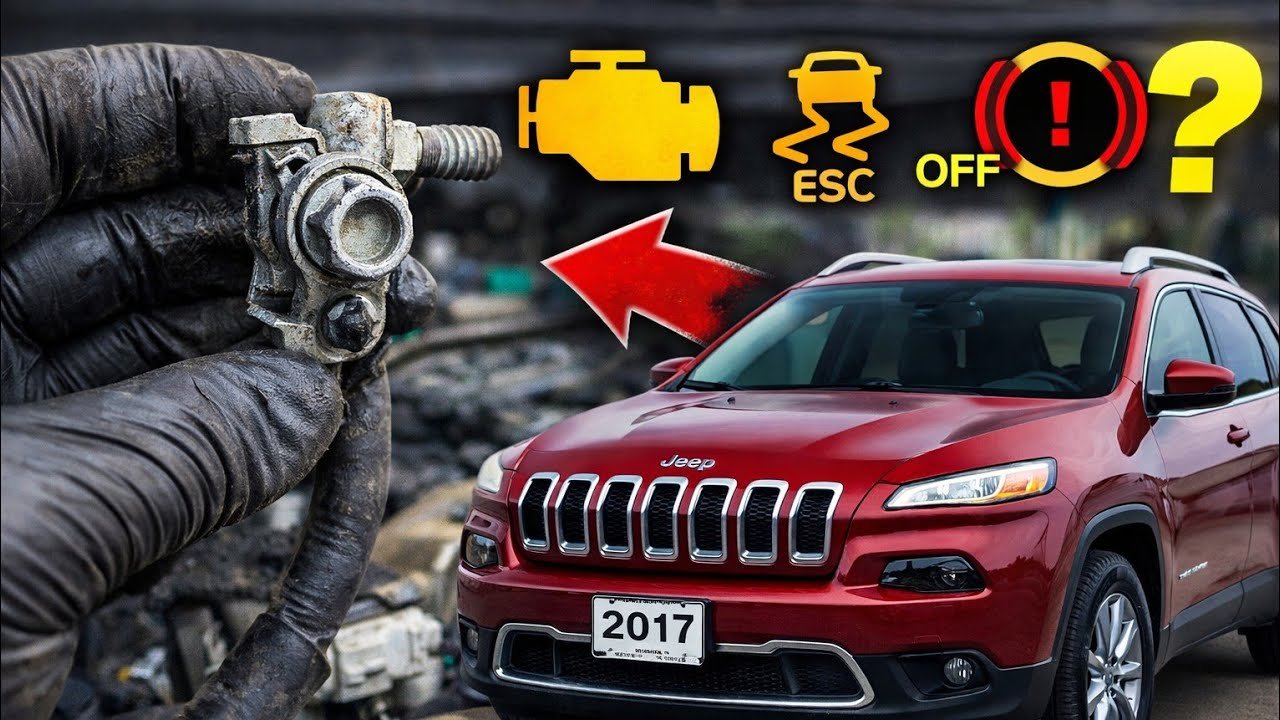
- Loose battery cable: A simple but common issue. Bumpy roads can shake cables loose, causing intermittent stalls.
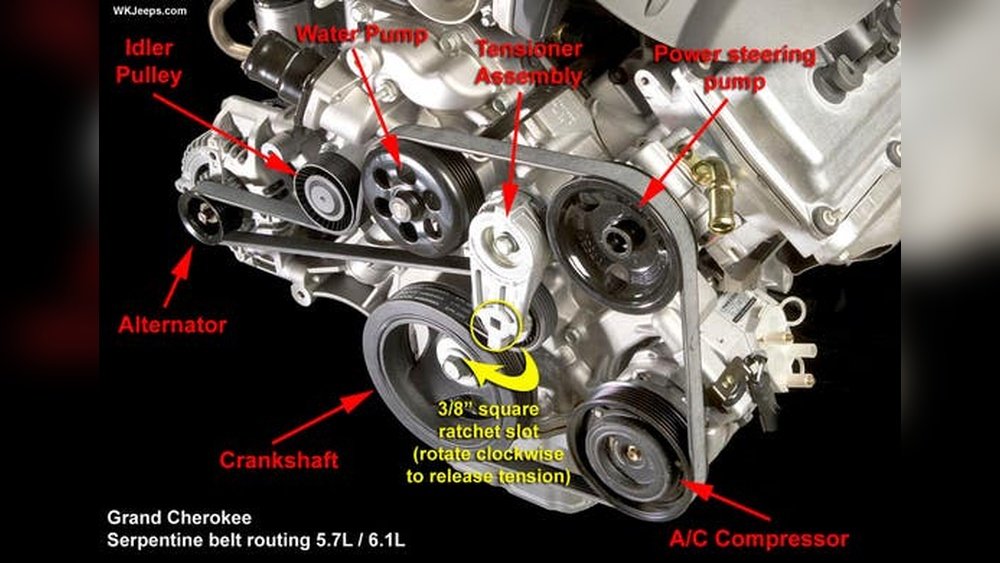
- Alternator failure: If your alternator stops charging, the battery dies and the engine stalls. Warning signs include dim lights and slow power windows.
Air Intake And Vacuum Leaks
Your engine needs the right mix of air and fuel. If air is blocked or leaks, stalling can occur:
- Dirty air filter: A clogged filter reduces airflow. Jeep Wranglers often stall after off-road trips if the filter is full of dust.
- Vacuum leaks: Cracked hoses or gaskets let air escape, upsetting the engine balance. This causes rough idle and unexpected stalls.
Engine Overheating
An overheated engine can suddenly stall to prevent damage. Jeeps used for towing or in hot climates are especially at risk. Signs include a rising temperature gauge and steam from under the hood.
Transmission Issues
If your Jeep’s transmission slips or fails, power may not reach the wheels, leading to stalling:
- Low transmission fluid: Causes slipping, hesitation, and sometimes stalls.
- Faulty torque converter: This part helps transfer engine power smoothly. If it malfunctions, your Jeep may stall at stops or while accelerating.
Diagnosing And Preventing Jeep Stalls
Finding the root cause quickly is important. Here’s how you can diagnose and prevent stalling:
- Listen and observe: Note when the Jeep stalls (idle, driving, accelerating) and any sounds or dashboard lights.
- Scan for codes: Use an OBD-II scanner to check for error codes. This tool can pinpoint sensor failures, fuel issues, and more.
- Inspect basics first: Check battery cables, air filters, and fluid levels. These fixes are low-cost and often overlooked.
- Schedule regular maintenance: Change filters, fluids, and spark plugs as recommended. For example, replacing the fuel filter every 30,000 miles reduces clog risk.
- Don’t ignore warning signs: Hesitation, rough idle, or dashboard lights may signal bigger problems.
| Action | Frequency | Benefit |
|---|---|---|
| Change air/fuel filters | Every 30,000 miles | Prevents clogging and stalls |
| Inspect battery cables | Every 6 months | Reduces electrical failures |
| Check fluid levels | Monthly | Avoids overheating and transmission issues |
Non-obvious Insights
Many Jeep owners overlook two important factors:
- Aftermarket modifications: Adding big tires or lift kits changes stress on the engine and transmission. If not properly tuned, these upgrades can cause unexpected stalls.
- Software updates: Modern Jeeps have computer-controlled engines. Sometimes, a faulty update or old software can cause stalling. Dealers can re-flash the computer to fix this.
Also, some stalling issues only appear under specific conditions, like cold starts or high-speed driving. Keeping a log helps your mechanic spot patterns.
Examples And Data
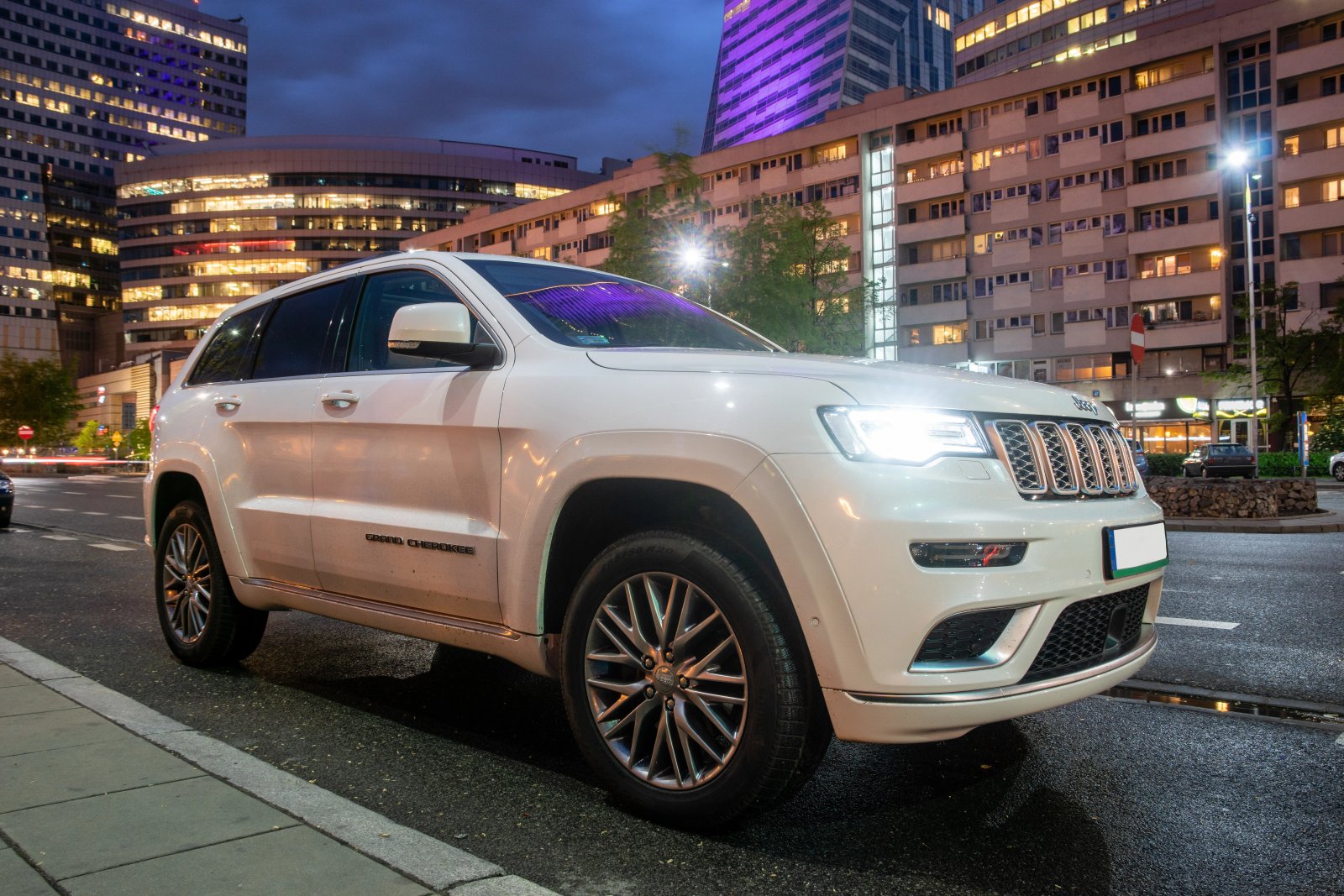
In a survey by Consumer Reports, about 12% of Jeep owners reported at least one stalling incident in the first five years of ownership. The most common models with stalling complaints were the Jeep Wrangler and Jeep Grand Cherokee. Most problems were traced to fuel system issues, followed by electrical faults.
| Jeep Model | Reported Stalling (%) | Main Cause |
|---|---|---|
| Wrangler (2015-2020) | 14% | Fuel system |
| Grand Cherokee (2014-2019) | 10% | Electrical |
| Compass (2017-2021) | 8% | Transmission |
What To Do If Your Jeep Stalls
If your Jeep stalls while driving, follow these safety steps:
- Pull over safely: Signal and steer to the side of the road.
- Try to restart: If the engine starts, drive slowly to a repair shop.
- Call for help: If you can’t restart, contact roadside assistance.
- Don’t ignore the problem: Stalling can lead to accidents or expensive repairs. Address the issue quickly.
Frequently Asked Questions
Why Does My Jeep Stall When I Come To A Stop?
This usually means a fuel system or idle control problem. Dirty injectors or a bad idle air control valve can cause stalling at low speeds.
Can A Dead Battery Cause My Jeep To Stall?
Yes, a dead battery or failing alternator can cut power to critical systems, making the engine stall while driving.
How Do I Know If My Jeep’s Stalling Is Caused By Overheating?
Watch for the temperature gauge rising or steam under the hood. If your Jeep stalls after these signs, overheating is likely the cause.
Do Jeep Recalls Cover Stalling Problems?
Some Jeep recalls address stalling due to software or hardware faults. Check your model’s recall history at NHTSA.
Is It Safe To Drive A Jeep That Stalls Occasionally?
No, frequent stalling increases risk of accidents. Get your Jeep checked by a mechanic before driving long distances.
Stalling is frustrating, but with careful observation and regular maintenance, most Jeep owners can fix the root cause. Don’t wait for a breakdown stay alert, and your Jeep will stay reliable, wherever your journey leads.