If you drive a Jeep and love adventure, you’ve probably heard of the term “death wobble. ” It sounds scary and it is.
The steering wheel shakes violently when you hit a bump at highway speed. Sometimes, the whole Jeep feels out of control.
This can happen without warning, making even experienced drivers nervous. But what actually causes death wobble on a Jeep?
Let’s break it down so you can spot the risks, and know what to do if it happens.
What Is Jeep Death Wobble?
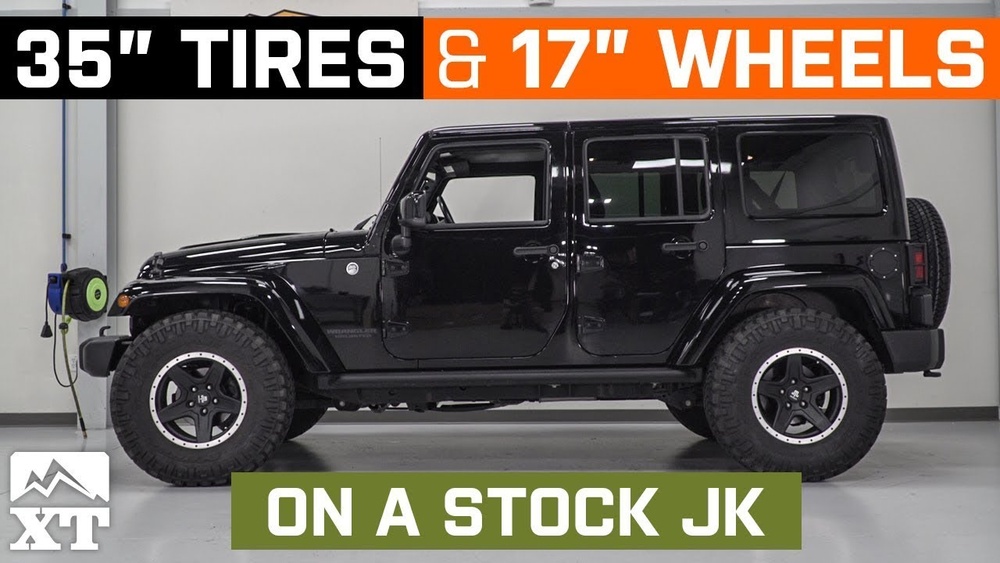
Death wobble is a violent vibration in the front end, usually after hitting a bump at speeds over 45 mph. The steering wheel shakes back and forth fast, making it hard to control your Jeep. Many think it only happens to Jeeps with large tires or lifted suspensions, but even stock vehicles can experience it.
Main Causes Of Death Wobble On A Jeep
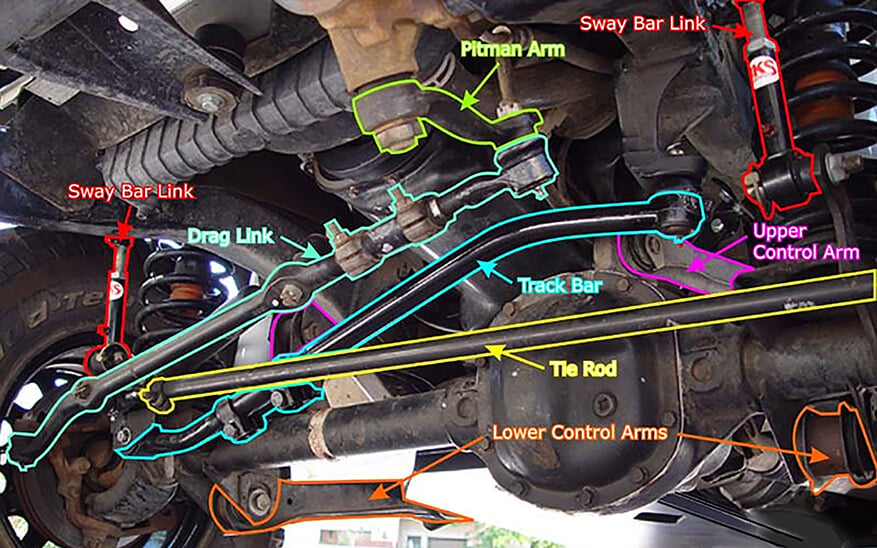
Several parts work together in the front suspension and steering. If one part is worn or loose, it can trigger death wobble. Here are the most common causes:
1. Worn Track Bar Bushings Or Bolts
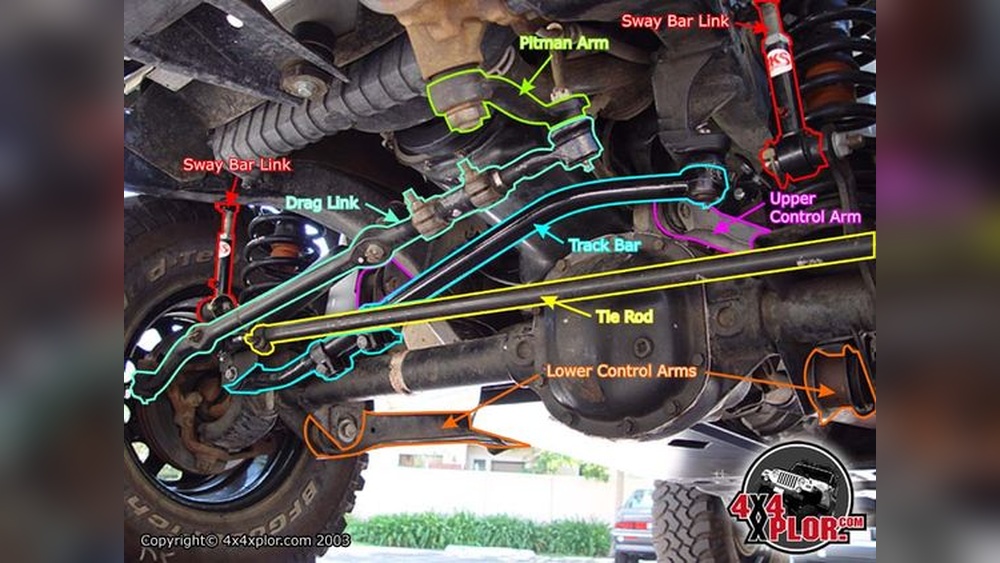
The track bar keeps the axle centered under your Jeep. If the bushings or bolts are loose or worn, the axle shifts side-to-side. Even small movement here can cause the whole Jeep to shake.
2. Loose Or Damaged Tie Rod Ends
Tie rod ends connect the steering to the wheels. If they’re worn or not tight, the steering becomes unpredictable. This lets vibrations build up quickly, especially at highway speeds.
3. Failing Ball Joints
Ball joints connect the front axle to the wheels. Bad ball joints allow extra movement, making the suspension unstable. This is a common cause many overlook, especially after lots of off-road driving.
4. Weak Or Broken Steering Stabilizer
Some believe the steering stabilizer is the main problem. Actually, it just masks issues. A weak or broken stabilizer won’t cause death wobble alone, but it can make the shaking worse if other parts are already worn.
5. Bent Or Out-of-spec Suspension Components
Hitting rocks or curbs can bend your drag link, tie rod, or other suspension parts. Even a small bend throws the wheels out of alignment, increasing the risk of wobble.
6. Misaligned Wheels Or Unbalanced Tires
If your wheels are out of alignment or your tires are unbalanced, vibrations can grow. Large tires and aftermarket wheels make this worse, especially if you drive mostly on highways.
7. Worn Wheel Bearings
Wheel bearings let the wheels spin smoothly. If they’re worn, the wheel can move in ways it shouldn’t, letting vibration travel through the suspension.
8. Loose Control Arm Bolts Or Bushings
Control arms hold the axle in place. Loose bolts or worn bushings let the axle move. This causes the Jeep to wander, which can start a death wobble after a bump.
Here’s a quick comparison of how different Jeep models and years are affected by death wobble:
| Jeep Model | Most Common Years Affected | Notes |
|---|---|---|
| Wrangler JK (2007–2018) | 2012–2018 | More reports after suspension lifts |
| Wrangler TJ (1997–2006) | 2003–2006 | Often due to worn track bar |
| Grand Cherokee (WJ) | 1999–2004 | Common with high mileage |
How To Diagnose The Cause
If your Jeep shakes, don’t guess. Find the real issue by checking these points:
- Inspect All Suspension Parts: Look for movement in track bar, tie rods, and control arms.
- Check for Worn Bushings: Use a pry bar to test for play in bushings.
- Examine Ball Joints: Jack up the Jeep and move the wheel side-to-side. Any play means they’re bad.
- Test Wheel Bearings: Spin the wheel and listen for grinding.
- Look for Bent Parts: Compare the shape of your drag link and tie rod to new ones online.
- Get a Wheel Alignment: Even minor misalignment can set off a wobble.
It’s often a combination of small problems. Fixing just one part may not solve it.
Practical Tips To Prevent Death Wobble
Many drivers only focus on the steering stabilizer. This is a mistake. Use these tips to prevent problems:
- Regular Inspections: Check all suspension and steering parts every oil change, especially if you off-road.
- Tighten Bolts: Use a torque wrench to keep track bar and control arm bolts at the correct tightness.
- Balance Tires: Large tires should be balanced at least twice a year.
- Don’t Ignore Small Vibrations: Fix minor shakes early before they become dangerous.
- Replace in Pairs: If you replace one ball joint or tie rod, do the other side too. This keeps wear even.
Here’s a quick look at which parts most often need replacement and their average cost:
| Component | Signs of Failure | Average Replacement Cost |
|---|---|---|
| Track Bar | Clunking noise, loose feel | $100–$300 |
| Ball Joints | Wheel play, uneven tire wear | $200–$400 (pair) |
| Tie Rod Ends | Wandering steering | $150–$350 |
Two Insights Most Jeep Owners Miss
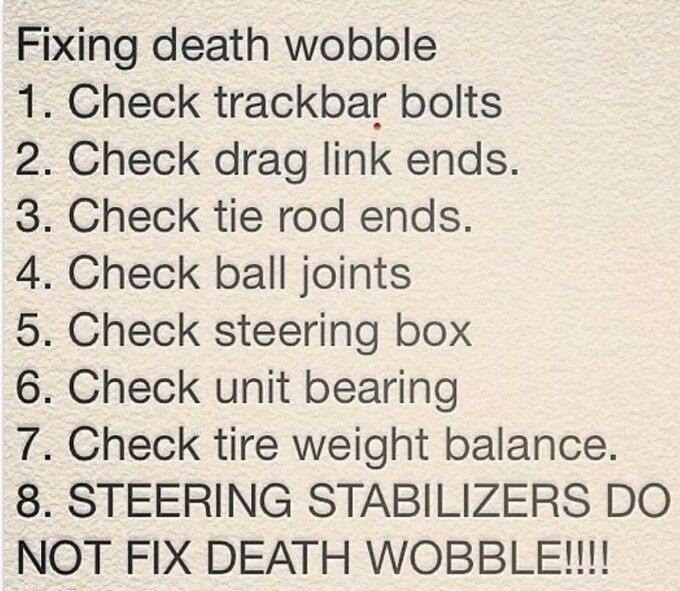
- Death wobble rarely comes from just one part. Fixing only the steering stabilizer or adding a lift kit can mask the problem, but won’t solve it. Always check every joint and bushing together.
- Improper installation after suspension work is a hidden cause. Mechanics sometimes tighten suspension bolts while the Jeep is lifted, not on the ground. This stresses bushings, making them fail early. Always torque bolts with the vehicle’s full weight on its wheels.
What To Do If You Experience Death Wobble
Stay calm. Slow down gradually don’t slam the brakes.
Grip the wheel firmly and let off the gas. Pull over safely and inspect for loose or damaged parts before continuing.
If you’re unsure, have a qualified mechanic check your Jeep. Driving with death wobble is unsafe and could cause loss of control.
Frequently Asked Questions
What Is The First Thing I Should Check For Jeep Death Wobble?
Start with the track bar and its bolts. They are the most common source of play that triggers death wobble.
Can Oversized Tires Cause Death Wobble?
Oversized tires don’t directly cause death wobble but make worn suspension parts more likely to trigger it. Proper alignment and balancing are critical with big tires.
Is It Safe To Drive With Death Wobble?
No. Death wobble means something is wrong in the suspension or steering. Continuing to drive is dangerous and could lead to a crash.
Does A Steering Stabilizer Fix Death Wobble?
A steering stabilizer only masks the symptoms. It does not fix the root cause. Find and repair worn or loose parts for a real solution.
Where Can I Learn More About Jeep Suspension Problems?
You can find detailed technical info at the Wikipedia page on Death Wobble.
Death wobble is scary but preventable. Regular checks, proper repairs, and knowing what to look for will keep your Jeep safe on and off-road.
Don’t ignore warning signs fixing small issues early can save you money and headaches down the trail.