Jeep owners love the freedom of driving with a soft top. Whether you’re cruising under the sun or shielding from sudden rain, the soft top is a versatile part of the Jeep experience. But what exactly are Jeep soft tops made of? If you’re thinking of buying, replacing, or caring for your Jeep’s roof, knowing the materials and their features is essential. Let’s dive into the world of Jeep soft tops, explore their construction, and see how different materials compare.
Main Materials Used In Jeep Soft Tops
Jeep soft tops aren’t just random fabric stretched over a frame. They’re made from specialized materials designed to handle rough weather, UV rays, and regular folding.
Vinyl
Vinyl is one of the most common materials for Jeep soft tops. It is a synthetic plastic called polyvinyl chloride (PVC). Vinyl tops are known for:
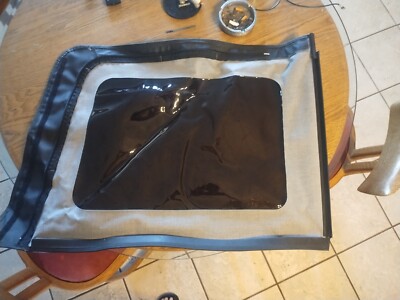
- Water resistance: Keeps out rain and moisture.
- Easy cleaning: Dirt wipes away with simple soap and water.
- Affordable price: Usually less expensive than premium fabrics.
Many entry-level Jeeps come with vinyl soft tops. The material is thick and durable but can feel stiff in cold weather.
Over time, vinyl may fade or crack if not cared for, especially under strong sunlight.
Fabric (polyester Or Cotton Blend)
High-end Jeep soft tops use fabric blends, often polyester or cotton combined with PVC coatings. These tops are more flexible and comfortable to touch. The benefits include:
- Better insulation: Keeps the cabin quieter and warmer.
- Soft texture: Looks premium and feels less “plastic.”
- Resists shrinking: Fabric holds its shape even with heavy use.
Fabric tops are popular for those who want a more luxurious look. They usually last longer than pure vinyl, especially if you drive in mixed weather.
Sailcloth
Sailcloth is a heavy-duty fabric, often layered with polyester and vinyl. It was originally used for boat sails, so it’s tough and weatherproof. Jeep sailcloth tops offer:
- Superior noise reduction: Quieter ride compared to standard vinyl.
- Enhanced durability: Stands up to harsh sun, wind, and rain.
- Premium appearance: Smooth finish and attractive colors.
Sailcloth is the material used in many factory premium Jeep tops. It’s more expensive but worth it for frequent drivers or those in extreme climates.
Twill
Twill is a woven fabric made from polyester or cotton. It’s the top choice for Jeep owners who want luxury and performance. Twill features:
- High-end look: Deep black color and a soft touch.
- Excellent insulation: Keeps the cabin comfortable.
- Long lifespan: Resistant to fading, tearing, and stretching.
Twill tops are found in the most expensive Jeep models. They also weigh more, so they’re not as easy to remove and reinstall.
Comparing Jeep Soft Top Materials
Different materials suit different needs. Here’s a direct comparison of the most popular types:
| Material | Water Resistance | Noise Reduction | Durability | Cost |
|---|---|---|---|---|
| Vinyl | Excellent | Low | Moderate | Low |
| Fabric Blend | Good | Moderate | Good | Medium |
| Sailcloth | Excellent | High | High | High |
| Twill | Excellent | Very High | Very High | Very High |
Other Components Of Jeep Soft Tops
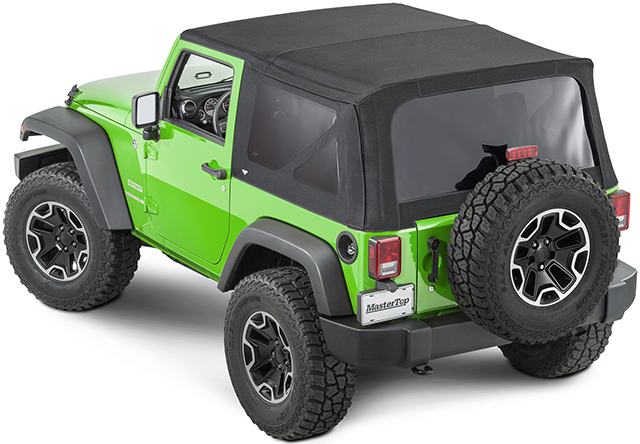
The main covering isn’t the only part. Jeep soft tops are made of several pieces:
- Windows: Usually made from clear vinyl or plastic (sometimes called “glass” but not real glass).
- Zippers: Heavy-duty plastic or metal to withstand repeated use.
- Frame: Metal or reinforced plastic, providing structure and support.
- Seams & stitching: High-tensile polyester thread, often double-stitched for strength.
These components matter for durability, ease of use, and weather protection. For example, window quality affects visibility and scratch resistance.
Quick Comparison Of Window Materials
Let’s see how window materials stack up:
| Window Material | Transparency | Scratch Resistance | Flexibility |
|---|---|---|---|
| Vinyl | High | Low | Excellent |
| Polycarbonate | Very High | High | Moderate |
| Acrylic | High | Moderate | Good |
How Material Choice Affects Performance
Choosing the right material for your Jeep soft top is more than looks. The material affects:
- Weather protection: Vinyl and sailcloth block rain, wind, and UV rays well.
- Noise inside the cabin: Twill and sailcloth are much quieter than vinyl.
- Lifespan: Twill lasts the longest, but vinyl is easier to replace.
- Maintenance: Vinyl is simple to clean. Fabric and twill need special cleaners.
Most beginners overlook how different materials feel and sound. For example, a vinyl top may flap in strong winds, while sailcloth stays tight and silent. Another non-obvious tip: darker fabrics resist UV damage better but can make the cabin hotter.
Practical Tips For Jeep Soft Top Care
- Regular cleaning: Use mild soap and water for vinyl; fabric needs gentle cleaners.
- Avoid harsh chemicals: Bleach or strong solvents can damage stitching and windows.
- Protect from sun: Park in the shade or use UV protectant sprays.
- Inspect zippers and seams: Look for wear, as these are weak points.
- Store properly: If removing the top, fold it gently and keep it dry.
Many beginners forget about window care. Always rinse windows before wiping to avoid scratches.
Also, don’t leave the soft top rolled up for long periods, as creases can become permanent.
Data On Jeep Soft Top Longevity
Studies and user reports show that:
- Vinyl tops: Last 3–5 years with basic care.
- Sailcloth or twill: Can last 7–10 years if cleaned regularly.
- Windows: Usually need replacing after 4–6 years due to scratches or yellowing.
Climate matters. In hot, sunny states, even premium tops can fade faster.
If you drive off-road often, fabric and twill resist mud and branches better.

Frequently Asked Questions
What’s The Best Material For A Jeep Soft Top?
The best material depends on your needs. Twill is the most luxurious and long-lasting, but sailcloth gives excellent durability and weather protection at a lower price.
Can I Switch From Vinyl To Twill?
Yes, you can upgrade. Just make sure your frame and hardware are compatible. Some older Jeeps need adapter kits.
Are Jeep Soft Tops Waterproof?
Most soft tops are water-resistant, not fully waterproof. Heavy rain may cause leaks if seams or zippers are worn.
How Often Should I Clean My Jeep Soft Top?
Clean your soft top every 1–2 months or after muddy trips. Use the right cleaner for your material to avoid damage.
Do Soft Tops Affect Resale Value?
A well-maintained soft top boosts resale value. Damaged or faded tops can reduce it, especially for newer Jeeps. For more tips, check guides from the Jeep Official Site.
Jeep soft tops are more than just fabric they’re engineered for performance, style, and protection. Understanding the materials helps you choose, maintain, and enjoy your Jeep for years.
Whether you’re riding with a classic vinyl top or a premium twill roof, the right care and knowledge make all the difference.