The compact SUV market is crowded, but two names often stand out: the Volkswagen Tiguan and the Jeep Cherokee. Both offer style, technology, and versatility, but they approach these qualities differently.
If you’re choosing between them, it’s easy to get lost in technical details and marketing claims. This article breaks down what really matters, comparing performance, interior space, safety, features, and ownership experience, so you can make a smart decision.
Performance And Driving Experience
Drivers often choose compact SUVs for their blend of power and comfort. The Volkswagen Tiguan and Jeep Cherokee have distinct personalities on the road.
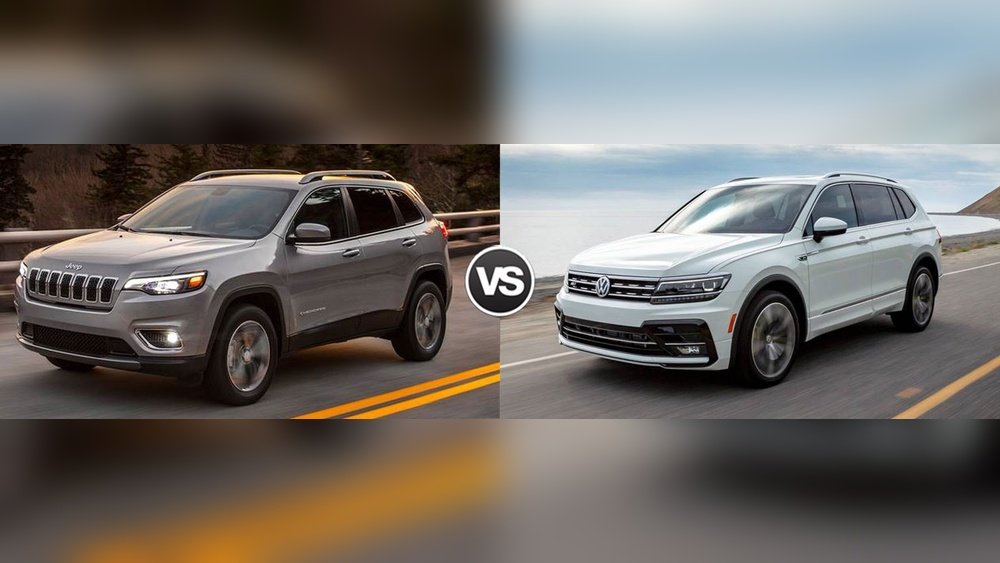
The Volkswagen Tiguan comes with a turbocharged 2.0-liter four-cylinder engine making 184 horsepower and 221 lb-ft of torque. Most models use an eight-speed automatic transmission. The Tiguan feels smooth and refined, especially on city roads and highways. It’s not a sports car, but the ride is quiet, and the suspension absorbs bumps well.
The Jeep Cherokee stands out for its engine variety. The base model has a 2.4-liter four-cylinder (180 hp), but buyers can upgrade to a 3.2-liter V6 (271 hp) or a 2.0-liter turbo (270 hp). The Cherokee’s nine-speed automatic can feel busy, but the V6 gives real punch for merging or towing. Off-road, the Cherokee—especially the Trailhawk trim—offers more capability than the Tiguan.
Here’s a quick comparison of basic performance specs:
| Model | Base Engine | Horsepower | Torque (lb-ft) | Towing Capacity (max) |
|---|---|---|---|---|
| Volkswagen Tiguan | 2.0L Turbo I4 | 184 | 221 | 1,500 lbs |
| Jeep Cherokee | 2.4L I4 / 2.0L Turbo / 3.2L V6 | 180–271 | 171–295 | 4,500 lbs |
Non-obvious insight: If you plan to tow trailers or boats, the Cherokee’s higher towing capacity is a major advantage. But for daily commuting, the Tiguan’s smoother ride may be more comfortable.
Interior Comfort And Space
Step inside both SUVs and you’ll notice different priorities.
The Tiguan is one of the few compact SUVs to offer three rows of seating (standard in FWD models, optional on AWD). While the third row is tight for adults, it’s handy for kids or short trips. The cabin uses soft materials and has a modern feel. Rear seats slide and recline for extra comfort.
The Cherokee sticks with two rows but provides more supportive seats, especially up front. There’s less overall cargo space, but the rear seats fold flat to help with larger items. The infotainment system is simple and the controls are easy to reach.
Here’s a comparison of interior dimensions:
| Dimension | Tiguan | Cherokee |
|---|---|---|
| Seating Capacity | 5–7 | 5 |
| Cargo Space (behind 2nd row) | 33.0 cu ft | 25.8 cu ft |
| Front Legroom | 40.2 in | 41.1 in |
Practical tip: The Tiguan’s third row isn’t suitable for tall adults, but for families with small children, it’s a bonus rarely found in this price range.
Technology And Features
Modern buyers expect advanced tech and convenience features. Both vehicles deliver, but with some differences.
Volkswagen Tiguan comes standard with a 6.5-inch touchscreen, Apple CarPlay, Android Auto, and a Wi-Fi hotspot. Higher trims add an 8-inch display, digital cockpit, wireless charging, and premium audio. Volkswagen’s interface is crisp, but some menus are less intuitive.
Jeep Cherokee uses the Uconnect system, known for its simplicity. Most models have a 7-inch or 8.4-inch touchscreen with smartphone integration and satellite radio. Navigation, a larger screen, and premium sound are available on higher trims.
Key feature comparison:
| Feature | Tiguan | Cherokee |
|---|---|---|
| Apple CarPlay/Android Auto | Standard | Standard |
| Digital Instrument Cluster | Available | No |
| Navigation | Available | Available |
| Wireless Charging | Available | Available |
Non-obvious insight: Volkswagen’s digital cockpit (on higher trims) can display maps and car data directly in the driver’s line of sight—useful for navigation and long trips.
Safety And Reliability
Safety is a top concern for SUV buyers. Both vehicles come with a good set of standard features, but details matter.
The Tiguan includes forward collision warning, automatic emergency braking, blind-spot monitoring, and rear cross-traffic alert as standard. The NHTSA gives it a 5-star overall rating, while the IIHS rates it as a Top Safety Pick with some trims.
The Cherokee also provides a strong safety package, but some features—like adaptive cruise control or lane-keep assist—are only on higher trims. Crash ratings are solid, with a 4-star NHTSA score.
On reliability, the Tiguan has improved but still ranks average. The Cherokee’s reliability is mixed, especially for earlier model years.
Owners sometimes report issues with electronics and transmission.
Practical tip: If long-term reliability is your top priority, check recent model-year reviews and consider extended warranties for the Cherokee.
Value And Ownership Costs
Price and running costs can tip the balance between these SUVs.
- Volkswagen Tiguan: Starts at around $28,000 for the base model. Fuel economy is about 24 mpg city / 31 mpg highway (FWD).
- Jeep Cherokee: Starts at about $31,000, with higher trims quickly increasing the price. The base engine gets 22 mpg city / 31 mpg highway, but the V6 and 4WD models use more fuel.
Insurance, maintenance, and depreciation are similar for both, but Jeep’s V6 can cost more to insure. The Tiguan’s longer warranty (4 years/50,000 miles) beats Jeep’s 3 years/36,000 miles.
Non-obvious insight: The Tiguan’s warranty and potential for lower fuel and insurance costs can make it the better deal for budget-conscious buyers, especially if you don’t need off-road ability.
Final Thoughts
Choosing between the Volkswagen Tiguan and Jeep Cherokee depends on your priorities. The Tiguan is ideal for families needing extra seating, a smooth ride, and modern tech. The Cherokee appeals to drivers who want engine choices, real off-road ability, and a classic SUV feel. Test drive both and consider your daily needs—the right fit comes down to your lifestyle.
For more technical details, visit the Kelley Blue Book comparison.
Frequently Asked Questions
<!– wp:rank-math/faq-block {"questions":[{"id":"faq-question-140d0a67c041","title":"Which Suv Is Better For Families, The Tiguan Or Cherokee?","content":"The Volkswagen Tiguan is usually better for families due to its available third-row seating and larger cargo space. It’s more flexible for carrying kids and extra gear.
“,”visible”:true},{“id”:”faq-question-09772932119b”,”title”:”Is The Jeep Cherokee Good For Off-road Driving?”,”content”:”Yes, especially the Trailhawk trim. It has advanced 4WD systems, higher ground clearance, and special off-road features that the Tiguan lacks.
“,”visible”:true},{“id”:”faq-question-f3b7f81309fe”,”title”:”Which Vehicle Has Better Fuel Economy?”,”content”:”The Tiguan generally has better fuel economy, especially with front-wheel drive. The Cherokee’s V6 and 4WD options use more fuel.
“,”visible”:true},{“id”:”faq-question-7dad11d1c820″,”title”:”How Do The Warranties Compare?”,”content”:”Volkswagen offers a 4-year/50,000-mile warranty. Jeep provides a 3-year/36,000-mile warranty. The Tiguan’s coverage is longer.
“,”visible”:true},{“id”:”faq-question-1ce1deb78916″,”title”:”Are There Common Problems With Either Model?”,”content”:”The Cherokee has some reported issues with electronics and the transmission in earlier years. The Tiguan’s main issues are with infotainment glitches, but overall reliability is average for both.
“,”visible”:true}]} –>Which Suv Is Better For Families, The Tiguan Or Cherokee?
The Volkswagen Tiguan is usually better for families due to its available third-row seating and larger cargo space. It’s more flexible for carrying kids and extra gear.
Is The Jeep Cherokee Good For Off-road Driving?
Yes, especially the Trailhawk trim. It has advanced 4WD systems, higher ground clearance, and special off-road features that the Tiguan lacks.
Which Vehicle Has Better Fuel Economy?
The Tiguan generally has better fuel economy, especially with front-wheel drive. The Cherokee’s V6 and 4WD options use more fuel.
How Do The Warranties Compare?
Volkswagen offers a 4-year/50,000-mile warranty. Jeep provides a 3-year/36,000-mile warranty. The Tiguan’s coverage is longer.
Are There Common Problems With Either Model?
The Cherokee has some reported issues with electronics and the transmission in earlier years. The Tiguan’s main issues are with infotainment glitches, but overall reliability is average for both.