If you own a Jeep Grand Cherokee, you know it’s built for both adventure and everyday driving. But no matter where you drive, one thing is certain: your transmission needs proper care. The transmission fluid is essential for smooth gear changes, cooling, and preventing damage. Choosing the right fluid, knowing when to change it, and understanding how to check it can help your Jeep last longer and perform better. This guide covers everything you need to know about transmission fluid for your Jeep Grand Cherokee—including types, maintenance tips, common mistakes, and expert advice that many beginners overlook.
Why Transmission Fluid Matters For Your Jeep Grand Cherokee
Transmission fluid is more than just a lubricant. It controls temperature, prevents friction, and even helps your Jeep shift gears smoothly.
For the Grand Cherokee, the transmission is complex especially in newer models with advanced automatic systems. If the fluid isn’t right, the transmission can slip, overheat, or even fail.
Many drivers ignore transmission fluid until problems appear. This can lead to expensive repairs.
Regular checks and using the correct fluid can save you money and keep your Jeep running reliably for years. Some owners don’t realize that different model years and engines require different fluids.
Using the wrong type can cause problems that aren’t obvious right away.
Types Of Transmission Fluid For Jeep Grand Cherokee
Not all transmission fluids are the same. Jeep Grand Cherokee models use different fluids depending on the year and transmission type.
Understanding these differences is crucial before adding or replacing fluid.
| Model Year | Transmission Type | Recommended Fluid |
|---|---|---|
| 1999-2004 | 4-speed automatic (42RE, 45RFE) | ATF+4 |
| 2005-2010 | 5-speed automatic (545RFE) | ATF+4 |
| 2011-2023 | 8-speed automatic (ZF 8HP) | ZF Lifeguard 8 or Mopar 8&9 Speed ATF |
ATF+4 is the most common for older Grand Cherokees. For newer models, you’ll need a synthetic fluid like ZF Lifeguard 8. Always check your owner’s manual or ask your dealer. Some fluids are not compatible, and mixing them can cause shifting issues or damage.
Synthetic Vs. Conventional Fluids
Most modern Grand Cherokees use synthetic transmission fluid. It lasts longer, handles heat better, and protects internal parts. Conventional fluids are cheaper but break down faster and don’t protect as well in extreme conditions.
Oem Vs. Aftermarket Fluids
You may see cheaper aftermarket fluids at auto stores. While some are good, always check if they meet Jeep’s specifications. Using a fluid that doesn’t match OEM specs can void your warranty and cause performance problems.
When And How To Check Transmission Fluid
Checking transmission fluid is simple but important. Most Grand Cherokees have a sealed transmission, meaning there’s no dipstick. For older models (pre-2011), you can use the dipstick under the hood.
For sealed transmissions:
- The fluid level is checked through a fill plug on the transmission.
- The engine must be running and the transmission warm.
- You may need a special tool.
For dipstick models:
- Park your Jeep on level ground.
- Start the engine and let it idle.
- Shift through all gears, then leave it in Park.
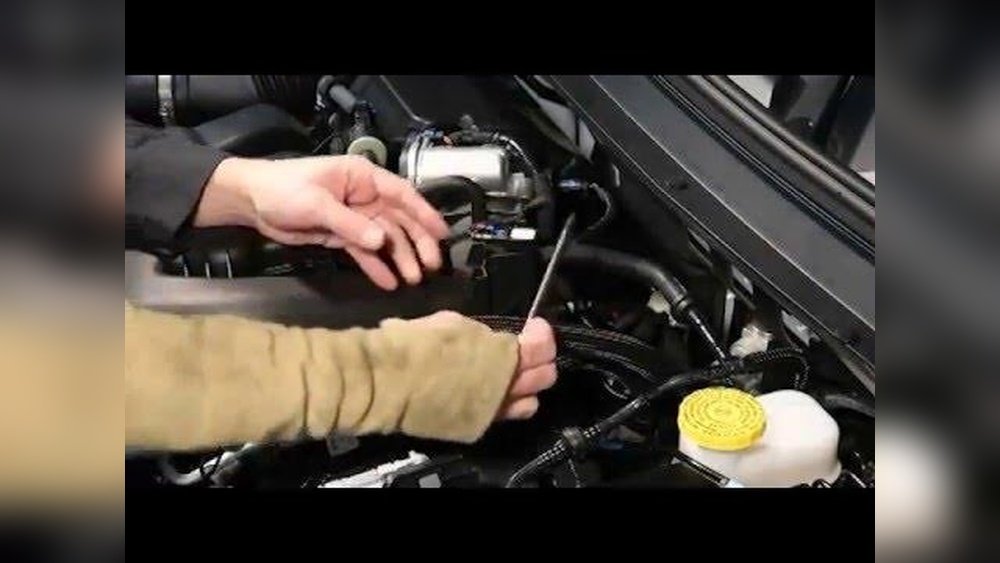
- Pull out the dipstick, wipe it clean, insert again, then pull out to check the level.
Fluid should be red and clear, not brown or cloudy. If it smells burnt, it’s time to change it.
Changing Transmission Fluid: Steps And Tips
Changing transmission fluid keeps your Jeep’s transmission healthy. Here’s how you can do it, whether you’re a DIYer or prefer a shop.
How Often Should You Change Transmission Fluid?
Jeep recommends changing fluid every 60,000 miles for most Grand Cherokees. In tough driving conditions (towing, off-roading, extreme heat), change it every 30,000–40,000 miles.
Some owners skip fluid changes, thinking it lasts forever. This is a mistake.
Even “lifetime” fluids break down over time and lose protection.
Step-by-step Fluid Change (older Models)
- Gather supplies: ATF+4 fluid, drain pan, socket set, new filter, gasket, gloves.
- Warm up your Jeep: Warm fluid drains better.
- Remove pan bolts: Place the drain pan under the transmission, remove bolts slowly.
- Drain fluid: Let old fluid drain out completely.
- Replace filter: Remove old filter, install new one.
- Clean pan: Wipe pan and magnet (if present).
- Install new gasket and pan: Tighten bolts evenly.
- Refill fluid: Add new fluid through the dipstick tube.
- Check level: Start engine, shift gears, check fluid level, top off if needed.
Fluid Change For Sealed Transmissions
For newer Grand Cherokees, changing fluid is more complex:
- The fill plug is underneath.
- You may need a scan tool to check fluid temperature.
- Fluid must be filled to a precise level.
If you’re not experienced, it’s safer to let a mechanic handle sealed transmissions.
Practical Tips
- Always use the exact fluid type for your model.
- Don’t overfill or underfill. Both can cause shifting problems.
- Change the filter if your Jeep has one.
- Clean the pan magnet—it collects metal shavings.
- Dispose of old fluid properly; don’t pour down the drain.

Signs Your Transmission Fluid Needs Attention
Ignoring transmission fluid can lead to big problems. Here’s what to watch for:
- Slipping gears: Jeep changes gears unexpectedly.
- Delayed shifting: Takes too long to shift between gears.
- Noisy transmission: Grinding or whining sounds.
- Fluid leaks: Red or brown spots under your Jeep.
- Burnt smell: Fluid smells like burned toast.
If you notice any of these, check your fluid right away. Catching problems early can save your transmission.
Comparing Popular Transmission Fluids
Choosing the right fluid isn’t just about price. Performance, compatibility, and durability matter too. Here’s a comparison of popular fluids for Grand Cherokee owners:
| Fluid Brand | Type | Price (Quart) | Mileage Interval |
|---|---|---|---|
| Mopar ATF+4 | Synthetic | $8–$12 | 60,000 miles |
| ZF Lifeguard 8 | Synthetic | $18–$22 | 60,000 miles |
| Valvoline ATF+4 | Synthetic | $7–$10 | 60,000 miles |
| Castrol Transmax ATF+4 | Synthetic | $8–$11 | 60,000 miles |
Mopar is the official Jeep fluid. ZF Lifeguard 8 is needed for newer 8-speed transmissions. Aftermarket brands like Valvoline and Castrol can be good alternatives if they meet Jeep’s standards.
Common Mistakes When Handling Transmission Fluid
Even experienced owners make mistakes that can cause transmission damage.
- Using the wrong fluid: Mixing ATF+4 with other types can cause shifting problems.
- Overfilling: Too much fluid can foam, causing slipping.
- Ignoring leaks: Small leaks can drain fluid fast and damage gears.
- Skipping filter change: Old filters block fluid flow.
- Not checking temperature: For sealed systems, fluid must be checked at the correct temperature.
One non-obvious tip: Always check for updates in Jeep’s service bulletins. Sometimes, fluid recommendations change after the vehicle is sold. Also, some owners don’t realize that aftermarket fluids can void warranty if not approved.
Transmission Fluid And Extreme Driving Conditions
If you tow heavy loads, drive off-road, or face extreme heat, your transmission works harder. In these situations:
- Change fluid more often—every 30,000–40,000 miles.
- Use synthetic fluid only.
- Check for leaks after rough driving.
Some drivers add transmission coolers to help with heat. This can extend fluid life and prevent overheating.
How Much Transmission Fluid Does Your Grand Cherokee Need?
The amount of fluid varies by model and whether you’re doing a drain-and-fill or a full change.
| Model Year | Transmission Type | Drain-and-Fill (Quarts) | Full Change (Quarts) |
|---|---|---|---|
| 1999-2004 | 4-speed automatic | 4–5 | 9–10 |
| 2005-2010 | 5-speed automatic | 5–6 | 10–11 |
| 2011-2023 | 8-speed automatic | 5–6 | 8–9 |
Always check your manual for exact numbers. Overfilling or underfilling can cause trouble.
Expert Insights: What Most Owners Miss
Many Jeep Grand Cherokee owners don’t know that transmission fluid degrades even if the Jeep sits unused. Moisture and contaminants can enter the fluid over time.
If you store your Jeep for months, check the fluid before driving again.
Another overlooked tip: After changing fluid, drive gently for the first 100 miles. This allows the new fluid to spread and lubricate all parts, avoiding sudden stress.
If you’re unsure about fluid type or change intervals, ask your dealer or check Jeep’s official site. For deeper details, visit Jeep Official Care.

Frequently Asked Questions
What Happens If I Use The Wrong Transmission Fluid?
Using the wrong fluid can cause slipping, poor shifting, and even damage your transmission. Some fluids don’t mix well and can cause clogs or leaks. Always use the fluid recommended for your Jeep Grand Cherokee.
How Do I Know If My Transmission Fluid Is Low?
Check for delayed shifting, slipping, or unusual noises. For older models, use the dipstick. For newer models, you may need a mechanic to check the sealed system. Low fluid can cause serious damage.
Can I Mix Old And New Transmission Fluid?
It’s best not to mix old and new fluid. Old fluid may contain contaminants. If you’re changing fluid, always remove as much old fluid as possible and replace with fresh fluid.
Does Transmission Fluid Affect Fuel Economy?
Yes, transmission fluid affects fuel economy. Clean and correct fluid helps the transmission run efficiently, reducing drag and improving gas mileage. Dirty or wrong fluid can make your Jeep use more fuel.
What’s The Cost To Change Transmission Fluid In A Jeep Grand Cherokee?
A shop fluid change costs $150–$350, depending on model and fluid type. DIY changes can be cheaper ($50–$100 for supplies), but sealed transmissions may need special tools.
Taking care of your Jeep Grand Cherokee’s transmission fluid isn’t hard, but it’s important. The right fluid, regular checks, and smart maintenance can keep your Jeep strong for years.
Avoid common mistakes, watch for signs of trouble, and don’t skip routine changes.
With these tips, your Grand Cherokee will stay ready for adventure on and off the road.