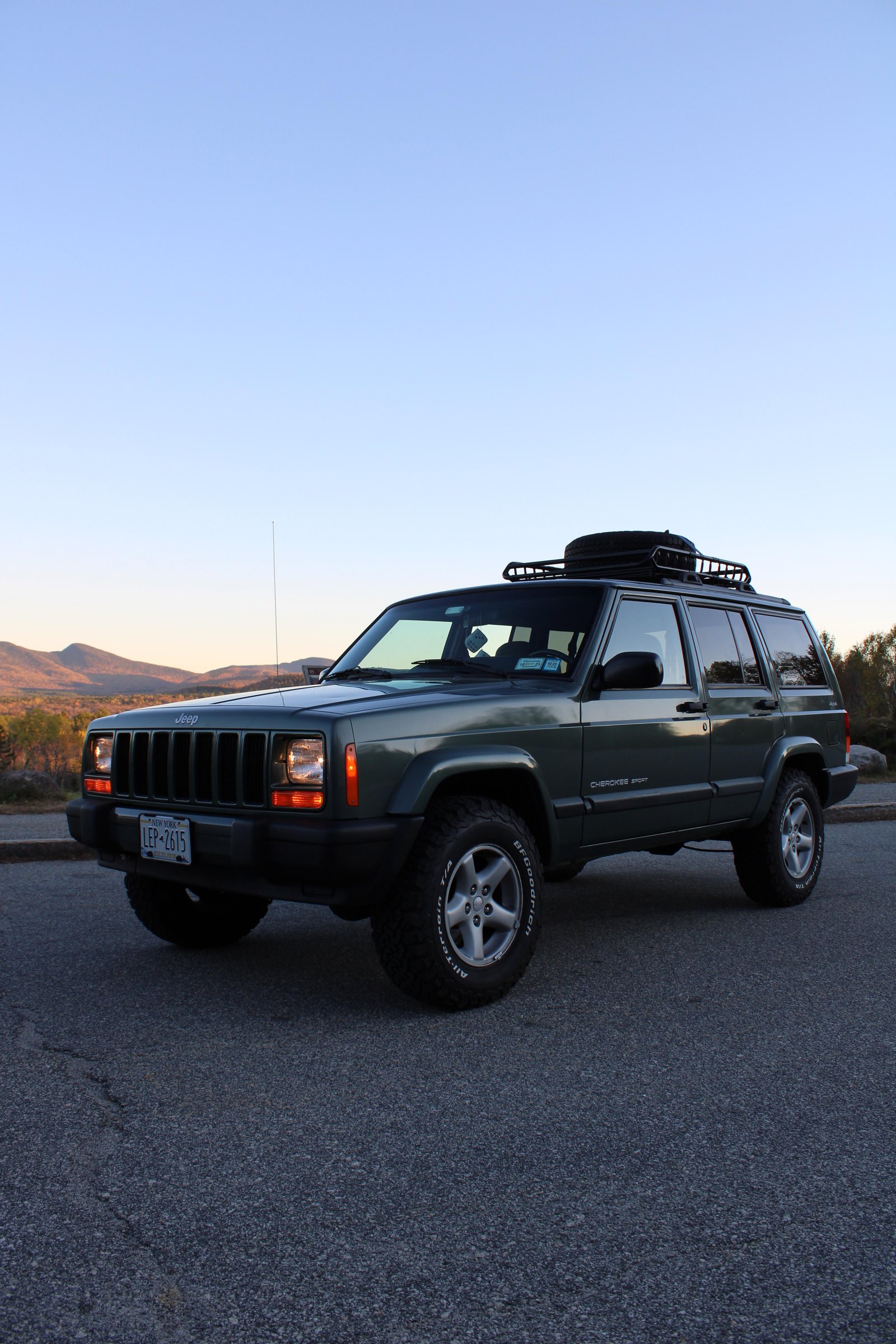
Thinking about selling your Jeep? You are not alone.
Many Jeep owners ask themselves this question, especially when life changes or the car market shifts. The answer depends on your needs, the current value of your Jeep, and your future plans.
In this guide, you’ll find clear advice to help you make the best decision for your situation.
Is Now A Good Time To Sell Your Jeep?
The used car market changes fast. In 2023, used car prices dropped about 13% compared to the previous year, but Jeep models often keep their value better than many other brands. For example, the Jeep Wrangler holds around 70% of its value after five years, which is much higher than the industry average.
Some key signals that now may be a good time to sell:
- High resale value: If your Jeep’s value is above average, you may get a great price.
- Low interest rates: More buyers can afford to finance, making selling easier.
- No major repairs needed: Cars that need work are harder to sell for a good price.
But if your Jeep is old or needs big repairs, waiting might make sense unless you need the cash or want to avoid more repair costs.
Reasons To Sell Your Jeep
Selling a Jeep is a personal decision. Here are some common reasons owners choose to sell:
- Changing needs: Maybe you need more seats, better fuel efficiency, or a smoother ride.
- Cost of ownership: Jeeps can be expensive to maintain, especially after 60,000 miles.
- Lifestyle changes: Moving to a city or having a baby can make a Jeep less practical.
- New technology: Some want newer safety features or better gas mileage.
- Market timing: If your Jeep is still under warranty and has low miles, you may get a top price.
Many owners also keep their Jeeps for off-roading or adventure. If you no longer use your Jeep for these activities, selling might make sense.

What Is Your Jeep Worth?
Knowing your Jeep’s current value is key. Values change by model, year, mileage, and condition. Here’s a quick comparison of 2020 Jeep models’ average resale prices in 2024:
| Model | Average Resale Price (2024) | 5-Year Depreciation |
|---|---|---|
| Wrangler | $34,500 | 30% |
| Grand Cherokee | $29,000 | 38% |
| Cherokee | $22,000 | 45% |
| Renegade | $17,500 | 50% |
You can check your own Jeep’s value using online tools like Kelley Blue Book or Edmunds. Compare prices for similar models in your area to get a realistic number.
Pro tip: Jeeps with aftermarket upgrades (like new tires or lift kits) sometimes sell for more, but only if buyers want those features. Otherwise, keep your Jeep as close to stock as possible for a wider audience.
Should You Trade In Or Sell Privately?
You have two main options: trade in at a dealership or sell to a private buyer. Each choice has pros and cons.
| Option | Pros | Cons |
|---|---|---|
| Trade-In | Fast, easy, less paperwork | Lower price, less negotiating power |
| Private Sale | Higher price, more control | Takes time, more effort, possible safety concerns |
If you want a quick sale or are buying a new car from a dealer, trading in may be best. If you want the most money and can wait, selling privately is usually better.

Common Mistakes When Selling A Jeep
Many sellers make small mistakes that cost them money or time. Watch out for these:
- Overpricing: Setting your price too high can scare off buyers.
- Ignoring small repairs: Fixing small issues (like lights or scratches) can boost your sale price.
- Bad photos/descriptions: Clear, honest ads attract more serious buyers.
- Not having records: Keep maintenance records to show you cared for your Jeep.
- Forgetting paperwork: Know your state’s rules for transferring the title and registration.
An easy-to-miss point: If your Jeep has aftermarket accessories, keep the original parts. Sometimes, buyers prefer the stock look, and you can sell extras separately for more profit.
How To Prepare Your Jeep For Sale
A bit of effort now can mean more money in your pocket. Here’s what to do:
- Clean inside and out: A clean car looks newer and better cared for.
- Fix minor issues: Replace bulbs, top up fluids, and handle small repairs.
- Gather paperwork: Have your title, service records, and owner’s manual ready.
- Take good photos: Use natural light and show all angles.
- Set a fair price: Check similar listings to avoid scaring off buyers.
If you’re selling online, be ready to answer questions about off-road use, past accidents, and service history. Buyers often ask if the Jeep has been in deep water or had major repairs, as these affect value.
When Keeping Your Jeep Might Be Better
Sometimes, keeping your Jeep is smarter. If it’s paid off, reliable, and fits your lifestyle, you may save money by holding on. Jeeps are known for their long-lasting engines and can run well past 150,000 miles with proper care.
Also, insurance and registration are usually lower on older vehicles. If you only use your Jeep for fun on weekends, the cost per year may be less than buying a new vehicle.
Frequently Asked Questions
Should I Sell My Jeep If It Has High Mileage?
Selling a high-mileage Jeep is possible, but you may get less money. If your Jeep is well-maintained and runs well, buyers will still be interested.
Be honest about its condition and service history.
How Can I Get The Most Money For My Jeep?
Prepare your Jeep by cleaning it, fixing small problems, and gathering all paperwork. Selling privately often brings a higher price than trading in at a dealership.
Do Jeeps Hold Their Value Better Than Other Suvs?
Yes, certain Jeep models, like the Wrangler, hold their value very well. According to Kelley Blue Book, the Wrangler is one of the top vehicles for resale value in the US.
What Paperwork Do I Need To Sell My Jeep?
You’ll need the title, bill of sale, maintenance records, and a release of liability form. Check your state’s DMV for exact requirements.
Is It Better To Sell My Jeep Before Or After Making Major Repairs?
If repairs are expensive, get a quote first. Sometimes, selling “as-is” is better.
But fixing small, affordable issues usually pays off with a higher sale price.
Choosing whether to sell your Jeep is a big decision, but with the right information, you can feel confident. Take your time, consider your needs, and use these tips to get the best outcome.