You may have seen Jeep vehicles on the road or off-road, and wondered if one is right for you. Their classic look and reputation for adventure attract many buyers.
But choosing a Jeep is not just about style; it’s about matching your needs with what Jeeps offer. Let’s explore if a Jeep fits your lifestyle, budget, and expectations.
What Makes Jeeps Unique
Jeeps are famous for their rugged design and off-road capability. Many models, like the Wrangler and Grand Cherokee, have four-wheel drive, high ground clearance, and strong suspension. This makes them ideal for rough terrain, snow, or sand. For example, the Wrangler can climb rocks and cross streams—things most cars cannot do. Some Jeeps even have special “Trail Rated” badges, which means they passed tough tests for traction, water fording, and maneuverability.
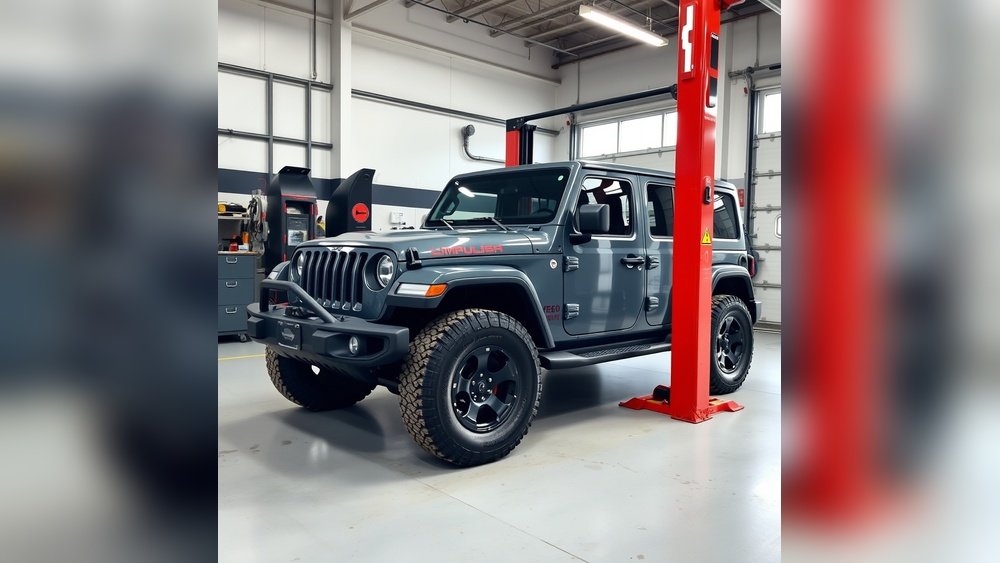
Jeeps also have a unique look. The round headlights and seven-slot grille are easy to spot.
People often customize their Jeeps with accessories like roof racks, larger tires, or winches. This flexibility is a big draw for those who like to personalize their vehicle.
Owners often add LED lights, snorkels, or protective skid plates for extra function. Even the interior can be changed removable carpets and waterproof seats help after muddy adventures.
Here is a comparison of Jeep models and their main features:
| Model | Off-road Capability | Fuel Efficiency (MPG) | Starting Price (USD) |
|---|---|---|---|
| Wrangler | Excellent | 17 city / 25 highway | ~$33,000 |
| Grand Cherokee | Very Good | 19 city / 26 highway | ~$40,000 |
| Compass | Moderate | 22 city / 31 highway | ~$29,000 |
Some buyers are surprised by the variety. For example, the Grand Cherokee is more luxurious, with leather seats and advanced tech, while the Compass is smaller and easier to park.
Pros Of Owning A Jeep
Many people love their Jeeps for several reasons:
- Off-road performance: Jeeps can handle mud, rocks, and snow better than most SUVs. Even basic models can cross rough paths, making them popular for camping, hiking, or hunting trips.
- Resale value: Jeeps often keep their value better than other brands. The Wrangler, for example, has one of the best resale values in the US. This is helpful if you plan to sell or trade your vehicle later.
- Community: Jeep owners often join clubs or attend events. This creates a sense of belonging and friendship. Many areas have “Jeep Wave” traditions, where owners wave to each other on the road.
- Customization: You can easily add accessories, change colors, or upgrade parts. There are thousands of aftermarket parts, from bumpers to roof tents.
A non-obvious benefit: Some Jeep models have removable doors and roofs. This feature is rare and adds fun during summer or on trails. For example, you can drive with the roof off and enjoy fresh air, or take doors off for a true outdoor experience.
Another subtle advantage: Jeeps are easy to repair in remote areas. Their design is simple, and many mechanics know how to fix them. This matters if you travel far from cities.
Cons And Common Challenges
Jeeps are not perfect for everyone. Here are some downsides:
- Fuel economy: Most Jeeps use more gas than smaller cars or crossovers. This can mean higher monthly costs, especially if you drive long distances.
- Ride comfort: The suspension is made for tough terrain, not city driving. On paved roads, some Jeeps feel bumpy and noisy. Long trips on highways may feel tiring compared to smoother SUVs.
- Maintenance costs: Repairing a Jeep can be more expensive, especially for older models or after heavy off-road use. Parts like axles, shocks, or tires may need replacing sooner.
Here is a comparison between Jeep Wrangler and a typical crossover SUV:
| Feature | Jeep Wrangler | Honda CR-V |
|---|---|---|
| Fuel Economy (MPG) | 17 city / 25 highway | 28 city / 34 highway |
| Ride Comfort | Firm | Smooth |
| Off-road Ability | Excellent | Limited |
| Maintenance Cost (Annual) | $700-$900 | $400-$600 |
A common mistake: Many buyers think every Jeep is great for off-roading. But some models, like the Renegade, are made more for city driving. Another detail: Jeeps can be noisy inside, especially with soft tops or large tires. This surprises some new owners.
Is A Jeep Right For Your Lifestyle?
Ask yourself these questions:
- Do you often drive off-road or in tough weather?
- Do you need extra cargo space or towing power?
- Are you okay with higher fuel costs?
- Do you value a strong community or unique style?
If you answered yes to most, a Jeep may fit you. If you mainly drive in the city or want maximum comfort, a crossover or sedan may be better.
Also think about parking a Jeep is taller and wider than many cars, so city parking can be tricky.
If you have hobbies like biking, hiking, or fishing, a Jeep can help you reach places other cars can’t.
Here is a quick table to help decide:
| Your Need | Jeep | Other SUV |
|---|---|---|
| Off-road trips | Best | Moderate |
| Fuel savings | Poor | Good |
| Daily city commute | Average | Excellent |
| Custom options | Many | Few |
If you live where winters are harsh or roads are rough, a Jeep can make daily life easier. But for urban drivers, the trade-offs may not be worth it.
Financial Considerations
Buying a Jeep is a big investment. The starting price is often higher than regular SUVs. You should consider insurance costs, which are usually higher for Jeeps, especially the Wrangler. Also, if you plan to customize your Jeep, budget for extra parts and labor. For example, adding off-road tires or special lights can cost hundreds or thousands of dollars.
One non-obvious insight: If you buy a used Jeep, check for signs of heavy off-road use. Look at the undercarriage for dents or rust. Ask for maintenance records, and see if the previous owner replaced key parts. Off-road trips can wear out suspension and brakes faster.
According to Kelley Blue Book, Jeeps keep their value well, but only if they are maintained and not overused off-road. A poorly cared-for Jeep may have hidden problems, so inspections are important.
Another tip: Jeeps often need bigger tires, which cost more to replace. Plan your long-term budget for these extra costs.
Frequently Asked Questions
Are Jeeps Good For Families?
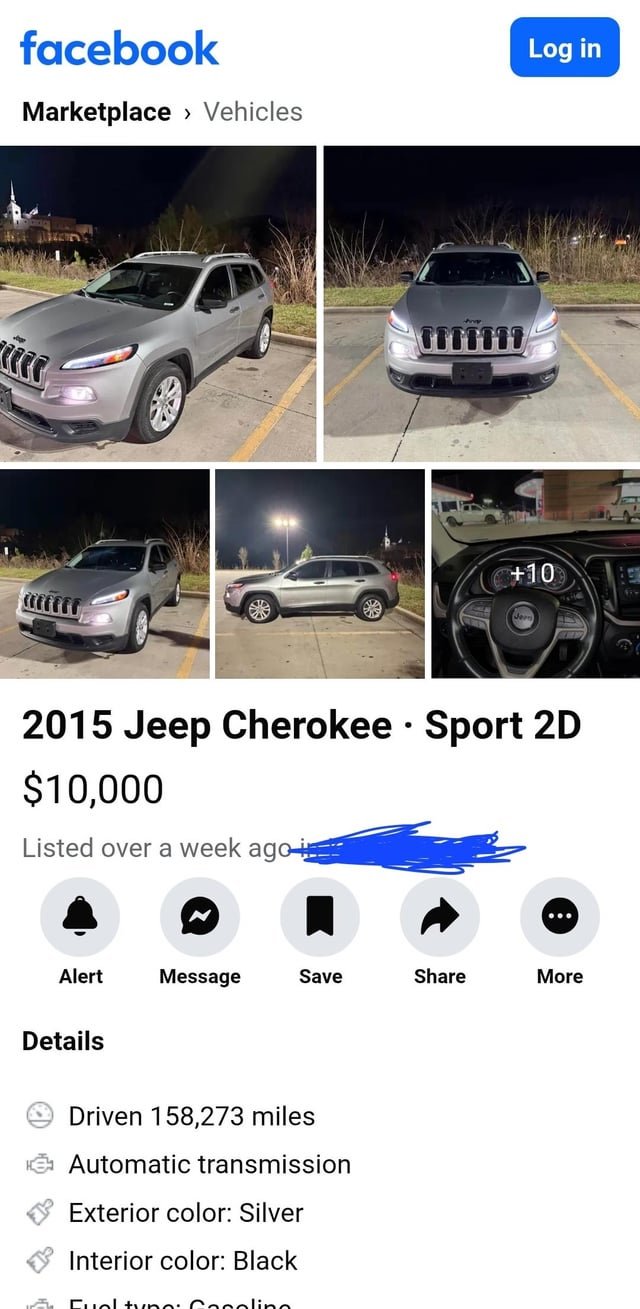
Some models, like the Grand Cherokee or Cherokee, are good for families because they have more space and comfort. The Wrangler is less comfortable for long trips with kids. Grand Cherokee has rear-seat air vents, USB ports, and more storage, making it better for daily family use.
How Expensive Is Jeep Maintenance?
Jeep maintenance can cost between $700 and $900 per year. Off-road driving increases this cost.
Regular oil changes and tire rotations are important. Repairs after heavy use like replacing shocks or body panels can be costly.
Is A Jeep Safe For City Driving?
Most Jeeps have modern safety features like airbags and stability control. However, their design focuses more on off-road safety than city comfort.
Parking sensors and backup cameras are available in newer models, but tight city spaces may still be a challenge.
Can I Drive A Jeep In Snow Or Rain?
Yes, Jeeps are excellent in bad weather. The four-wheel drive and high ground clearance help with snow, mud, and rain.
Many owners report feeling safer during winter storms or floods.
What Is The Best Jeep For Beginners?
The Jeep Compass or Cherokee are easier for new drivers. They are smaller, more fuel-efficient, and comfortable for daily use. Their controls are simpler, and parking is easier compared to the larger Wrangler.
Choosing a Jeep depends on your needs, budget, and preferences. If you want adventure, strong resale value, and a unique vehicle, a Jeep could be a great fit.
But if you value comfort, fuel efficiency, or simple city driving, you may want to look elsewhere.
Make sure to test-drive different models and talk to owners before deciding. Try to drive in both city and rough roads before making your choice.
This way, you’ll know if a Jeep truly matches your lifestyle.