When you think about customizing a Jeep Wrangler, one of the most impactful changes you can make is to the wheels. And for many Jeep owners, the ultimate combination is a lifted Jeep with black wheels.
This look is aggressive, stylish, and signals a vehicle ready for adventure. It’s more than just an aesthetic choice; it often goes hand-in-hand with performance upgrades that allow the Jeep to tackle tougher terrain.
Why this specific combination? A lifted Jeep gives you more ground clearance, letting you clear obstacles with ease.
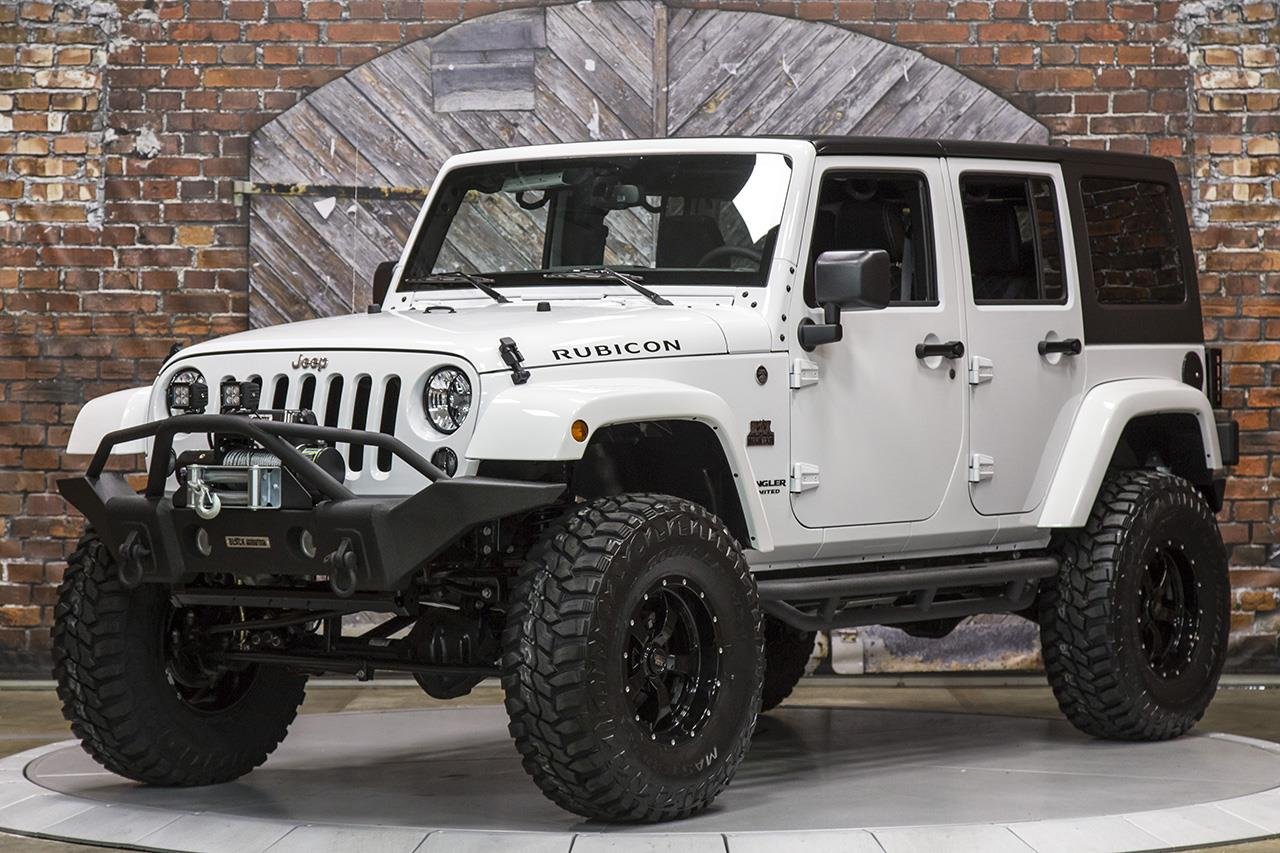
Black wheels, on the other hand, offer a sleek, modern, and rugged appearance that complements the Jeep’s inherent toughness. Together, they create a powerful visual statement.
But it’s not just about looks. The type of wheels and tires chosen for a lifted Jeep with black wheels can significantly affect its off-road capability, on-road comfort, and even fuel efficiency.
This guide will explore everything you need to know about achieving the lifted white Jeep black wheels look. We’ll cover the different types of lifts, the best black wheel options, tire considerations, and important factors to keep in mind to ensure your build is both stylish and functional. Whether you’re just starting to plan your build or looking for specific advice, this comprehensive overview will help you make informed decisions.
Understanding Jeep Lifts
Before diving into wheel choices, it’s crucial to understand what a lift kit does. A lift kit raises the body and frame of your Jeep higher off the ground. This provides several key benefits:
- Increased Ground Clearance: This is the primary reason most people lift their Jeeps. More clearance means you can drive over rocks, logs, and other obstacles without scraping or damaging the undercarriage of your vehicle.
- Accommodate Larger Tires: A lift kit allows you to fit bigger, more aggressive tires. Larger tires offer a larger contact patch with the ground, improving traction, and they also contribute to increased ground clearance.
- Improved Off-Road Performance: With better clearance and larger tires, your lifted Jeep can handle more challenging off-road trails with greater confidence and capability.
- Enhanced Aesthetics: Many owners simply love the imposing, aggressive stance that a lifted Jeep provides.
There are several common types of lift kits available for Jeep Wranglers, each with its own advantages and installation complexities.
Types Of Lift Kits
1. Spacer Lifts:
These are the most basic and often the most affordable type of lift. They involve installing spacers between the Jeep’s frame and the suspension components (like springs or shocks).
- How they work: Spacers are simple metal or composite blocks that increase the distance between the axle and the frame. They don’t replace any suspension parts, just add height.
- Pros: Inexpensive, easy to install (often a DIY job), minimal impact on ride quality.
- Cons: Limited height increase (usually 1-3 inches), can sometimes affect suspension geometry, may not be ideal for extreme off-roading as they don’t upgrade suspension components.
- Best for: Owners looking for a mild lift to fit slightly larger tires and improve the stance without a significant investment or major modification.
2. Suspension Lifts (Coil Spring Lifts):
These lifts involve replacing or modifying the Jeep’s coil springs and often the shock absorbers. They offer a more significant and performance-oriented lift.
- How they work: This type of lift typically replaces the stock coil springs with longer, stiffer springs designed to provide more height. New, longer shock absorbers are usually included to match the increased suspension travel.
- Pros: Provides greater lift heights (2-6 inches or more), improves off-road articulation and performance, often includes components to correct suspension geometry.
- Cons: More expensive than spacer lifts, installation is more complex and may require professional help, can alter ride quality depending on the spring rates.
- Best for: Serious off-roaders who need significant ground clearance and improved suspension performance.
3. Body Lifts:
Unlike suspension lifts that raise the frame by altering the suspension, body lifts raise the Jeep’s body off the frame using large pucks or spacers.
- How they work: Polyurethane or rubber pucks are inserted between the body mounts and the vehicle’s frame. This effectively lifts the entire body shell away from the chassis.
- Pros: Relatively inexpensive, allows for larger tires without significantly altering the suspension’s center of gravity, easy to install.
- Cons: Does not increase suspension travel or ground clearance under the axles, can sometimes lead to a gap between the body and frame, may require adjustments to steering components or shifter linkages.
- Best for: Owners who want to fit larger tires for the look and minimal clearance gain without changing the suspension characteristics. Often combined with small suspension lifts.
4. Long Arm Lifts:
These are high-end, advanced suspension lifts designed for extreme off-roading.
- How they work: They replace the stock short control arms with much longer ones, which significantly improve suspension geometry, articulation (flex), and on-road handling.
- Pros: Superior off-road performance, better ride quality both on and off-road, corrects suspension angles effectively.
- Cons: Very expensive, complex installation, requires significant modifications to the Jeep’s frame and suspension mounts.
- Best for: Dedicated rock crawlers and extreme off-road enthusiasts.
When considering a lifted white Jeep black wheels build, the most common choices for moderate lifts are spacer lifts and suspension lifts. Suspension lifts offer better performance for off-roading, while spacer lifts are a budget-friendly option for aesthetics and moderate tire upgrades.
Choosing The Right Black Wheels
Black wheels are a popular choice for Jeep Wranglers because they offer a versatile look that can be both aggressive and sophisticated. They pair exceptionally well with white paint, creating a strong contrast.
However, not all black wheels are created equal.
You need to consider material, design, size, and offset.
Wheel Material
The material of the wheel affects its weight, strength, and durability.
- Steel Wheels:
- Pros: Very strong, durable, relatively inexpensive, easy to repair if bent.
- Cons: Heavy, prone to rust if not properly coated, less appealing aesthetic options compared to alloy.
- Black Finish: Often comes in a matte or satin black powder coat.
- Use Case: Popular for extreme off-roading where durability is paramount and weight is less of a concern.
- Alloy Wheels:
- Pros: Lighter than steel wheels (improves fuel efficiency and handling), available in a vast range of styles and finishes, resistant to rust.
- Cons: Can be more expensive, may crack or shatter under extreme impact rather than just bending, repairs can be more difficult.
- Black Finish: Available in gloss black, matte black, satin black, machined black, and various two-tone combinations.
- Use Case: The most popular choice for daily drivers and most off-road applications due to the balance of looks, weight, and strength.
Wheel Design
The design of the wheel plays a huge role in the overall look of your lifted white Jeep black wheels.
- 5-Spoke Designs: Classic and versatile, offering a good balance of strength and open space to show off brake calipers.
- Multi-Spoke Designs: Can look more intricate and high-performance.
- Mesh Designs: Often have a sporty or luxurious feel.
- Beadlock Wheels: These are designed for extreme off-roading. A beadlock ring clamps the tire bead to the wheel, preventing the tire from de-beading (coming off the rim) at very low tire pressures. While functional for hardcore off-roaders, they are often overkill for daily driving and can be more expensive.
- Simulated Beadlock: Many wheels mimic the beadlock look with a decorative ring around the outer edge, offering the aggressive appearance without the functional complexity and cost.
Wheel Size And Offset
- Diameter: Common sizes for lifted Jeeps range from 17 inches to 20 inches. Larger diameters generally mean less sidewall on the tire, which can affect ride comfort and off-road performance. 17-inch and 18-inch wheels are very popular for lifted Jeeps as they allow for a good amount of tire sidewall.
- Width: Typically 8 to 10 inches wide. Wider wheels can accommodate wider tires and offer a more aggressive stance.
- Offset: This is crucial. Offset refers to the position of the wheel’s mounting surface relative to the centerline of the wheel.
- Positive Offset: The mounting surface is closer to the outside of the wheel.
- Negative Offset: The mounting surface is further inboard from the outside of the wheel.
- Zero Offset: The mounting surface is exactly in the center.
For a lifted white Jeep black wheels setup, a negative offset is often desired. This pushes the wheels outward, giving the Jeep a wider, more aggressive stance and helping to clear suspension components. A common negative offset for Jeeps is around -12mm to -24mm, especially when running larger tires. This can also help prevent rubbing on the fenders or suspension components, though it can also increase the chance of rubbing on the fender liners or flares.
Tire Selection For A Lifted Jeep
The tires are just as important as the wheels, if not more so, when it comes to performance and the overall look of your lifted white Jeep black wheels build. The type of tire you choose depends heavily on your intended use.
Tire Types
- All-Terrain (AT) Tires:
- Description: These are the most popular choice for lifted Jeeps. They offer a good balance between on-road comfort and off-road capability. They have more aggressive tread patterns than street tires but are designed to be reasonably quiet and efficient on pavement.
- Pros: Versatile for mixed driving, good traction on dirt, gravel, and light mud, generally quieter than mud-terrains.
- Cons: Not ideal for deep mud or extreme rock crawling.
- Popular Brands: BFGoodrich All-Terrain T/A KO2, Falken Wildpeak A/T3W, Goodyear Wrangler DuraTrac.
- Mud-Terrain (MT) Tires:
- Description: These tires have large, widely spaced tread blocks designed for maximum traction in mud, dirt, and rocky conditions.
- Pros: Excellent off-road traction, aggressive looks.
- Cons: Noisier on the road, reduced fuel efficiency, can wear faster on pavement, rougher ride.
- Popular Brands: BFGoodrich Mud-Terrain T/A KM3, Nitto Trail Grappler, Toyo Open Country M/T.
- Hybrid Tires:
- Description: These tires attempt to blend the best of both AT and MT tires. They feature aggressive tread patterns but often have features to reduce noise and improve on-road manners.
- Pros: Good compromise for aggressive off-roading and daily driving.
- Cons: Can sometimes fall short of the extreme performance of dedicated MT tires.
- Popular Brands: Toyo Open Country R/T, Nitto Ridge Grappler.
Tire Size
The size of the tire is directly related to the lift height. As a general rule:
- 2-inch lift: Can usually accommodate up to 33-inch tires without major modifications. Some minor trimming might be needed depending on the tire’s width and the Jeep’s original fenders.
- 3-4 inch lift: Typically allows for 35-inch tires. You might need to trim fenders or install aftermarket fender flares for clearance, especially when flexing the suspension off-road. You may also need to re-gear your differential for better performance.
- 4-6 inch lift: Can accommodate 37-inch tires and sometimes larger. This often requires more than just a lift kit; it might involve modifications to the steering, braking system, and re-gearing is almost always necessary.
Pro Tip: When choosing tire size, always consider the backspacing of your wheels. Wheels with less backspacing (more negative offset) allow for larger tires and can help prevent rubbing on suspension components. However, too little backspacing can cause rubbing on fenders and bodywork.
Aesthetics: The White Jeep And Black Wheels Combo
The combination of a white Jeep and black wheels is a timeless and striking look. White is a clean, classic color that provides a perfect canvas for contrasting elements. Black wheels add a touch of ruggedness and sophistication.
Why White Jeeps Look Great With Black Wheels
- High Contrast: The stark difference between white paint and black wheels creates a bold visual statement. It makes the wheels stand out and emphasizes their design.
- Aggressive Stance: Black wheels often have designs that are inherently more aggressive (e.g., deep lip, intricate spokes, simulated beadlock rings). This complements the lifted stance of the Jeep, making it look more capable and imposing.
- Practicality: While not the primary reason, black wheels can hide brake dust and road grime better than lighter colored wheels, especially after off-roading.
- Versatility: This color combination works well whether the Jeep is a clean daily driver or a mud-splattered adventure machine.
Enhancing The Look
Beyond the wheels themselves, other black accents can tie the look together:
- Black Grille Inserts or Grille: Many aftermarket grilles are available in black, further enhancing the front-end aggression.
- Black Fender Flares: Replacing stock flares with aftermarket black ones (often wider for larger tires) can create a cohesive look.
- Black Bumpers: Aftermarket steel bumpers in black provide protection and a rugged aesthetic.
- Black Accents: Small details like black door handles, mirrors, or even a black roof can add to the overall theme.
- Tinted Windows: Dark tinted windows complement the black wheels and add privacy.
Tire Lettering
The appearance of the tire lettering can also play a role.
- White Letter Tires: While classic, white lettering can sometimes clash with a purely black and white aesthetic. However, on some builds, it can add a vintage or retro touch.
- Black Letter Tires: Most modern tires come with black lettering, which keeps the overall look clean and monochromatic.
- Raised White Letter (RWL) vs. Outlined White Letter (OWL): OWL is a more subtle white lettering option.
- Tire Pens/Stencils: For a custom look, some owners use tire pens or stencils to add custom lettering or even paint over existing white letters to make them black or a different