A Jeep Wrangler sputtering on acceleration can turn a fun drive into a stressful experience. Instead of the steady power you expect, you might feel jerks, hesitation, or the engine struggling when you hit the gas.
Many Jeep owners face this issue, especially as their vehicles age or after off-road adventures. Sputtering is more than just annoying; it can signal bigger problems with your engine, fuel system, or electronics.
Understanding why your Jeep Wrangler sputters when accelerating is key to fixing it. This guide explains the main causes, how to diagnose the problem, what repairs might cost, and how you can keep your Wrangler running smoothly.
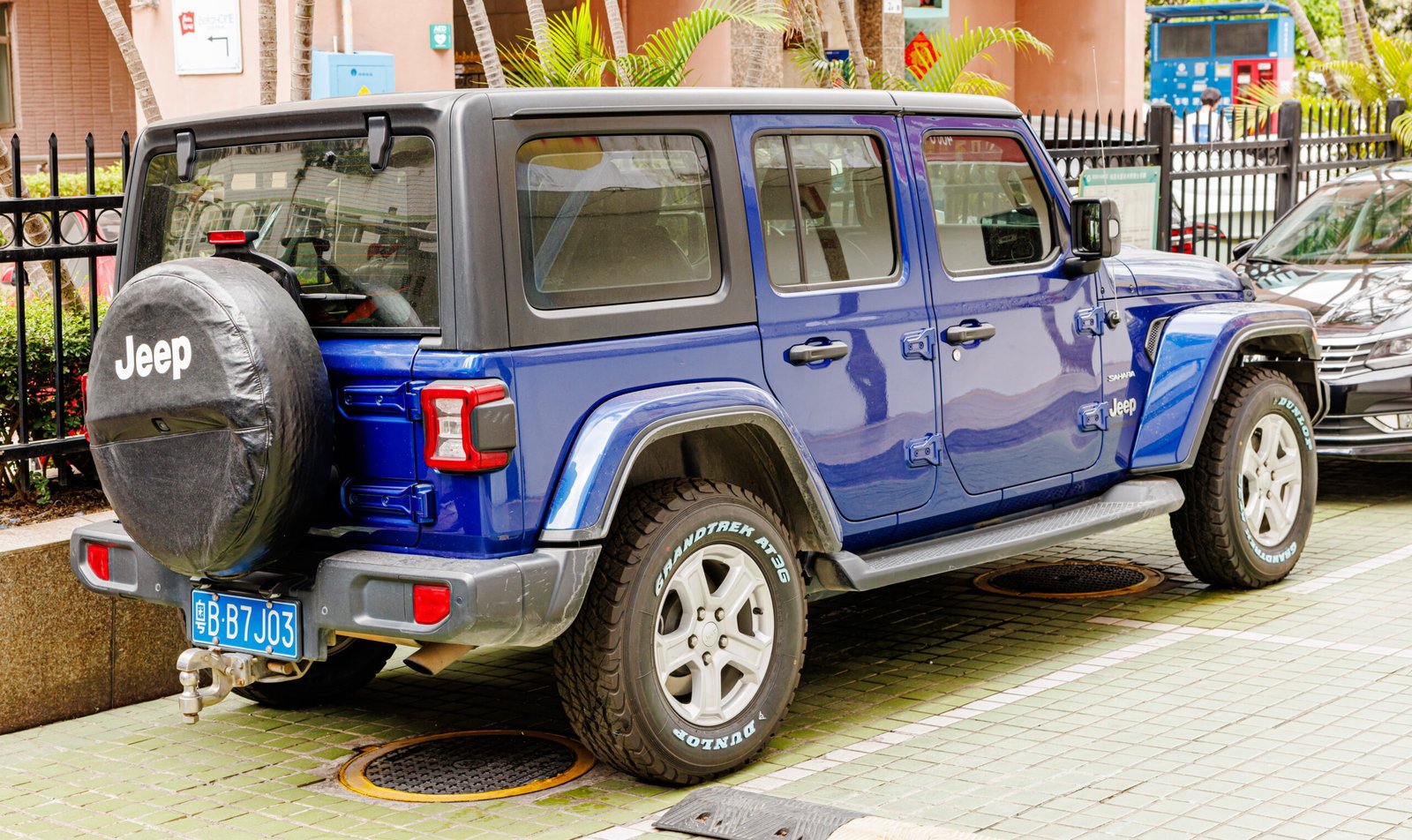
Whether you do your own maintenance or visit a mechanic, the information here will help you make smart decisions.
Let’s break down the most common reasons and solutions for Jeep Wrangler sputtering, with simple explanations for beginners.
What Does Sputtering On Acceleration Mean?
When we talk about sputtering on acceleration, we mean the engine misfires or hesitates as you press the gas pedal.
Instead of a smooth increase in speed, your Jeep shakes, jerks, or the engine “cuts out” for a moment. Some drivers describe it as a “coughing” sound, while others notice their Wrangler losing power or even stalling.
These symptoms often happen during:
- Passing another car
- Entering a highway
- Climbing a hill
- Merging into traffic
Sputtering is usually a sign that fuel, air, or spark is not getting to the engine correctly. It can be caused by a single part failing or several small issues adding up.
Common Causes Of Jeep Wrangler Sputtering On Acceleration
Many things can cause a Jeep Wrangler to sputter. Here are the main problems that mechanics see most often:
- Dirty Fuel Injectors: Injectors spray fuel into the engine. Over time, they can get clogged, making the spray uneven.
- Failing Spark Plugs: Spark plugs create the spark that ignites fuel. Old or dirty plugs cause weak sparks and misfires.
- Bad Ignition Coils: Coils send power to spark plugs. If they fail, the engine may hesitate or run rough.
- Clogged Fuel Filter: This filter keeps dirt out of the fuel system. If blocked, it limits fuel flow to the engine.
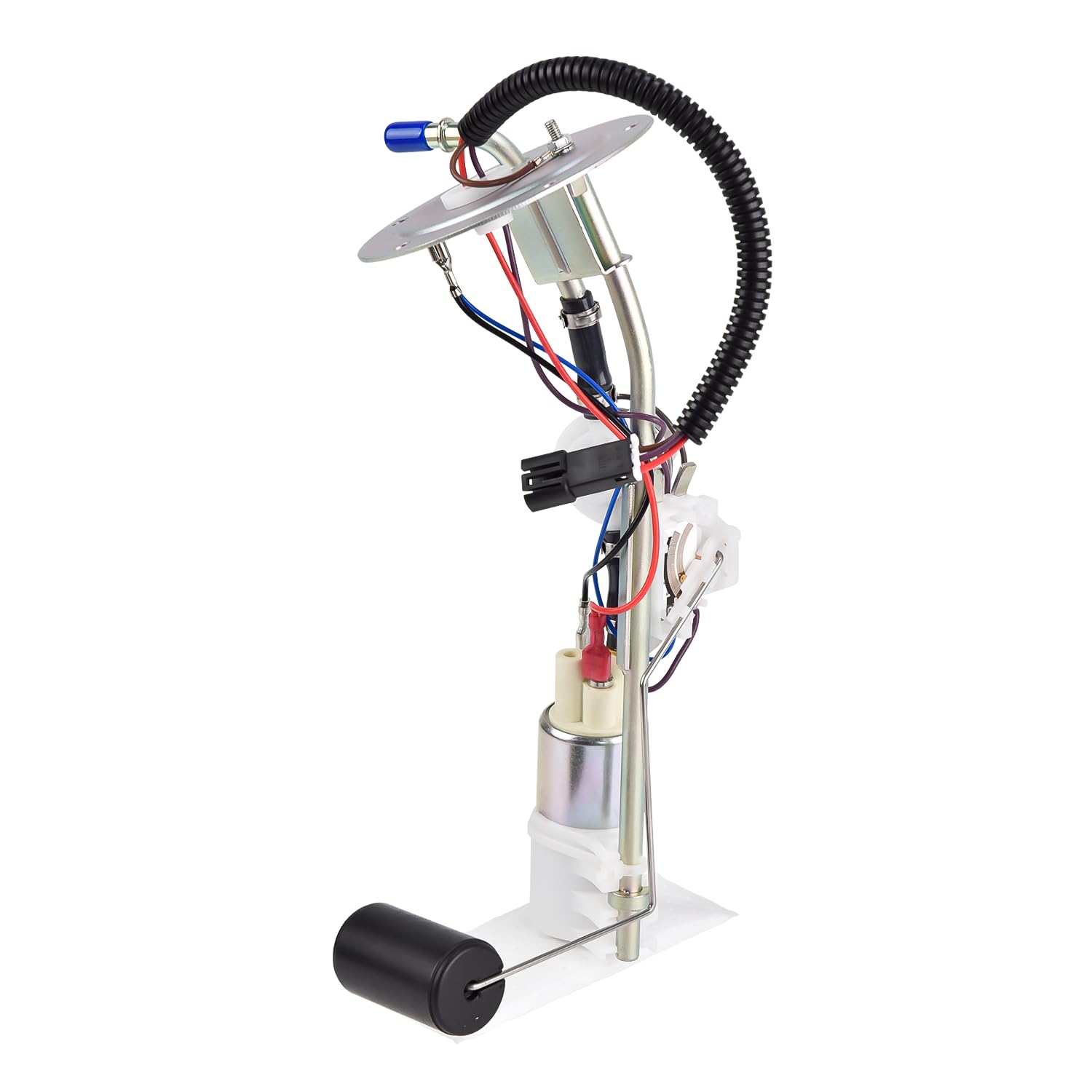
- Weak Fuel Pump: The pump sends fuel from the tank to the engine. If weak, your Jeep may sputter, especially under load.
- Vacuum Leaks: Cracked hoses or gaskets let extra air in, changing the fuel/air mix and causing rough running.
- Dirty or Failing Mass Air Flow (MAF) Sensor: This sensor measures air entering the engine. If dirty, it sends wrong signals to the computer.
- Faulty Throttle Position Sensor (TPS): The TPS tells the computer how far you press the gas pedal. A bad TPS can cause hesitation.
- Bad Oxygen Sensors: Oxygen sensors help control fuel mixture. If faulty, they can cause poor acceleration and higher fuel use.
- Exhaust Restrictions (like a clogged catalytic converter): A blocked exhaust makes it hard for the engine to “breathe,” causing power loss and sputtering.
Real Example
Let’s say your 2014 Jeep Wrangler starts sputtering after a road trip. You notice it mostly when merging onto the highway. The check engine light comes on.
A scan tool shows a misfire on cylinder 4. The cause could be as simple as a worn spark plug or as complex as a bad fuel injector or coil.
How To Diagnose Sputtering In Your Jeep Wrangler
Finding the exact cause of sputtering on acceleration takes some detective work. Here’s a step-by-step way to check what’s wrong:
1. Listen And Observe
- Does the engine sputter only when cold or also when warm?
- Does it happen at all speeds or only when you accelerate hard?
- Are there any warning lights on the dashboard?
2. Check For Trouble Codes
Use an OBD2 scan tool to read any error codes from the computer. Common codes for sputtering include:
- P0300: Random/multiple cylinder misfire
- P0171: System too lean (not enough fuel)
- P0420: Catalyst system efficiency below threshold
These codes help narrow down the issue.
3. Inspect Basic Parts
- Look at the spark plugs, are they worn, dirty, or oily?
- Check the air filter, is it clogged with dirt?
- Inspect all hoses for cracks or leaks.
4. Listen For Vacuum Leaks
A hissing sound under the hood, especially at idle, can mean a vacuum leak.
5. Test Fuel Pressure
A mechanic can check if the fuel pump and fuel filter are working correctly. Low pressure often means a weak pump or blocked filter.
6. Clean Or Replace Sensors
If you suspect a sensor (like the MAF or TPS), try cleaning it with the right spray. If the problem stays, replacement may be needed.
7. Consider The Exhaust
If the Jeep sputters and smells like rotten eggs, the catalytic converter may be clogged.
Example Diagnostic Flow
Suppose your scan tool shows P0302 (misfire on cylinder 2). You find the spark plug worn out. Replacing it fixes the sputter, an easy, low-cost solution.
How Much Does It Cost To Fix Sputtering?
Repair costs can vary based on what’s causing the problem, your location, and whether you do the work yourself or pay a shop. Here’s a comparison of typical parts and labor costs:
| Repair | Parts Cost (USD) | Labor Cost (USD) | Total Estimated Cost |
|---|---|---|---|
| Spark Plugs (set of 6) | $30, $60 | $50, $100 | $80, $160 |
| Ignition Coil (each) | $35, $80 | $50, $80 | $85, $160 |
| Fuel Injector (each) | $50, $120 | $60, $120 | $110, $240 |
| Fuel Filter | $15, $40 | $40, $80 | $55, $120 |
| MAF Sensor | $70, $150 | $60, $120 | $130, $270 |
| Catalytic Converter | $400, $1,200 | $200, $400 | $600, $1,600 |
Note: Prices are for US models and can change based on year and region. Always get a quote before repairs.
Pros And Cons: Fixing Sputtering Yourself Vs. Going To A Mechanic
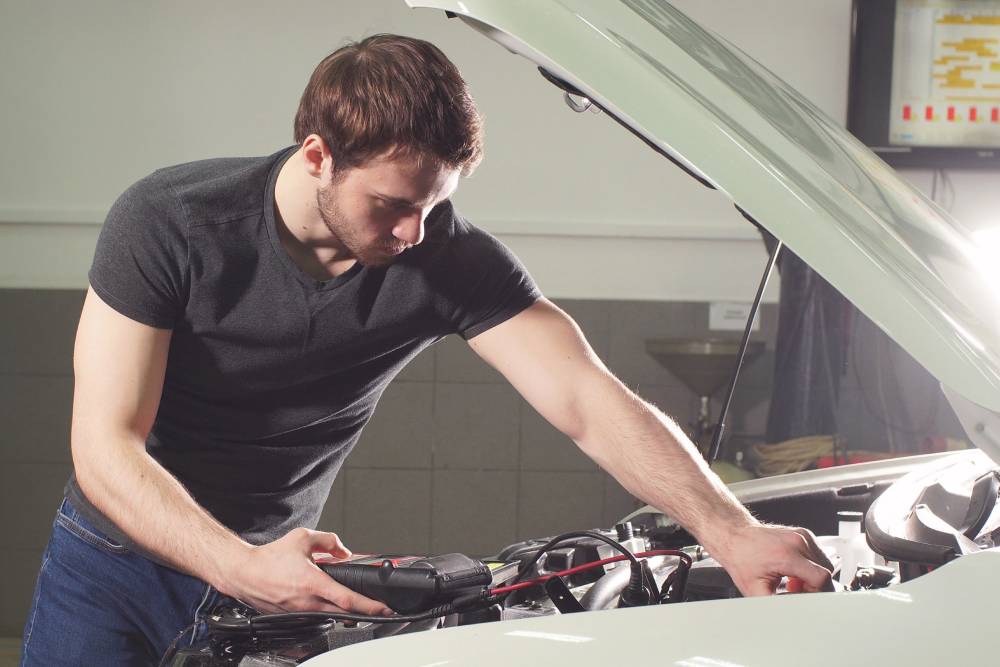
You may wonder if you should try fixing sputtering at home or visit a professional. Here’s a quick look at the benefits and drawbacks:
| DIY | Mechanic | |
|---|---|---|
| Pros | – Save money on labor – Learn more about your Jeep – Fix small issues immediately | – Expert diagnosis – Work guaranteed – Access to special tools |
| Cons | – Need the right tools – Mistakes can be costly – Some repairs are difficult | – Higher cost – Possible wait times – Must trust the shop |
For beginners, changing spark plugs or the air filter is usually safe. More complex repairs (like a fuel injector or catalytic converter) often need a skilled mechanic.
Preventing Sputtering: Maintenance Tips For Jeep Wrangler Owners
You can avoid most Jeep Wrangler sputtering issues with regular maintenance. Here are the top tips to keep your engine running well:
- Change Spark Plugs and Wires Regularly: Most Wranglers need new plugs every 30,000 to 60,000 miles, depending on the model and plug type.
- Use Quality Fuel: Cheap or dirty gas can clog injectors and filters.
- Replace the Fuel Filter: Check your owner’s manual for the schedule, usually every 30,000 miles.
- Clean Air Intake and Sensors: Dirt can build up over time. Clean the MAF sensor and throttle body as part of your tune-up.
- Check for Vacuum Leaks: Rubber hoses crack with age. Inspect them each oil change.
- Keep Up With Oil Changes: Old oil leads to more engine wear and possible sensor problems.
- Inspect the Exhaust System: Listen for rattles, check for blockages, and fix leaks quickly.
Maintenance Timeline Example
Here’s a sample schedule for keeping your Jeep’s engine healthy:
| Maintenance Task | Interval |
|---|---|
| Spark Plugs | 30,000 to 60,000 miles |
| Fuel Filter | 30,000 miles |
| Air Filter | 15,000 to 30,000 miles |
| MAF Sensor Cleaning | 20,000 miles |
| Oil Change | 5,000 to 7,500 miles |
Always check your specific Jeep manual for the best advice.
Two Insights Most Jeep Owners Miss
Many Wrangler owners focus only on the obvious parts when chasing a sputter. Here are two key insights:
- Aftermarket Add-Ons Can Cause Issues: Lift kits, oversized tires, or performance chips may change how the engine and sensors work. Sometimes, these mods confuse the engine computer, causing sputtering or poor acceleration.
- Humidity and Moisture Matter: Water in the fuel system (from bad gas or condensation) or high humidity can cause temporary sputtering. If your Jeep sputters after heavy rain or deep water crossings, check for moisture in the spark plug wells or air intake.
Understanding these hidden causes helps you troubleshoot faster and avoid repeat problems.
When To Seek Professional Help
Not every sputter is a simple DIY fix. You should see a mechanic if:
- The check engine light flashes or stays on
- The Jeep loses power or stalls often
- Fuel economy drops suddenly
- You smell gasoline, rotten eggs, or burning
- Repairs don’t solve the problem
A trained mechanic has advanced tools to check sensors, fuel pressure, and electronics. This saves time and prevents bigger engine damage.
Is Sputtering Dangerous? Risks Of Ignoring The Problem
A sputtering Jeep Wrangler is more than a bother. Ignoring it can lead to:
- Engine misfires that damage pistons, valves, or the catalytic converter
- Sudden loss of power in traffic, which is unsafe
- Higher emissions and failed state inspections
- Costly repairs if small issues become big ones
Fixing sputtering early saves money and keeps your Jeep safe and reliable.
Sometimes, sputtering is linked to other Jeep Wrangler problems. Watch for these signs:
- Stalling at idle: May point to a faulty idle air control valve
- Hard starting: Could be a weak battery or bad fuel pump
- Check engine light with rough idle: Likely a sensor or ignition problem
- Backfiring: Unburned fuel in the exhaust, often from misfire or bad timing
If your Jeep has more than one symptom, mention all of them to your mechanic for a faster diagnosis.
Should You Buy A Used Jeep Wrangler With A Sputtering Issue?
A used Wrangler that sputters on a test drive may seem like a bargain, but be careful. Here’s what to consider:
Pros:
- Possible to negotiate a lower price
- Some fixes are cheap (like spark plugs)
Cons:
- Hidden problems can cost thousands
- Harder to resell later
- May fail emissions or safety tests
Always get a pre-purchase inspection. Ask for repair history and check if the issue is ongoing or new.
External Resource For More Information
For official Jeep Wrangler technical info and recalls, visit the National Highway Traffic Safety Administration (NHTSA).
Frequently Asked Questions
Why Does My Jeep Wrangler Only Sputter When Accelerating Uphill?
Sputtering uphill puts extra load on the engine. Weak fuel pumps, clogged filters, or dirty injectors can’t provide enough fuel, causing hesitation or misfires during hard acceleration.
Can Bad Gas Cause My Wrangler To Sputter?
Yes. Low-quality or contaminated gas can clog injectors and cause the engine to run rough, especially when accelerating.
Try using a fuel system cleaner and refill with high-quality fuel.
Is It Safe To Drive If My Jeep Wrangler Sputters Sometimes?
You can drive short distances, but it’s not safe for long trips or heavy traffic. Sputtering can get worse quickly and may lead to breakdowns. Fix the problem as soon as possible.
How Can I Quickly Tell If My Spark Plugs Are Causing Sputtering?
Remove and inspect the spark plugs. If they are black, oily, or worn, they likely cause misfires.
Replacing them is an easy and affordable first step.
Will A Check Engine Light Always Come On If My Jeep Is Sputtering?
Not always. Some minor misfires or sensor issues may not trigger the light right away.
However, if the sputtering continues, the light usually comes on. Use an OBD2 scanner to check for hidden codes.
Final Thoughts
A Jeep Wrangler sputtering on acceleration can be frustrating, but it’s often fixable with basic troubleshooting and maintenance. Most causes are common engine or fuel system issues that can be solved by cleaning, replacing worn parts, or fixing leaks. Regular care helps prevent sputtering in the first place.
If you’re unsure about the repair, or if the problem keeps coming back, see a trusted mechanic. Acting early protects your Jeep, your wallet, and your peace of mind.
Enjoy the road (and the trail) with confidence, knowing your Wrangler is running at its best.