Owning a Jeep Wrangler means enjoying rugged performance and off-road adventures. But like any modern vehicle, it also comes with a set of complex systems under the hood.
One part that often causes confusion is the oxygen sensor. Many Wrangler owners ask: “How many oxygen sensors does my Jeep Wrangler have?”
The answer is not always simple, as it depends on the model year, engine type, and even emissions standards. Knowing this detail can save time, money, and frustration—especially if you’re facing a check engine light or planning routine maintenance.
What Are Oxygen Sensors And Why Are They Important?
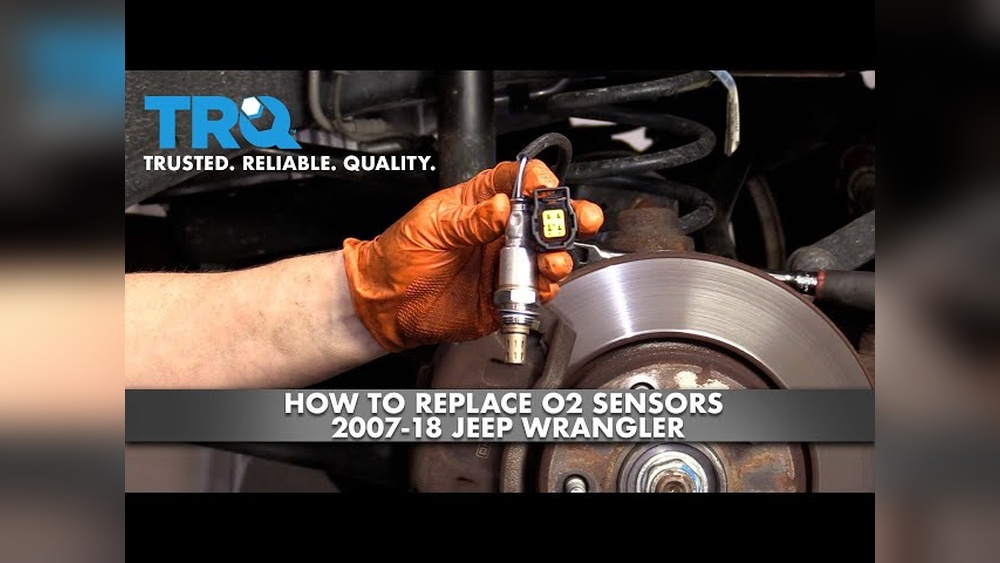
An oxygen sensor (O2 sensor) is a small electronic device in your exhaust system. Its main job is to measure the amount of oxygen in the exhaust gases as they leave the engine. This data helps the engine control unit (ECU) adjust the air-fuel mixture for better fuel economy, lower emissions, and smoother performance.
Without working oxygen sensors, a Jeep Wrangler can run poorly, burn more fuel, and even fail emissions tests. Most modern Wranglers have more than one sensor to monitor exhaust before and after the catalytic converter.
This double-check system helps the ECU keep your engine running clean and efficient.
How Many Oxygen Sensors Are In A Jeep Wrangler?
The number of oxygen sensors in a Jeep Wrangler varies depending on several factors:
- Model year (older vs. newer Wranglers)
- Engine type (4-cylinder, 6-cylinder, etc.)
- Emission standard (Federal or California)
- Number of catalytic converters
Here’s a quick breakdown by generation and engine:
| Model Year/Generation | Engine Type | Typical O2 Sensors |
|---|---|---|
| YJ (1987–1995) | 2.5L, 4.0L | 1 |
| TJ (1997–2006) | 2.5L, 4.0L | 2–4 |
| JK (2007–2018) | 3.6L, 3.8L | 4 |
| JL (2018–present) | 2.0L Turbo, 3.6L, Diesel | 4–6 |
Older Jeep Wranglers (yj)
If you drive a YJ Wrangler (1987–1995), you’ll likely have just one oxygen sensor. This single sensor is usually placed before the catalytic converter. These early systems are simpler but less efficient.
Tj Generation (1997–2006)
By the TJ generation, most Wranglers had two or four oxygen sensors. The usual setup:
- 2 sensors: One before the catalytic converter (upstream), one after (downstream).
- 4 sensors: Two upstream (one for each exhaust manifold), two downstream (after each converter).
California-emissions vehicles often have four due to stricter standards. Checking the under-hood emissions label can confirm which system your TJ uses.
Jk And Jl Generations (2007–present)
The JK Wrangler (2007–2018) and the current JL Wrangler (2018–present) almost always have four oxygen sensors:
- Two upstream (before the catalytic converter, monitoring each bank)
- Two downstream (after the catalytic converter, one for each bank)
Diesel and turbocharged engines in the JL may have extra sensors to meet new emissions laws, sometimes totaling up to six.
Where Are The Oxygen Sensors Located?
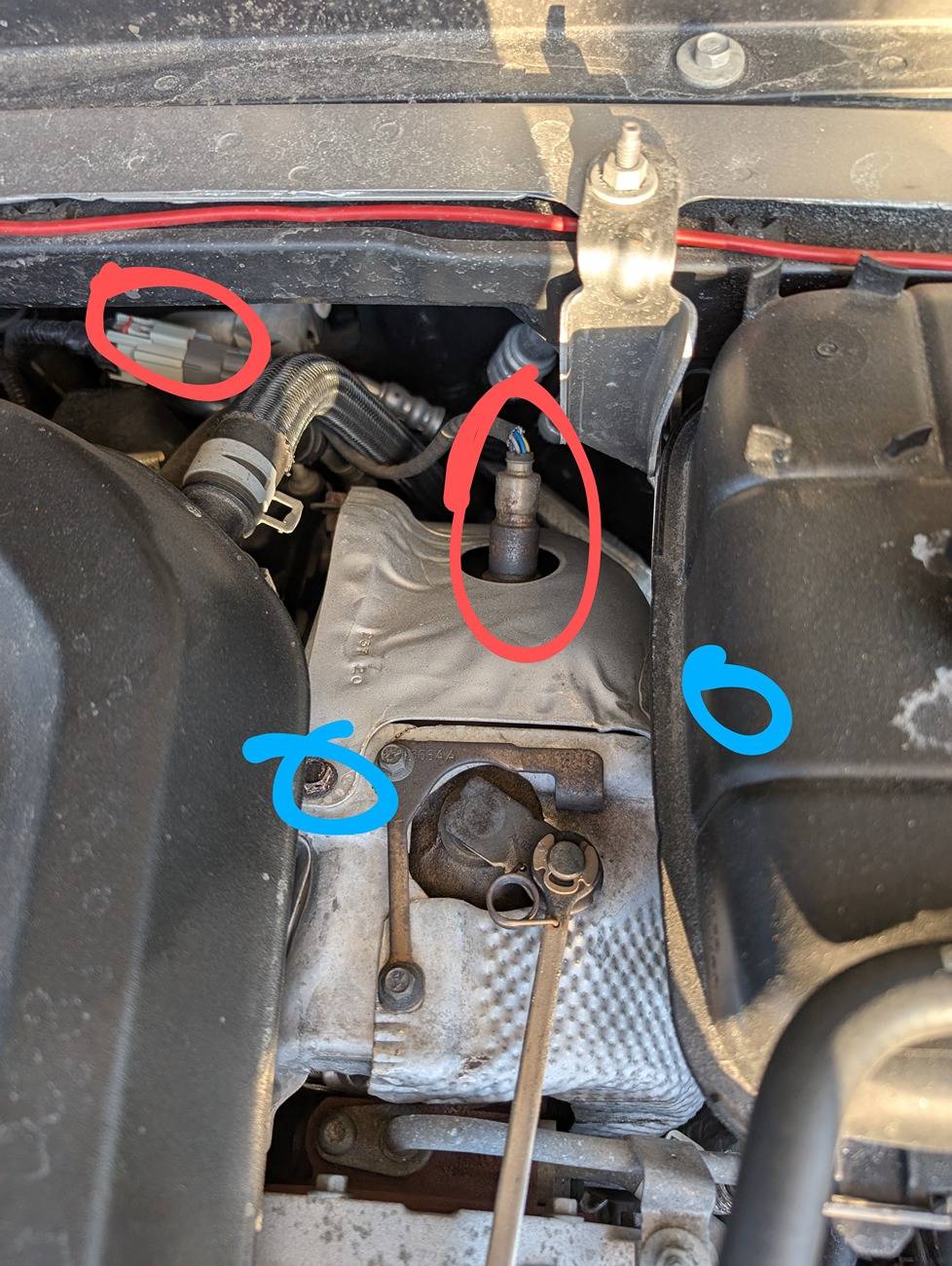
Oxygen sensors are usually threaded into the exhaust pipes. The exact locations can differ, but you’ll find them in two main spots:
- Upstream sensors: Located before the catalytic converter, close to the engine. These measure raw exhaust gases.
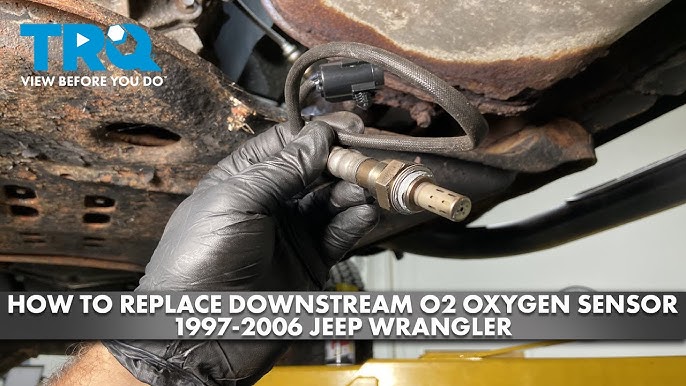
- Downstream sensors: Located after the catalytic converter. These check the efficiency of the converter.
Here’s a simple location guide for recent Wranglers:
| Sensor Position | Location | Purpose |
|---|---|---|
| Upstream (Pre-cat) | Exhaust manifold, before catalytic converter | Adjust air-fuel mix |
| Downstream (Post-cat) | After catalytic converter | Monitor emissions system |
Most mechanics recommend following the exhaust pipes from the engine to find each sensor. If you’re not sure, your Wrangler’s service manual or a trusted Jeep forum can help.
Why Does The Number Of Sensors Matter?
Knowing how many oxygen sensors your Jeep Wrangler has is important for a few reasons:
- Diagnostic trouble codes (DTCs): When a sensor fails, your Jeep’s computer stores a code. To fix the issue, you must know which sensor is faulty and where it’s located.
- Replacement costs: O2 sensors aren’t cheap. Replacing all of them at once can cost several hundred dollars.
- Performance and emissions: A bad sensor can lower gas mileage or cause your Jeep to fail a smog test.
Many owners replace only the failed sensor, but some prefer to change all at once, especially on high-mileage vehicles.
Common Mistakes When Replacing Oxygen Sensors
Changing O2 sensors is a common DIY job. Still, beginners sometimes make mistakes:
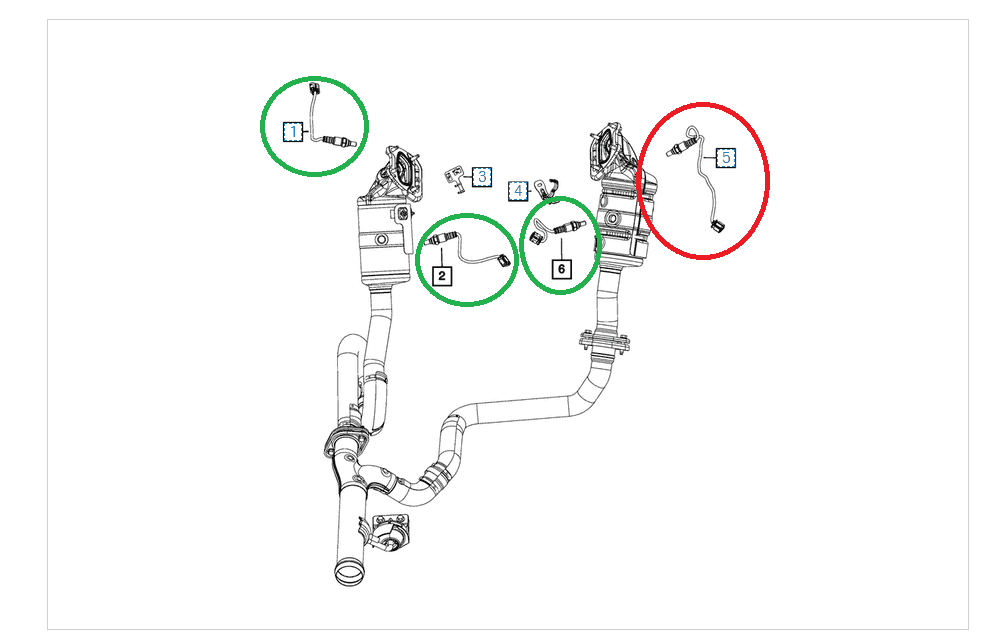
- Mixing up sensor locations: Upstream and downstream sensors are not always interchangeable.
- Damaging sensor threads: Overtightening or using the wrong tool can strip the threads, making installation difficult.
- Ignoring wiring connectors: Each sensor has a unique connector; mismatching these causes errors.
It’s wise to label each sensor and connector before removal. Always use anti-seize on threads and torque to the manufacturer’s specs.
Extra Insights Most Beginners Miss
- Sensor aging impacts performance slowly. Many drivers don’t notice a failing oxygen sensor until fuel economy drops or the check engine light appears. But sensors can lose accuracy over time, long before failure codes appear.
- Universal sensors rarely work well. Some aftermarket O2 sensors claim to fit all models, but Jeep Wranglers often need sensors with exact connector types and wiring lengths. Using the wrong part can cause ongoing problems.
When Should You Replace Your Oxygen Sensors?
Most experts recommend replacing O2 sensors every 60,000 to 100,000 miles. Symptoms of a bad sensor include:
- Rough idle
- Poor gas mileage
- Engine hesitation
- Failed emissions test
If you see a check engine light, a scan tool can help read the codes and point to the faulty sensor.
Frequently Asked Questions
How Can I Tell If My Wrangler Has California Or Federal Emissions?
Look for an emissions label under the hood. If it says “California,” your Jeep likely has more sensors.
You can also check the VIN or ask a dealer.
Can I Drive With A Bad Oxygen Sensor?
It’s possible, but not recommended. A faulty sensor can damage the catalytic converter and lower fuel efficiency. It may also cause your Wrangler to fail emissions inspections.
Are Oem Oxygen Sensors Better Than Aftermarket?
OEM sensors are designed for your Jeep’s system and usually offer better reliability. Some high-quality aftermarket brands work well, but avoid cheap “universal” options.
Can I Replace Oxygen Sensors Myself?
Yes, with basic tools and some patience. Make sure to use a proper O2 sensor socket and disconnect the battery before starting.
Always check the repair manual for your model.
What Happens If I Ignore A Failed O2 Sensor?
Ignoring a bad sensor can lead to higher emissions, poor performance, and damage to expensive parts like the catalytic converter. It’s best to fix the issue soon.
For more technical details, you can visit the Wikipedia page on oxygen sensors.
Whether you drive a classic YJ or a modern JL, understanding your Jeep Wrangler’s oxygen sensors helps keep it running strong both on and off the road. Regular checks and timely replacements will save money and headaches down the trail.