The Jeep Wrangler JK is famous for its off-road abilities, durable build, and unique design. One area where this vehicle stands out is the rear suspension.
Understanding the rear suspension diagram is important for owners who want to improve ride comfort, upgrade parts, or solve performance issues. If you are new to the Jeep world or just starting to learn about car mechanics, this guide will help you decode the Wrangler JK’s rear suspension step by step.
You’ll find clear explanations, diagrams, comparisons, and practical advice—all tailored for easy reading.
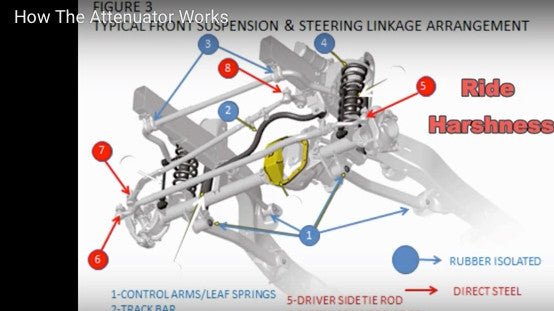
What Is The Jeep Wrangler Jk Rear Suspension?
The rear suspension of the Jeep Wrangler JK is a system of parts that connects the back wheels to the frame. It helps absorb bumps, keeps tires on the ground, and provides stability during driving. Unlike some cars that use leaf springs, the Wrangler JK uses a five-link coil spring suspension. This setup is common in vehicles designed for both road and off-road use.
Key Parts In The Rear Suspension Diagram
To understand the diagram, you need to know the main parts. Here are the most important components:
- Coil Springs: These springs support the vehicle’s weight and absorb shocks from the road.
- Shock Absorbers: These dampen the movement of the springs, stopping the vehicle from bouncing too much.
- Upper and Lower Control Arms: These keep the axle in place and help manage motion during acceleration, braking, and turning.
- Track Bar: This bar prevents the axle from moving side to side.
- Axle Assembly: The main housing that holds the wheels and drives them.
- Sway Bar: Helps control body roll during turns.
- Bump Stops: Rubber blocks that stop the suspension from compressing too much.
Here’s a basic layout of the Jeep Wrangler JK rear suspension:
| Component | Function | Location |
|---|---|---|
| Coil Springs | Absorbs shocks, supports weight | Between axle and frame |
| Shock Absorbers | Dampens spring movement | Near coil springs |
| Control Arms | Guides axle motion | Axle to frame |
| Track Bar | Prevents sideways axle movement | Parallel to axle |
| Sway Bar | Reduces body roll | Rear axle to frame |
| Bump Stops | Limits suspension travel | Near coil springs |
How The Rear Suspension Works
Each part works together to keep the Jeep stable, comfortable, and ready for rough terrain. The coil springs compress when you hit a bump, while the shock absorbers control how fast the springs return to shape. The control arms hold the axle steady, and the track bar keeps the axle centered under the body. The sway bar helps the Jeep stay flat in turns, and the bump stops protect the suspension from damage.
Example: Driving Over Rocks
Imagine driving your Jeep over a rocky path. The rear wheels hit a bump.
The coil springs compress, absorbing the impact. The shock absorbers keep the Jeep from bouncing up and down.
The control arms and track bar ensure the axle doesn’t shift or twist.
This allows you to stay in control, even when the terrain gets rough.
Common Rear Suspension Upgrades
Many Jeep owners upgrade their rear suspension for better performance. Here are some typical upgrades:
- Heavy-duty coil springs: These handle extra weight from gear or bigger tires.
- Performance shock absorbers: Improve comfort and control, especially on rough roads.
- Adjustable control arms: Allow you to change the axle position for higher lifts.
- Upgraded track bar: Keeps the axle centered after suspension modifications.
- Quick disconnect sway bar links: Let you disconnect the sway bar for more wheel movement off-road.
Upgrading these parts can make your Jeep more comfortable, safer, and better at handling tough trails.
Comparing Stock Vs. Aftermarket Rear Suspension
You might wonder how the original (stock) suspension compares to upgraded (aftermarket) systems. Here’s a simple comparison:
| Feature | Stock Suspension | Aftermarket Suspension |
|---|---|---|
| Ride Comfort | Good for daily driving | Can be improved for off-road |
| Durability | Moderate, designed for regular use | Higher, built for tougher conditions |
| Adjustability | Limited | Often adjustable |
| Off-Road Ability | Basic, limited travel | Greater travel, better articulation |
| Cost | Included in vehicle price | Extra, can be expensive |
How To Read A Jeep Wrangler Jk Rear Suspension Diagram
If you are looking at a diagram, start by identifying the main frame. The axle is usually drawn as a thick horizontal bar.
Coil springs are shown as spirals, while shock absorbers look like cylinders with rods. Control arms are drawn as straight or slightly angled lines connecting the axle to the frame.
The track bar runs diagonally, and the sway bar is often drawn parallel to the axle.
Look for labeled parts. Most diagrams use simple names like “spring,” “shock,” or “control arm.
” If you’re unsure about a part, compare it to real photos or check the Jeep Wrangler JK owner’s manual.
Practical Tip
Beginners often miss small details like bump stops or the way the track bar is mounted. These are important for preventing damage and keeping the Jeep stable. Always check these parts in the diagram.
Rear Suspension Maintenance Tips
Keeping your Jeep’s rear suspension in good shape is key for performance and safety. Here are steps and tips:
- Inspect coil springs for cracks or sagging: Worn springs can reduce ride height and cause poor handling.
- Check shock absorbers for leaks: Leaking fluid means the shocks are not working.
- Look at control arms for bends or broken bushings: Damaged arms can cause alignment problems.
- Examine the track bar: Make sure it is tight and not bent.
- Inspect sway bar links: Loose or broken links can increase body roll.
- Check bump stops: Make sure they are not missing or damaged.
How Often Should You Check?
- After every off-road trip
- Every oil change
- If you notice strange noises or poor handling
Many beginners ignore suspension checks until something breaks. Regular inspection helps you catch issues early.
Real-world Problems And Solutions
Jeep owners sometimes face issues with the rear suspension. Here are some common problems and how to solve them:
- Sagging rear end: This happens when coil springs wear out. Replacing with heavy-duty springs fixes the issue.
- Excessive bouncing: Worn shock absorbers cause the Jeep to bounce too much. Install new shocks to restore control.
- Uneven tire wear: Bent control arms or a loose track bar can cause alignment issues. Check and replace damaged parts.
- Clunking noises: Usually caused by worn bushings or loose sway bar links. Replace bushings and tighten bolts.
- Poor off-road performance: Upgrading to adjustable control arms and disconnecting the sway bar can help.
Data: Suspension Longevity
Most Jeep Wrangler JK rear suspension parts last between 60,000 and 100,000 miles under normal driving. If you drive off-road often, you may need to replace parts sooner.
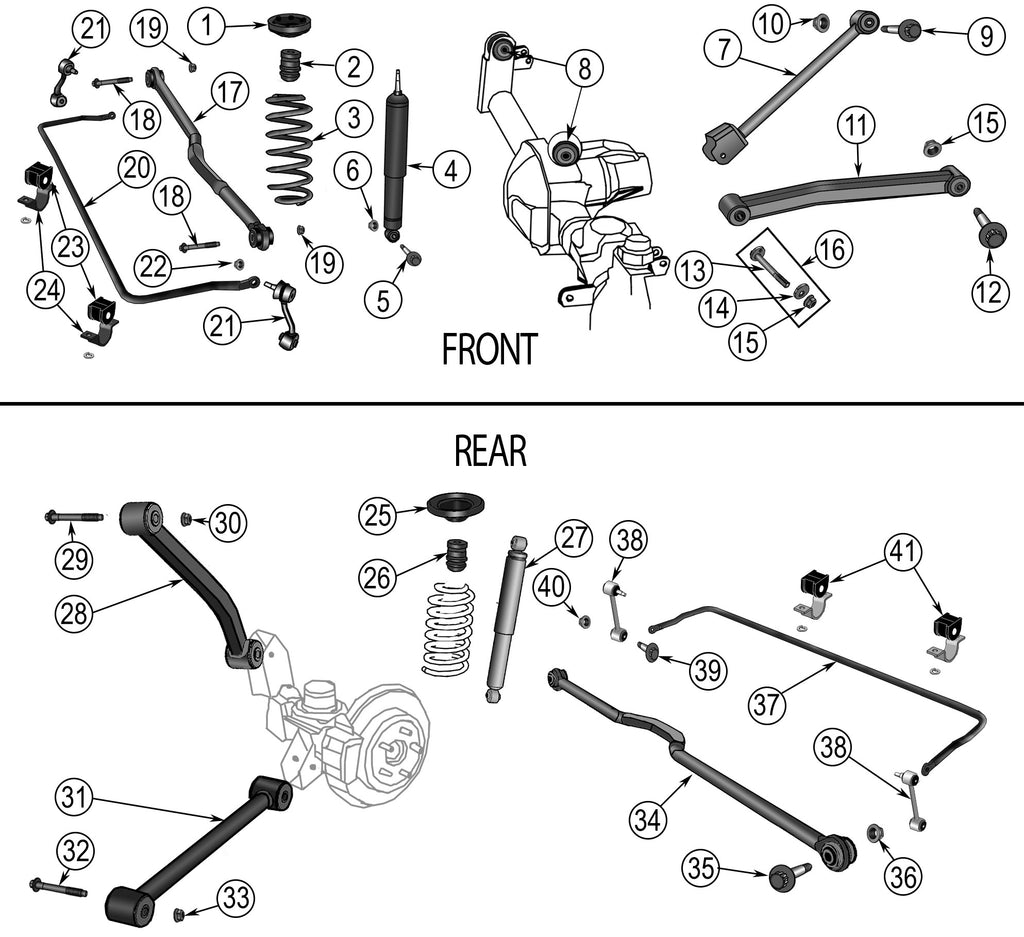
Jeep Wrangler Jk Rear Suspension Diagram: Visual Example
While this article cannot show images, here’s a simple text-based layout to visualize the diagram:
- Frame (top horizontal bar)
- Coil Spring (spiral between frame and axle)
- Shock Absorber (cylinder near coil spring)
- Axle (lower horizontal bar)
- Upper Control Arm (angled bar from axle to frame)
- Lower Control Arm (straight bar from axle to frame)
- Track Bar (diagonal bar)
- Sway Bar (parallel bar)
- Bump Stop (small block near coil spring)
This layout matches most Jeep Wrangler JK diagrams you’ll find online or in manuals.
Differences Between Jeep Wrangler Jk Rear Suspension And Other Models
The Wrangler JK’s rear suspension is different from other Jeep models. Here’s a comparison with the TJ and JL models:
| Model | Rear Suspension Type | Main Differences |
|---|---|---|
| Wrangler TJ | Four-link coil spring | No track bar, less axle control |
| Wrangler JK | Five-link coil spring | Better axle stability, improved ride |
| Wrangler JL | Five-link coil spring (advanced) | Improved geometry, more articulation |
The five-link design of the JK gives it better control and flexibility compared to older models.
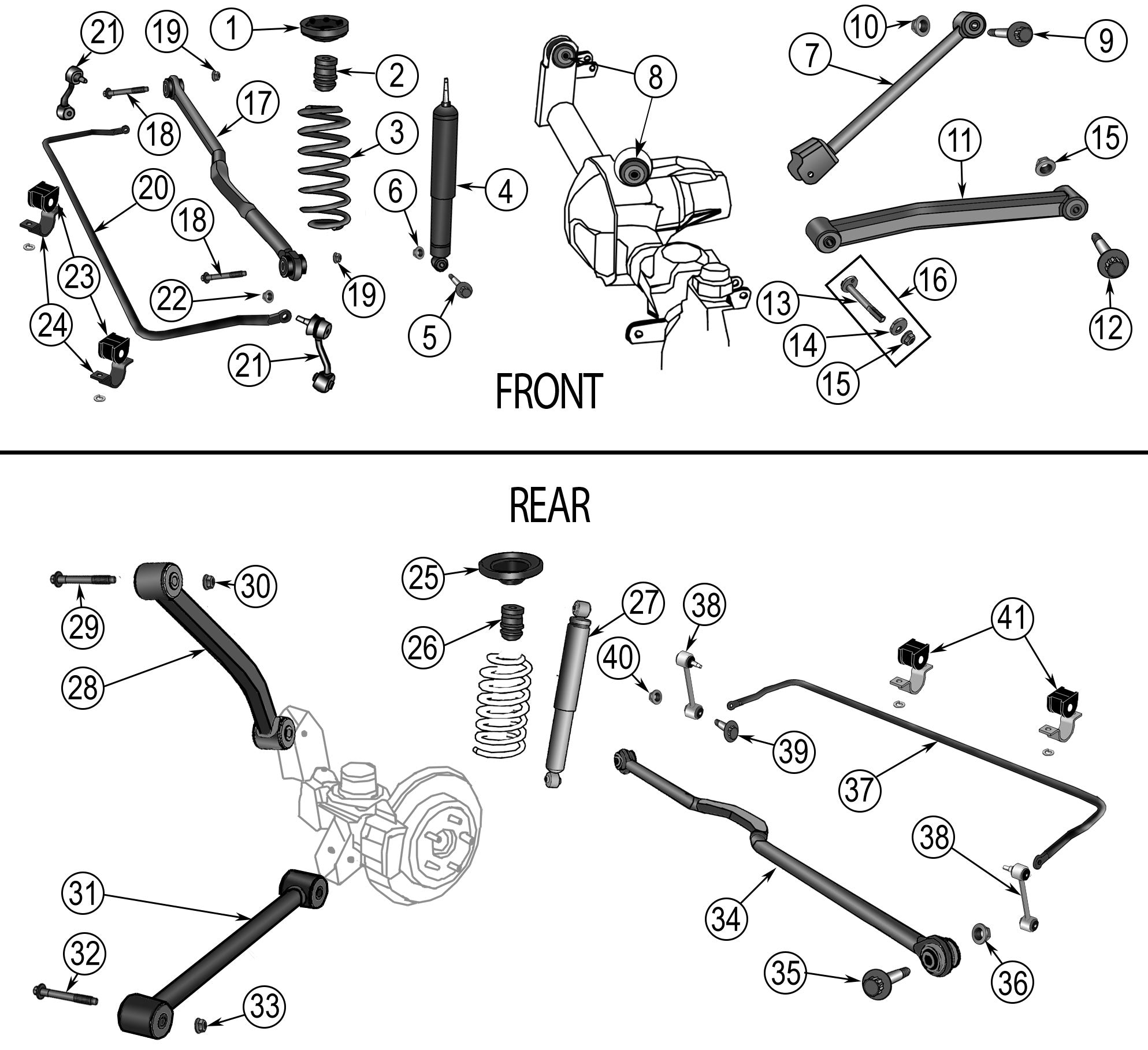
Non-obvious Insights
- Track Bar Angle Matters: The angle of the track bar is key for handling. If you lift your Jeep, the track bar should be adjusted to stay parallel to the axle. Many beginners skip this and suffer poor handling.
- Control Arm Length Affects Alignment: Longer or adjustable control arms help keep the axle centered after a lift. Not adjusting control arms can cause steering and tire wear issues.
Useful Resources For Jeep Owners
If you want more detailed diagrams or want to buy parts, check the official Jeep website or trusted forums. For technical details, Jeep.com provides manuals and diagrams.
Frequently Asked Questions
What Is The Purpose Of The Track Bar In The Jeep Wrangler Jk Rear Suspension?
The track bar keeps the axle from moving side to side. It holds the axle centered under the frame, which is important for safe handling and stability, especially after lifting the vehicle.
How Do I Know If My Rear Suspension Needs Repair?
Look for signs like uneven tire wear, clunking noises, bouncing, or a sagging rear end. If you notice any of these, check the suspension parts for damage or wear.
Can I Upgrade Just One Part Of The Rear Suspension?
Yes, you can upgrade parts like coil springs or shock absorbers alone. However, changing one part may affect others, especially after lifting the Jeep. It’s best to check how each upgrade affects the whole system.
Is The Five-link Suspension Better Than The Four-link?
The five-link suspension gives more stability and control compared to the four-link design. It helps keep the axle in place, improves ride comfort, and gives better off-road performance.
How Much Does It Cost To Upgrade The Rear Suspension?
Costs vary. Basic upgrades, like new shocks or springs, can be $200–$600. Full kits with adjustable arms and heavy-duty parts can cost $1,000–$2,500 or more, depending on quality and brand.
Whether you are planning to upgrade your Jeep Wrangler JK’s rear suspension or just want to understand the diagram, knowing the main parts, their functions, and how to maintain them is essential. With this knowledge, you can make smarter choices for comfort, safety, and performance.
The rear suspension is the backbone of your Jeep’s off-road ability—take care of it, and it will reward you with years of adventure.