When you drive your Jeep Wrangler, cruise control adds comfort on long trips and helps you maintain a steady speed. But what happens when cruise control stops working unexpectedly?
Often, the problem comes down to a simple component—the cruise control fuse. This small part protects the cruise control system from electrical surges.
If it blows, the system shuts off for safety. Understanding the fuse’s role, how to locate it, and how to fix issues can save you time and money.
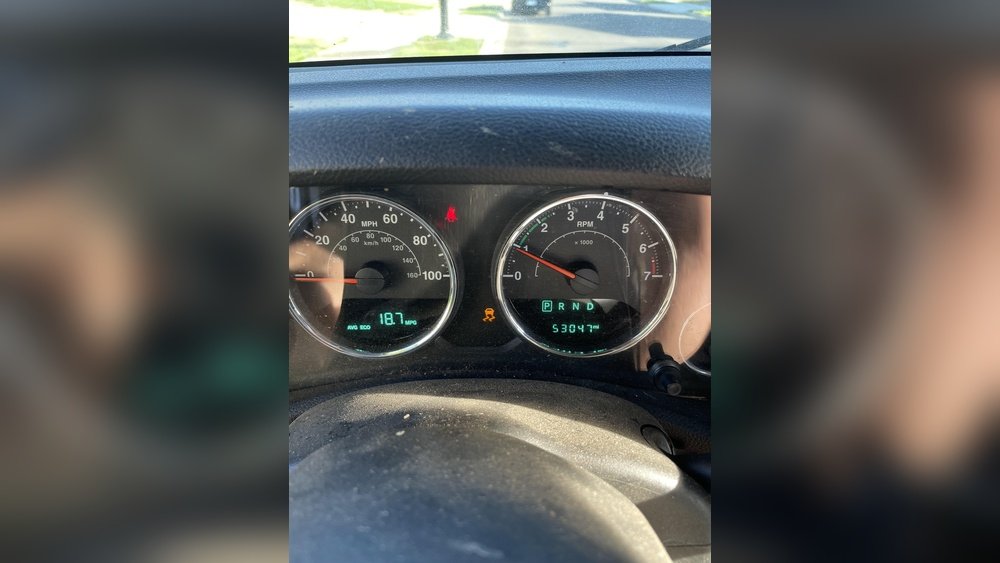
If you’re unsure about car electronics or want clear answers, this guide breaks down everything you need to know about the Jeep Wrangler cruise control fuse.
What Does The Cruise Control Fuse Do?
The cruise control fuse acts as a shield. It sits in your Jeep’s fuse box and controls the electric flow to the cruise control module and related parts.
If a short circuit or overload happens, the fuse breaks the circuit.
This protects sensitive electronics from damage. Without a working fuse, cruise control will not turn on, and sometimes other functions may also be affected.
A blown fuse is one of the most common reasons for cruise control failure. But the fuse’s job goes beyond stopping power—it also keeps your Jeep’s electronics safe from costly repairs.
For many drivers, replacing the fuse is a quick fix that restores cruise control within minutes.
Locating The Cruise Control Fuse In Jeep Wrangler Models
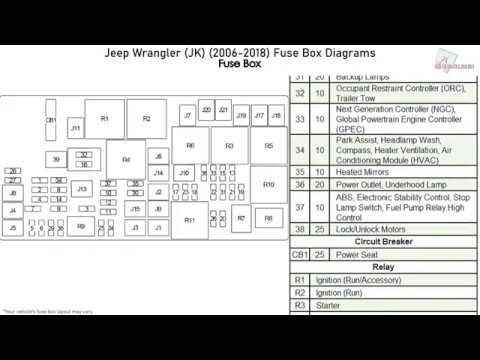
Finding the cruise control fuse in a Jeep Wrangler depends on your model year. Jeep has changed fuse box locations and labeling over time, so you need to check your owner’s manual or the fuse box cover for accurate details. Here’s a general guide to help you locate the fuse:
| Model Year | Fuse Box Location | Possible Cruise Control Fuse Label |
|---|---|---|
| 1997-2006 (TJ) | Under hood (engine compartment) | “Cruise”, “CC”, or “Speed Control” |
| 2007-2018 (JK) | Under hood (engine compartment) | “Cruise”, “Speed Control”, “MISC” |
| 2018-present (JL) | Under hood (engine compartment) | “Speed Control”, “CC”, or specific fuse number |
Always check the diagram on the fuse box cover or inside the owner’s manual to confirm the exact position. Some Jeep Wranglers may group cruise control with other systems, so the label might not be obvious.
Symptoms Of A Blown Cruise Control Fuse
You don’t need advanced tools to spot a blown cruise control fuse. The signs are usually clear:
- Cruise control won’t activate when you press the button or set speed.
- Cruise control light doesn’t illuminate on the dashboard.
- Other electronics (like horn or brake lights) may also stop working, depending on fuse grouping.
- No response from cruise control switches on the steering wheel.
A blown fuse rarely causes physical damage, but it can leave you frustrated on a long drive. If your cruise control suddenly fails, checking the fuse is a smart first step.
How To Check And Replace The Cruise Control Fuse
Changing a fuse is simple, but you must use the correct type and follow safety steps. Here’s how to check and replace the Jeep Wrangler cruise control fuse:
- Turn off the engine and remove the key.
- Open the fuse box—usually in the engine compartment. Use the diagram on the cover to find the cruise control fuse.
- Pull out the fuse using a fuse puller or tweezers. Inspect the metal strip inside. If it’s broken or burnt, the fuse is blown.
- Replace the fuse with a new one of the same rating (amps). Never use a fuse with a higher rating, as this can damage the system.
- Start the Jeep and test cruise control.
Most Jeep Wranglers use standard blade fuses. Always keep spares in your glove box for emergencies.
Example: Fuse Ratings For Jeep Wrangler
| Model | Fuse Type | Typical Amp Rating |
|---|---|---|
| TJ (1997-2006) | Mini blade | 10A or 15A |
| JK (2007-2018) | Mini blade | 10A or 15A |
| JL (2018-present) | Micro blade | 10A |
Using the wrong fuse can cause electrical issues or even fire, so double-check before inserting a new one.
Common Reasons Cruise Control Fuse Blows
A fuse doesn’t blow without cause. Here are some common triggers:
- Short circuit: Damaged wires or connectors can cause a sudden surge.
- Faulty cruise control switch: If the switch is stuck or malfunctioning, it may overload the circuit.
- Accessory installation: Aftermarket devices (like extra lights) can draw too much power.
- Moisture in fuse box: Water leaks can cause corrosion or shorts.
If your fuse blows again after replacement, it means there’s a deeper problem. Diagnosing wiring issues or switch faults may require a professional mechanic.
Troubleshooting Cruise Control Issues Beyond The Fuse
Sometimes, the fuse is fine but cruise control still doesn’t work. Here are other places to look:
- Cruise control switch: If the steering wheel buttons are worn or broken, they won’t send signals.
- Brake pedal switch: Cruise control turns off when you press the brake. If this switch is faulty, the system won’t engage.
- Speed sensors: These sensors read your speed. If they fail, cruise control can’t function.
- Vacuum leaks (in older models): Some cruise controls use vacuum lines. Leaks here can cause failure.
Checking these parts can be tricky. If you’re not comfortable with car repairs, ask a certified technician for help.
Preventing Cruise Control Fuse Problems
You can reduce fuse issues with some simple habits:
- Inspect wiring regularly for wear or damage.
- Avoid overloading circuits with aftermarket accessories.
- Keep the fuse box dry—seal any leaks in the engine compartment.
- Use high-quality fuses from trusted brands.
Many drivers overlook the importance of fuse quality. Cheap fuses can fail early or even melt, causing bigger problems.
Investing in quality parts keeps your Jeep’s electronics safe.
Real-world Example: Jeep Wrangler Jk Fuse Issue
In 2013, Jeep Wrangler JK owners reported sudden cruise control failure after installing aftermarket fog lights. The new lights overloaded the circuit, causing the cruise control fuse to blow.
After replacing the fuse and removing the extra lights, cruise control worked again.
This case shows how easy it is to overload circuits if you’re not careful with modifications.
Jeep Wrangler Cruise Control Fuse Vs. Other Fuses
Some owners confuse the cruise control fuse with others in the fuse box. Here’s how they compare:
| Fuse | Function | Typical Amp Rating |
|---|---|---|
| Cruise Control Fuse | Controls cruise control module and switches | 10A-15A |
| Horn Fuse | Controls horn circuit | 15A |
| Brake Light Fuse | Controls brake lights | 10A |
| Accessory Fuse | Controls power to added accessories | 15A-20A |
Always check labels and diagrams to avoid mistakes when replacing fuses.
Non-obvious Insights For Jeep Owners
Many beginners miss these points:
- Fuse grouping: Some Jeep Wrangler models combine cruise control with other systems in one fuse. If the fuse blows, multiple features can fail. Always check what’s connected before replacing.
- Resetting the system: After replacing a fuse, some Wranglers need a brief reset. Turn the ignition off, wait 10 seconds, then restart. This helps the module recognize the new fuse.
- Aftermarket upgrades: Adding electrical accessories can change fuse needs. Upgrading wiring or using dedicated fuse blocks can prevent overloads.
When To Seek Professional Help
If cruise control fuse issues keep coming back, it’s time to see a mechanic. Recurring problems often mean hidden wiring faults, damaged modules, or short circuits.
Trying to fix these yourself can make things worse. Professionals use diagnostic tools to find the exact cause and ensure safe repairs.
Jeep Wrangler Fuse Maintenance Tips
Taking care of your fuse box pays off in the long run:
- Clean the fuse box every 6 months using compressed air.
- Check for corrosion—if you see green or white powder, clean it and replace affected fuses.
- Replace old fuses even if they still work. Age can weaken the metal strip inside.
- Store spare fuses in a dry, safe spot inside your Jeep.
These simple steps help prevent sudden cruise control failures and keep all electrical systems running smoothly.