Jeep owners and fans often use unique terms and codes when talking about their vehicles. One of the most common is JK.
If you’re new to the Jeep world or just curious, you might wonder what “JK” actually means and why it matters. Let’s explore the meaning of JK, how it fits into Jeep history, and what makes JK models special.
What Does Jk Stand For?
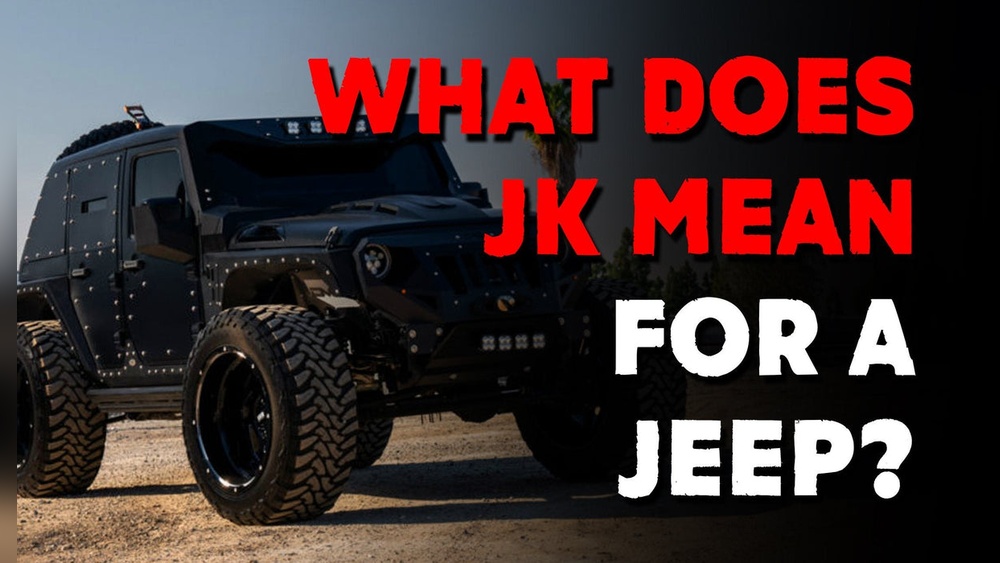
The JK code is used by Jeep to identify a specific generation of the Wrangler model. Introduced in 2007, JK refers to the third generation of the Wrangler, produced from 2007 to 2018. This code doesn’t stand for any words or phrases—it’s simply an internal designation used by Jeep engineers and marketing teams.
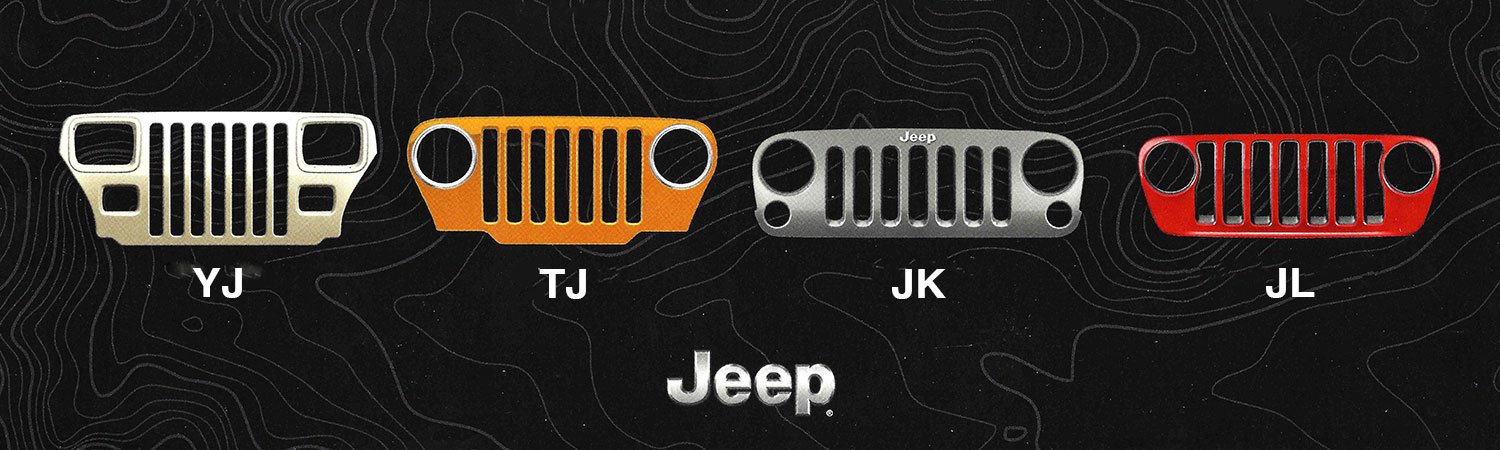
Jeep uses these codes to separate different versions, making it easier to talk about changes and upgrades. For example, older Wranglers are called YJ (1987–1995) and TJ (1997–2006). After the JK, Jeep launched the JL (2018–present).
Jeep Wrangler Generations Overview
To understand where JK fits in, here’s a quick comparison of Wrangler generations:
| Generation | Years Produced | Key Features |
|---|---|---|
| YJ | 1987–1995 | Rectangular headlights, leaf spring suspension |
| TJ | 1997–2006 | Round headlights, coil spring suspension |
| JK | 2007–2018 | Wider body, new 4-door model, improved safety |
| JL | 2018–present | Modern tech, lighter materials, turbo options |
JK is often seen as the bridge between classic Jeeps and modern ones, offering both ruggedness and comfort.
Key Features Of Jeep Jk Models
JK Wranglers brought several important changes compared to older models. Here’s what made them stand out:
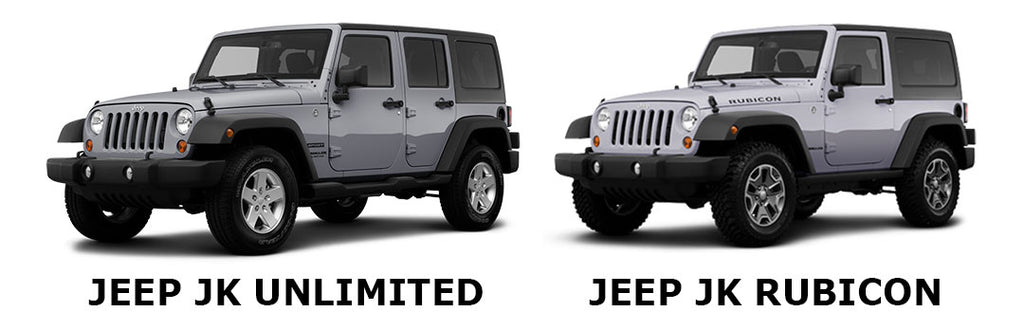
- Four-Door Option: For the first time, Jeep offered the Wrangler Unlimited with four doors. This made the Wrangler more practical for families and longer trips.
- Wider Body: JK models are about 5 inches wider than TJ Wranglers, giving more interior space and stability.
- Improved Suspension: JKs have a better suspension system for smoother rides, both on and off the road.
- Modern Safety: JKs included airbags and better crash protection, making them safer than earlier models.
- Upgraded Engines: The JK started with a 3.8L V6 engine, later upgraded to a 3.6L Pentastar V6. Both engines offer more power and better fuel efficiency than older Wranglers.
Here’s a side-by-side look at two popular JK engines:
| Engine | Horsepower | Torque (lb-ft) | Years Used |
|---|---|---|---|
| 3.8L V6 | 202 hp | 237 | 2007–2011 |
| 3.6L V6 Pentastar | 285 hp | 260 | 2012–2018 |
Jk Vs Jl: Main Differences
When Jeep launched the JL in 2018, it brought many upgrades. If you’re choosing between a used JK and a newer JL, it helps to know the main differences.
| Feature | JK (2007–2018) | JL (2018–present) |
|---|---|---|
| Body Materials | Steel, heavier build | Aluminum, lighter design |
| Technology | Basic radio, limited options | Touchscreen, advanced safety |
| Engine Choices | 3.8L / 3.6L V6 | Turbo 4-cylinder, V6, diesel |
| Ride Quality | Good, but less refined | Smoother, quieter |
JK models are known for their rugged simplicity. JL models add more comfort and tech, but some Jeep fans still prefer JKs for their classic feel.
Why Is Jk Important To Jeep Fans?
The JK era is special for several reasons. First, it brought the four-door Wrangler, which opened the brand to more people. Second, JKs are easy to customize. You can add lift kits, bigger tires, special bumpers, and more.
JKs also have strong aftermarket support, meaning many companies make parts just for JK Wranglers. This makes repairs and upgrades easier and cheaper.
Some fans say the JK is the last “true Jeep” before more modern features took over.
One insight many beginners miss: JK Wranglers have different axle types depending on the trim. Sport and Sahara models use Dana 30 front axles, while Rubicon models have Dana 44 axles, which are stronger for off-roading.
Another detail: JKs have unique electronics compared to earlier Jeeps. If you plan to install new lights or accessories, you may need special wiring kits.
Common Mistakes When Shopping For A Jk
If you’re thinking about buying a JK Wrangler, avoid these mistakes:
- Ignoring Rust: Some JKs, especially in cold climates, may have rust under the body or on suspension parts. Always check carefully.
- Overlooking Engine Changes: The 3.6L Pentastar engine (2012–2018) is more reliable and powerful than the older 3.8L. Many buyers don’t know this difference.
- Assuming All JKs Are the Same: Different trims offer different features. For example, Rubicon models have locking differentials and stronger axles.
- Skipping Service Records: JKs are often used off-road. Make sure the previous owner kept up with maintenance.
- Not Checking Recalls: JKs had several recalls, including airbag issues. Confirm these are fixed before buying.
Fun Facts And Statistics
- Jeep sold over 1.7 million JK Wranglers between 2007 and 2018.
- The JK was the first Wrangler to win “Four Wheeler of the Year” in 2007.
- More than 70% of JK Wranglers are still on the road today, showing their durability.
- The four-door JK Unlimited outsold the two-door model, making it the most popular Wrangler shape.
For more details on Jeep model history and codes, see the official Jeep Wrangler Wikipedia page.
Frequently Asked Questions
What Does Jk Stand For In Jeep?
JK is Jeep’s internal code for the third-generation Wrangler produced from 2007 to 2018. It doesn’t stand for any words or phrases.
How Can I Tell If My Jeep Is A Jk?
JK Wranglers have a wider body, modern safety features, and are made between 2007 and 2018. The VIN code and badge can also confirm the model.
Are Jk Wranglers Good For Off-roading?
Yes, especially Rubicon models with Dana 44 axles and locking differentials. Many owners modify their JKs for extreme off-road use.
What’s The Difference Between Jk And Jl?
JL Wranglers are newer, lighter, and have more technology. JKs are simpler and easier to customize.
JL models offer more engine options and improved ride quality.
How Long Do Jk Wranglers Last?
With proper maintenance, JKs can last over 200,000 miles. Many are still running strong after more than a decade.
The JK Wrangler is more than just a code it’s a symbol of Jeep’s move toward modern design while keeping its adventurous spirit.
Whether you’re buying, owning, or just curious, knowing what JK stands for helps you understand Jeep history and make smarter choices.