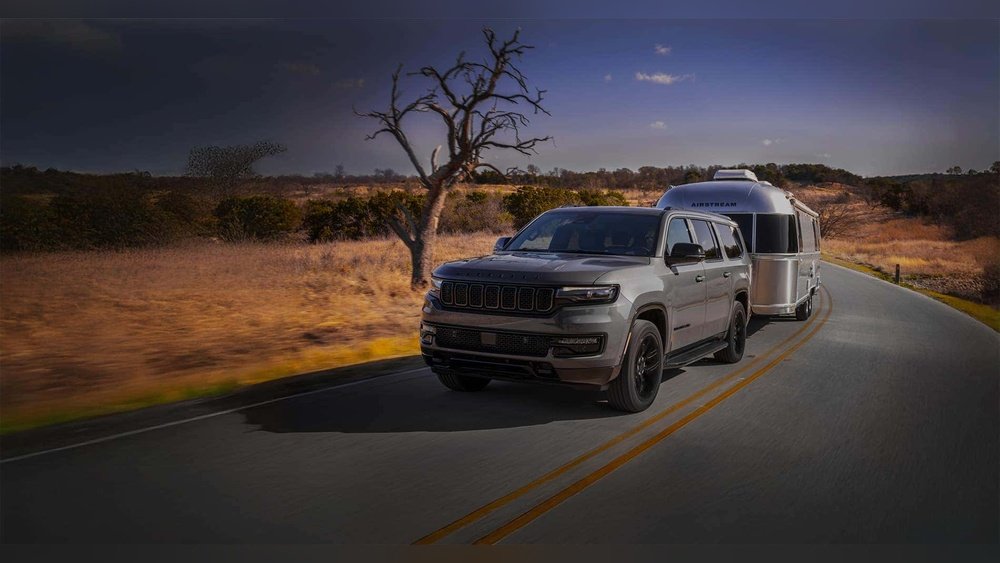
The Jeep Wagoneer is a well-known name in the world of large SUVs. For families, adventurers, and anyone who needs to move big loads, understanding its payload capacity is essential.
Payload capacity affects how much you can carry inside the vehicle, from passengers and pets to luggage, camping gear, or building materials. Many people confuse payload with towing, but they are not the same.
If you want to make the most of your Jeep Wagoneer, knowing its payload limits can save you from costly mistakes and keep your drive safe.
What Is Payload Capacity?
Payload capacity is the total weight your vehicle can safely carry inside, including passengers, cargo, and anything else loaded into the cabin or trunk. It does not include anything you might tow behind the vehicle. For the Jeep Wagoneer, this is a key number for drivers who need to use every inch of space and carry heavy loads.
Many drivers mix up payload with towing capacity. Towing capacity is about how much your SUV can pull behind it, like a trailer or boat. Payload is about what you put inside. Overloading your Jeep Wagoneer can damage the suspension, brakes, and tires, and it may even void your warranty. That’s why it’s critical to understand and respect the payload limits.
Jeep Wagoneer Payload Capacity: Numbers And Models
The Jeep Wagoneer lineup includes different models and trims, each with its own specs. Payload capacity can change based on engine, drivetrain, and features.
Here’s a clear look at the main models and their capacities.
| Model | Engine | Drivetrain | Payload Capacity (lbs) |
|---|---|---|---|
| Wagoneer Series I | 3.0L Hurricane Twin Turbo I6 | RWD | 1,630 |
| Wagoneer Series II/III | 3.0L Hurricane Twin Turbo I6 | 4×4 | 1,580 |
| Wagoneer L | 3.0L Hurricane Twin Turbo I6 | 4×4 | 1,660 |
| Grand Wagoneer | 3.0L Hurricane Twin Turbo I6 | 4×4 | 1,450 |
These numbers are for the 2026 and 2026 models, but they do not change much from year to year unless there is a major redesign. Always check your vehicle’s door jamb sticker for the exact payload for your specific Wagoneer.
Why The Numbers Vary
Payload numbers are not the same across all Wagoneers. Here’s why:
- Added features like panoramic sunroofs, upgraded sound systems, or extra seating can reduce payload since they add weight before anything else goes in the car.
- 4×4 systems and larger engines often weigh more, which can reduce the payload capacity.
- Wagoneer L models are longer and sometimes have slightly higher payloads due to their design.
Small differences in features can change payload by 50–100 pounds. Two Wagoneers on the lot may look identical, but one can carry more than the other.
How To Find Your Jeep Wagoneer’s Payload Capacity
The most accurate way to check your Wagoneer’s payload is to look at the sticker on the driver’s door. This label lists the maximum combined weight of cargo and passengers your Jeep can safely handle. It’s better than going by the manual or dealer website, since your vehicle’s exact options and build affect the final number.
If you have the vehicle’s VIN, you can often search online for its specs. This is useful if you’re shopping for a used Wagoneer and want to know its limits before buying.
How Payload Affects Everyday Use
Payload capacity is not just a number for the specs sheet. It matters every time you load up your Jeep for a trip, move heavy items, or pack for a family vacation. Here are some real-life examples:
- Family road trip: Two adults (400 lbs), three kids (250 lbs), a dog (60 lbs), and luggage (300 lbs) add up to 1,010 lbs. That leaves about 600 lbs before you reach the limit in most Wagoneer models.
- DIY project: Two adults (400 lbs) and home improvement supplies (800 lbs) total 1,200 lbs. Still safe, but you must be careful not to add more.
- Towing a boat: Even though the boat is behind the vehicle, all the passengers and gear inside still count toward payload.
Overloading the Wagoneer can lead to poor handling, longer stopping distances, and more tire wear. It can also risk breaking parts that are expensive to repair.

Comparing Wagoneer Payload To Other Suvs
How does the Jeep Wagoneer measure up to its main rivals? Here’s a look at similar full-size SUVs and their payloads.
| SUV Model | Payload Capacity (lbs) | Notes |
|---|---|---|
| Jeep Wagoneer | 1,450–1,660 | Strong for class |
| Chevrolet Tahoe | 1,600–1,850 | Some trims higher |
| Ford Expedition | 1,750–1,900 | Among the highest |
| Toyota Sequoia | 1,500–1,730 | Close to Wagoneer |
| GMC Yukon | 1,700–1,850 | Similar size |
The Wagoneer’s payload is solid for its segment, though not the absolute highest. If maximum payload is your only goal, the Ford Expedition or GMC Yukon may edge out the Wagoneer.
However, the Wagoneer offers a good mix of comfort, features, and capability.
Factors That Affect Payload In The Real World
Many drivers overlook small details that can push their Wagoneer over the safe limit. Here’s what to watch out for:
- Aftermarket accessories: Roof racks, winches, bull bars, and extra lighting all add weight. Each pound counts against your payload.
- Full tanks: A full tank of gas weighs about 120 lbs. If you fill up all fluids and carry extra gear, that number rises quickly.
- Weather: Snow and mud can add weight if they stick to the undercarriage or roof.
- Child seats: Modern car seats are heavy—often 15–25 lbs each.
- People: It’s easy to underestimate the total weight of passengers, especially adults.
One non-obvious insight: dealer-installed options like tow packages or running boards are often not included in the advertised curb weight, but they do count against payload. Always check what’s actually on your vehicle.
How To Calculate Payload For Your Trip
To stay safe, you need to know how much you’re carrying. Here’s a simple step-by-step process:
- Find your Wagoneer’s max payload (door sticker).
- List everything and everyone you’ll take: Passengers, pets, luggage, coolers, etc.
- Estimate weights as closely as possible (don’t forget things like strollers, sports gear, or power tools).
- Add up the total.
- Compare the total to your payload limit. If you’re close, remove non-essentials or split loads between vehicles.
If you’re not sure, it’s better to be a bit under the limit. Consistently maxing out payload puts extra stress on your SUV over time.
Payload Vs. Towing: Why Both Matter
While payload and towing are different, they are connected. When you hitch up a trailer, the tongue weight (the downward force from the trailer on your hitch) also counts as payload. This catches many new owners by surprise.
For example, if you tow a 7,000 lb boat with a tongue weight of 700 lbs, you must subtract that 700 lbs from your available payload. Now, you have less room for passengers and gear inside.
Another non-obvious tip: Payload is often the limiting factor when towing heavy trailers, not towing capacity. Many people focus only on the big towing number and forget that their real-world limit is what the SUV can safely carry inside.

Safety Tips For Carrying Heavy Loads
To make the most of your Jeep Wagoneer’s payload capacity while staying safe:
- Distribute weight evenly: Keep heavy items low and centered to avoid body roll.
- Secure cargo: Use tie-downs or cargo nets to prevent shifting loads in a sudden stop.
- Check tire pressure: Extra weight needs correct tire inflation—low pressure can lead to blowouts.
- Drive smoothly: Avoid sudden braking or sharp turns when loaded.
- Inspect brakes and suspension: Heavy payloads work these parts harder, so regular checks are wise.
One overlooked detail: Braking distance increases with weight, even if you’re under the payload limit. Always give yourself more room to stop.
When Payload Is Not Enough: What Are Your Options?
If you find that your trip or project requires more payload than your Wagoneer allows, you have a few options:
- Take two vehicles: Split the group or gear between two cars.
- Use a trailer: Shift some of the load to a trailer, but remember to calculate tongue weight.
- Upgrade tires or suspension: Some drivers add heavy-duty parts, but this does not legally increase your payload rating. The limit is set by the manufacturer.
- Rent a truck: For big moves or construction, sometimes a pickup is a better choice for heavy loads.
Never ignore the payload limit—it’s set for safety and durability.