When you take your Jeep JK off the beaten path, you expect it to handle rough terrain. Rocks, stumps, and other trail debris can quickly damage your wheels, especially if you’re running larger tires.
This is where Jeep JK wheels with rock rings come into play. They add a crucial layer of protection, safeguarding your investment and keeping you on the trail longer.
But what exactly are rock rings, why do you need them, and how do you choose the right ones for your JK? This guide will cover everything you need to know.
What Are Rock Rings?
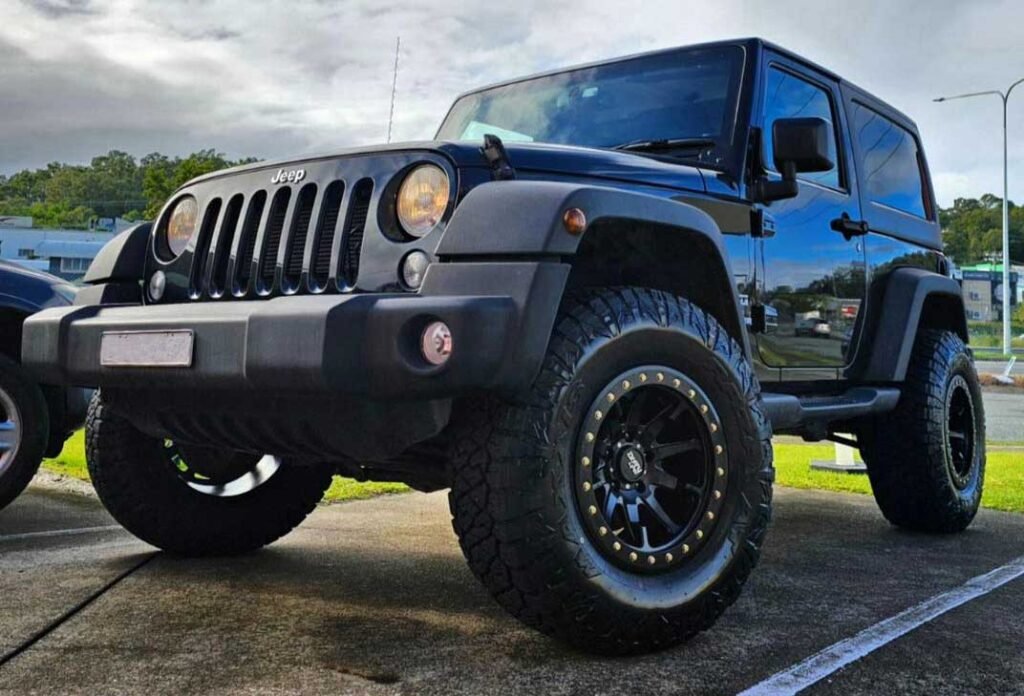
Rock rings, also known as beadlock rings or rock guards, are an aftermarket accessory designed to protect the outer lip of your wheels. They are typically made from thick, durable metal, such as steel or aluminum, and bolt onto the outside of the wheel, covering the vulnerable edge where the tire bead seats.
Their primary purpose is to absorb impacts from rocks and other obstacles, preventing bends, cracks, or other damage that could lead to a flat tire or a compromised wheel.
For Jeep owners who frequently tackle challenging trails, wheels can take a beating. Rock rings act as a sacrificial layer, taking the brunt of the impact so your expensive wheels don’t have to.
They are an essential upgrade for anyone serious about off-roading, particularly those running lower tire pressures for better traction, which can make the wheel lip more exposed.
Why You Need Rock Rings For Your Jeep JK
Jeep JKs are built for adventure, and many owners modify them to tackle more extreme off-road conditions. This often involves larger tires and lower tire pressures to increase the tire’s contact patch with the ground, providing superior grip on rocks and uneven surfaces.
However, running lower pressures makes the tire bead more susceptible to damage. When a tire is deflated, the sidewall becomes softer, and the wheel’s edge is no longer protected by the tire’s pressure.
This is when rocks can easily get between the tire bead and the wheel, causing significant damage.
Here’s a breakdown of the key reasons why rock rings are a smart investment for your Jeep JK:
Wheel Protection: This is the most obvious benefit. Rock rings act as a shield, preventing direct impact between your wheels and trail obstacles. They can absorb significant force, saving your wheels from bends, dents, and cracks.
Tire Bead Protection: On a standard wheel, a hard impact can damage the tire bead where it seals against the wheel. This can lead to slow leaks or immediate deflation. Rock rings help keep the tire bead seated properly and protected from debris.
Enhanced Off-Road Capability: By providing peace of mind, rock rings allow you to tackle more challenging trails with confidence. You’re less likely to worry about every rock or ledge, enabling you to push your Jeep’s limits further.
Aesthetic Appeal: Beyond their functional benefits, rock rings can also enhance the look of your Jeep. They add a rugged, aggressive appearance, especially when paired with larger tires and aggressive off-road wheels. They come in various finishes and designs, allowing for customization.
Cost Savings: While there’s an upfront cost to installing rock rings, they can save you significant money in the long run. Replacing damaged wheels or dealing with tire bead damage is far more expensive than the cost of a set of rock rings.
In my experience, the first time I saw a friend’s wheel get severely damaged by a sharp rock on a trail, I knew I needed to protect my own investment. Rock rings were the obvious solution, and they’ve saved my wheels on multiple occasions since.
Types Of Rock Rings And Their Features
Rock rings are not a one-size-fits-all accessory. They come in various materials, designs, and mounting styles, each with its own advantages.
Understanding these differences will help you make an informed decision.

Material Options
Steel Rock Rings
These are the most common and typically the most affordable option. Steel offers excellent strength and durability, making it highly effective at absorbing impacts.
However, steel is heavier than aluminum and can be prone to rust if not properly coated or maintained.
Most steel rock rings are powder-coated or painted for corrosion resistance.
Aluminum Rock Rings
Lighter than steel, aluminum rock rings offer a good balance of strength and weight savings. They are also less prone to rust.
However, aluminum can be more expensive and might bend or deform under extreme impacts where steel would simply absorb the shock.
High-quality aluminum alloys are used to maximize strength.
Design And Mounting Styles
Bolt-On Rock Guards
These are the most prevalent type.
They bolt directly onto the outside of the wheel, typically using the same lug nut holes or a separate set of bolts around the perimeter of the wheel.
They are designed to fit specific wheel models or bolt patterns.
Integrated Rock Rings (Simulated Beadlocks)
Some aftermarket wheels are designed with an integrated rock ring or a simulated beadlock feature.
These are built directly into the wheel’s design, offering a seamless look and robust protection.
While they look like beadlocks, they usually don’t function as true beadlocks, which physically clamp the tire bead to the wheel for extreme off-road use.
True Beadlock Wheels
These are a more extreme option, designed for serious off-roaders.
True beadlock wheels use a separate ring that bolts around the outside of the wheel, mechanically clamping the tire bead to the wheel.
This allows for extremely low tire pressures without the tire coming off the rim. Rock rings can be integrated into true beadlock designs for added protection.
If you want the aggressive beadlock look without the true-beadlock price tag and DOT questions, a bolt-on simulated ring set is the middle ground worth a look:

Finish And Customization
Rock rings come in a variety of finishes to match your Jeep’s aesthetic. Common options include:
- Black (Powder Coat): Durable and popular, offering a sleek look.
- Satin/Textured Black: Provides a rugged, off-road appearance.
- Chrome: For a more polished look, though less common for extreme off-roading.
- Raw Steel/Aluminum: Allows for custom painting or finishing.
- Color-Matched: Some manufacturers offer rock rings in specific Jeep paint colors.
Choosing The Right Jeep JK Wheels With Rock Rings
Selecting the correct rock rings for your Jeep JK involves considering several factors beyond just appearance. Compatibility, intended use, and budget all play a role.
Compatibility With Your Wheels
This is the most crucial step. Rock rings are designed to fit specific wheel makes and models.
You cannot simply buy any rock ring and expect it to fit.
Wheel Model: Identify the exact brand and model of your current wheels. Most rock ring manufacturers will list which wheels their rings are compatible with.
Bolt Pattern and Offset: Ensure the rock ring’s bolt pattern matches your wheel’s bolt pattern (e.g., 5×5 inches for many JK models). The offset of the ring can also be important for clearance.
Wheel Diameter and Width: Rock rings are made for specific wheel sizes (e.g., 17-inch diameter) and sometimes specific widths.
Pro Tip: If you are unsure about compatibility, contact the manufacturer of your wheels or the rock ring supplier directly. Providing them with your wheel details will ensure you get the correct part.
Intended Use And Durability
Consider the type of off-roading you do.
Light Trails and Fire Roads: Standard bolt-on steel or aluminum rock rings will provide ample protection.
Moderate Trails (Rocks, Roots): Heavy-duty steel rock rings are recommended for better impact resistance.
Extreme Rock Crawling: True beadlock wheels with integrated or bolt-on rock rings offer the ultimate protection and capability. If you plan on running very low tire pressures (below 10 PSI), true beadlocks are the safest choice.
Material And Weight
Steel: Offers maximum durability and is often more affordable. However, it adds unsprung weight, which can slightly affect performance and fuel economy.
Aluminum: Lighter than steel, helping to minimize the impact on performance. It’s also more resistant to corrosion. However, it can be more expensive and potentially less resistant to extreme impacts than high-grade steel.
Ease Of Installation
Most bolt-on rock rings are relatively straightforward to install. They usually require removing your wheels, bolting the ring to the wheel, and then remounting the wheel.
If you’re comfortable with basic automotive tasks, you can likely install them yourself. However, if you’re opting for true beadlock wheels, installation can be more complex and may require specialized tools or professional assistance.
Budget
Rock rings can range in price from around $50 to $150 per ring for standard bolt-on types. For true beadlock wheels with integrated rock protection, the cost can be significantly higher, often $300-$600 or more per wheel.
Steel rings are generally more budget-friendly than aluminum.
Popular Jeep JK Wheel And Rock Ring Brands
Several reputable brands offer wheels and rock rings designed for the Jeep JK. Here are a few well-regarded options:
Method Race Wheels: Known for their high-performance off-road wheels, Method offers many models with integrated rock rings or available bolt-on rock guards. They are a popular choice for serious off-roaders due to their durability and stylish designs.
Fuel Off-Road: Fuel offers a wide array of stylish wheels, many of which feature simulated beadlock designs or come with optional bolt-on rock rings. They provide a good balance of aesthetics and off-road capability.
Rugged Ridge: This brand offers a range of accessories for Jeeps, including affordable and effective bolt-on rock rings designed to fit various factory and aftermarket JK wheels. They are a great option for budget-conscious owners.
AEV (American Expedition Vehicles): AEV is renowned for its high-quality, purpose-built Jeep components. Their wheels, like the Salta HD, often feature robust designs with integrated protection that can function similarly to rock rings.
Walker Evans Racing: For those seeking extreme performance, Walker Evans offers high-end racing wheels, many of which are true beadlocks with integrated rock protection designed for the harshest off-road conditions.
When selecting a brand, always check for specific compatibility with your JK’s bolt pattern and wheel size.
Installation Process: A General Guide
Installing bolt-on rock rings is usually a DIY-friendly project. However, always refer to the specific instructions provided by the manufacturer for your chosen rock rings and wheels.
Tools You’ll Likely Need:
- Jack and jack stands
- Lug wrench or socket set with an impact wrench (optional but recommended)
- Torque wrench
- Gloves and safety glasses
- Wire brush (for cleaning wheel surface)

General Steps:
Prepare Your Jeep: Park your JK on a level surface and engage the parking brake. Loosen the lug nuts on the wheel you’ll be working on before lifting the vehicle.
Lift and Secure: Safely lift the Jeep using a jack and secure it with jack stands. Remove the wheel.
Clean the Wheel: Thoroughly clean the outer edge and mounting surface of the wheel where the rock ring will attach. Use a wire brush to remove any dirt, debris, or corrosion. A clean surface ensures a proper seal and fit.
Position the Rock Ring: Carefully align the rock ring with the wheel. If it uses lug nut holes, ensure it lines up correctly. Some rings may have separate bolt holes.
Install Bolts: Insert the provided bolts through the rock ring and into the wheel. Hand-tighten them initially.
Tighten in a Star Pattern: Using your socket set or impact wrench, gradually tighten the bolts. Crucially, tighten them in a star or crisscross pattern. This ensures even pressure distribution and prevents warping of the ring or wheel.
Torque to Specification: Once all bolts are snug, use a torque wrench to tighten them to the manufacturer’s specified torque value. This is critical for safety and ensuring the ring stays securely attached. Over-tightening or under-tightening can lead to failure.
Repeat for Other Wheels: Repeat the process for all remaining wheels.
Final Check: After a short drive (e.g., 50-100 miles), re-torque all the bolts to ensure they haven’t loosened.
Warning: Improper installation can lead to the rock ring coming loose, causing serious damage or an accident. If you are not confident in your mechanical abilities, have a professional install them.
Maintaining Your Jeep JK Wheels With Rock Rings
Proper maintenance will extend the life of your wheels and rock rings and ensure they perform optimally.
Regular Cleaning: Wash your wheels and rock rings regularly, especially after off-roading. Remove mud, dirt, and salt, which can trap moisture and lead to corrosion, particularly on steel components.
Inspect for Damage: Periodically check your rock rings for any signs of damage, such as bends, cracks, or loose bolts. Address any issues promptly.
Check Bolt Torque: As mentioned, re-torquing the bolts after installation and periodically thereafter is essential. This is especially important after heavy off-road use.
Corrosion Prevention (Steel Rings): If you have steel rock rings, inspect the coating for chips or scratches. Touch up any damaged areas with a suitable primer and paint or powder coating to prevent rust.
Tire Pressure Management: While rock rings offer protection, they are not a substitute for proper tire pressure management. Always use the recommended tire pressure for your driving conditions. Running too low a pressure for too long can still stress components.
Common Mistakes To Avoid
When upgrading your Jeep JK with wheels and rock rings, several common mistakes can lead to problems.
Incorrect Fitment: Buying rock rings that are not specifically designed for your wheels is the most common and costly mistake. Always double-check compatibility.
Ignoring Installation Torque Specs: Not using a torque wrench or failing to tighten bolts in a star pattern can lead to uneven stress, potential wheel damage, or the ring coming loose.
Choosing the Wrong Material for Your Needs: Opting for lighter aluminum when you need extreme durability, or choosing heavy steel for mild trails where it’s unnecessary weight.
Neglecting Maintenance: Failing to clean, inspect, and re-torque bolts can compromise the effectiveness and safety of the rock rings.
Overestimating Protection: Rock rings significantly enhance protection but are not indestructible. Extreme impacts can still damage them or the wheels they are attached to. True beadlocks offer superior performance for very low pressures.
Forgetting About Unsprung Weight: While protection is key, be aware that heavier steel rock rings add unsprung weight, which can affect steering, suspension response, and fuel economy.
Understanding True Beadlocks Vs. Simulated Beadlocks
It’s important to know the difference before you buy, since the two get mixed up constantly and the wrong assumption can leave you stranded on the trail.
A true beadlock wheel uses a separate outer ring that bolts down and physically clamps the tire bead against the wheel barrel. That mechanical clamp is what lets you air down into single digits without the tire popping off the bead during a hard side-hill lean or a tight rock ledge.
True beadlocks are also the only style of the two that’s actually legal to run at those extreme low pressures on the trail, though many aren’t DOT-approved for street use at full highway speed.
A simulated beadlock, on the other hand, is purely cosmetic. The outer ring is bolted on for looks, mimicking the rugged appearance of a true beadlock, but it does nothing to clamp the tire bead.
Air pressure alone is still what’s holding your tire on the rim, exactly like a standard wheel.
This distinction matters most for anyone running low pressure on technical trails. If you’re the type who airs down to 8 or 10 PSI to crawl over ledges, a simulated beadlock offers you zero extra security against the tire unseating.
A true beadlock, paired with rock rings for impact protection, is the setup built for that kind of driving.
For weekend trail riders who keep tire pressure in a more moderate range, a simulated beadlock with solid rock rings is often plenty. You get the aggressive look and real impact protection without the added cost, weight, and DOT complications that come with true beadlocks.
Do I Need Rock Rings If I Have Beadlock Wheels?
Yes, even true beadlock wheels benefit from rock rings. The beadlock ring itself protects the tire bead area, but the rest of the wheel’s outer lip can still take a direct hit from a rock or ledge.
Many beadlock wheel designs already build a rock ring-style lip into the casting, but it’s worth confirming with the manufacturer rather than assuming.
Will Rock Rings Fit Any Jeep JK Wheel?
No. Rock rings are matched to a specific wheel model, bolt pattern, and diameter, and a mismatched ring won’t seat correctly or protect the way it should.
Always confirm fitment with the ring manufacturer using your exact wheel model before ordering.
Are Rock Rings Legal For Street Use?
Most bolt-on rock rings are legal for street driving since they don’t affect how the tire seals to the wheel.
True beadlock rings can be a different story in some states, since the exposed bolts and ring design may not meet DOT wheel standards, so it’s worth checking your local regulations before running them daily.
How Much Weight Do Rock Rings Add?
Steel rock rings typically add a few pounds per wheel, while aluminum versions add less.
That extra unsprung weight is usually a fair trade for the protection, though it’s worth factoring in if you’re also running heavier tires and already pushing your axle’s weight limits.
Final Thoughts
Rock rings are one of those upgrades that don’t look like much until the day a rock catches your wheel lip instead of your tire bead. Between the wheel protection, the bead security, and the rugged look, they’re a small investment that pays for itself the first time they take a hit meant for your rim.
Whether you go with affordable bolt-on steel rings, a lighter aluminum option, or step all the way up to true beadlocks, matching the ring to your wheel and your trail style is what actually matters. Get the fitment right, torque the bolts properly, and check them after every serious run.
What’s your JK running right now, bolt-on rock rings or true beadlocks? Let me know in the comments how they’ve held up on your trails.
Last update on 2026-10-24 / Affiliate links / Images from Amazon Product Advertising API