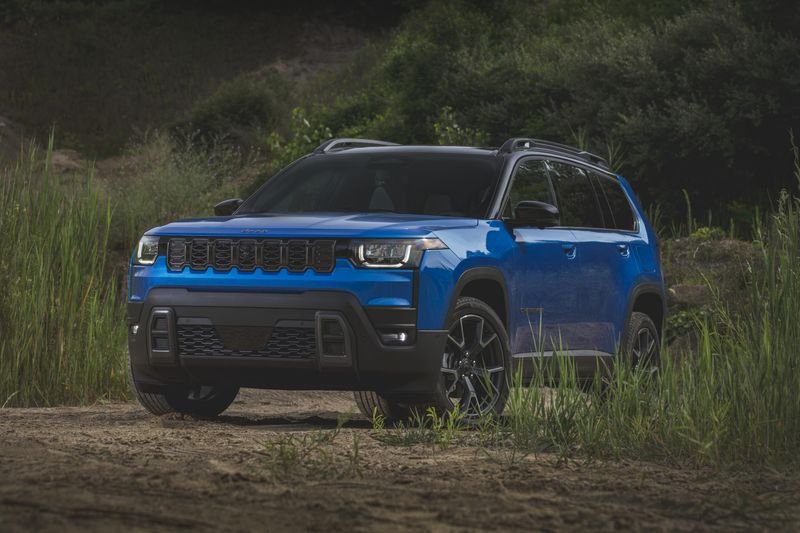
Jeep JK owners love adventure, whether it’s dusty desert trails or muddy river crossings. If you’re looking to upgrade your Jeep’s air intake system, you probably have two options in mind: a cold air intake or a snorkel. Both are popular, but they serve different purposes. Understanding the key differences will help you make the best choice for your needs and environment.
What Is A Cold Air Intake?
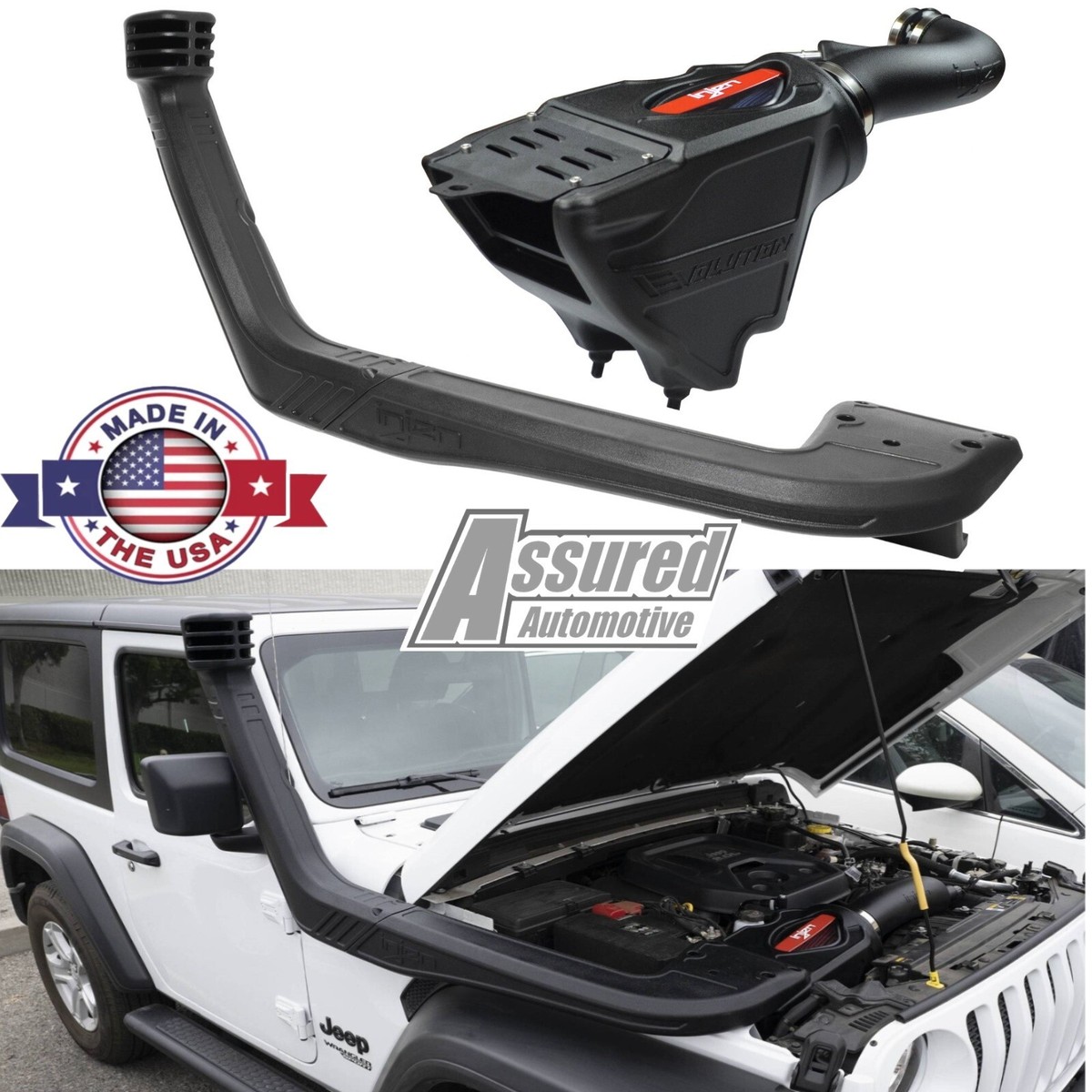
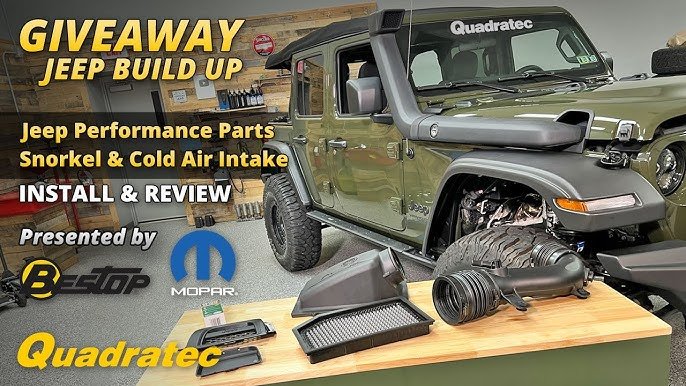
A cold air intake is an aftermarket system that replaces your Jeep JK’s factory air intake. It draws cooler, denser air from outside the engine bay. Cooler air has more oxygen, which boosts engine performance.
Most cold air intakes are made from plastic or metal tubes with a high-flow filter. They are usually installed in the engine bay, but away from hot parts. This helps the engine “breathe” better.
Key Benefits
- More horsepower: Cold air intakes can add 5–10% more power, depending on the model.
- Better throttle response: The engine reacts faster when you step on the gas.
- Improved fuel efficiency: Some drivers report up to 1–2 mpg gains.
- Easy installation: Most kits take 1–2 hours to install with basic tools.
Limitations
- Not designed for water: Cold air intakes can suck in water if you drive through deep puddles or streams.
- No protection from dust: The filter is more exposed, which can be a problem in dusty environments.
What Is A Snorkel?
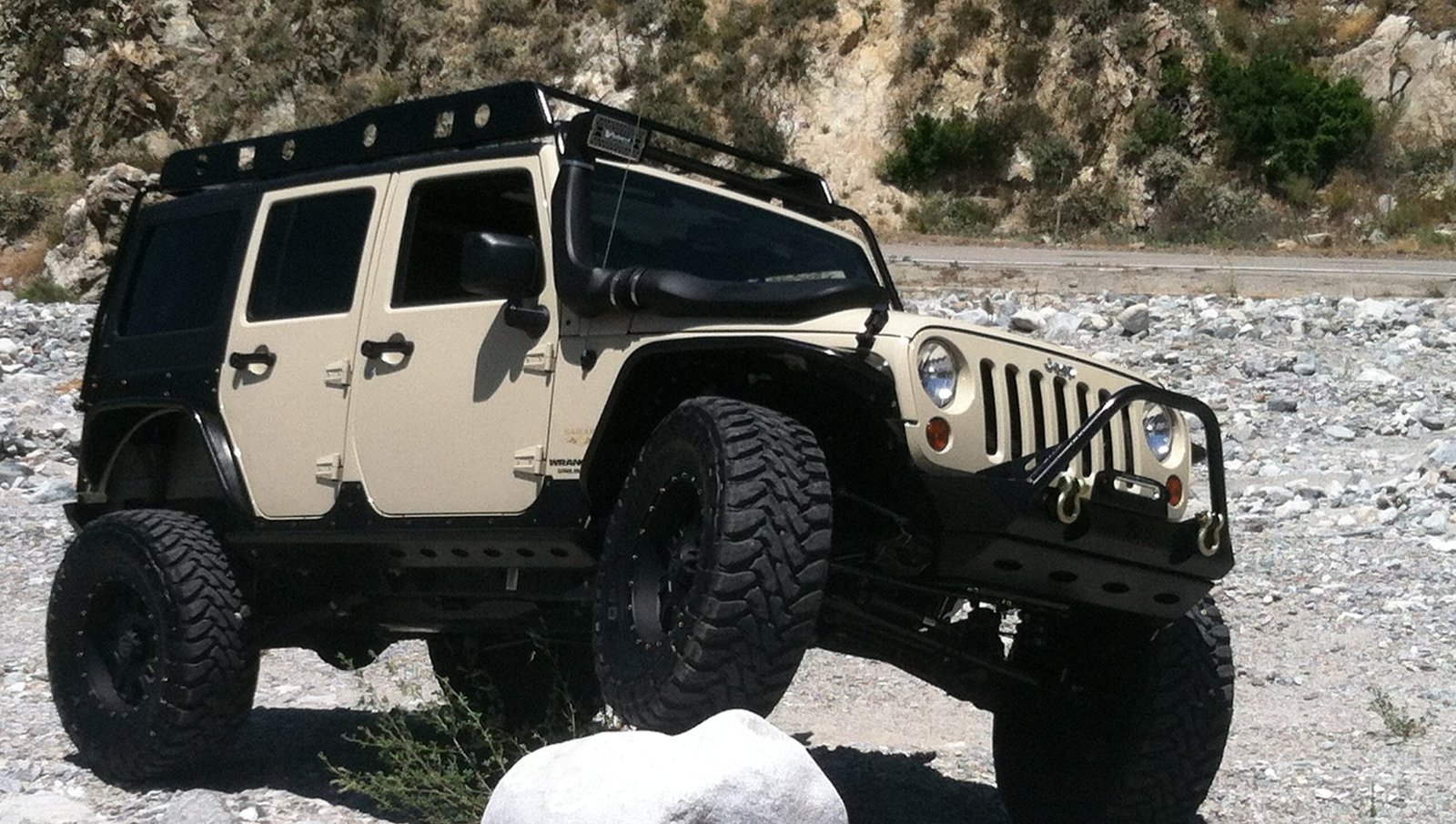
A snorkel is a tube that runs from your Jeep’s engine bay up to the roof or windshield area. Its main job is to let your engine breathe in clean, dry air—even when you’re crossing deep water or driving through heavy dust.
Snorkels are made from tough plastic. They are sealed tightly to stop water from entering the intake.
This makes them popular for off-roaders who tackle rivers, beaches, or deserts.
Key Benefits
- Water protection: Snorkels help prevent engine flooding during river crossings.
- Cleaner air: By raising the intake, snorkels pull in less dust and dirt.
- Improved reliability: Your Jeep is less likely to stall or get damaged in tough conditions.
Limitations
- No performance boost: Snorkels don’t increase horsepower or fuel economy.
- Complex installation: Fitting a snorkel often means cutting holes in your Jeep and sealing them properly.
- Added wind noise: Some users notice more noise at higher speeds.
Cold Air Intake Vs Snorkel: Direct Comparison
Here’s a clear look at how cold air intakes and snorkels stack up in different areas:
| Feature | Cold Air Intake | Snorkel |
|---|---|---|
| Performance | Increases power | No power gain |
| Water Protection | Poor | Excellent |
| Dust Resistance | Low | High |
| Installation | Easy | Complex |
| Cost | $200–$400 | $300–$500 |
Which Is Better For Your Jeep Jk?
The best choice depends on how you use your Jeep JK.
- If you mostly drive on paved roads or light trails, a cold air intake is a smart upgrade. You’ll feel the extra power and enjoy a sportier sound.
- If you tackle deep water crossings or desert trails, a snorkel is essential. It protects your engine from water and dust.
Common Mistakes To Avoid
- Mixing both upgrades: Some owners think they can install both a cold air intake and a snorkel. Most cold air intakes are not designed to work with snorkels, so combining them can cause leaks or performance issues.
- Ignoring sealing: With snorkels, not sealing all joints can lead to water entering the engine. Double-check all connections.
- Buying based on looks: Both upgrades change your Jeep’s appearance, but performance and protection should be your main goal.
Real-world Examples
Cold Air Intake: A Jeep JK owner in California reported a noticeable boost in horsepower after installing a cold air intake. On highways, his Jeep felt more responsive and he saw a 1 mpg improvement.
Snorkel: An off-roader in Texas shared that after a river crossing, his engine stayed dry thanks to a snorkel. He also noticed less dust clogging his air filter on sandy trails.
Installation Differences
Both upgrades need some mechanical skill. Here’s a quick comparison:
| Upgrade | Tools Needed | Install Time | Skill Level |
|---|---|---|---|
| Cold Air Intake | Socket set, screwdriver | 1–2 hours | Beginner |
| Snorkel | Drill, saw, sealant, socket set | 3–6 hours | Intermediate |
Most cold air intakes come with detailed instructions. Snorkel kits require more care, especially when cutting your Jeep’s fender. Always use waterproof sealant.
Data And Statistics
- Cold air intakes can lower intake temperatures by 10–20°F, boosting power.
- Snorkels reduce dust intake by up to 80% in desert tests.
- Nearly 30% of Jeep JK owners who cross rivers regularly use snorkels (according to off-road forums).
Should You Upgrade?
If you value performance and stay away from deep water, go for a cold air intake. If you need protection in harsh environments, a snorkel is the safer choice. Remember, factory air intakes are good for normal driving, but upgrades are about specialized needs.
Frequently Asked Questions
Can I Install A Cold Air Intake And A Snorkel Together?
It’s possible, but tricky. Most cold air intakes are not designed for snorkel attachment.
You might need custom parts or adapters, which can cause leaks. Always check compatibility.
Will A Cold Air Intake Void My Jeep Jk Warranty?
Usually, no. But some dealers may deny warranty claims if they believe the intake caused engine damage. Always ask your dealer first.
How Much Water Can A Snorkel Handle?
A properly installed snorkel lets your Jeep cross water as deep as the hood. Still, other parts (like the electrical system) aren’t waterproof, so use caution.
Is A Cold Air Intake Loud?
Yes, it can make your engine louder especially when accelerating. Some drivers love the sporty sound, but others find it annoying.
Where Can I Find Reliable Installation Guides?
Trusted sources like ExtremeTerrain offer step-by-step guides and videos for both cold air intakes and snorkels.
Upgrading your Jeep JK is about matching the right tool to your adventure. Cold air intakes and snorkels both have unique strengths.
Choose what fits your driving style, and always install carefully for the best results.