When you drive a Jeep, your headlights are more than just a legal requirement—they are your eyes on the road. Whether you’re navigating mountain trails at night or cruising down a dark highway, headlight brightness makes a huge difference.
But with so many options—halogen, HID, LED—how do you know which is best for your Jeep? This article compares the most popular types, explains brightness ratings, and helps you make a smart choice for visibility and safety.
Understanding Jeep Headlight Brightness
Headlight brightness is measured in lumens. The higher the lumens, the brighter the light. But it’s not just about numbers—beam pattern, color temperature, and how light spreads on the road matter too.
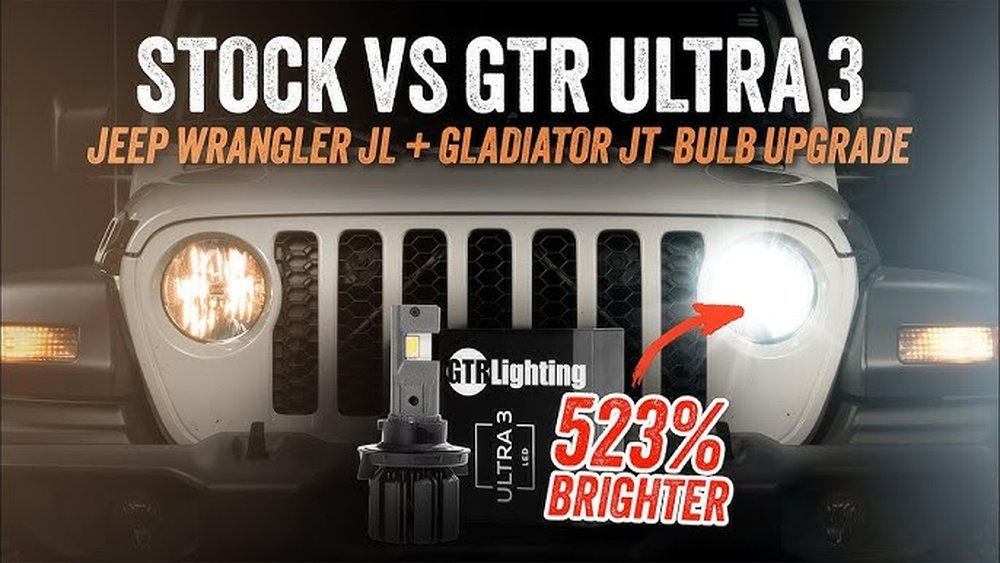
Most factory Jeep headlights are halogen and provide around 700–1,200 lumens per bulb. Upgraded options like HID and LED can offer much more. But brighter isn’t always better if the light scatters or blinds other drivers.
Comparing Headlight Types
Let’s break down the three main Jeep headlight options: halogen, HID, and LED. Each type has its strengths and weaknesses.
| Type | Typical Brightness (Lumens) | Color Temperature (Kelvin) | Lifespan (Hours) |
|---|---|---|---|
| Halogen | 700–1,200 | 3,000–4,300 | 500–1,000 |
| HID (Xenon) | 3,000–3,500 | 4,300–6,000 | 2,000–3,000 |
| LED | 3,000–5,000 | 5,000–6,500 | 10,000–30,000 |
- Halogen: Standard in most older Jeeps. They’re cheap and easy to replace, but the light is yellowish and dim compared to modern options.
- HID: Much brighter and whiter than halogen. HIDs have a more focused beam but can create glare if not installed well.
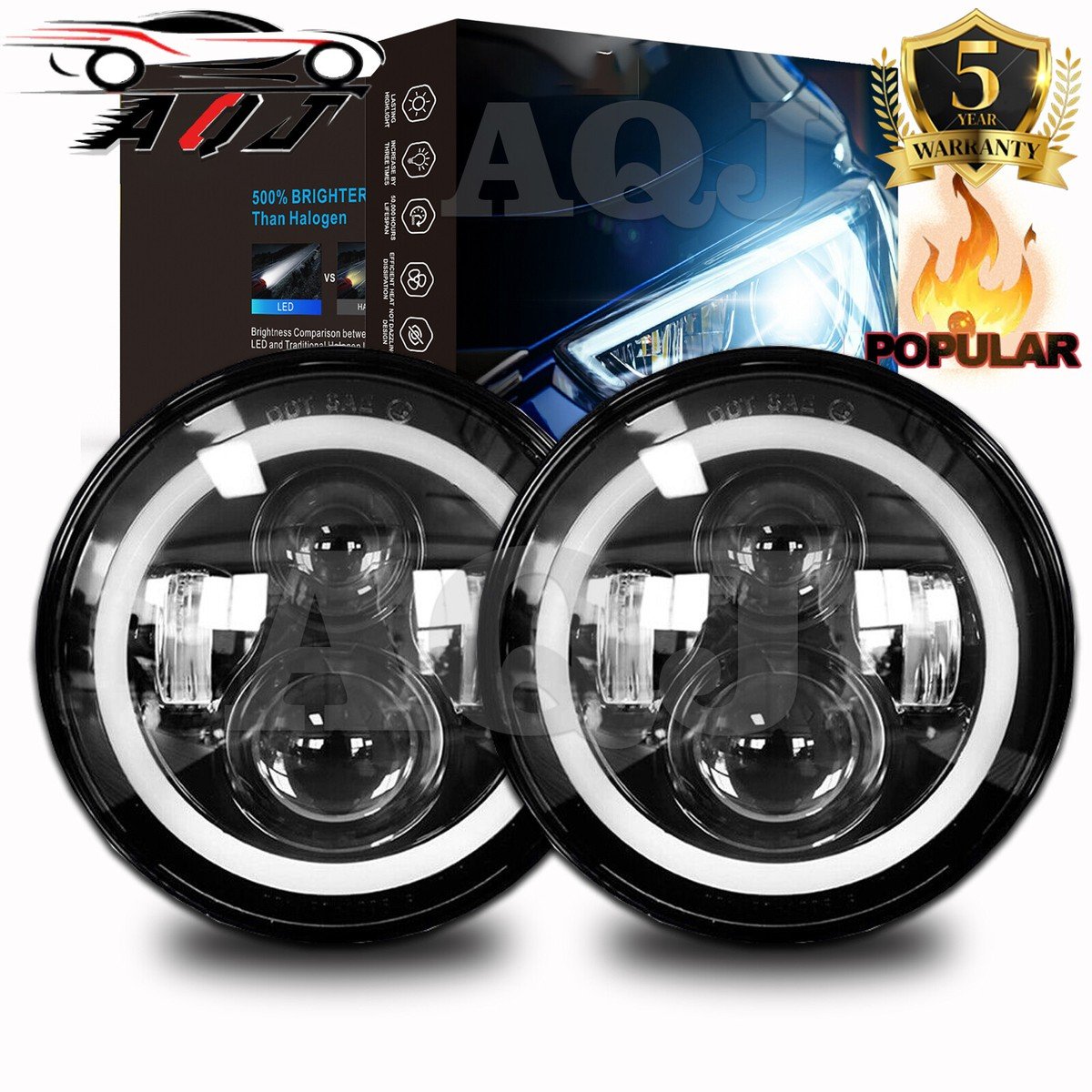
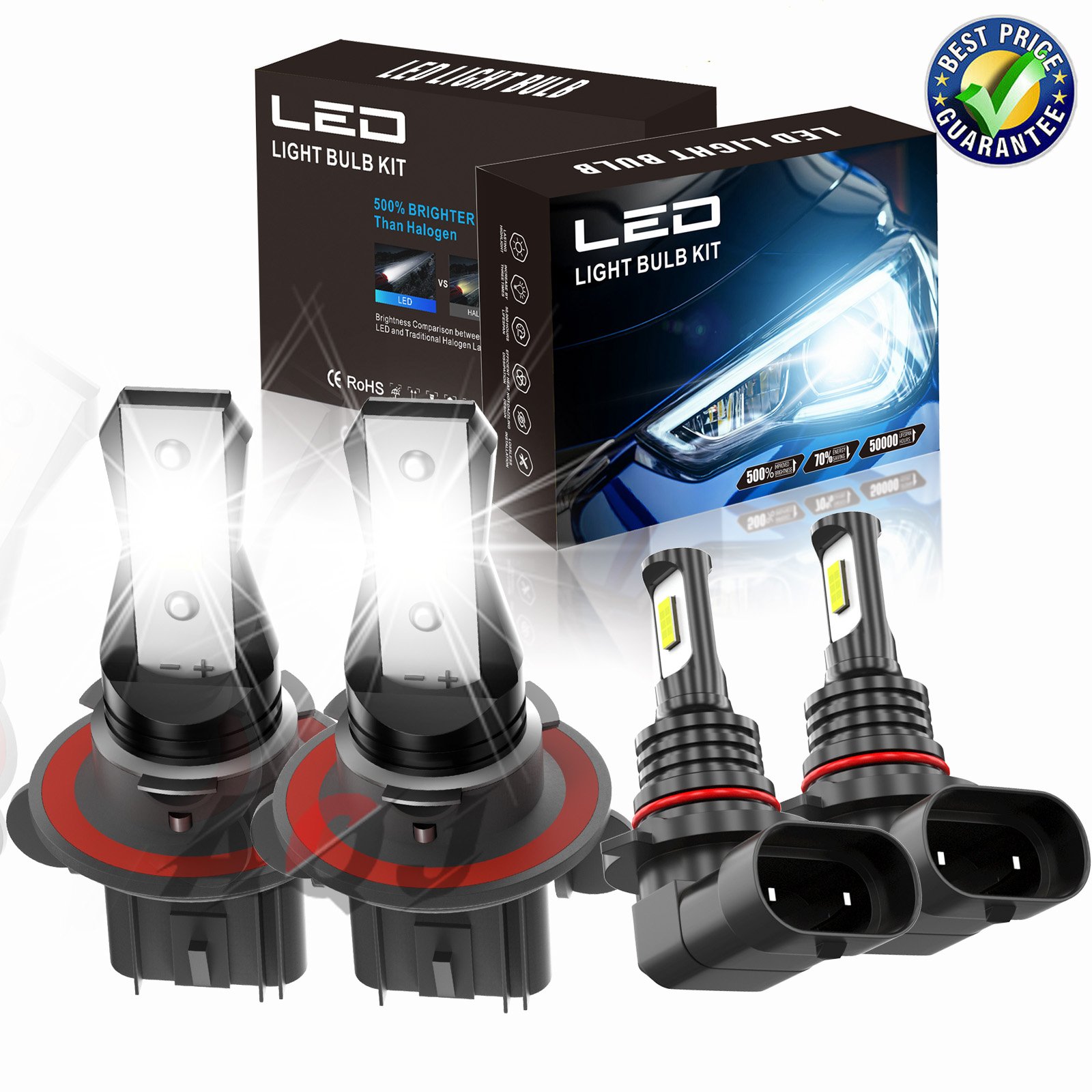
- LED: Brightest option with a crisp, white light. LEDs last much longer and use less power, but quality varies between brands.
Real-world Headlight Performance
Brightness on paper doesn’t always match what you see on the road. Let’s compare how each type performs in actual driving conditions.
| Type | Low Beam Range (Feet) | High Beam Range (Feet) | Visibility in Rain/Fog |
|---|---|---|---|
| Halogen | 150–200 | 300–350 | Good |
| HID | 200–250 | 400–500 | Average |
| LED | 250–300 | 500–600 | Poor–Average |
- Halogen lights penetrate fog and rain better because of their warm color.
- HID and LED lights are better for long, clear stretches but can reflect off moisture, making visibility harder in bad weather.
What To Look For When Upgrading
Choosing the right headlights is not just about maximum brightness. Here are key factors to consider:
- Beam Pattern: Good headlights should focus light on the road, not up into the sky or into other drivers’ eyes.
- Color Temperature: 4,300K (warm white) is best for fog and rain. 5,000–6,000K (cool white/blue) looks modern but can reflect more in poor weather.
- Compatibility: Some LED or HID kits need adapters or canbus modules for Jeeps. Check what fits your model.
- Legal Requirements: Some aftermarket lights are too bright for street use. Always verify they’re DOT-approved.
- Brand Quality: Not all LEDs are equal—cheap brands may have high lumen claims but poor reliability.
A common mistake is choosing the brightest bulb without considering the beam pattern. You want to see further, not just produce more glare.
Cost Vs. Performance
Upgrading headlights is an investment. Here’s a quick price and value comparison:
| Type | Typical Cost (Pair) | Installation Difficulty | Value for Money |
|---|---|---|---|
| Halogen | $20–$50 | Easy | Low |
| HID | $70–$200 | Medium | Moderate |
| LED | $80–$300 | Medium–Hard | High |
- Halogen is cheapest but needs frequent replacement.
- HID offers a strong upgrade for the price, but installation can be tricky.
- LED costs more upfront but rarely needs changing.
Non-obvious Insights For Jeep Owners
Many Jeep owners focus only on the headlights themselves, but wiring and reflector design play a huge role in real-world performance. Older Jeeps with corroded wiring may not get full power to new bulbs, reducing brightness. Also, the shape of your Jeep’s headlight housing affects how well the light is directed. A high-lumen LED in a poor reflector can perform worse than a good halogen in a well-designed housing.
Another overlooked detail is the warranty and support. Some LEDs offer five-year or even lifetime warranties. This can save you money in the long run, especially if you drive on rough terrain where vibrations can break lesser-quality bulbs.
Making The Best Choice For Your Jeep
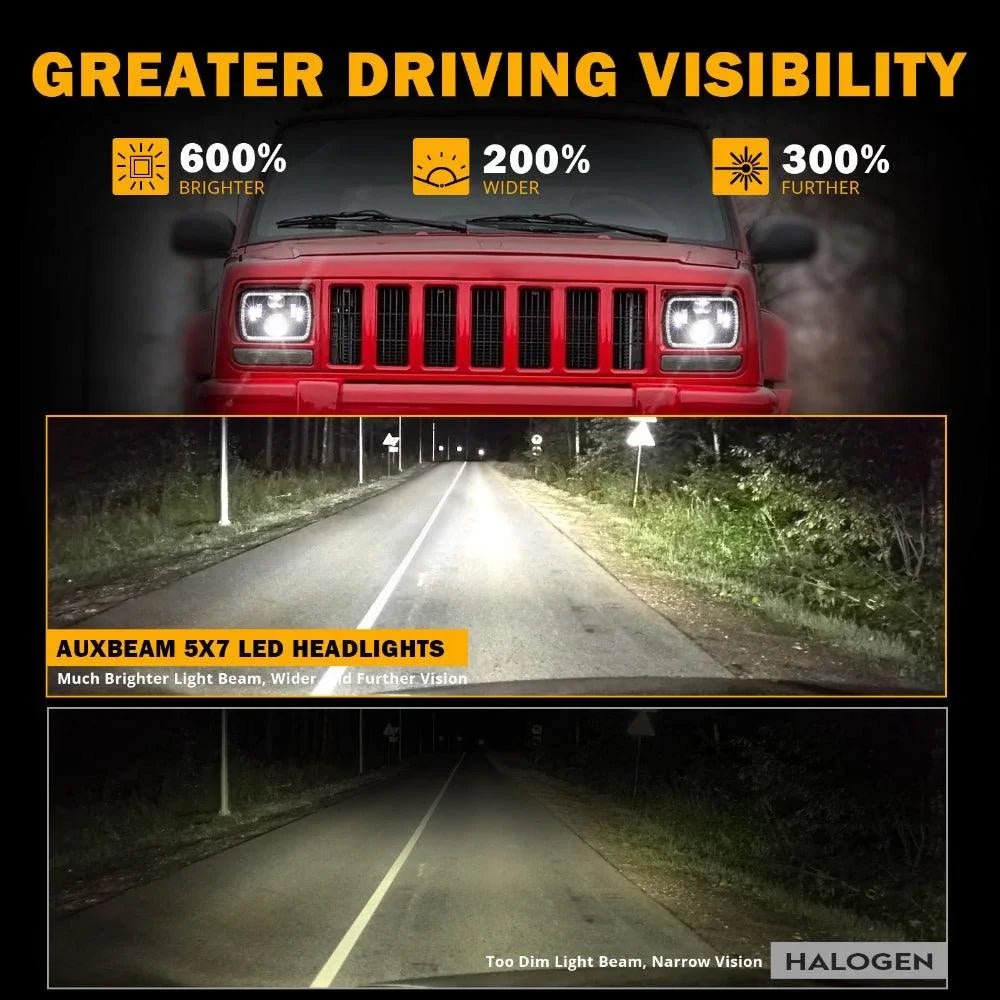
If you drive mostly in cities or well-lit areas, standard halogen headlights may be enough. For rural or off-road driving, LEDs offer the best brightness and lifespan, but make sure you choose a set that fits your Jeep’s housing and is street-legal. If you want a balance of brightness and cost, HID kits are a solid upgrade—just ensure professional installation to avoid glare issues.
Don’t forget to adjust your headlights after upgrading. Incorrect alignment is a common source of poor visibility and can cause accidents.
For more technical details on headlight technology, you can visit the Wikipedia Headlamp page.
Frequently Asked Questions
<!– wp:rank-math/faq-block {"questions":[{"id":"faq-question-288f5e24fbfc","title":"What Are Lumens, And Why Do They Matter For Jeep Headlights?","content":"Lumens measure how much visible light a headlight produces. Higher lumens mean a brighter headlight, but too much brightness can cause glare. Always balance lumens with a proper beam pattern for safe driving.
“,”visible”:true},{“id”:”faq-question-5e56fb83e2e0″,”title”:”Are Led Headlights Legal For All Jeeps?”,”content”:”Not all LED headlights are street-legal. Check if they are DOT-approved for your state and make sure they fit your Jeep model. Some states have strict rules about headlight brightness and color.
“,”visible”:true},{“id”:”faq-question-59df4eb02220″,”title”:”How Often Should I Upgrade My Jeep Headlights?”,”content”:”Upgrade when your current lights become dim, or if you want better visibility. Halogen bulbs usually last 1–2 years, while LEDs can last much longer—up to 10 years or more.
“,”visible”:true},{“id”:”faq-question-8ea957829bbd”,”title”:”Do Brighter Headlights Always Mean Better Visibility?”,”content”:”No, brighter does not always mean safer. Beam focus and light color are just as important. Poorly focused bright lights can reduce your ability to see and may blind other drivers.
“,”visible”:true},{“id”:”faq-question-aa109cec8ee0″,”title”:”Can I Install New Headlights Myself?”,”content”:”Yes, most Jeep owners can install halogen or LED bulbs with simple tools. HID kits may need extra wiring. Always follow the instructions and check alignment to avoid glare.
Your Jeep’s headlights are a vital safety feature. Taking time to compare brightness, beam pattern, and quality will help you see better and drive safer, wherever your adventure takes you.
“,”visible”:true}]} –>What Are Lumens, And Why Do They Matter For Jeep Headlights?
Lumens measure how much visible light a headlight produces. Higher lumens mean a brighter headlight, but too much brightness can cause glare. Always balance lumens with a proper beam pattern for safe driving.
Are Led Headlights Legal For All Jeeps?
Not all LED headlights are street-legal. Check if they are DOT-approved for your state and make sure they fit your Jeep model. Some states have strict rules about headlight brightness and color.
How Often Should I Upgrade My Jeep Headlights?
Upgrade when your current lights become dim, or if you want better visibility. Halogen bulbs usually last 1–2 years, while LEDs can last much longer—up to 10 years or more.
Do Brighter Headlights Always Mean Better Visibility?
No, brighter does not always mean safer. Beam focus and light color are just as important. Poorly focused bright lights can reduce your ability to see and may blind other drivers.
Can I Install New Headlights Myself?
Yes, most Jeep owners can install halogen or LED bulbs with simple tools. HID kits may need extra wiring. Always follow the instructions and check alignment to avoid glare.
Your Jeep’s headlights are a vital safety feature. Taking time to compare brightness, beam pattern, and quality will help you see better and drive safer, wherever your adventure takes you.