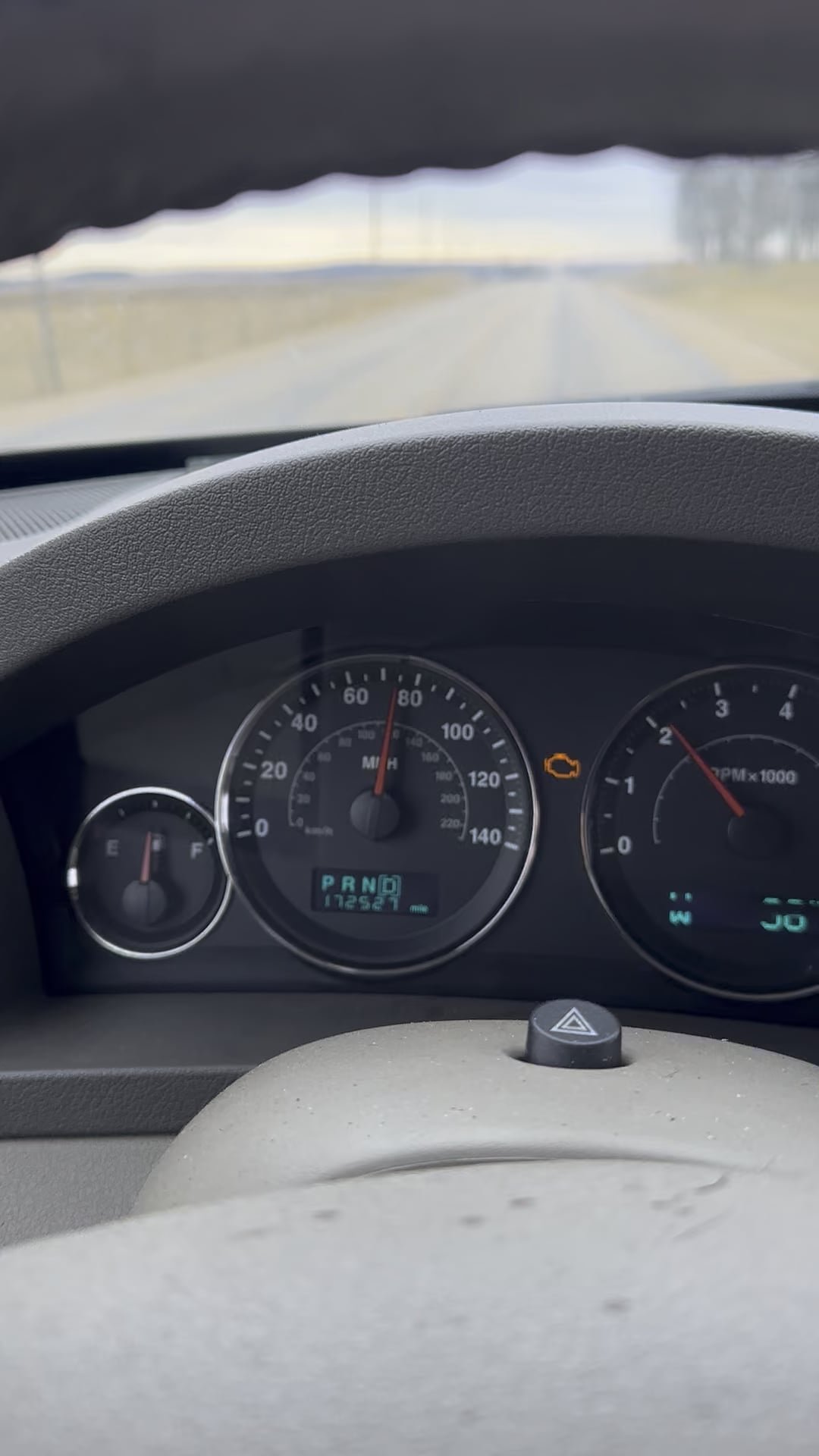
If you drive a Jeep Grand Cherokee and hear a whining noise when you accelerate, it can be worrying. Some owners notice this sound only when speeding up, while others hear it constantly.
A whining noise is more than just an annoyance—it can signal a problem with your vehicle. Understanding what causes this sound and knowing how to respond can save you time, money, and stress.
Common Causes Of Whining Noise When Accelerating
A whining noise during acceleration usually means something is not working smoothly. Here are the most frequent causes for Jeep Grand Cherokee owners:
- Transmission Issues: A common source of whining is the automatic transmission. If fluid is low or old, or if the transmission is wearing out, you might hear a high-pitched sound, especially when shifting gears or accelerating.
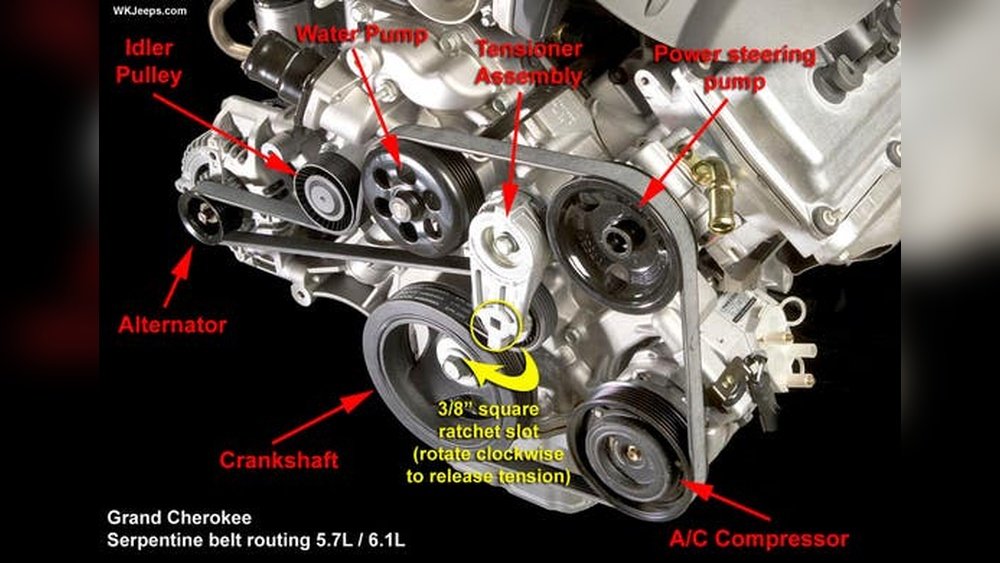
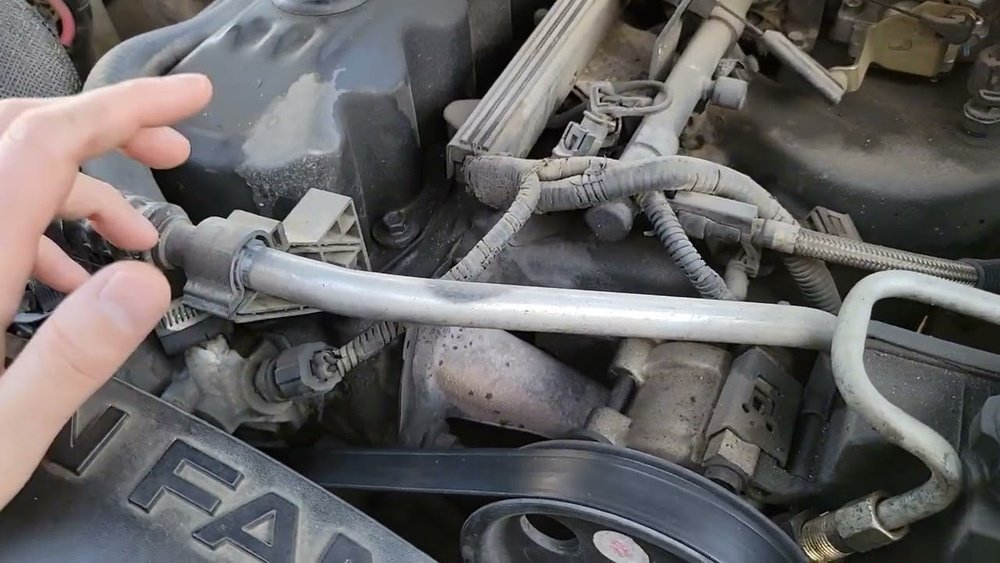
- Power Steering Problems: When your power steering fluid is low or the pump is failing, it can create a whining noise that gets louder as you turn the wheel or speed up.
- Differential Concerns: The differential helps your wheels turn at different speeds. If gears or bearings wear out, you may hear a whining or howling sound that increases with speed.
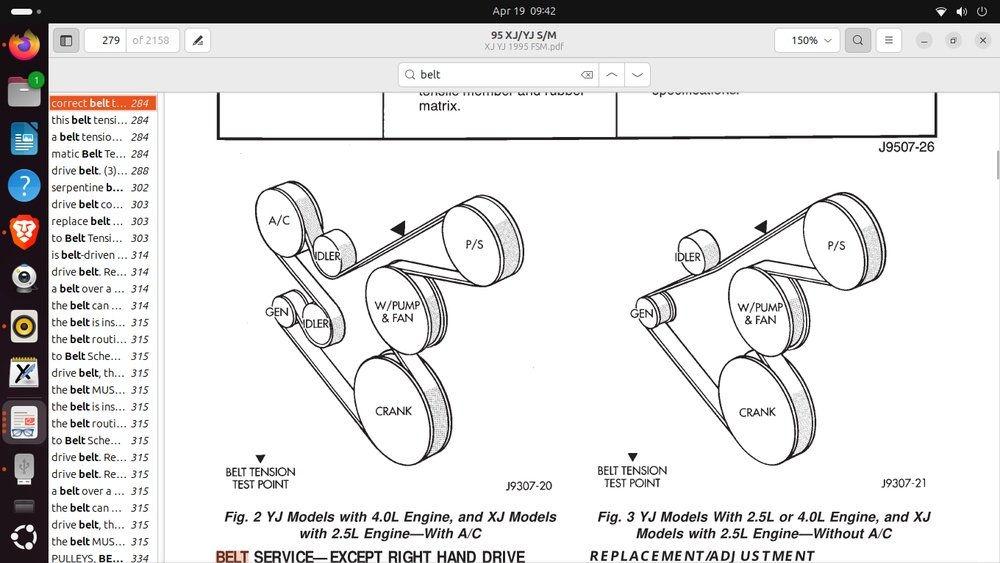
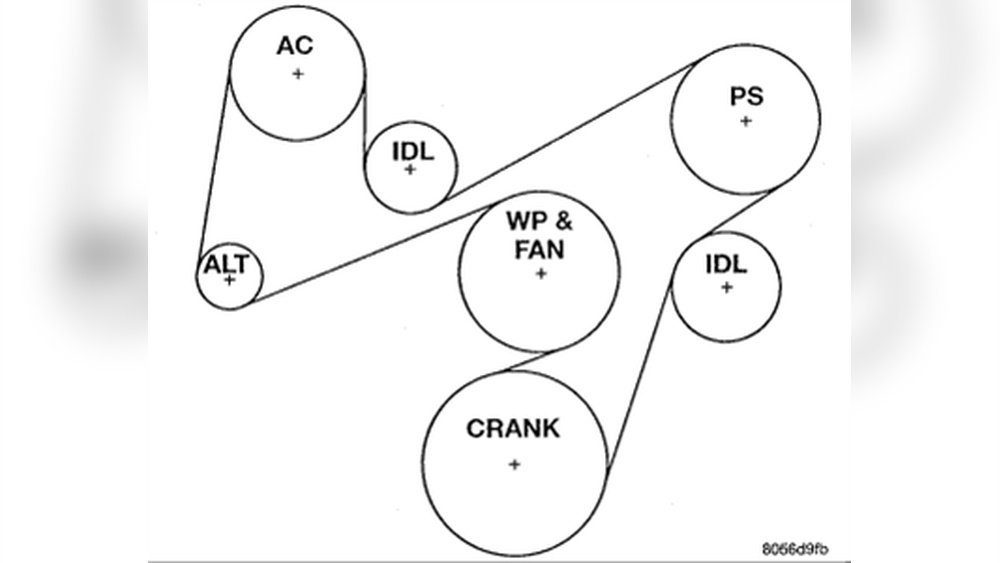
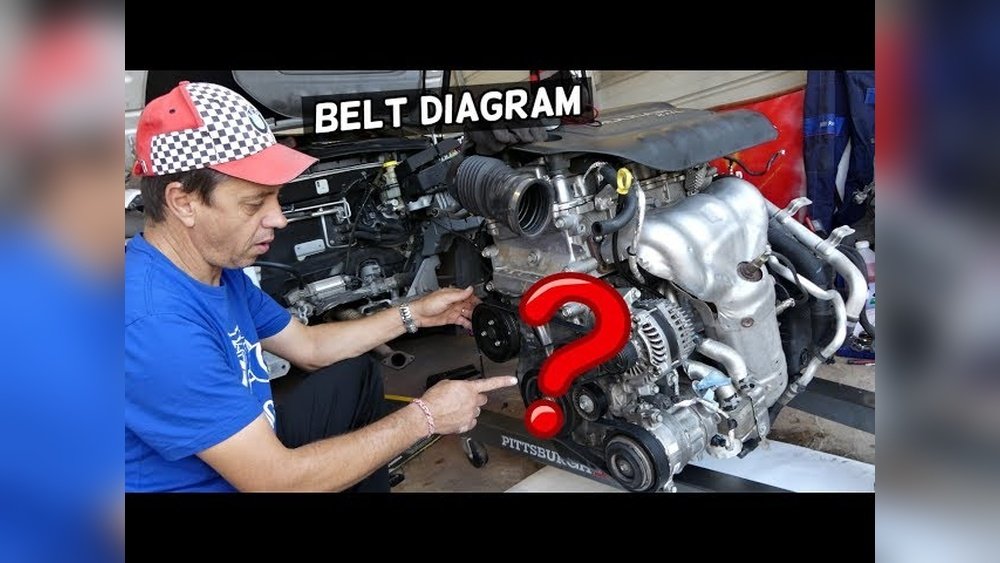
- Serpentine Belt and Pulleys: A loose or damaged belt, or faulty pulleys, can make a whining or squealing noise that rises with engine speed.
- Wheel Bearings: Worn-out wheel bearings sometimes create a whining or humming sound that changes as you accelerate or turn.
- Alternator Issues: If the alternator’s internal bearings are failing, it can produce a steady whining sound, especially when you press the gas.
- Vacuum Leaks: Sometimes, a vacuum leak can make a whistling or whining sound, though this is usually quieter and more constant.
Many drivers confuse these sounds. If the noise changes with your engine RPM (not speed), the issue is probably under the hood.
If it changes with road speed, it’s likely related to the wheels or drivetrain.
How To Identify The Source
Finding out where the sound is coming from is the first step to fixing it. Use these steps to narrow down the cause:
- Listen carefully: Is the noise present only when accelerating, or all the time?
- Note the pitch: Does the sound rise as you press the gas or as you go faster?
- Turn the wheel: If the whining gets louder when turning, check the power steering.
- Inspect under the hood: Open the hood while the engine is running (in Park). Listen for sounds from belts, pulleys, or the alternator.
Here’s a quick comparison of common causes and symptoms:
| Possible Cause | Noise Pattern | Check First |
|---|---|---|
| Transmission | Whine on acceleration, shifting | Transmission fluid level |
| Power Steering | Whine, louder when turning | Power steering fluid |
| Serpentine Belt | Squeal/whine with engine RPM | Belt condition, tension |
Two insights many drivers miss: First, a failing alternator or water pump can make noises similar to the transmission. Second, using the wrong type of fluid (for transmission or power steering) can cause whining and damage.
Diagnosing And Fixing The Issue
Once you have an idea of the problem, you can take action. Here’s how to approach the most common fixes:
Transmission
Check the transmission fluid level and color. Low or burnt fluid can cause whining and shifting issues. If the fluid is dark or smells burnt, have it changed. Replacing the transmission filter and fluid every 30,000–60,000 miles can help avoid problems.
Power Steering
Inspect the power steering fluid level and condition. If it’s low, top it up with the correct type. Leaks are common near hoses and the pump. If the noise continues after adding fluid, the pump may need replacement.
Belts And Pulleys
Look at the serpentine belt for cracks or damage. Spin each pulley by hand with the engine off to check for roughness or resistance. A worn or noisy pulley should be replaced.
Differential And Wheel Bearings
Lift the vehicle safely and spin the wheels by hand. Listen for grinding or whining.
If a wheel bearing is bad, you’ll also feel play when you rock the wheel. Differential noise often comes from the rear and requires checking fluid level and gear condition.
Here’s a basic repair cost comparison:
| Component | DIY Cost | Shop Cost |
|---|---|---|
| Transmission Fluid Change | $50–$120 | $150–$250 |
| Power Steering Pump | $80–$180 | $300–$600 |
| Serpentine Belt | $30–$60 | $100–$180 |
| Wheel Bearing | $60–$120 | $250–$400 |
Remember, some repairs like transmission or differential work are not recommended for beginners.
When To See A Mechanic
If you’re not sure about the source, or if the noise gets worse quickly, see a certified mechanic. Delaying repairs can lead to more expensive damage, especially with the transmission or differential.
For newer Jeep Grand Cherokees still under warranty, visit your dealer for diagnosis. Keeping records of noises and when they occur can help your mechanic find the problem faster.

Preventing Whining Noises
Regular maintenance is your best defense. Use the right fluids, check levels often, and replace belts and pulleys when needed.
Don’t ignore warning signs catching problems early saves money.
Here’s a helpful maintenance schedule:
| Item | Interval |
|---|---|
| Transmission Fluid | 30,000–60,000 miles |
| Power Steering Fluid | 30,000 miles or as needed |
| Serpentine Belt | 60,000–100,000 miles |
| Wheel Bearings | Inspect every 30,000 miles |
Many owners find that regular checks avoid surprise breakdowns. Using the maintenance schedule in your owner’s manual is key.
Frequently Asked Questions
What Does It Mean If My Jeep Grand Cherokee Only Whines During Acceleration?
A whining noise only during acceleration often points to the transmission, differential, or serpentine belt. If the sound increases with RPM and not with speed, it’s likely a belt or accessory.
Can I Keep Driving With A Whining Noise?
It’s best to diagnose and fix the noise soon. Driving with a damaged transmission or low fluid can cause expensive repairs. If the noise is loud or gets worse, avoid driving.
Does Changing Transmission Fluid Stop Whining?
If the noise is due to old or low fluid, a fluid change may help. However, if internal parts are worn, fluid alone may not solve the problem.
How Much Does It Cost To Fix Whining In A Jeep Grand Cherokee?
Repair costs vary. Transmission work can range from a few hundred to several thousand dollars. Simpler fixes like a belt replacement cost less. Get a diagnosis to avoid guessing.
Where Can I Find More Information About Jeep Grand Cherokee Maintenance?
You can learn more from the official Jeep Owner’s website. It offers guides, maintenance tips, and service information.
A whining noise in your Jeep Grand Cherokee should never be ignored. With careful listening, regular checks, and timely repairs, you’ll keep your SUV reliable and safe for years to come.