The Jeep Grand Cherokee is known for its strong performance and off-road ability. But what keeps this SUV smooth and reliable is not just the engine—it’s also the transmission system. The transmission oil, sometimes called transmission fluid, is vital for making gear shifts easy, protecting moving parts, and keeping your Jeep running for many years. Understanding how transmission oil works, when to change it, and how to check it can save you from expensive repairs and keep your driving experience enjoyable.
What Is Transmission Oil And Why Does It Matter?
Transmission oil is a special fluid that lubricates the gears and moving parts inside your vehicle’s transmission. In the Jeep Grand Cherokee, the transmission system is complex, especially in models with automatic transmissions. The oil plays four main roles:
- Lubrication: Reduces friction and wear.
- Cooling: Draws heat away from moving parts.
- Cleaning: Removes dirt and metal particles.
- Hydraulics: Helps with gear changes in automatic transmissions.
Without the right type and amount of transmission oil, you may notice rough gear shifts, strange noises, or even total transmission failure.
Types Of Transmission Oil For Jeep Grand Cherokee
Not all transmission oils are the same. The right oil depends on your Grand Cherokee’s model year and the type of transmission.
| Model Year | Transmission Type | Recommended Oil |
|---|---|---|
| 2011-2021 | 8-Speed Automatic | Mopar ZF 8&9 Speed ATF |
| 2005-2010 | 5-Speed Automatic | ATF+4 |
| Older Models | 4-Speed Automatic | ATF+4 / Dexron III |
Always check your owner’s manual for the correct specification. Using the wrong oil can cause serious damage.

How Often Should You Change Transmission Oil?
Changing transmission oil is not the same as changing engine oil. Jeep recommends different intervals based on driving conditions.
| Condition | Change Interval |
|---|---|
| Normal Driving | 60,000 miles |
| Towing/Off-Road | 30,000 miles |
| Extreme Heat/Cold | 30,000-40,000 miles |
Some newer Grand Cherokees have “lifetime” transmission fluid, but even then, many experts suggest regular changes for better performance.
Tip: If you see dark or burnt-smelling oil on the dipstick, it’s time to change it—even if you haven’t reached the mileage limit.
How To Check And Replace Transmission Oil
Checking transmission oil in a Jeep Grand Cherokee is a simple process, but many owners overlook it.
Checking The Oil Level
- Park on a level surface and warm up the engine.
- Shift through all gears, then leave the gear in Park.
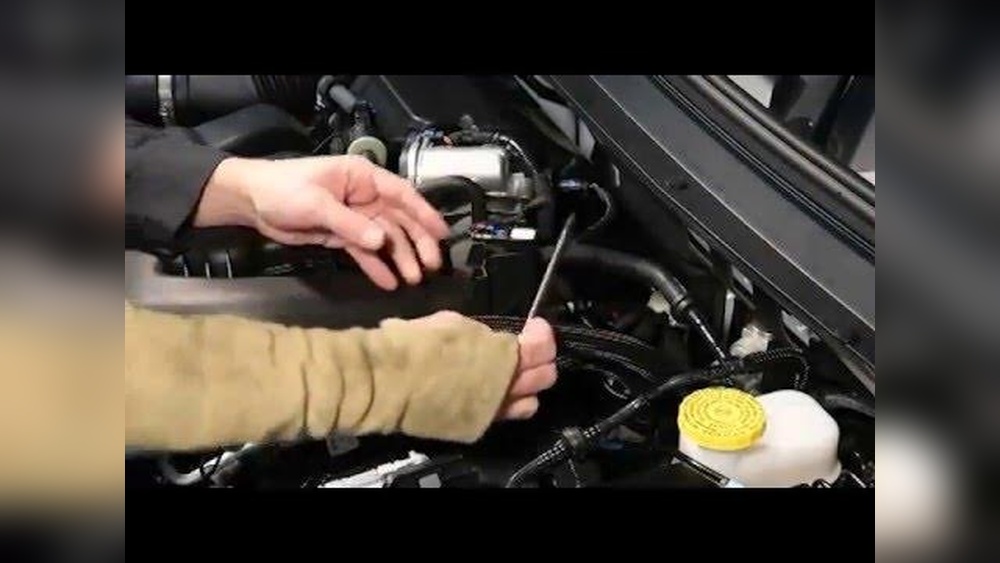
- Open the hood and locate the transmission dipstick (if equipped).
- Wipe the dipstick, reinsert it, then pull it out again.
- Check the oil level and color. It should be pinkish and clear.
Many new models do not have a dipstick. In this case, you need a special tool or must visit a mechanic.
Replacing Transmission Oil
If you’re comfortable with DIY car care, you can change the oil yourself. Otherwise, a mechanic can do it quickly.
Steps for a typical change:
- Lift the vehicle safely.
- Remove the transmission oil pan.
- Drain the old oil completely.
- Replace the filter and pan gasket.
- Add new recommended oil.
- Check the level after driving briefly.
Common mistake: Forgetting to replace the filter or using the wrong oil type can lead to poor shifting or damage.

Signs Your Transmission Oil Needs Attention
Catching problems early prevents bigger issues. Watch for these signs:
- Rough or delayed shifting
- Transmission slipping
- Grinding or whining noises
- Leaking fluid under the car
- Warning lights on the dashboard
Ignoring these symptoms can lead to costly repairs, sometimes over $3,000 for a complete transmission rebuild.
Diy Or Professional Service?
While some Jeep Grand Cherokee owners change their transmission oil at home, others prefer a certified mechanic. Here’s a quick comparison to help you decide:
| DIY | Professional Service |
|---|---|
| Lower cost More control Learning experience | Correct oil & tools Warranty No mess or risk |
| Risk of mistakes May need special tools | Higher price Time in shop |
Newer Grand Cherokees often require special tools, so unless you have experience, a professional service is usually safer.

Two Insights Most Owners Miss
- Transmission oil coolers matter: Some Grand Cherokees, especially those used for towing, have extra coolers. These help the oil last longer, but you still need to check and change the fluid more often when towing heavy loads.
- Software updates can affect shifting: If you notice new shifting problems after a fluid change, ask your dealer about transmission software updates. Sometimes the issue is not just mechanical.
Practical Tips For Longevity
- Always use the recommended oil type and amount.
- Keep an eye on any leaks or puddles under your Jeep.
- Change oil more often if you drive in tough conditions.
- Don’t ignore warning lights—even if the vehicle still drives fine.
- Save your service records; they help when selling your Jeep.
Frequently Asked Questions
What Type Of Transmission Oil Does My Jeep Grand Cherokee Use?
Check your owner’s manual for your specific model year. Most 2011+ models with 8-speed use Mopar ZF 8&9 Speed ATF, while older ones may use ATF+4.
How Can I Tell If My Transmission Oil Is Bad?
Look for dark color, burnt smell, or particles in the oil. If your Jeep shifts roughly or you see leaks, it’s time for service.
Is It Safe To Flush The Transmission Oil?
A flush can be safe if done right and on schedule. However, flushing old, dirty oil in a neglected transmission can sometimes cause problems. Consult your mechanic first.
Can I Change The Transmission Oil Myself?
Yes, for older models, if you have basic tools and follow steps carefully. Newer models often need special tools and knowledge, so professional service is safer.
How Much Does It Cost To Change Jeep Grand Cherokee Transmission Oil?
Typically, a shop charges $200–$400 for a change, depending on model and location. DIY costs are lower, mainly for oil and a filter.
Taking care of your Jeep Grand Cherokee’s transmission oil is a simple way to protect your investment and enjoy years of smooth driving. For more details, visit the official Jeep Maintenance Guide.