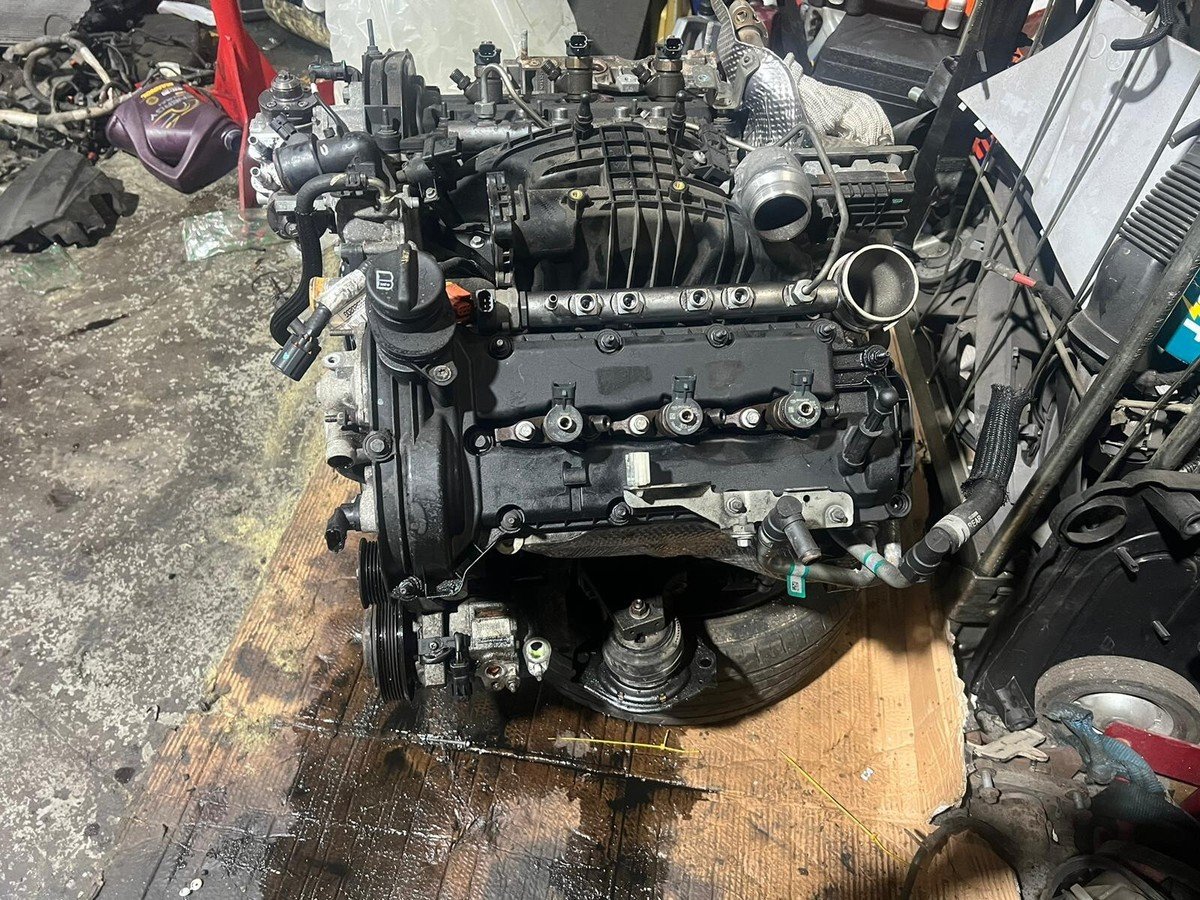
The Jeep Grand Cherokee Diesel has drawn attention for its mix of rugged appeal and efficient performance. Many drivers have chosen the diesel version, hoping for strong torque and better fuel economy. But while the diesel model offers unique benefits, it has also faced several reliability challenges over the years. If you’re considering buying one, or already own it, understanding these common issues can save you time, money, and frustration.
Common Jeep Grand Cherokee Diesel Problems
Every vehicle has its weak spots, but the Grand Cherokee Diesel stands out for some issues that appear more often than others. Here’s a closer look at the most frequent trouble areas.
1. Diesel Exhaust Fluid (def) System Failures
Many owners report trouble with the DEF system. This system is required for emissions control. Common problems include:
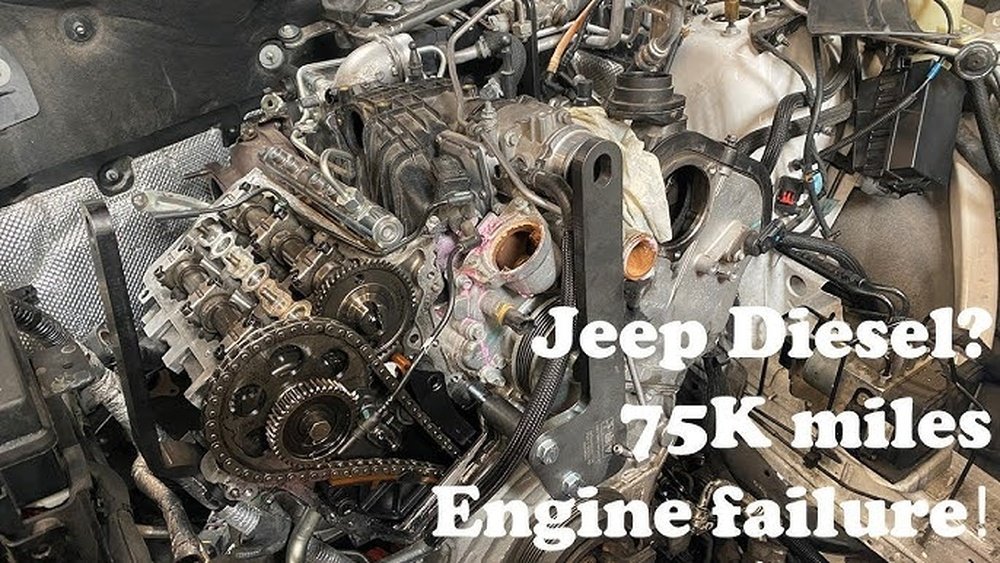
- DEF pump failure: This can trigger the “Service DEF System” warning and limit vehicle speed.
- Crystallization in DEF injector: DEF can form crystals and clog the injector, reducing performance.
A failed DEF system can mean expensive repairs and even leave you stranded. Regular maintenance and using quality DEF fluid can lower the risk.
2. Exhaust Gas Recirculation (egr) Valve Issues
The EGR valve helps reduce emissions but is prone to carbon buildup. Over time, this can cause:
- Engine hesitation
- Rough idling
- Reduced fuel economy
Symptoms often appear after 60,000 miles. Cleaning or replacing the EGR valve is sometimes necessary.
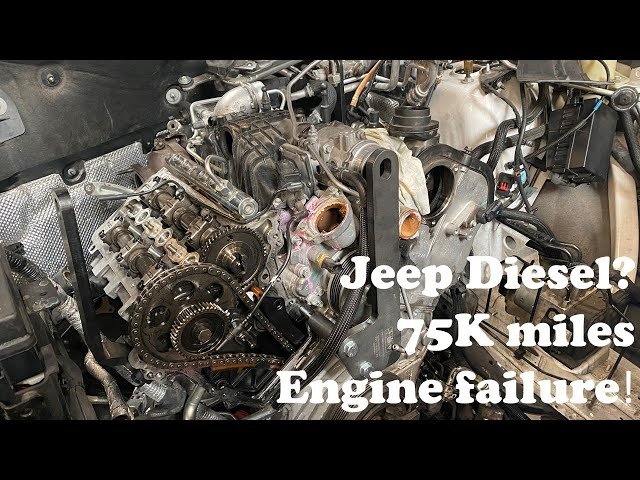
3. Turbocharger Problems
The diesel model’s turbocharger delivers power and efficiency, but it’s a known weak point. Common signs of failure include:
- Whining noises
- Loss of power
- Excessive smoke
Turbo repairs can be costly, with replacements ranging from $1,500 to $3,000.
4. Fuel System Complications
High-pressure fuel pumps and injectors in these engines are sensitive to fuel quality. Dirty or contaminated diesel can lead to:
- Hard starting
- Misfires
- Engine stalling
Using high-quality fuel and changing filters regularly is critical.
5. Diesel Particulate Filter (dpf) Clogging
The DPF traps soot particles, but short city drives often prevent it from cleaning itself. Clogged DPFs cause:
- Warning lights
- Loss of power
- Increased fuel usage
Occasional highway driving helps clear the filter.
Model Year Reliability: What Data Shows
Reliability can vary a lot between different model years. Here’s a quick comparison of three popular Grand Cherokee Diesel years.
| Model Year | Reported Diesel Issues | Owner Satisfaction (out of 5) |
|---|---|---|
| 2014 | High (DEF, EGR, DPF) | 3.1 |
| 2016 | Medium (DEF, Turbo) | 3.5 |
| 2018 | Low (Minor DEF) | 4.0 |
Insight: Newer models tend to have fewer major issues, but even later years are not immune, especially if maintenance is skipped.
Maintenance And Repair Costs
Before buying or repairing a Jeep Grand Cherokee Diesel, it’s smart to understand typical costs.
| Component | Common Issue | Average Repair Cost |
|---|---|---|
| DEF System | Pump Failure | $1,000 – $2,000 |
| Turbocharger | Wear/Failure | $1,500 – $3,000 |
| EGR Valve | Carbon Buildup | $600 – $1,200 |
| DPF | Clogging | $1,000 – $2,500 |
Many repairs are above average compared to gasoline SUVs. Extended warranties can help, but not all issues are covered.
How To Minimize Diesel Issues
Owning a diesel Grand Cherokee doesn’t have to be stressful. Here’s how you can reduce problems and keep your SUV running smoothly:
- Use high-quality diesel fuel: Poor fuel can damage sensitive parts.
- Follow the maintenance schedule: Don’t skip oil changes, filter replacements, or system checks.
- Drive longer distances sometimes: Short trips increase DPF and EGR problems.
- Monitor warning lights: Address issues early to prevent bigger repairs.
- Update software: Jeep often releases updates that improve reliability.
Pro tip: Many owners overlook the impact of driving style. Gentle acceleration and avoiding heavy towing can extend component life.

Comparing Diesel Vs Gasoline Grand Cherokee
Is the diesel worth it compared to the gasoline models? Here’s a simple comparison to help you decide.
| Feature | Diesel | Gasoline |
|---|---|---|
| Fuel Economy (mpg) | 22-30 | 17-26 |
| Towing Capacity (lbs) | 7,200 | 6,200 |
| Repair Costs | Higher | Lower |
| Emissions Equipment | Complex | Simpler |
Non-obvious insight: If you rarely tow or drive long distances, a gasoline Grand Cherokee may be less hassle and cheaper in the long run.
Real-world Owner Experiences
Many Jeep Grand Cherokee Diesel owners appreciate the SUV’s strong torque, smooth highway rides, and towing capacity. However, forums and surveys show frustration over warning lights and surprise repair bills, especially on older models.
Some owners found that extended idle times (like waiting in traffic) made emissions problems worse. Others share that frequent highway driving greatly reduced their issues—an important tip for urban drivers.
When To Avoid The Diesel Model
While the diesel model fits some drivers well, it’s not ideal for everyone. You might want to avoid it if:
- You do mostly short, city trips
- You plan to keep the SUV past 100,000 miles without a warranty
- You want the lowest possible long-term costs
In these cases, a gasoline or hybrid Grand Cherokee will likely be a better fit.
Frequently Asked Questions
What Years Of The Jeep Grand Cherokee Diesel Have The Most Problems?
The 2014 and 2015 models are known for higher rates of DEF and EGR issues. Later years, like 2018, tend to be more reliable, but regular maintenance is key for all.
How Often Should The Dpf Be Cleaned Or Replaced?
The DPF usually self-cleans on highway drives. Manual cleaning or replacement is only needed if warning lights appear or power drops. Most filters last over 100,000 miles with proper driving.
Can I Use Any Type Of Diesel Fuel?
It’s best to use ultra-low sulfur diesel from trusted brands. Poor-quality fuel can damage injectors and pumps, causing expensive repairs.
Is The Diesel Grand Cherokee Good For Towing?
Yes, the diesel version offers higher towing capacity than gasoline models—up to 7,200 lbs. It’s a good choice if you often pull trailers or boats.
Where Can I Learn More About Jeep Diesel Emissions Systems?
The EPA has detailed information on diesel emissions and recalls. For further reading, see the Jeep Grand Cherokee Wikipedia page.
The Jeep Grand Cherokee Diesel offers unique benefits, but also demands careful ownership. Knowing the common issues and how to prevent them can help you enjoy the SUV’s strengths while avoiding its biggest pitfalls.