If you own a Jeep Compass, knowing how to check and maintain your transmission fluid is vital for the health of your vehicle. One key step is finding the transmission dipstick. But if you’ve popped the hood on a newer Compass, you may have noticed something missing: there’s no traditional transmission dipstick in sight. This can be confusing, especially if you’re used to older vehicles. Let’s explore where the dipstick is (or isn’t), how to check your transmission fluid, and important tips every Compass owner should know.
Why The Transmission Dipstick Matters
The transmission dipstick lets you check fluid level and quality. Healthy fluid keeps your transmission running smoothly and helps prevent costly repairs. Low or dirty fluid can cause shifting problems, overheating, or transmission failure. That’s why knowing the dipstick’s location—or alternative methods for checking fluid—is essential.
Jeep Compass Transmission Dipstick Location
The location of the transmission dipstick depends on the model year and transmission type.
1. 2017 And Newer Jeep Compass Models
Most Jeep Compass models from 2017 onwards use a sealed transmission system. This means:
- No traditional dipstick under the hood.
- Fluid checks and changes are meant to be done by a professional.
- The transmission may have a sealed cap, often marked “dealer use only.”
The logic behind this design is to reduce user error and prevent overfilling. However, it makes DIY checks harder.
2. 2007–2016 Jeep Compass Models
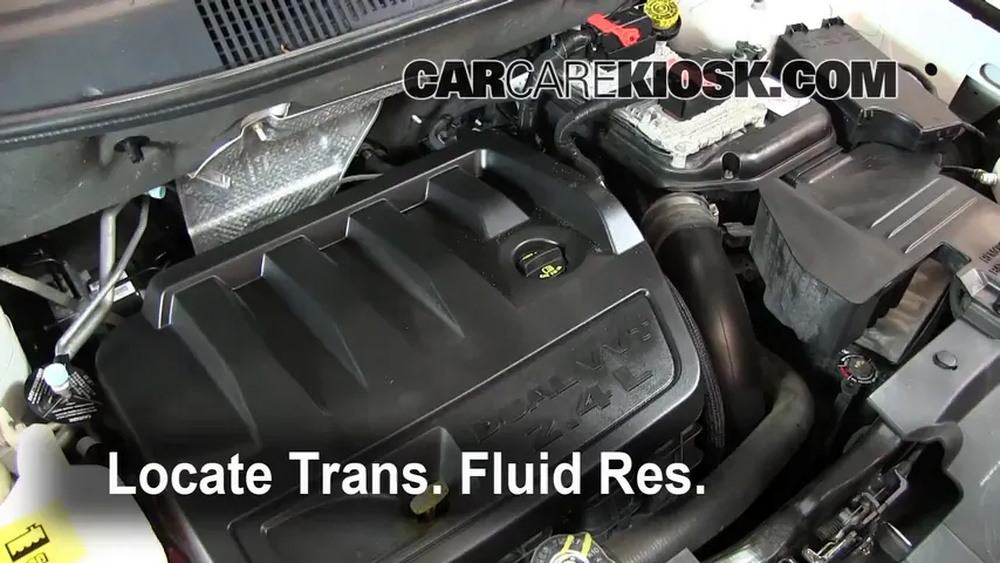
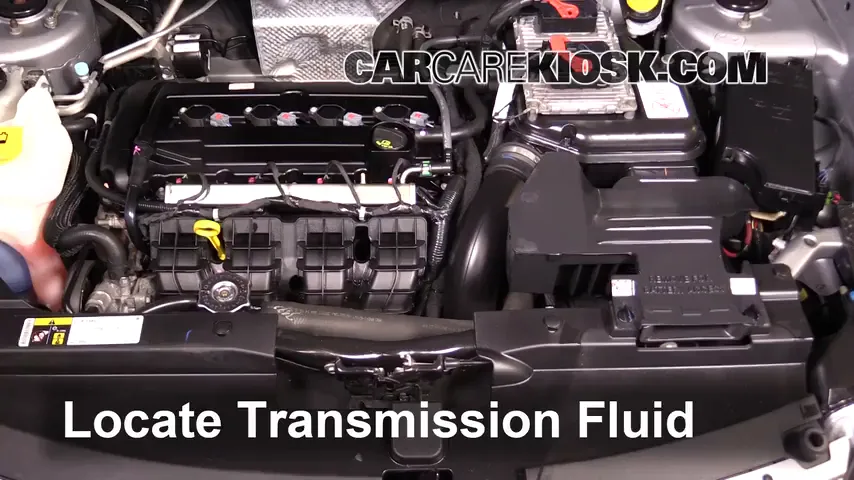
Older Compass models often use a CVT (continuously variable transmission) or a 6-speed automatic. These may have a transmission dipstick, but it’s not always easy to spot:
- Look near the back of the engine, towards the firewall.
- The dipstick handle is usually yellow or red.
- Some models use a special “service tool” dipstick—this means there’s a tube but no dipstick inside. Mechanics use a tool to measure fluid.
3. Location Overview Table
Here’s a quick comparison of dipstick locations across Compass model years:
| Model Year | Transmission Type | Dipstick Location | User Accessible? |
|---|---|---|---|
| 2007-2016 | CVT / 6-speed Auto | Rear of engine, near firewall | Yes (sometimes tool needed) |
| 2017+ | 6/9-speed Auto (sealed) | No dipstick | No |
How To Check Transmission Fluid In A Jeep Compass
The process depends on whether your Compass has a dipstick.
For Models With A Dipstick (2007–2016)
- Park on level ground and set the parking brake.
- Start the engine and let it idle until warm.
- With the engine running, shift through all gears, then return to Park.
- Open the hood and locate the transmission dipstick.
- Pull out the dipstick, wipe it clean, reinsert, then remove again.
- Check fluid level and color. Fluid should be pink/red and clear.
- If low, add the correct type through the dipstick tube.
For Models Without A Dipstick (2017+)
- There’s no user-accessible dipstick.
- Fluid level is checked from underneath the vehicle by removing a special fill/check plug.
- This process requires:
- Vehicle lifted safely
- Special tools
- Knowledge of correct fluid temperature
- It is strongly advised to have a certified mechanic perform this check.
Transmission Fluid Check Comparison
Here’s a side-by-side look at checking fluid in different Compass models:
| Model Year | Tools Needed | User Difficulty | Recommended For DIY? |
|---|---|---|---|
| 2007-2016 | Rag, funnel, sometimes special dipstick | Easy to Moderate | Yes (with care) |
| 2017+ | Lift, scanner, fill plug tool | Hard | No |
Common Mistakes When Checking Jeep Compass Transmission Fluid
Many Jeep owners make avoidable errors when dealing with transmission fluid. Here are some to avoid:
- Checking on a cold engine: Always check with a warm engine for accuracy.
- Using the wrong fluid: Only use the fluid specified in your owner’s manual.
- Overfilling: Too much fluid is as bad as too little.
- Ignoring service intervals: Skipping changes can damage the transmission.
- Forcing the dipstick: Some models have tight or hidden tubes—forcing can break parts.
Why Jeep Switched To Sealed Transmissions
You might wonder why newer Compasses dropped the dipstick. The main reasons:
- Reduced maintenance: Fewer user checks mean fewer mistakes.
- Longer fluid life: Modern transmissions often use synthetic fluids.
- Better reliability: Keeping untrained hands out can help prevent damage.
- Environmental concerns: Less risk of spills or contamination.
But, a sealed system does not mean "lifetime fluid. " Professional service is still required usually every 60,000 100,000 miles, depending on driving conditions.
Tips For Jeep Compass Owners
If you want your Compass transmission to last:
- Schedule regular fluid checks with a trusted mechanic.
- Watch for warning signs: Slipping, rough shifting, or delayed engagement.
- Keep service records. This helps with warranty claims and resale value.
- Ask your service center if they use the correct fluid and procedure.
- Don’t ignore small leaks. Even sealed transmissions can develop leaks over time.
Many drivers don’t realize that transmission fluid color is a big clue to its health. Brown or burnt-smelling fluid is a sign of trouble.
When To Seek Professional Help
If you notice any of these issues, see a mechanic soon:
- Transmission warning light on the dash
- Fluid under your car (red or brown puddle)
- Grinding, whining, or odd noises when shifting
- Car won’t move smoothly between gears
Delaying repairs can lead to far more expensive transmission damage.
Additional Resources
For more detailed information about Jeep Compass transmissions and maintenance, you can visit the official Jeep website.
Frequently Asked Questions
Where Is The Transmission Dipstick On A 2020 Jeep Compass?
There is no traditional dipstick on a 2020 Compass. The transmission is sealed, and fluid checks are done by a mechanic from underneath the vehicle.
Can I Add Transmission Fluid Myself To A Jeep Compass?
You can only add fluid yourself on older models (2007 2016) with a dipstick. For 2017 and newer models, it’s best to let a professional handle it due to the sealed system.
What Type Of Transmission Fluid Does A Jeep Compass Use?
The type depends on the transmission. Always check your owner’s manual. Using the wrong fluid can cause major issues.
How Often Should Transmission Fluid Be Changed?
For most Jeep Compass models, every 60,000–100,000 miles is recommended. Harsh driving conditions may require more frequent changes.
What Should I Do If My Jeep Compass Is Shifting Roughly?
Rough shifting can mean low or dirty transmission fluid, or mechanical problems. Have your vehicle checked by a certified mechanic as soon as possible.
Taking care of your Jeep Compass’s transmission helps ensure smooth driving and long vehicle life. With a bit of knowledge and regular attention, you’ll avoid many common transmission problems and keep your Compass running strong.