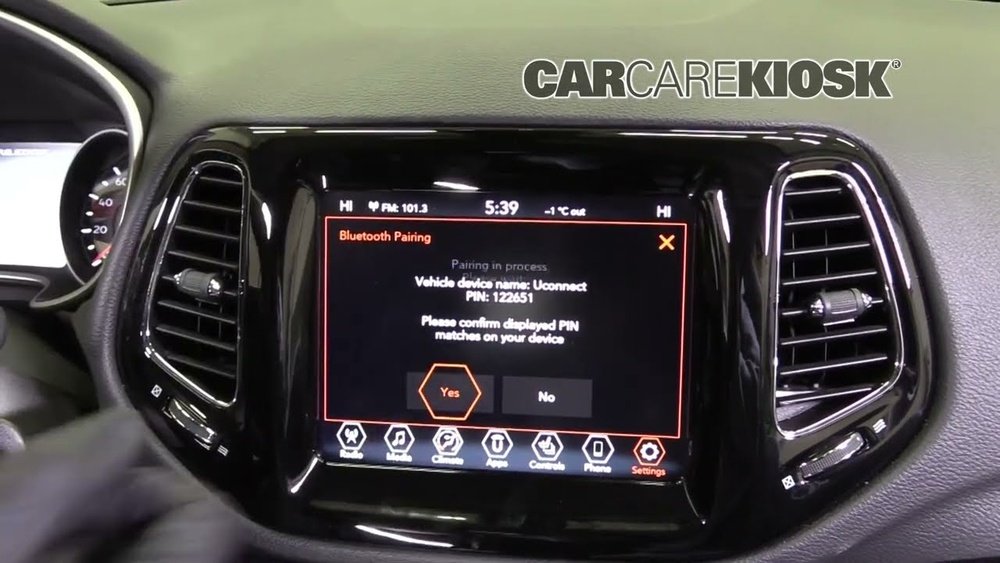
The Jeep Compass has become a popular choice for drivers who want a blend of rugged style, comfort, and advanced technology. One key part of its driving experience is the CVT transmission (Continuously Variable Transmission). This system changes how the SUV feels on the road. For many buyers, understanding the CVT transmission is important before making a decision. Let’s take a closer look at how the Jeep Compass CVT works, its advantages, some common concerns, and how it compares to other transmissions.
What Is A Cvt Transmission?
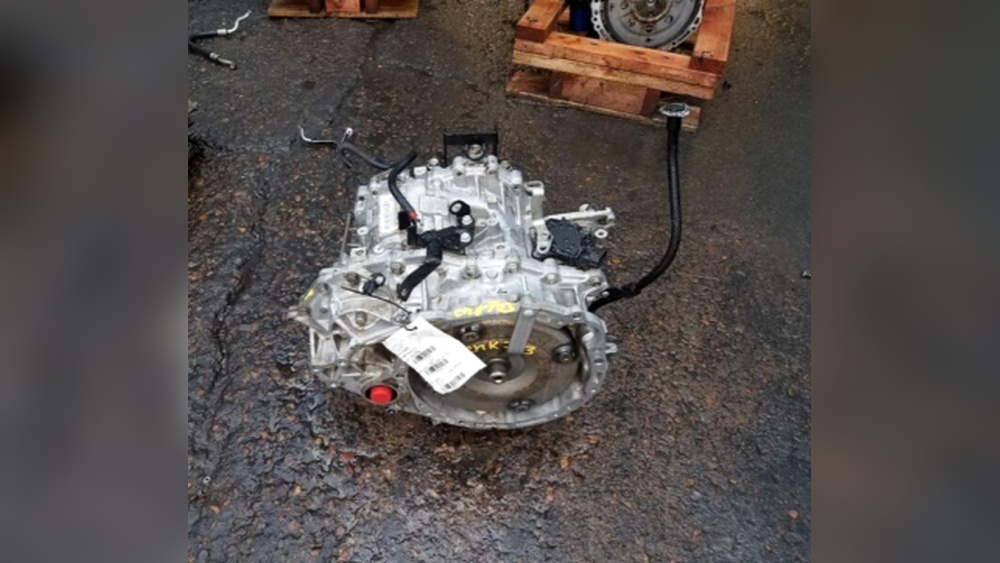
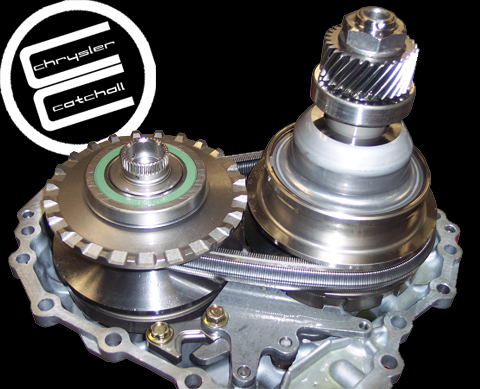
A CVT transmission is different from traditional automatic or manual gearboxes. Instead of fixed gears, a CVT uses a system of pulleys and a belt to provide a smooth range of gear ratios. This means the engine can always run at its most efficient speed, no matter how fast you’re going.
Many modern cars use CVT technology because it offers:
- Better fuel economy
- Smoother acceleration
- Fewer moving parts (which can mean less maintenance)
However, some drivers notice that the driving “feel” is not the same as a regular automatic.
Jeep Compass Cvt: Key Features
The Jeep Compass uses a CVT transmission mostly in its international models, especially in Asian and European markets. In the U.S., the Compass usually comes with a 6-speed or 9-speed automatic. But in some regions, the CVT is paired with smaller petrol engines to improve efficiency.
Key features include:
- Seamless power delivery: No noticeable gear shifts, just steady acceleration.
- Manual mode: Some models let you “shift” through simulated gears for more control.
- Adaptive logic: The CVT can adjust to driving style and conditions.
Here’s a quick look at how the Compass CVT compares to other Jeep Compass transmissions:
| Transmission Type | Gear Ratios | Fuel Efficiency | Market Availability |
|---|---|---|---|
| CVT | Infinite | High | Asia, Europe |
| 6-speed Automatic | 6 | Moderate | US, Global |
| 9-speed Automatic | 9 | Good (on highways) | US, Global |
Pros And Cons Of The Jeep Compass Cvt
Choosing a vehicle with a CVT means understanding both its strengths and possible drawbacks.
Advantages
1. Smooth Driving Experience
Without gear “jumps,” acceleration feels more continuous. This is helpful in city traffic.
2. Improved Fuel Economy
The CVT helps the engine run efficiently. This leads to lower gas costs over time.
3. Lower Emissions
By optimizing engine performance, CVT-equipped Compass models often produce fewer emissions.
4. Simple Mechanical Design
Fewer gears can mean fewer parts that wear out, at least in theory.
Disadvantages
1. Less Engaging For Enthusiasts
Some drivers find the lack of “real” gear changes less fun. The engine can sound like it’s revving more, which some call the “rubber band” effect.
2. Maintenance Can Be Costly
While fewer parts can mean less maintenance, when something does go wrong, CVT repairs can be expensive.
3. Not Ideal For Heavy Towing
CVTs are usually not as strong as traditional automatics for towing or off-roading.
Real-world Performance And Reliability
Drivers who use the Jeep Compass CVT in everyday conditions often mention how quiet and relaxed the ride feels. The transmission is especially good for city driving, where constant shifting can be tiring.
On highways, the CVT keeps the engine at a comfortable speed, saving fuel.
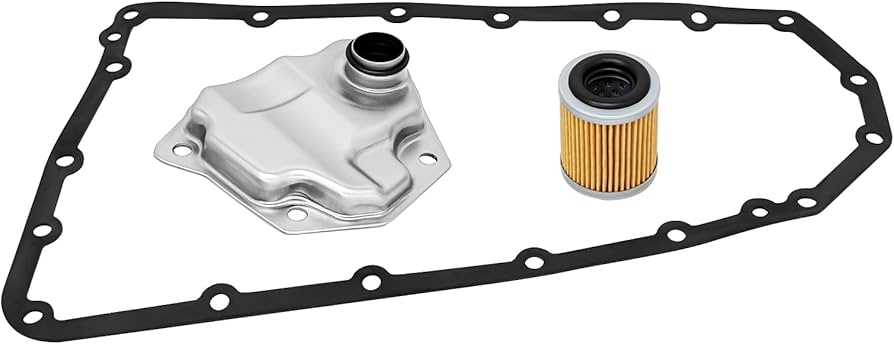
However, CVT reliability depends on regular maintenance. Using the correct transmission fluid and not delaying service is crucial. Some owners have reported issues like:
- Delayed response when accelerating fast
- Strange noises if the CVT fluid is low or old
- Overheating during long uphill drives
These problems are not unique to Jeep but are common among CVTs in general. If you plan to keep your Compass for many years, ask your mechanic about the right service schedule.
Here’s how the Jeep Compass CVT compares in reliability and cost:
| Transmission | Average Service Interval | Repair Cost (Estimate) | Typical Issues |
|---|---|---|---|
| CVT | 30,000-60,000 miles | $1,500-$4,000 | Fluid issues, belt wear |
| 6-speed Automatic | 60,000-100,000 miles | $1,200-$3,000 | Solenoid failure, clutch issues |
Comparing Cvt To Other Transmission Types
Understanding the differences helps you decide if a CVT is right for you.
| Feature | CVT | Automatic | Manual |
|---|---|---|---|
| Smoothness | Very high | Moderate | Low (jerky shifts) |
| Fuel Efficiency | High | Moderate | Varies |
| Driver Control | Low | Medium | High |
| Maintenance Cost | High (if repairs needed) | Moderate | Low |
Non-obvious insight: Many buyers don’t realize CVTs need special transmission fluid, which is not the same as standard automatic fluid. Using the wrong type can damage the system. Also, some drivers mistake normal CVT sounds for problems—getting familiar with how a CVT should sound can reduce unnecessary trips to the mechanic.
Is The Jeep Compass Cvt Right For You?
If you spend most of your time in the city or want a relaxed, efficient drive, the Jeep Compass CVT is a solid choice. It’s not built for heavy towing or sporty performance, but it shines in everyday use.
Make sure to follow the maintenance schedule and use the correct fluids.
Before buying, test drive both a CVT and a regular automatic version if available. This helps you feel the difference and choose what suits you best. For more details on CVT technology, you can check this Wikipedia page.
The transmission is just one part of the full Jeep Compass experience. But understanding it can help you avoid surprises and enjoy your SUV for years.

Frequently Asked Questions
What Is The Main Benefit Of The Jeep Compass Cvt Transmission?
The main benefit is smooth and efficient driving. The CVT helps the engine work at its best speed, which improves fuel economy and makes the ride quieter.
Can I Tow With A Jeep Compass Cvt?
While light towing is possible, CVTs are not designed for heavy loads. If you plan to tow often, consider a model with a traditional automatic transmission.
Does The Jeep Compass Cvt Require Special Maintenance?
Yes, it needs CVT-specific transmission fluid and more frequent checks than some automatics. Always follow the schedule in your owner’s manual.
Why Does The Cvt Feel Different From An Automatic?
A CVT has no fixed gear shifts. This means acceleration feels smoother but the engine may sound like it’s revving more, which is normal for this transmission type.
Are Jeep Compass Cvt Transmissions Reliable?
They are generally reliable with proper maintenance. Skipping fluid changes or using the wrong fluid can lead to expensive problems. Always service your CVT on time.