The Jeep Cherokee XJ radiator is a critical component for keeping your beloved off-roader running cool, especially during demanding adventures. This compact SUV, produced from 1984 to 2001, is known for its ruggedness and capability.
However, like any vehicle, its cooling system needs attention, and the radiator is at its heart. Over time, radiators can degrade, leak, or become clogged, leading to overheating.
Understanding the nuances of the XJ radiator, from its types and materials to common problems and maintenance, is key to preserving your Jeep’s performance and longevity.
This guide will walk you through everything you need to know about the Jeep Cherokee XJ radiator. We’ll explore the different options available when it’s time for a replacement, discuss common issues and how to diagnose them, and provide essential maintenance tips to keep your cooling system in top shape.
Whether you’re a seasoned off-road enthusiast or a new XJ owner, this information will help you make informed decisions and keep your Jeep’s engine running smoothly.
Understanding The Jeep Cherokee Xj Radiator
The radiator’s primary job is to dissipate heat from the engine coolant. As the engine runs, it generates a lot of heat.
The coolant circulates through the engine, absorbing this heat, and then flows to the radiator. Here, the hot coolant passes through a series of tubes and fins.
Air flows over these fins, transferring the heat from the coolant to the atmosphere. The cooled coolant then returns to the engine to repeat the cycle.
For the Jeep Cherokee XJ, this process is vital, as these vehicles are often pushed to their limits in various terrains and conditions, generating significant engine heat.
Types Of Radiators For The Xj
When it comes to replacing your Cherokee XJ’s radiator, you’ll encounter a few main types, primarily differing in their construction material and design. Each has its pros and cons regarding performance, durability, and cost.
1. Copper And Brass Radiators
Historically, copper and brass were the go-to materials for radiators. Copper offers excellent thermal conductivity, meaning it transfers heat very efficiently.
Brass is used for tanks and fittings because it's durable and corrosion-resistant.
- Pros: Superior heat dissipation, very durable, and often repairable. They can withstand higher operating temperatures and pressures.
- Cons: Significantly heavier than aluminum radiators. They are also more expensive to manufacture, which translates to a higher purchase price. The soldering used in their construction can sometimes fail over time or due to vibrations.
2. All-aluminum Radiators
Modern radiators, especially those designed for performance or heavy-duty use, are often made entirely of aluminum. Aluminum is lighter than copper and brass and also has good thermal conductivity, though slightly less than copper.
The tanks are typically welded to the core.
- Pros: Much lighter than copper/brass radiators, which can offer a slight weight savings for your vehicle. Aluminum construction and welding can be more resistant to vibration-related failures compared to soldered copper/brass. They are also generally more affordable than their copper counterparts.
- Cons: While good, aluminum’s heat dissipation isn’t quite as efficient as copper. The welds can sometimes be a point of failure if not done properly, and aluminum can be more susceptible to certain types of corrosion if the coolant mixture isn’t maintained.
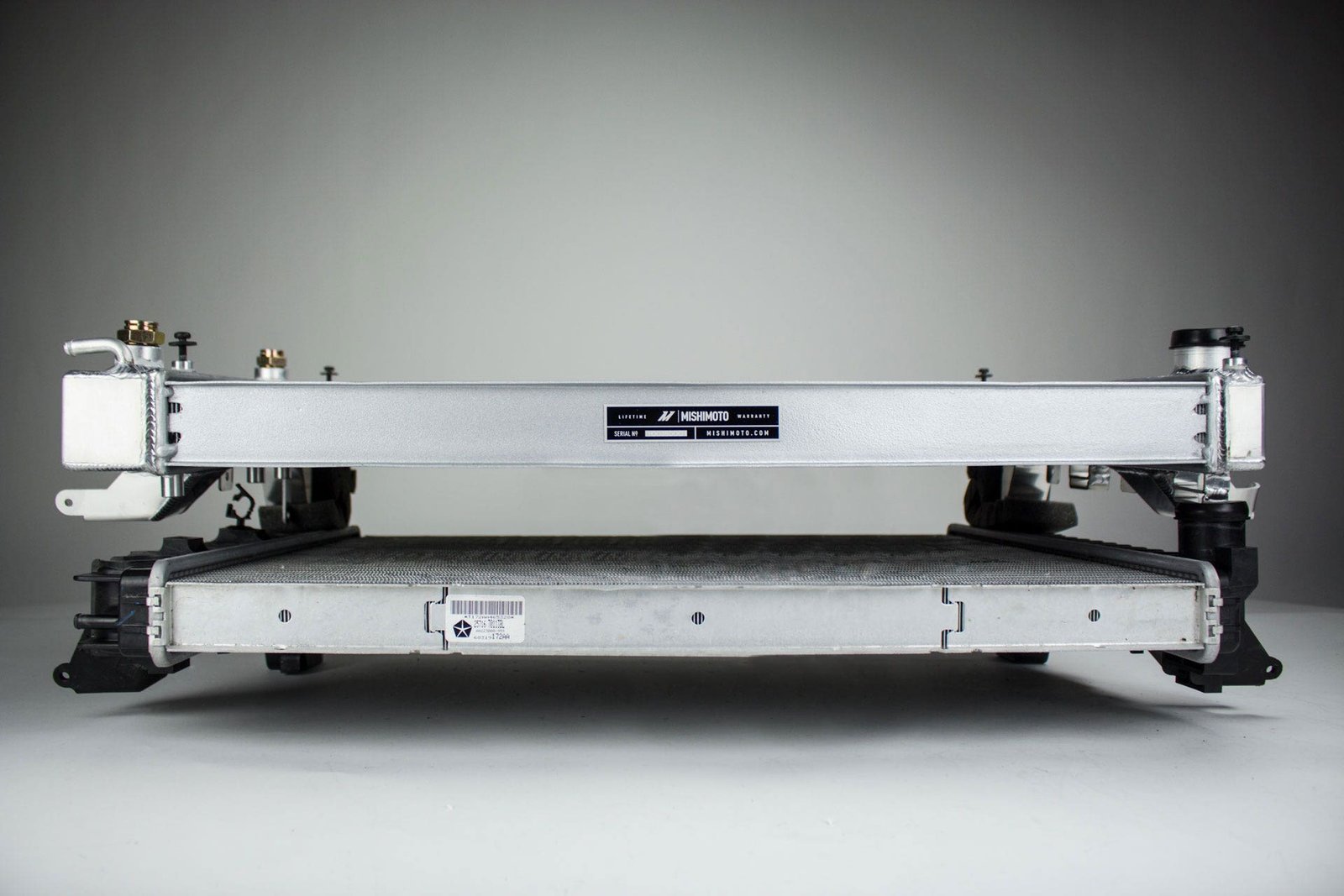
3. Aluminum Core With Plastic Tanks (oe Style)
Many original equipment (OE) radiators, and their direct replacement counterparts, use an aluminum core with plastic or composite tanks. This design balances cost, weight, and performance for everyday driving.
The tanks are usually attached to the aluminum core with O-rings and clamps.
- Pros: Cost-effective, lightweight, and offer adequate cooling for standard driving conditions. They are widely available and easy to find.
- Cons: The plastic tanks are often the weak point. They can become brittle over time due to heat cycles and age, leading to cracks and leaks, especially around the seams where they meet the core or at the hose connections. They are generally less durable than all-metal radiators under extreme stress.
Radiator Core Design: 2-row Vs. 3-row
Beyond material, the radiator core design also plays a role in cooling efficiency. The “row” refers to the number of layers of tubes that the coolant passes through.
- 2-Row Radiators: These have two layers of tubes. They are common in many standard XJ applications and offer good cooling for normal driving. They are lighter and less expensive.
- 3-Row Radiators: These have three layers of tubes, providing more surface area for heat exchange. This results in significantly better cooling capacity, making them ideal for XJs that see heavy use, towing, off-roading in hot climates, or have had engine modifications that increase heat output. A 3-row might be slightly heavier and more expensive than a 2-row.
Pro Tip: For most stock or lightly modified Jeep Cherokee XJs, a quality 2-row aluminum radiator is sufficient. However, if you frequently push your Jeep hard, especially in warm weather or off-road, upgrading to a 3-row aluminum or even a copper/brass radiator can provide a critical cooling reserve and prevent overheating issues.
Common Jeep Cherokee Xj Radiator Problems
Over time, the radiator in your XJ can develop several issues that compromise its ability to cool the engine effectively. Identifying these problems early can save you from costly engine damage.
Leaks
Radiator leaks are perhaps the most common problem. They can occur in various places:
- Tank Seams: On plastic-tank radiators, the bond between the plastic tank and the aluminum core can fail, especially due to age and heat cycles.
- Hose Connections: The points where the radiator hoses connect to the tanks can develop leaks if the clamps loosen or the hose necks become damaged.
- Core Leaks: The tubes or fins within the radiator core can corrode and develop small pinhole leaks. This is more common in older copper/brass radiators or if the coolant has become acidic due to poor maintenance.
- Cracked Tanks: Plastic tanks can develop cracks, especially if they become brittle with age or suffer impact damage.
Diagnosis: Look for visible signs of coolant leaks. These are often orange, green, pink, or yellow (depending on the coolant type) and may leave crusty residue around the leak site. You might also notice a sweet smell when the engine is hot, which is the smell of burning coolant. A pressure test is the most reliable way to find small leaks.
Clogging And Corrosion
The inside of the radiator can become clogged with rust, scale, and sediment. This buildup restricts coolant flow, reducing the radiator's ability to transfer heat.
This often happens when the coolant is not changed regularly, or when incompatible coolant types are mixed.
- Internal Corrosion: This occurs when the coolant’s protective additives break down, allowing the metal components of the cooling system to corrode. This can create debris that clogs the radiator.
- External Fins Blocked: Dirt, mud, leaves, and other debris can accumulate on the exterior fins of the radiator, blocking airflow. This prevents the radiator from dissipating heat effectively.
Diagnosis: Internal clogging is harder to spot visually without removing the radiator. Symptoms include the engine running hotter than usual, especially at lower speeds or when idling, even if there are no visible leaks. External blockage is usually obvious upon inspection.
Overheating
This is the ultimate symptom that something is wrong with the cooling system, and the radiator is often the culprit. Overheating can be caused by leaks, clogs, or a damaged radiator that simply can’t handle the heat load.
Diagnosis: Your temperature gauge will climb into the red zone, or an aftermarket temperature gauge will show excessively high readings. You might also see steam coming from under the hood.
Warning: Driving an XJ with an overheating engine can cause severe and expensive damage, including warped cylinder heads or a blown head gasket. If your Jeep is overheating, pull over safely and shut off the engine immediately.
Maintenance And Care For Your Xj Radiator
Proper maintenance is crucial for extending the life of your Jeep Cherokee XJ’s radiator and preventing premature failure. Regular checks and timely service can save you a lot of headaches and money.
Coolant Checks And Changes
The coolant (antifreeze) in your XJ is vital. It not only prevents freezing in cold weather but also raises the boiling point of the water, preventing overheating in hot weather, and contains additives to prevent corrosion.
- Level Check: Regularly check the coolant level in the overflow reservoir (usually a translucent plastic tank) when the engine is cold. The level should be between the ‘MIN’ and ‘MAX’ marks. If it’s low, top it up with the correct type of coolant mixture.
- Coolant Type: Jeep XJs typically use a 50/50 mixture of antifreeze and distilled water. Always check your owner’s manual for the specific type of coolant recommended. Using the wrong type can lead to corrosion or reduced cooling efficiency.
- Flush and Fill: It’s recommended to flush and replace the coolant every 2-3 years or according to your owner’s manual’s schedule. This removes old, degraded coolant and any accumulated sediment or rust.
How to Flush Your Radiator:
- Ensure the engine is completely cold.
- Place a drain pan under the radiator drain plug (usually at the bottom of the radiator).
- Open the drain plug and let the old coolant drain out.
- Close the drain plug.
- Fill the system with distilled water and run the engine for 10-15 minutes with the heater on high. This circulates the water to loosen debris.
- Drain the water and repeat steps 5-6 until the drained water runs clear.
- Close the drain plug.
- Fill the system with a 50/50 mixture of new antifreeze and distilled water.
- Run the engine until it reaches operating temperature, with the heater on high, to allow air bubbles to escape. Top up the reservoir as needed.
Inspecting Hoses And Clamps
The radiator hoses carry the coolant to and from the engine. These rubber hoses degrade over time, becoming soft, brittle, or cracked.
- Visual Inspection: Look for any signs of cracking, swelling, or excessive wear on the hoses. Check for leaks around the hose connections.
- Feel Test: Squeeze the hoses (when cold). They should feel firm but pliable. If they feel mushy, brittle, or hard, they need replacement.
- Clamps: Ensure hose clamps are tight and not corroded. Loose clamps are a common source of leaks.
Pro Tip: It’s a good practice to replace radiator hoses every 5 years, regardless of their apparent condition. They are relatively inexpensive, and a burst hose can leave you stranded and cause rapid overheating.
Keeping The Exterior Clean
As mentioned earlier, debris on the radiator fins can significantly impede airflow and cooling.
- Regular Cleaning: Periodically inspect the front of your radiator. If you see leaves, mud, or other debris, gently wash it away with a hose.
- Gentle Approach: Be careful not to bend the delicate fins with high-pressure water or harsh brushing. A soft brush can help dislodge stubborn debris.
Replacing Your Jeep Cherokee Xj Radiator
When your XJ’s radiator reaches the end of its life, replacement is necessary. The process is manageable for a DIYer with basic mechanical skills and tools.
Signs Your Radiator Needs Replacement
- Persistent Leaks: If you’re constantly adding coolant and can’t find a small leak, the radiator itself might be failing internally.
- Visible Damage: Cracked tanks, corroded core, or bent fins that cannot be straightened.
- Frequent Overheating: If the engine overheats despite having fresh coolant, good hoses, and a working thermostat, the radiator is likely not doing its job.
- Discolored Coolant: Milky or oily coolant can indicate internal damage or a blown head gasket, which often necessitates radiator replacement.
Choosing A Replacement Radiator
When selecting a new radiator, consider the materials, row count, and your driving needs.
- OE-Style (Aluminum Core/Plastic Tanks): A good, cost-effective choice for daily drivers or light off-roading. Ensure you buy from a reputable brand to get good quality plastic tanks.
- All-Aluminum (2-Row or 3-Row): A popular upgrade for better performance and durability. A 3-row all-aluminum radiator offers excellent cooling capacity for demanding use.
- Copper/Brass: The most durable and best performing in terms of heat dissipation, but also the heaviest and most expensive. Often chosen for heavily modified or classic XJs.
Here’s a comparison of common radiator types:
| Feature | OE-Style (Aluminum/Plastic) | All-Aluminum (2-Row) | All-Aluminum (3-Row) | Copper/Brass (2-Row) | Copper/Brass (3-Row) |
|---|---|---|---|---|---|
| **Material** | Aluminum Core, Plastic Tanks | Aluminum Core & Tanks | Aluminum Core & Tanks | Copper Core, Brass Tanks | Copper Core, Brass Tanks |
| **Weight** | Light | Medium | Medium-Heavy | Heavy | Very Heavy |
| **Cooling Cap.** | Adequate | Good | Excellent | Very Good | Superior |
| **Durability** | Fair | Good | Very Good | Excellent | Excellent |
| **Cost** | Low | Medium | Medium-High | High | Very High |
| **Repairability** | Difficult (tanks) | Difficult (welds) | Difficult (welds) | Good (soldering) | Good (soldering) |
Step-by-step Replacement Guide (simplified)
- Drain the Coolant: Ensure the engine is cold. Place a drain pan under the radiator drain plug and remove it. Also, disconnect the lower radiator hose to ensure complete drainage.
- Remove Fan Shroud and Fan (if applicable): The fan shroud might need to be removed to access the radiator. On some XJs, the fan is attached to the water pump pulley, while others have an electric fan. If it’s a belt-driven fan, you might be able to leave it attached or carefully maneuver it out of the way.
- Disconnect Hoses and Lines: Carefully disconnect the upper and lower radiator hoses. Also, disconnect any transmission cooler lines if your XJ has an automatic transmission and the cooler is integrated into the radiator. Be prepared for a small amount of residual coolant to spill.
- Unbolt the Radiator: The radiator is usually held